
Best Kitchen Utensils 2026 — Buying Guide
We analyzed 333789 verified reviews across 36209 products in Kitchen Utensils to find the top picks.
- 🏆 Top-rated products ranked by real user satisfaction, not just star ratings
- ⚠️ Common defects and complaints so you know what to avoid
- 💰 Price-to-performance picks for every budget
- 📋 FAQ section answers the most common buyer questions
Kitchen Utensils Buying Guide
Buying Tips
1. Material Safety & Durability
Prioritize utensils made from non-toxic, food-safe materials first: BPA-free silicone, 18/8 food-grade stainless steel, sustainably sourced hardwood, or food-grade nylon. For stovetop use, confirm silicone options have a heat resistance rating of 450°F to 600°F to avoid melting or chemical leaching. Avoid cheap, unlabeled plastic utensils, which crack easily and release harmful chemicals when exposed to high heat.
2. Cookware Compatibility
Match your utensil material to your cookware to extend the lifespan of both products. If you own non-stick coated pans, air fryers, or ceramic bakeware, stick to soft silicone, nylon, or wood utensils to prevent scratching and damaging the non-stick surface. Stainless steel and metal utensils are only safe for uncoated cast iron, carbon steel, and stainless steel cookware, as they won’t scratch these hardier surfaces.
3. Ergonomics & Ease of Care
Look for utensils with non-slip, weight-balanced handles that are comfortable to hold for extended cooking sessions, and avoid designs with hard-to-clean crevices that trap food bacteria. Whenever possible, choose dishwasher-safe options to cut down on cleanup time; note that wood utensils will require hand washing and occasional oiling to prevent splintering.
4. Use Case & Value
If you’re outfitting a new kitchen, a pre-curated 10–15 piece utensil set (typically including slotted spoons, solid spatulas, tongs, ladles, and whisks) will offer better value than buying individual pieces. If you only need to replace a broken utensil or add a specialized tool (like a silicone basting brush or pasta server), opt for individual purchases to avoid unnecessary clutter and waste.
2026 Trends
1. Zero-Waste, Sustainable Material Blends
Eco-conscious shoppers are driving demand for utensils made from low-impact, recyclable materials: think bamboo or FSC-certified wood handles paired with food-grade silicone heads, 100% recycled stainless steel, and even plant-based, compostable utensils for casual cooking and hosting. Most top brands are also ditching single-use plastic packaging for paper or recycled cardboard, aligning with consumer demand for zero-waste home goods.
2. Space-Saving Multi-Functional Designs
As small apartment and compact kitchen living grows in popularity, multi-use utensils that eliminate clutter are top sellers. Expect to see more options like spatulas with built-in jar scrapers, tongs that double as spoon rests, and combination measuring spoon/whisk tools that cut down on the number of items you need to store in your kitchen drawers.
3. Aesthetic, Display-Worthy Sets
Social media-driven home decor trends have turned kitchen utensils from functional tools to statement pieces. 2026 will see a surge in color-coordinated, matte-finish utensil sets in neutral, pastel, or bold accent shades that are designed to be hung on countertop hook racks or displayed in open canisters, rather than stored out of sight, to match existing kitchen decor.
FAQ
What kitchen utensils are safe to use on non-stick pans?
Only use soft, non-abrasive utensils on non-stick cookware: BPA-free silicone, food-grade nylon, or finished hardwood are all safe options. Avoid metal or stainless steel utensils, as their sharp edges will scratch the non-stick coating, which can release harmful chemicals and shorten the lifespan of your pans by years.
How often should I replace my kitchen utensils?
Replacement timelines vary by material:
- Silicone utensils: Replace every 3–5 years, or immediately if you notice tears, persistent discoloration, or sticky, degrading residue
- Wood utensils: Replace every 1–2 years, or if they crack, splinter, or hold persistent food odors even after deep cleaning
- Stainless steel utensils: Can last 10+ years with proper care; replace only if they develop rust spots or sharp, dangerous edges
Are silicone kitchen utensils safer than plastic options?
High-quality, food-grade silicone utensils are almost always safer and more durable than cheap plastic utensils. Food-grade silicone is heat-resistant up to 600°F, so it won’t melt or leach BPA, phthalates, or other harmful chemicals when exposed to stovetop heat. It is also more stain-resistant and longer-lasting than plastic. Always confirm your silicone utensils are labeled FDA-approved or food-safe to avoid low-quality options with unsafe fillers.
🏆 Top Picks
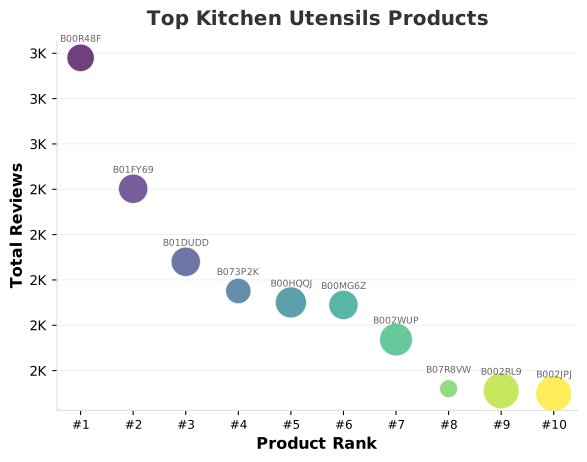
Figure: Top 10 products by review count and data history.
Top Kitchen Utensils Pick #1
- ASIN: B00R48FNTE
- Reviews: 3,225
Top Kitchen Utensils Pick #2
- ASIN: B01FY69CPS
- Reviews: 2,503
Top Kitchen Utensils Pick #3
- ASIN: B01DUDDQEU
- Reviews: 2,100
Top Kitchen Utensils Pick #4
- ASIN: B073P2KKXS
- Reviews: 1,939
Top Kitchen Utensils Pick #5
- ASIN: B00HQQJ3N6
- Reviews: 1,876
This guide is AI-generated based on 333,789 verified user reviews, updated weekly.