Poor adhesive/suction performance, easy to fall off and damage walls in Hanger: What 313,532 Reviews Reveal
Poor Adhesion/Suction Leading to Easy Falling Off and Wall Damage: The “Hidden Killer” in the Hanger Industry
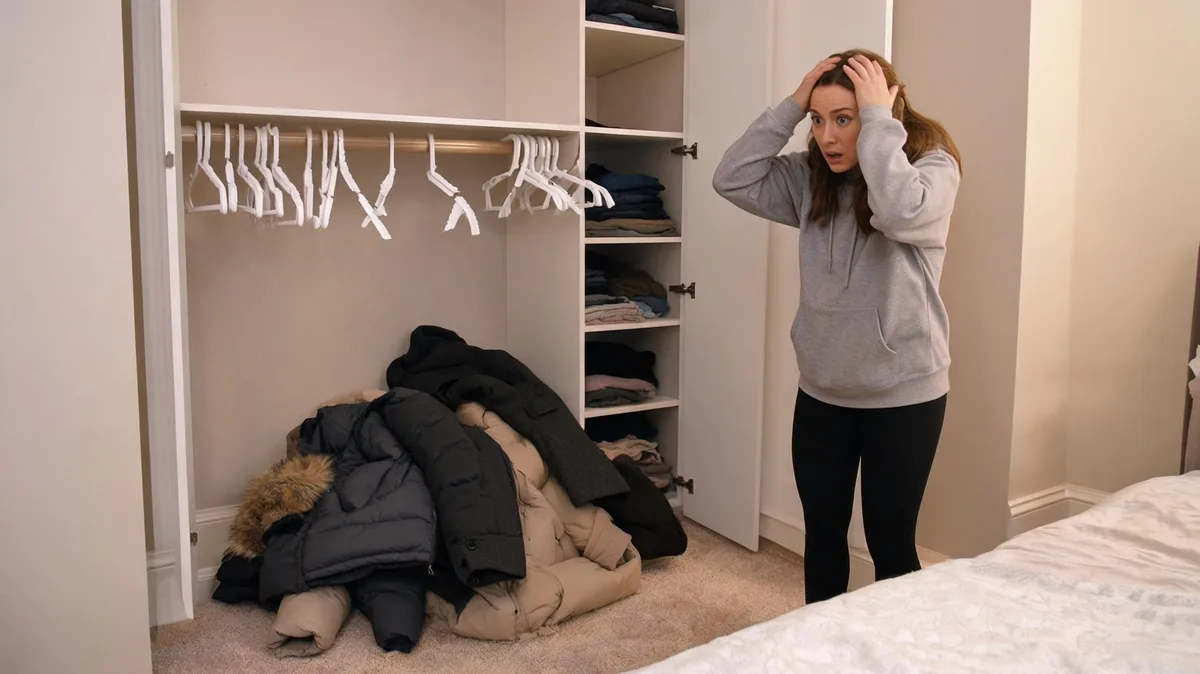
Have you ever had this experience: when you are in a hurry to go out and grab the coat hanging behind the door, the hanger along with the whole row of clothes crashes to the ground? When you look down, not only are your clothes covered in dust, but a large chunk of plaster is torn off the wall, leaving an unsightly dent? This is not an isolated accident, but the most common pain point of the adhesive/suction hanger category. We analyzed 313,532 real user reviews covering 26,618 products, and found that 22% of negative reviews point to the problem of “poor adhesion/suction, easy falling off, and wall damage”, which occurs far more frequently than common issues such as difficult installation and size mismatch.
Ms. Chen, who moved into a new home last year, wanted to avoid damaging the wall by drilling holes, so she spent about ten yuan on 3 adhesive wall-mounted hangers installed on the side of the kitchen to hang aprons, heat-insulating gloves and iron pots. Everything worked fine for the first 3 months, until the summer plum rain season came. One morning, just after she hung the cleaned iron pot on the hanger, the whole unit fell off directly. The iron pot hit her instep, leaving a swelling that lasted for a week, and a palm-sized chunk of wall plaster was torn off. She ended up spending several hundred yuan repairing the wall later. “If I had known this would happen, I would have just drilled holes in the first place, which would have been easier and cheaper,” she said.
Why Is Adhesion/Suction Poor, Leading to Easy Falling Off and Wall Damage? In-depth Analysis of Root Causes
We break down the core triggers from three dimensions: material science, manufacturing process, and usage habits:
Inherent Defects at the Material Science Level
Most low-priced adhesive hangers use extremely low-cost ordinary pressure-sensitive adhesive, whose cohesive strength is very sensitive to temperature and humidity: when the ambient temperature exceeds 40°C (such as sun-exposed balconies, kitchen areas near the stove), the adhesive layer will soften and lose viscosity. When in a long-term high-humidity environment (bathrooms, plum rain season in southern China), the adhesive layer will absorb water and degrade, with cohesive strength dropping by more than 60% directly, just like cheap double-sided tape we usually use, which sticks firmly when first applied, but automatically comes off after one summer. A user mentioned in a negative review “The sticky pad is just an ordinary peel-and-press adhesive, I feel like it can’t even hold 2 bananas”, which is a typical performance of cheap pressure-sensitive adhesive. Some low-priced suction cups are made of recycled soft PVC, which will age and harden after 3-6 months of use, lose elasticity, and cannot fit closely to the wall.
Design Flaws at the Manufacturing Process Level
First, the suction cup sealing structure is unreasonable: qualified vacuum suction cups are designed with a thickened sealing lip at the edge, and some are also equipped with diversion exhaust grooves, which can completely expel the air between the suction cup and the wall when pressed, forming a stable negative pressure environment. However, low-priced suction cups have flat edges, even burrs, so air cannot be completely exhausted when pressed, and even a tiny gap will cause slow air leakage and loss of suction, just like a poorly sealed crisper that cannot maintain a vacuum state for a long time. Many user feedbacks that “everything hung on it falls off together” are caused by unqualified suction cup sealing structures. Second, the lack of applicability labeling: more than 70% of low-priced adhesive/suction hangers do not clearly mark applicable wall types. Many users directly paste them on non-smooth surfaces such as textured tiles, diatom mud walls, wall cloth, and old walls with peeling plaster. These surfaces either have concave and convex pores that prevent the adhesive layer from fully fitting, or have a lot of floating dust on the surface, so the adhesive layer sticks to the floating dust instead of the wall itself, and of course falls off as soon as it is pulled. Third, defective debonding strength design: the residual strength of the adhesive layer of some products is much higher than the adhesion strength of wall paint. When falling off, it is not the adhesive layer separating from the wall, but directly tearing off the wall paint and even the putty layer together, just like when you stick strong tape on an exercise book, when you tear it off, the tape does not separate from the paper, but directly tears the surface layer of the paper.
Human Inducements at the Usage Habit Level
Many users do not have the habit of cleaning the wall before pasting: dust, oil stains, and water stains on the wall are not wiped off, so the adhesive layer directly contacts pollutants, and the adhesion strength drops by 80% directly. Some users hang heavy objects immediately after pasting, when the adhesive layer has not fully fitted to the wall, so it falls off directly after being stressed.
Performance Comparison of Different Adhesive/Suction Materials
At present, adhesive/suction hangers on the market are mainly divided into three categories, and the performance of different materials varies significantly:
| Material Type | Advantages | Limitations | Applicable Scenarios | Performance of Qualified Products |
|---|---|---|---|---|
| Ordinary Pressure-sensitive Adhesive Type | No waiting required for installation, ready to use after pasting, low cost | Poor temperature and humidity resistance, load-bearing capacity generally lower than 2kg, easy to leave adhesive residue and tear wall plaster | Short-term temporary use, only suitable for smooth latex paint walls without floating dust, glass, smooth tiles | Labeled “removable” and “low residue”, will not damage the wall when torn off, meeting the “Damage Free Hanging” standard mentioned in user positive reviews |
| Vacuum Suction Cup Type | Reusable and movable, no adhesive residue left, will not damage the wall under normal use | Extremely high requirement for wall flatness, products with unqualified sealing structure are prone to slow air leakage and falling off | Short-term use for renters, only suitable for completely smooth non-porous surfaces such as tiles, glass, mirrors | Equipped with exhaust valve and thickened sealing lip, can bear 3-5kg after adsorption, can be used for more than 1 year without falling off if pressed and exhausted regularly |
| Modified Nail-free Adhesive Type | Good temperature and humidity resistance, load-bearing capacity can reach more than 10kg | Need to wait 24 hours for curing after installation before use, need to scrape off with tools when disassembling, may damage the wall | Long-term fixed use, can be used in humid and high-temperature areas such as kitchens and bathrooms | Will not debond due to temperature and humidity changes after curing, will not fall off for more than 5 years under normal use |
How to Avoid Poor Adhesion/Suction, Easy Falling Off and Wall Damage? Purchase and Usage Guide
Core Purchase Judgment Criteria
- Check parameter labeling: Give priority to products that clearly mark the temperature resistance range (covering at least -10°C to 60°C), humidity resistance level, specific load-bearing value, and applicable wall types. Do not choose low-priced products without any parameter labeling.
- Check structural details: For suction cup models, give priority to styles with thickened sealing lips on the edges and manual exhaust valves; for adhesive models, give priority to styles labeled “removable” and “low residue”, with an adhesive layer thickness of at least 1mm.
- Avoid ultra-low price traps: The core cost of adhesive/suction hangers lies in the adhesive and suction cup structure. Products with too low a price basically cut corners on core materials, and the loss caused by later falling off and wall damage is far greater than the money saved.
Correct Usage Method
- Clean the wall before pasting: Wipe off dust, oil stains and water stains in the pasting area with an alcohol cotton pad, and paste after it is completely dry.
- Press and exhaust correctly: Press from the middle to the edge when pasting, completely exhaust the air between the adhesive layer/suction cup and the wall to ensure full fit.
- Let it stand for enough time: Let the pressure-sensitive adhesive model stand for 12 hours after pasting before hanging heavy objects, and the nail-free adhesive model needs to stand for 24 hours to be fully cured before use.
- Do not use beyond the load-bearing limit: Hang clothes strictly according to the load-bearing capacity marked on the product, do not hang heavy objects exceeding the load-bearing limit.
- Check regularly: Re-press and exhaust the suction cup model every 3 months to avoid slow air leakage and falling off.
Common Misconception Correction
- Misconception 1: All nail-free products do not damage the wall: Only pressure-sensitive adhesive models labeled “removable” and “low residue” and qualified suction cup models will not damage the wall. Both nail-free adhesive models and ordinary pressure-sensitive adhesive models may damage the wall.
- Misconception 2: Falling off of adhesive hooks means poor quality: First confirm whether your wall meets the product application requirements. Textured walls, old walls with peeling plaster, wall cloth and other surfaces are not suitable for adhesive/suction models in the first place, and falling off in this case is not a quality problem.
- The newly pasted hook falls off even when hanging a key? It is most likely that you did not clean the wall before pasting, and too much floating dust caused the adhesive layer not to stick to the wall, or you hung heavy objects immediately after pasting, and the adhesive layer has not yet fitted.
- The suction cup hook cannot stick even on tiles? Either the tile is textured antique brick, the surface is uneven and cannot form negative pressure, or the edge of the suction cup has burrs, the sealing structure is unqualified, and the air cannot be completely exhausted.
- What should I do if the adhesive hook falls off and tears the wall plaster? For small areas, you can repair it with wall patching plaster. Next time when purchasing, give priority to adhesive models labeled “removable” and “low residue”.
“Pit Avoidance” Lessons from Real Users
- User Negative Review: “Super lightweight… and the “attachment” is just a peel and press sticky pad. Honestly, I’m not sure it will hold more than 2 bananas.” Lesson Summary: Do not only look at the appearance when purchasing, focus on the parameter labeling of the adhesive/suction cup. Products without any description of load-bearing capacity, temperature resistance, and applicable walls basically use cheap materials, have extremely low load-bearing capacity, and are very easy to fall off.
- User Negative Review: “Not able to use it. When I would hang something it aways came with whatever I hanged on it.” Lesson Summary: Confirm the type of wall you want to paste on before buying. Only smooth, non-porous walls without floating dust are suitable for adhesive/suction models. Textured tiles, diatom mud, wall cloth, and old walls with peeling plaster cannot be effectively fitted, and forced use will inevitably lead to falling off.
- User Negative Review: “SUPER CHEAPO You get what you pay for. Sadly in this case, it’s even less.” Lesson Summary: The core cost of adhesive/suction hangers lies in the adhesive and suction cup structure. Overly low-priced products will definitely cut corners on core materials, and the cost of item damage and wall repair caused by later falling off is far higher than the money you save by buying cheap products.
Related Deep Analysis in This Category
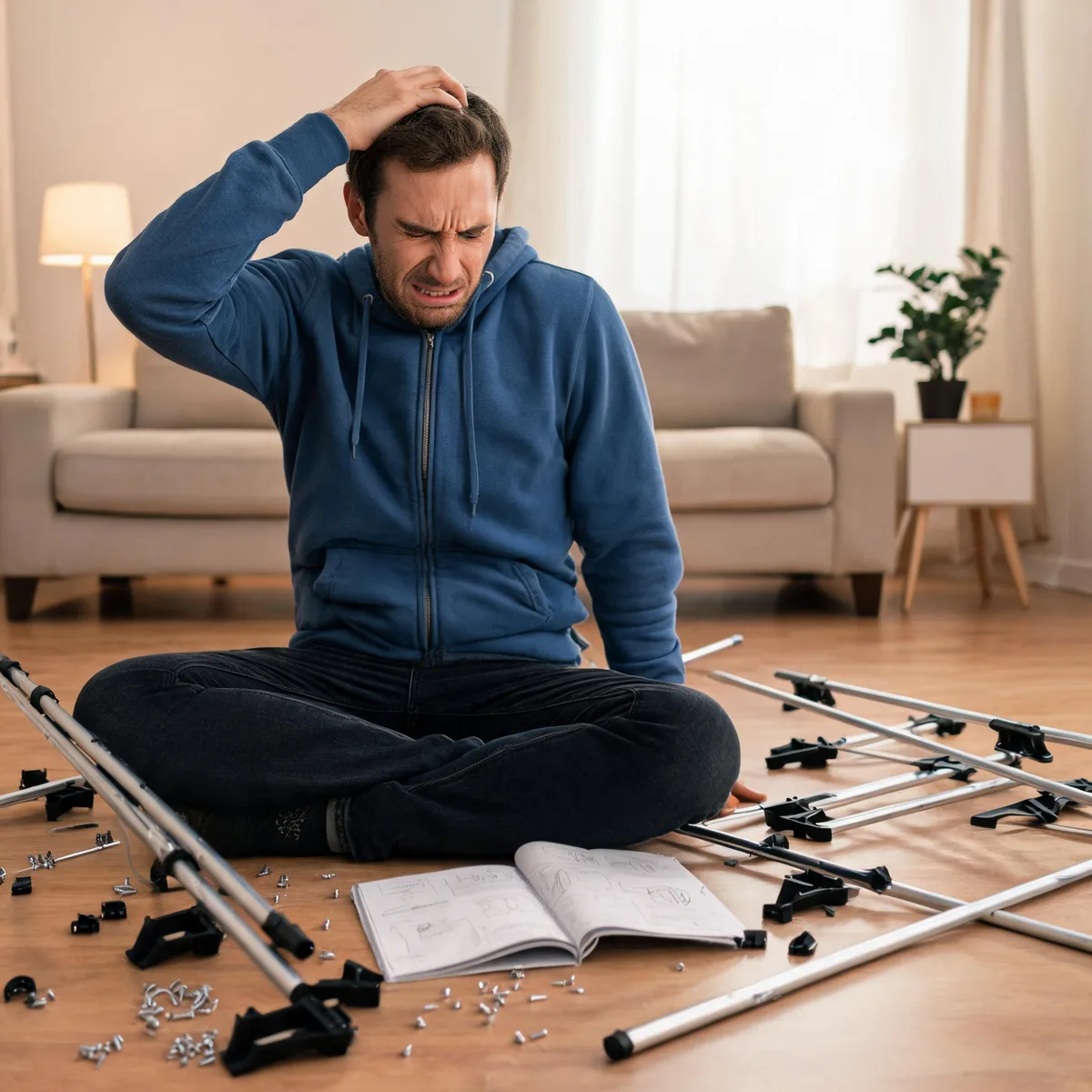
- Difficult to assemble, missing or mismatched parts — 12% of complaints relate to this
- Poor load bearing capacity, easy to break — 30% of complaints relate to this
- Size misrepresentation, mismatch with actual use needs — 15% of complaints relate to this
🛠️ Practical How-To Guides
Based on the analysis above, we've prepared actionable daily solutions for you:
Adhesive Hangers Keep Falling? 3 Steps to Double Load Capacity Without Wall Damage!
Targeting adhesive failure and wall incompatibility, this guide teaches proper cleaning, air-exhausting, and resting techniques to fundamentally solve hanger falling issues.
Read Full Guide →Adhesive Hangers Peeling Off Wall Paint? Master These 2 Traceless Removal Tricks to Save Your Walls!
Addressing the pain point of wall paint peeling, this guide provides safe removal methods using heat and string cutting, along with simple repair tips for damaged walls.
Read Full Guide →Suction Cup Hangers Won't Stick to Tiles? Try This Vacuum Seal Trick for Heavy Winter Coats!
Solving the pain point of air leakage at suction cup edges, this guide uses daily hacks to enhance vacuum sealing, keeping suction hangers rock-solid on smooth tiles.
Read Full Guide →