Poor Quality & Low Durability in Pillow: What 202,034 Reviews Reveal
Poor Quality and Low Durability: The “Invisible Killer” in the Cushion Industry
Many people follow a very simple decision-making logic when choosing cushions: as long as it looks good, feels soft, and is cheap enough, they place an order directly. Few people pay attention to “how long it can last”, but this overlooked point has become the most common pitfall for consumers. We analyzed 202,034 real user reviews covering 35,734 cushion products, and found that 45% of negative reviews point to poor quality and low durability, making this the most frequently complained pain point for the cushion category.
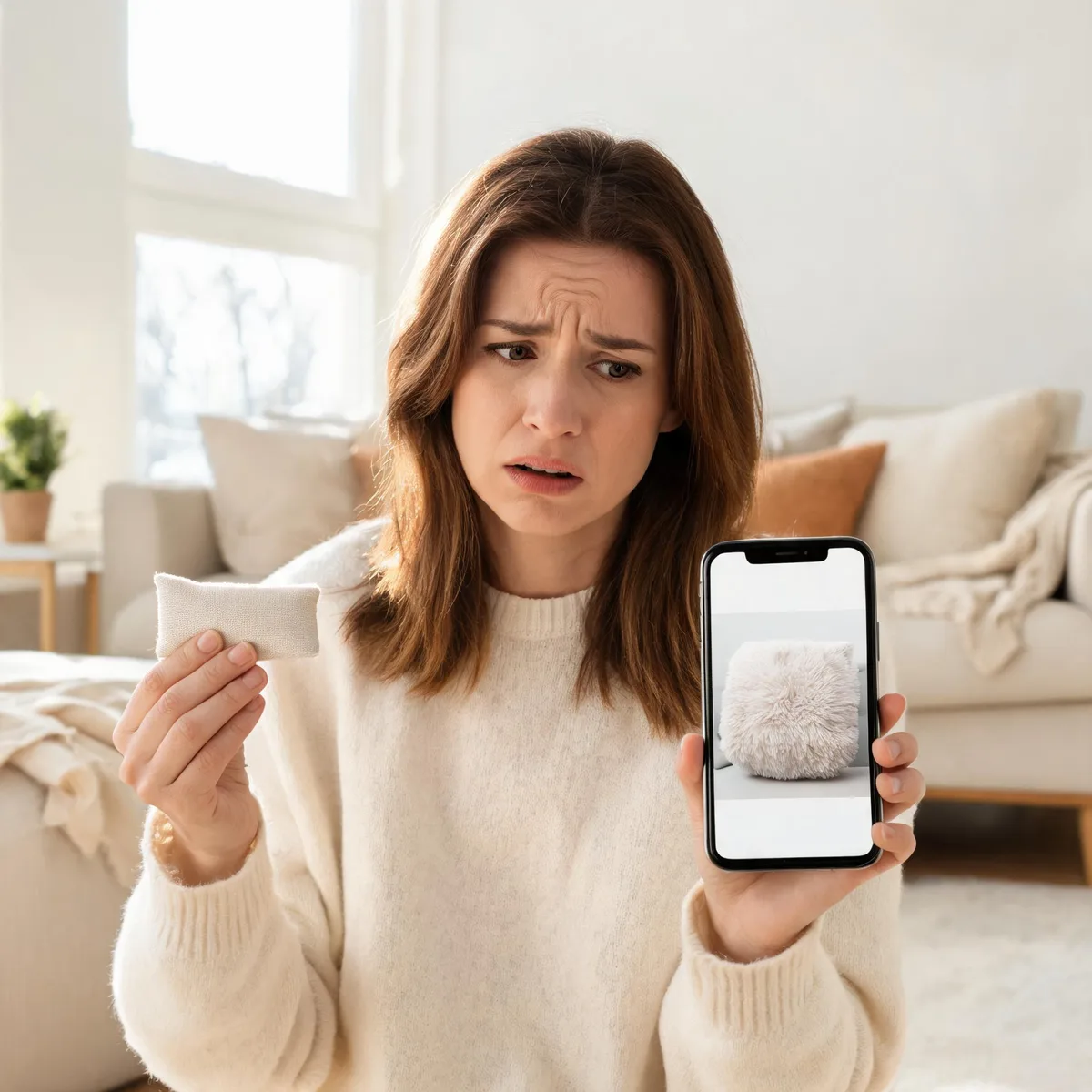
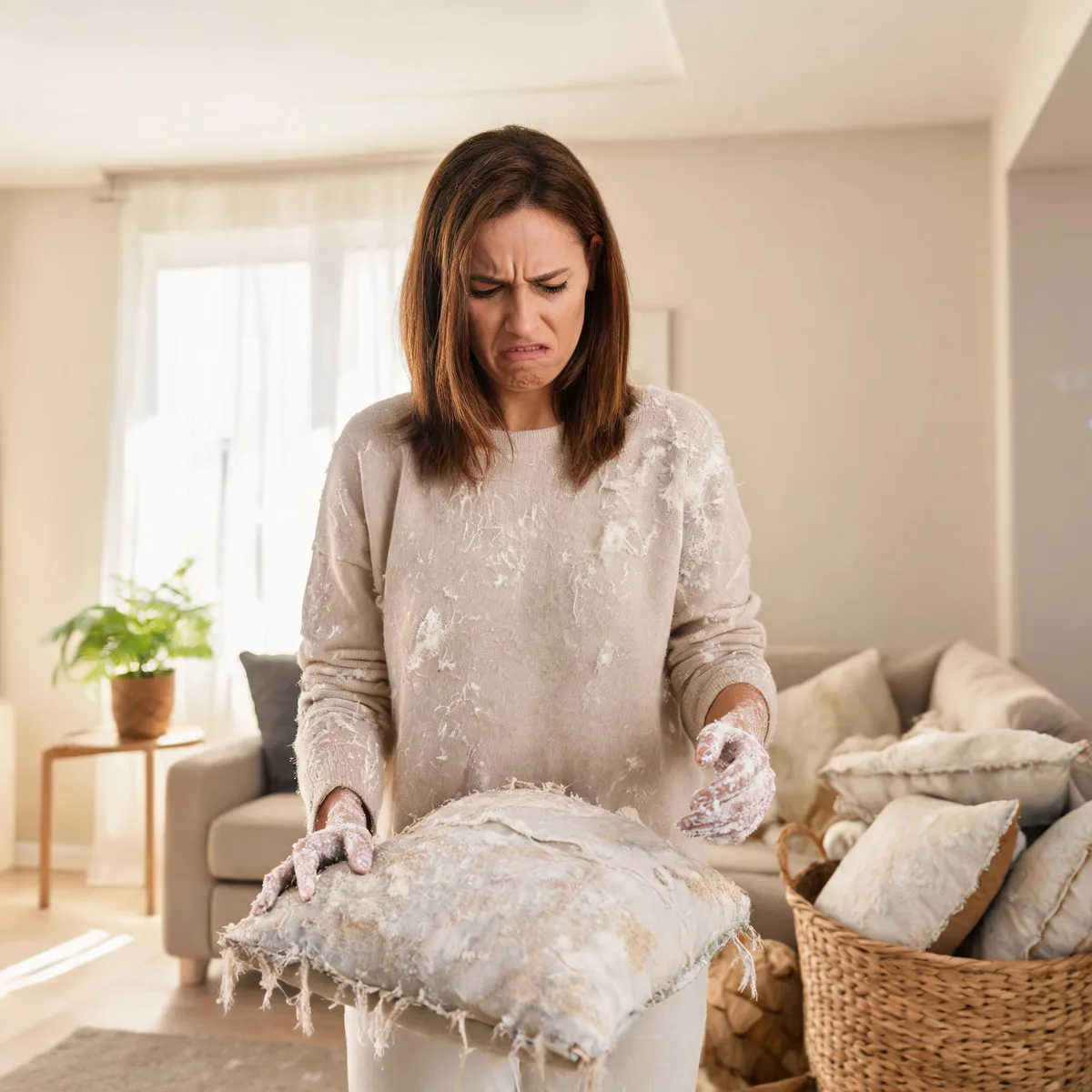
Xiao Zhou, a post-95 user who just finished decorating her new apartment, fell into this exact pit: to match her off-white sofa, she spent 29.9 yuan on two fluffy pale yellow cushions that looked great in online photos. When she first received them, they fit perfectly with her decor, felt soft and fluffy, and she even recommended them to her friends. However, after less than three weeks of use, dense pilling appeared on the area she leaned against most often. After one wash in the washing machine, the side seam unraveled into a 3cm gap, half of the filling cotton spilled out, and severe fading stained the sofa cover washed with it yellow and white in patches. When she contacted the merchant for a refund, she was told the 7-day no-reason return window had passed. She ended up using the otherwise new cushion as a floor rag. Though the cost was low, the wasted time and frustrating experience made her regret her purchase for a long time.
Why Are Cushions Prone to Poor Quality and Low Durability? An In-depth Breakdown of Root Causes
Poor cushion durability seems as simple as “breaking after use” on the surface, but it actually involves multiple factors including material selection, manufacturing processes, quality control standards, and even consumer usage habits. We break down the issue from three dimensions:
Materials Science: Low-Cost Inferior Raw Materials Are the Core Cause
The “pure cotton” and “high-elastic filling” advertised by many merchants are actually made of inferior materials that cost only 1/3 of qualified raw materials:
- Fabrics are made of low-count recycled cotton or short-fiber synthetic fibers, with fiber length only 1/2 that of qualified cotton fibers and extremely low strength. They break, pill, and shed with minimal friction, like a straw mat woven from broken straw that falls apart after a few uses.
- The filling layer uses recycled broken sponge or low-quality fluffy cotton that has not undergone shaping treatment, so it clumps and collapses after a few uses, completely losing support.
- Dyes are low-quality coatings that cost less than 1/10 of qualified reactive dyes, with extremely low color fastness that fades and bleeds when exposed to water. This answers the question many consumers have: why do advertised pure cotton cushions feel like plastic and fade badly after one wash? It is almost always the result of raw material cost-cutting.
Manufacturing Process: Cutting Corners Directly Shortens Service Life
Qualified cushion production requires at least 3 overlocking processes, pre-shrinking treatment, more than 5 wash resistance tests, and other procedures, but many small factories cut these steps to reduce costs:
- Only one line of stitching is used for overlocking, with stitch width less than 2 stitches per centimeter, so seams unravel with minimal pulling.
- Fabric is not pre-shrunk, so it shrinks by more than 30% after the first wash.
- Outdated paint transfer printing is used for patterns, which peels off after a few instances of friction even without washing. The negative review that states “lint trap was completely full after one wash, completely unusable after three uses” is a typical example of process-related cost-cutting.
Quality Control and Usage Habits: Dual Factors Accelerate Wear and Tear
Many small factories have almost zero quality control standards, with a defective rate of over 20%. Unqualified products with missing overlocking, loose threads, or uneven filling are directly sold to the market, so consumers receive defective products that cannot last long from the start. In addition, improper consumer usage habits also accelerate cushion wear: washing with hot water above 60°C, throwing directly into the washing machine without a laundry bag, exposing to direct sun for more than 4 hours, and using cushions as seat cushions for long-term weight bearing can all cut the service life of even qualified products in half.
Performance Comparison of “Poor Quality and Low Durability” Across Different Materials
Cushion durability is directly related to material. There is no absolutely perfect material, only substandard inferior products. The performance gap between high-quality and low-quality products of the same material is very obvious:
| Material Type | High-quality product performance (reference from real positive reviews) | Common problems of inferior products (reference from real negative reviews) |
|---|---|---|
| Pure cotton fabric | High count, high density, soft but firm to the touch, does not harden or pill after more than 3 washes, matching the user review “Soft and sturdy at the same time” | As thin as paper, pills and sheds after one wash, poor water absorption, wears out after a few uses, matching the user review “Paper thin, poor quality and non-absorbent” |
| Polyester fabric | High elasticity, wrinkle resistant, not easy to pill with friction, high color fastness, does not fade or deform after multiple washes | Severe static electricity, pills after 2 instances of friction, shrinks and deforms after one wash |
| Linen fabric | Stiff and breathable, gets softer with each wash, wear-resistant and does not snag | Feels scratchy, short fibers break easily, snags and unravels after a few uses |
| PP cotton filling | High fluffiness, rebounds quickly after being squeezed and released, does not clump after long-term use, matching the user review “I think it will last for a long time” | Poor rebound, collapses and clumps after 1-2 months, completely loses support |
| Memory foam filling | Slow rebound, good support, does not collapse or deform after long-term use | Collapses into a thin pancake after 2 weeks, emits a pungent odor |
How to Avoid Poor Quality and Low Durability: Purchase and Usage Guide
Key Purchase Indicators
- Fabric parameters: For pure cotton fabrics, prioritize products with 30+ count and yarn density of 200+ threads per square inch. Color fastness should meet the standard for products in direct contact with skin (≥ grade 3-4) to avoid easy fading.
- Process details: Check detail images on the product page: overlocking should be double-stitched, stitch distance should be uniform (3-4 stitches per centimeter is qualified), no exposed burrs.
- Filling performance: Prioritize products that list rebound test results in their introduction. Filling that fully rebounds 1-2 seconds after being squeezed has better durability.
Process Details Worth Paying For
Double overlocking, fabric pre-shrinking treatment, reactive printing and dyeing, and filling layer shaping processes increase product cost by 15%-20%, but extend cushion service life by 2-3 times.
Correct Use and Maintenance Methods
- Wash with water temperature no higher than 40°C, use neutral laundry detergent, wash inside a laundry bag, do not wring violently.
- Dry in the shade with the reverse side facing out, do not expose to direct sun for more than 2 hours to avoid fabric aging and fading.
- Do not rub the same area repeatedly for long periods, do not use cushions as seat cushions for weight bearing.
Common Misconceptions Corrected
Softer does not equal better quality: many inferior cushions feel unusually soft because they use short-fiber low-quality fabrics that pill and break after minimal friction, with extremely poor durability. Do not blindly pursue low prices either: products with insufficient cost cannot use qualified raw materials and processes.
“Pit Avoidance” Lessons From Real Users
We selected the most representative cases from tens of thousands of negative reviews to help you avoid common pitfalls:
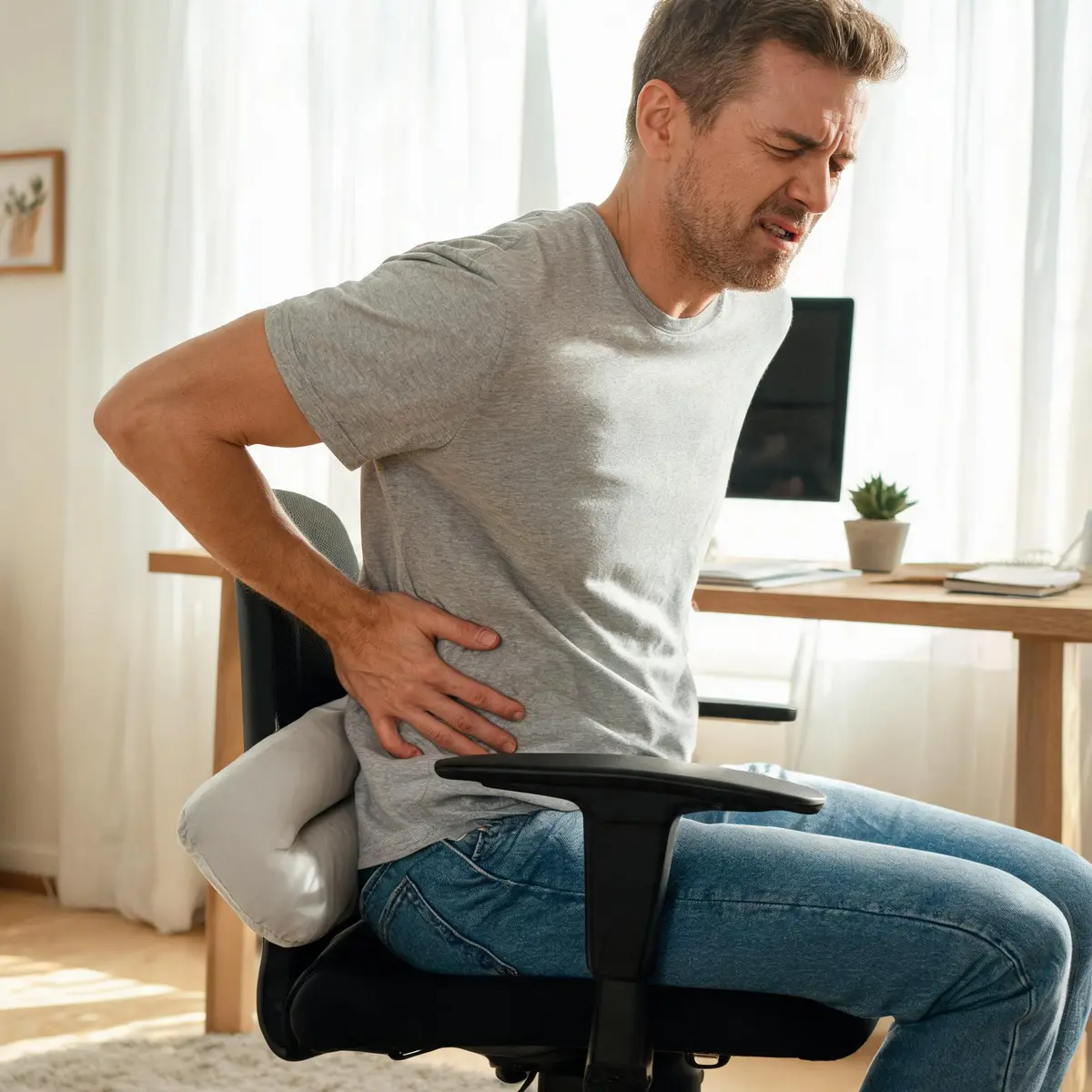
- User negative review: “My back hurt so bad after sitting for one day that I had to go see a chiropractor” Lesson summary: If a cushion obviously collapses shortly after use, the filling material is extremely low quality. It is not only low in durability, but also loses support and can damage your lumbar and cervical spine. Do not continue to use it.
- User negative review: “The lint trap was completely full after one wash, it doesn’t absorb water at all, just smears water around, I had to throw it away after three uses” Lesson summary: If heavy shedding and fading occur during the first wash, the fabric’s fiber strength and color fastness are completely unqualified. Stop using it immediately to avoid skin irritation and allergies.
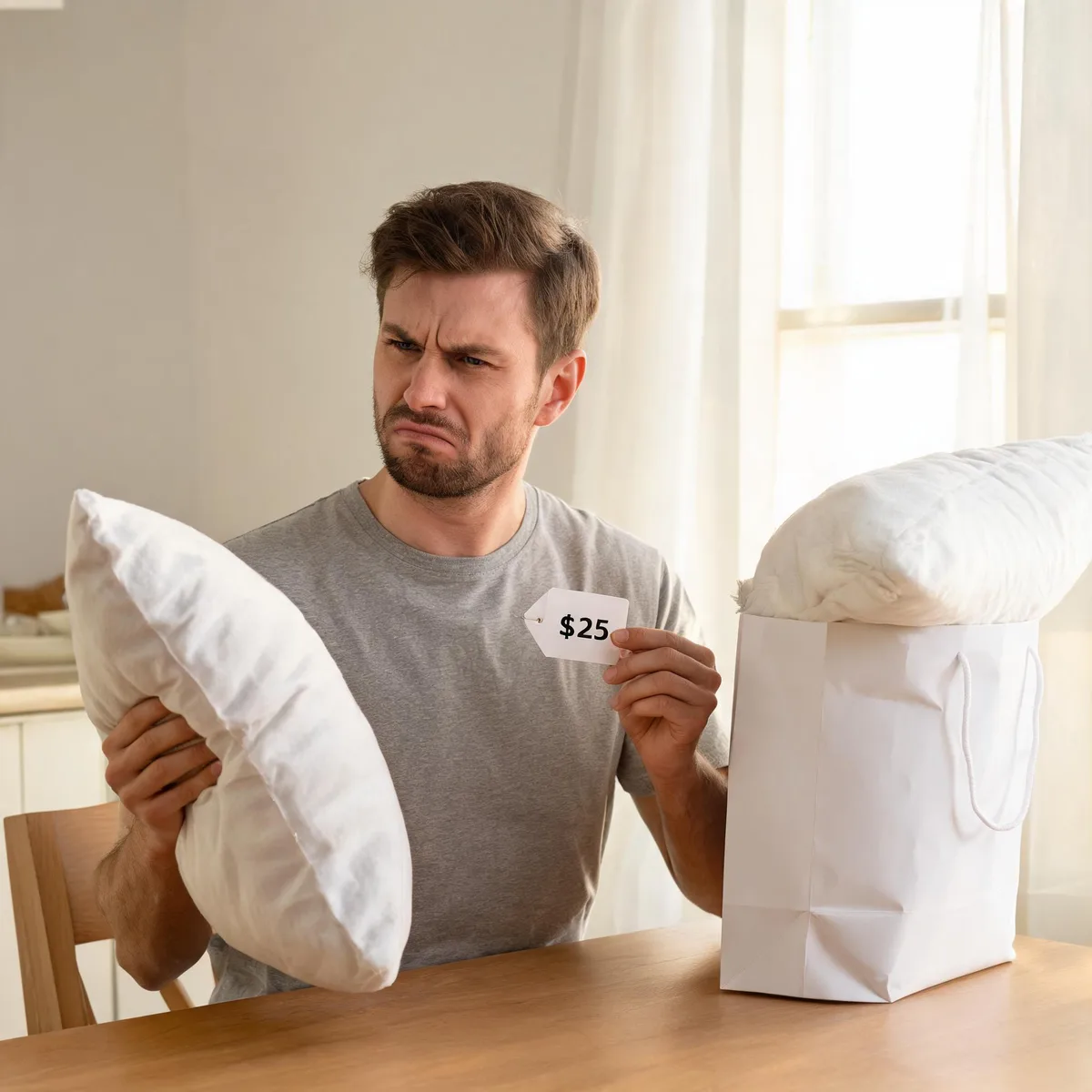
- User negative review: “As thin as paper, not absorbent at all, terrible quality” Lesson summary: Do not only rely on the fluffy effect in promotional images when purchasing. Pay attention to fabric thickness parameters: overly thin fabrics are almost always low-count recycled materials with extremely poor durability.
- User negative review: “The bright pink print was nothing like the promotional image when I opened the box, it faded after one wash and stained my sofa cover” Lesson summary: Check the printing process description when purchasing. Inferior paint printing not only peels off easily, but also may fade and bleed, staining other home textiles.
Related Deep Analysis in This Category
- Insufficient Support & Poor Comfort — 32% of complaints relate to this
- Low Value for Money — 15% of complaints relate to this
- Misleading Advertisement & Wrong Item — 22% of complaints relate to this
🛒 Recommended Solution

Bedsure Travel Blanket Set with Inflatable Neck Pillow and Eye Mask - Lightweight 3-in-1
As an Amazon Associate, I earn from qualifying purchases.
🛠️ Practical How-To Guides
Based on the analysis above, we've prepared actionable daily solutions for you:
Cushion Gets Shabbier With Use? 4 Daily Maintenance Tips to Double Its Service Life
Share precautions for daily use of cushions, reduce unnecessary wear and dirt, reduce washing frequency, and greatly extend the service life of cushions.
Read Full Guide →Cushion Pilling Or Fraying After One Wash? 4 Steps to Pick Durable High-Quality Cushions
Teach you to quickly identify low-quality cushions from three dimensions: fabric material, filling type and sewing technology, and avoid consumption traps such as chemical fiber pretending to be pure cotton and jerry-built workmanship.
Read Full Guide →Cushion Turns Shabby After 2 Washes? 3 Home Cleaning Tips to Keep It In Good Condition
Provide scientific washing, drying and ironing methods for cushions of different materials to solve common damage problems such as fraying, pilling, shedding and color fading after washing.
Read Full Guide →New Cushion Frayed After A Few Uses? 3 Steps to Check Defects Upon Receipt And Return Unqualified Products
Teach you to quickly check unqualified products from the dimensions of overlock accuracy, sewing technology and color fastness test after receiving the cushion, so as to avoid wasting money on defective products.
Read Full Guide →Kitchen Utensils Not Durable? 4 Daily Use & Maintenance Tips to Resist High Temperature, Acid & Alkali and Dishwasher Environment
For high-temperature cooking, acid and alkali food contact, dishwasher cleaning and other scenarios, teach you to use and maintain utensils correctly, greatly extend the service life
Read Full Guide →Stainless Steel Utensils Rust in 2 Months? 3 Steps to Pick Genuine Food Grade Pieces That Last 5+ Years
Teach you to quickly identify stainless steel utensils made of fake inferior materials, avoid cut corners of small manufacturers, and choose durable, rust-resistant reliable products
Read Full Guide →Utensil Handles Fall Off After A Few Uses? 3 Inspection Tips to Filter Out Poor Craftsmanship Products Right After Unboxing
Teach you to judge the assembly quality of utensils from the dimensions of bonding and splicing strength, and filter out products with substandard craftsmanship in advance
Read Full Guide →Worried About Toxic Melting Silicone Spatulas? 4 Selection Tips for No Leaching Even Under High Heat Stir-fry
Disassemble the cut corners routine of inferior silicone utensils, teach you to choose temperature-standard silicone utensils that are safe for dishwashers
Read Full Guide →