
Best Pressure Cooker 2026 — Buying Guide
We analyzed 56140 verified reviews across 3250 products in Pressure Cooker to find the top picks.
- 🏆 Top-rated products ranked by real user satisfaction, not just star ratings
- ⚠️ Common defects and complaints so you know what to avoid
- 💰 Price-to-performance picks for every budget
- 📋 FAQ section answers the most common buyer questions
Pressure Cooker Buying Guide
Buying Tips
- Size & Capacity: Match the quart size to your household needs and counter space. A 2–3-quart model works for 1–2 people or small side dishes, 6-quart (the most popular size) fits 3–5 people for regular family meals, and 8+ quart options are ideal for large families, batch meal prep, or hosting. Always measure your under-cabinet or counter space before purchasing to avoid fit issues.
- Safety Features: Prioritize models with third-party tested safety components, especially if you’re a first-time user. Key features to look for include a locking lid that won’t open under pressure, multiple pressure release valves, overheat protection, and automatic shutoff for electric models. All modern pressure cookers sold on Amazon meet basic safety standards, but premium models offer extra layers of protection for added peace of mind.
- Type & Functionality: Choose between stovetop and electric models based on your cooking style. Stovetop pressure cookers heat faster, work on all cooktops (including induction), and give you more manual control over pressure levels, making them a favorite for experienced home cooks. Electric pressure cookers are set-it-and-forget-it, with pre-programmed settings for rice, yogurt, slow cooking, and steaming, perfect for busy households.
- Construction Material: Opt for food-grade stainless steel for long-term durability, as it’s non-reactive with acidic foods (like tomato sauce or citrus marinades) and resists scratches and staining. Aluminum models are lighter and more affordable, but may react with acidic ingredients and wear out faster. If you prefer a non-stick interior, look for PFOA-free coatings that are dishwasher safe for easy cleanup.
2026 Trends
- Smart Connected Pressure Cookers: More brands are rolling out Wi-Fi and Bluetooth-enabled models that sync with mobile apps to suggest custom recipes, track cooking progress, send push notifications when meals are done, and integrate with smart home systems like Alexa or Google Assistant for voice control. This trend caters to busy shoppers who want to monitor their cooking remotely.
- All-in-One Multi-Cooking Functionality: Standalone pressure cookers are being replaced by hybrid models that combine pressure cooking with air frying, sous vide, fermentation, bread proofing, and even cold brewing capabilities. This space-saving design is a top priority for shoppers with small kitchens who want to replace multiple countertop appliances with one device.
- Sustainability-Focused Designs: Manufacturers are prioritizing energy-efficient operation (using up to 70% less energy than traditional oven or stovetop cooking) and eco-friendly materials, including BPA-free, recyclable construction, and zero-waste packaging. Many new models also feature modular, replaceable parts (like gaskets and control panels) to extend the appliance’s lifespan and reduce e-waste.
FAQ
Q: Are electric pressure cookers safer than stovetop pressure cookers?
A: All modern pressure cookers sold on Amazon meet strict safety standards, so both options are safe for home use. Electric models have more automated safety features (like auto shutoff and pressure locking) that make them ideal for first-time users, while stovetop models require a bit more manual monitoring but are extremely durable with proper care. Always follow the manufacturer’s instructions for pressure release to avoid injury.
Q: Can I cook frozen meat or vegetables directly in a pressure cooker?
A: Yes, one of the biggest benefits of pressure cookers is their ability to safely cook frozen ingredients without pre-thawing. Add 10–15% extra cooking time to account for the frozen temperature, and make sure you have enough liquid (at least 1 cup for most models) to build proper pressure. For large frozen roasts or thick cuts, we recommend splitting them into smaller pieces to ensure even cooking.
Q: How long do pressure cookers typically last?
A: A high-quality stainless steel stovetop pressure cooker can last 10+ years with regular maintenance, including replacing the silicone gasket and pressure valves every 1–2 years to maintain a proper seal. Electric pressure cookers have a slightly shorter average lifespan of 5–8 years, as the internal heating elements and electronic components wear out over time with regular use.
🏆 Top Picks
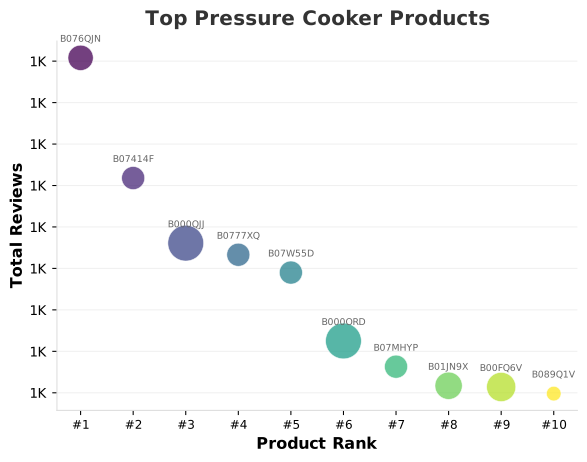
Figure: Top 10 products by review count and data history.
Top Pressure Cooker Pick #1
- ASIN: B076QJNK8G
- Reviews: 1,408
Top Pressure Cooker Pick #2
- ASIN: B07414FZLW
- Reviews: 1,118
Top Pressure Cooker Pick #3
- ASIN: B000QJJ9NY
- Reviews: 961
Top Pressure Cooker Pick #4
- ASIN: B0777XQ4S8
- Reviews: 933
Top Pressure Cooker Pick #5
- ASIN: B07W55DDFB
- Reviews: 890
This guide is AI-generated based on 56,140 verified user reviews, updated weekly.