Bakeware Glossary of Terms
This page is the glossary of Bakeware terms — product types, materials, and buying concepts. It covers 20 terms, each with a short definition, some quoting Wikipedia (CC BY-SA), and a high-quality seller image where available. Scroll to browse the term cards.

Baking Mat
ProductA reusable, heat-resistant mat placed on baking sheets to prevent sticking and promote even browning. It eliminates the need for parchment paper or greasing the pan, making cleanup effortless.

Cake Mold
ProductA shaped pan or form used to bake cakes, providing structural support and defining the final shape of your dessert. Available in various shapes like round, square, or bundt, they are essential for achieving professional-looking bakes.

Baking Cups
ProductSmall, cup-shaped liners used for baking muffins, cupcakes, and individual portions. They prevent batter from sticking to the pan and make it easy to remove and serve your baked goods without mess.

Parchment Paper
ProductA heat-resistant, non-stick paper used to line baking sheets and pans to prevent food from sticking. It is an essential disposable baking supply that ensures easy cleanup and helps cookies and pastries bake evenly without burning on the bottom.

Banneton
ProductA proofing basket, typically made of rattan or cane, used to support bread dough during its final rise. It helps the dough maintain its shape and creates beautiful, artisanal flour rings on the crust.

Ceramic Baking Dish
ProductA heavy, oven-safe dish ideal for baking casseroles, gratins, and roasted vegetables. It retains heat exceptionally well, keeping your food warm long after it comes out of the oven, and often features an attractive glaze for oven-to-table serving.

Cookie Cutter
ProductA shaped metal or plastic tool used to cut cookie dough or fondant into specific shapes before baking. They are perfect for holiday baking, themed parties, and creating uniform, fun treats with minimal effort.

Cast Iron Casserole
ProductA heavy-duty, enameled or bare cast iron pot designed for slow baking, braising, and roasting in the oven. Its superior heat retention and even heating make it perfect for artisan breads, deep-dish pies, and hearty casseroles.
Silicone
MaterialA flexible, heat-resistant synthetic material widely used for baking mats, molds, and spatulas. It offers excellent non-stick properties without the need for chemical coatings, making it incredibly easy to clean and safe for high oven temperatures.

Carbon Steel
MaterialA durable, lightweight metal alloy favored by professionals for baking sheets and baguette pans due to its rapid and even heat distribution. It requires seasoning to maintain its natural non-stick surface and prevent rust.
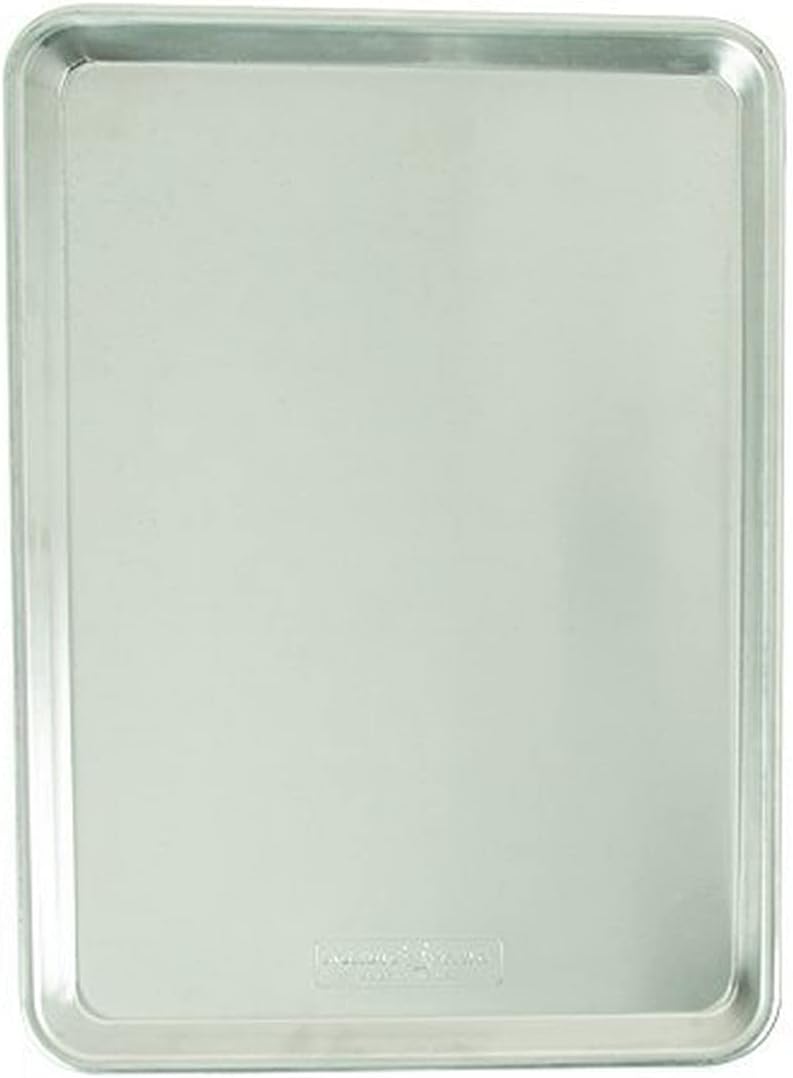
Aluminum
MaterialA highly conductive, lightweight metal that is the industry standard for commercial baking pans and sheets. It heats up quickly and evenly, preventing hot spots and ensuring your cookies and cakes bake perfectly every time.

Nonstick
MaterialA specialized coating applied to metal bakeware to prevent food from sticking, allowing for easy release and minimal cleanup. It is ideal for delicate baked goods like cakes and pastries, though it requires using silicone or wooden utensils to avoid scratching.

Stoneware
MaterialA dense, vitrified ceramic material that excels at absorbing and retaining heat for consistent baking results. It is highly durable, resists thermal shock, and develops a natural non-stick patina over time with regular use.

Glass
MaterialA non-reactive, transparent baking material that allows you to monitor the browning of your crusts and edges. It heats up slower than metal but retains heat well, making it excellent for pies, casseroles, and acidic dishes.

Seasoning
ConceptThe process of baking oil into the pores of bare cast iron or carbon steel bakeware to create a natural, rust-proof, non-stick surface. Regular seasoning extends the lifespan of your pans and improves their release properties with every use.
Thermal Conductivity
ConceptA material's ability to transfer heat, which directly impacts how evenly and quickly your baked goods cook. High conductivity metals like aluminum prevent hot spots, while lower conductivity materials like glass provide gentle, steady heat.
Oven Safe
ConceptA designation indicating that a piece of bakeware or its components can withstand high oven temperatures without melting, warping, or releasing toxic fumes. Always check the manufacturer's maximum temperature rating, especially for items with silicone handles or nonstick coatings.
Warping Resistance
ConceptThe ability of a baking sheet or pan to maintain its flat shape when exposed to rapid temperature changes or high heat. Thicker gauge metals and reinforced rolled edges are key features to look for to prevent your pans from bending and spilling hot food.
Even Heating
ConceptThe consistent distribution of heat across the entire surface of the bakeware, ensuring no part of your food burns or remains undercooked. Materials like heavy-gauge aluminum and carbon steel are prized for providing this crucial baking performance.
Release Agent
ConceptA substance like butter, oil, or baking spray applied to the inside of a mold or pan to prevent baked goods from sticking. Using the right release agent ensures your cakes and breads slide out perfectly intact, preserving their decorative shapes.