Cookware Glossary of Terms
This page is the glossary of Cookware terms — product types, materials, and buying concepts. It covers 20 terms, each with a short definition, some quoting Wikipedia (CC BY-SA), and a high-quality seller image where available. Scroll to browse the term cards.

Dutch Oven
ProductA heavy-duty pot with thick walls and a tight-fitting lid, ideal for slow-cooking, braising, and baking. Its excellent heat retention makes it perfect for tenderizing tough cuts of meat and baking artisan bread at home.

Wok
ProductA versatile, round-bottomed cooking pan originating from China, designed for high-heat stir-frying, steaming, and deep-frying. The sloping sides allow food to be tossed easily while keeping ingredients concentrated at the hot center.

Cast Iron Skillet
ProductA durable, heavy frying pan known for its exceptional heat retention and ability to develop a natural nonstick surface over time. It is perfect for searing steaks, baking cornbread, and transitioning seamlessly from stovetop to oven.

Nonstick Frying Pan
ProductA lightweight pan coated with a specialized surface that prevents food from sticking, allowing for easy cooking and cleanup with minimal oil. It is an essential tool for delicate foods like eggs, fish, and pancakes.

Stainless Steel Pot
ProductA highly durable and non-reactive stock pot that resists rust, stains, and corrosion, making it ideal for boiling, simmering, and making acidic sauces. Look for models with an aluminum or copper core to ensure even heat distribution.

Saute Pan
ProductA pan featuring straight, relatively high sides and a wide flat bottom, designed to hold more liquid and volume than a standard skillet. It is excellent for sautéing, shallow frying, and making pan sauces without spilling.

Electric Hot Pot
ProductA self-contained, plug-in cooking vessel with built-in heating elements, designed specifically for simmering broths and cooking ingredients at the dining table. It eliminates the need for a portable gas stove and offers adjustable temperature controls for a safe, interactive meal.
Cast Iron
MaterialA heavy, durable metal alloy prized for its superior heat retention and ability to withstand extremely high cooking temperatures. When properly seasoned, it develops a natural nonstick patina that improves with every use.

Stainless Steel
MaterialA robust, non-reactive metal alloy that resists rust and won't alter the flavor of acidic foods like tomatoes or wine. Because it is a poor heat conductor on its own, high-quality cookware bonds it with an aluminum or copper core for even heating.
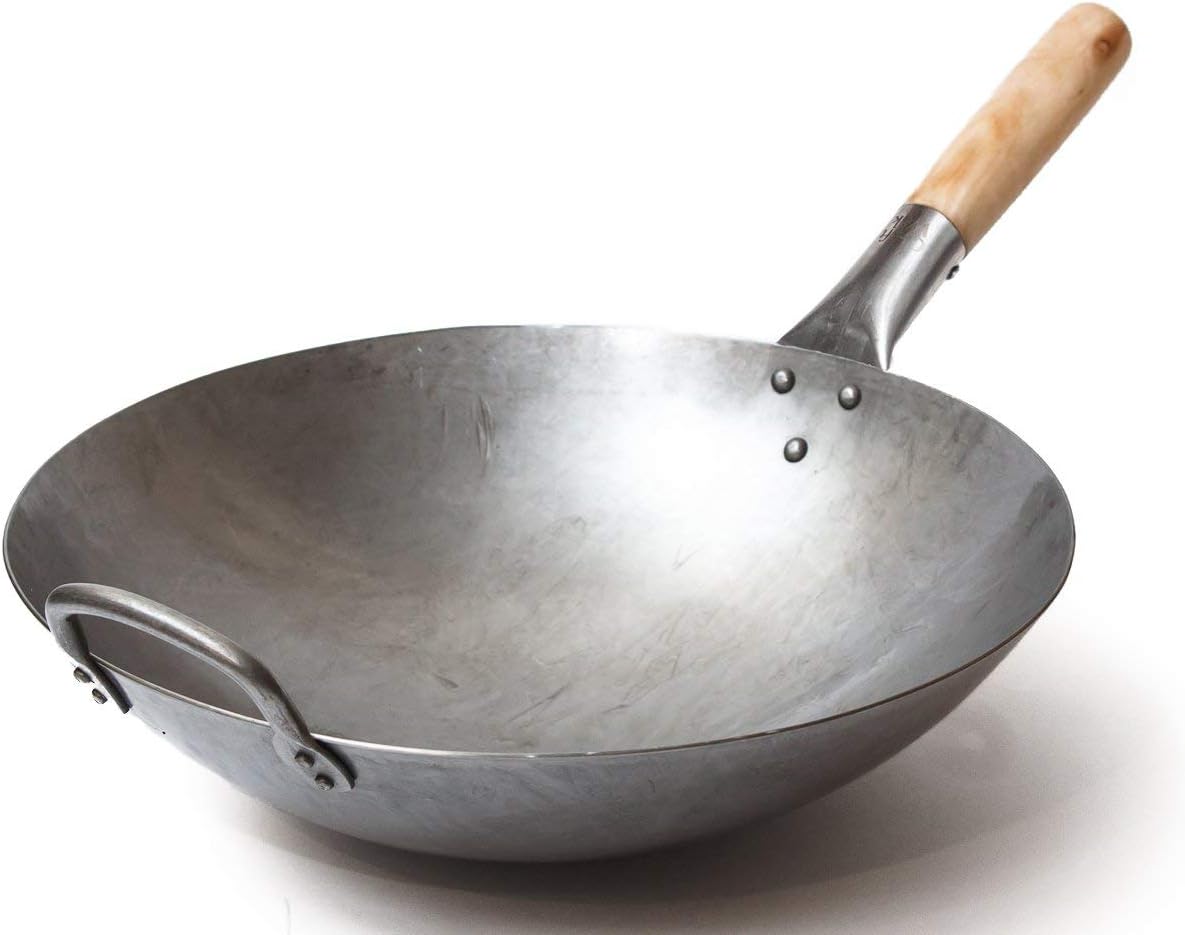
Carbon Steel
MaterialA lightweight yet durable metal that heats up faster than cast iron while offering similar high-heat searing capabilities and natural nonstick properties. It is the traditional material of choice for professional woks and French crepe pans.

Ceramic
MaterialA non-toxic, naturally nonstick coating derived from sand that is free of PTFE and PFOA, offering an eco-friendly alternative to traditional synthetics. While excellent for low-to-medium heat cooking, it requires gentle utensils to prevent scratching the surface.

Copper
MaterialA premium metal renowned for its unmatched thermal conductivity, allowing for precise and instantaneous temperature control. It is typically lined with stainless steel or tin to prevent the metal from reacting with acidic foods.

Enamel
MaterialA glass-like coating fused to metal at high temperatures, providing a colorful, non-reactive, and easy-to-clean surface that requires no seasoning. It protects the underlying cast iron from rust and prevents metallic flavors from leaching into your food.
Seasoning
ConceptThe process of baking oil into the porous surface of bare cast iron or carbon steel to create a natural, rust-resistant nonstick layer. Regular maintenance of this patina is essential for extending the lifespan and performance of uncoated cookware.
Thermal Conductivity
ConceptA material's ability to transfer heat quickly and evenly across the cooking surface, which is crucial for preventing hot spots and burning food. Copper and aluminum excel in this area, while stainless steel often requires a bonded core to achieve optimal conductivity.
Induction Compatibility
ConceptThe ability of a pot or pan to work on an induction cooktop, which requires a magnetic base like cast iron or magnetic stainless steel. Shoppers should look for the induction-ready symbol or a flat, magnetic bottom when buying for these specific stoves.
PFOA-Free
ConceptA safety designation indicating that a nonstick coating was manufactured without perfluorooctanoic acid, a chemical linked to environmental and health concerns. Modern reputable nonstick cookware is universally PFOA-free, giving home cooks peace of mind.
Heat Retention
ConceptThe capacity of a cooking vessel to hold onto heat after it has been absorbed, ensuring a consistent temperature even when cold ingredients are added. Heavy materials like cast iron and thick ceramics offer superior heat retention for perfect searing and slow braising.
Clad Construction
ConceptA manufacturing technique where layers of different metals, such as an aluminum core sandwiched between stainless steel, are bonded together under high pressure. This design combines the durability and non-reactivity of steel with the superior heat distribution of aluminum.
Warp Resistance
ConceptA pan's ability to maintain its flat shape without buckling when exposed to rapid temperature changes or high heat. Thicker gauge metals and multi-ply constructions provide better warp resistance, ensuring the pan sits evenly on flat glass or induction cooktops.