Dining Ware Glossary of Terms
This page is the glossary of Dining Ware terms — product types, materials, and buying concepts. It covers 18 terms, each with a short definition, some quoting Wikipedia (CC BY-SA), and a high-quality seller image where available. Scroll to browse the term cards.

Dinnerware
ProductPlates, bowls, and serving dishes used for setting a table and serving food. Shoppers should consider the number of place settings and overall style to match their dining room decor.

Dish Drying Rack
ProductA countertop or over-the-sink organizer designed to hold wet dishes, glasses, and utensils while they air dry. Look for rust-resistant materials and adequate drainage to keep your sink area clean.
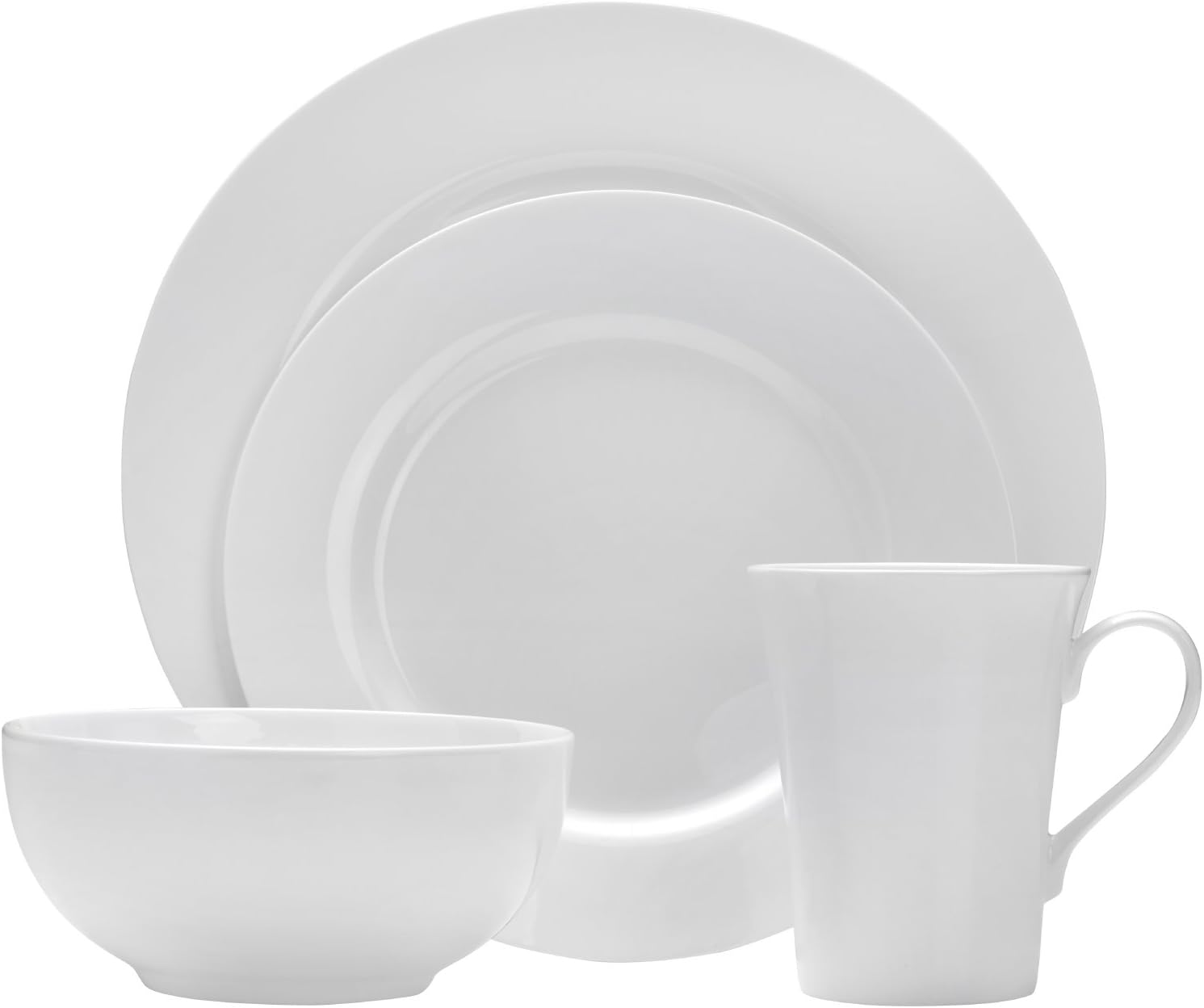
Bone China Dinnerware
ProductA premium type of porcelain made with bone ash, known for its high translucency, delicate appearance, and surprising strength. It is an excellent choice for formal dining and special occasions.

Silverware
ProductKnives, forks, and spoons traditionally made of silver or modern stainless steel used for eating and serving. Buyers often look for ergonomic handles and a polished finish that resists tarnishing.

Bowls
ProductDeep, round dishes used for serving soups, cereals, salads, and pasta. When shopping, consider the capacity, depth, and whether they are stackable for easy cabinet storage.

Cup and Saucer Set
ProductA matching teacup and small plate combination designed for serving hot beverages like tea or coffee. These sets make elegant gifts and elevate the traditional afternoon tea experience.

Ceramic
MaterialA versatile, non-metallic material made by shaping and firing clay at high temperatures. It is highly popular for dinnerware due to its heat retention, durability, and wide variety of glazes.

Stoneware
MaterialA dense, opaque ceramic fired at high temperatures to make it highly durable and chip-resistant. It is ideal for everyday use and often features a rustic, artisanal aesthetic.
Stainless Steel
MaterialA robust, rust-resistant metal alloy widely used for cutlery, drinkware, and kitchen organizers. Shoppers love it for its sleek modern look, ease of cleaning, and long-lasting durability.

Wood
MaterialA natural, renewable material often used for serving boards, salad bowls, and utensil handles. It adds a warm, organic touch to the dining table but requires occasional oiling to prevent cracking.

Glass
MaterialA transparent, non-porous material commonly used for drinkware, baking dishes, and food storage. It is prized for its ability to showcase food and beverages while being easy to sanitize.

Enamel
MaterialA glassy coating fused to metal or ceramic surfaces to create a smooth, colorful, and non-reactive finish. Enamelware is beloved for its vintage charm and excellent heat distribution.
Dishwasher Safe
ConceptAn indicator that the item can withstand the high heat and harsh detergents of a dishwasher without warping, fading, or cracking. This feature is essential for buyers seeking convenient, low-maintenance everyday dinnerware.
Microwave Safe
ConceptA certification meaning the dish will not melt, spark, or release harmful chemicals when heated in a microwave. Always check for this label when buying bowls and plates for quick meal reheating.
Chip-Resistant
ConceptA design or material quality that prevents the edges of plates and bowls from easily breaking or chipping during normal use and washing. Highly recommended for busy households and commercial dining settings.
Lead-Free
ConceptA crucial safety standard ensuring that the glazes and paints used on dinnerware contain no toxic lead or cadmium. Shoppers should always verify this certification to ensure food safety, especially for acidic foods.
Place Setting
ConceptA coordinated collection of dishes, typically including a dinner plate, salad plate, bowl, and mug, designed for one person. Buying in sets of four or eight is a cost-effective way to furnish a new kitchen.
Thermal Shock Resistance
ConceptThe ability of a material, like borosilicate glass or high-fired ceramic, to withstand rapid temperature changes without cracking. This is a vital feature for bakeware and bowls that move directly from the fridge to the oven.