Kitchen Utensils Glossary of Terms
This page is the glossary of Kitchen Utensils terms — product types, materials, and buying concepts. It covers 20 terms, each with a short definition, some quoting Wikipedia (CC BY-SA), and a high-quality seller image where available. Scroll to browse the term cards.

Kitchen Utensils Set
ProductA comprehensive collection of essential cooking tools designed to equip a new kitchen or upgrade an existing one. These sets typically include spatulas, ladles, and whisks, offering a cohesive look and cost-effective solution for everyday meal preparation.

Silicone Cooking Utensils
ProductFlexible and heat-resistant kitchen tools made from food-grade silicone that won't scratch nonstick cookware. They are highly durable, easy to clean, and available in a variety of vibrant colors to match your kitchen decor.

Wooden Cooking Utensils
ProductClassic, eco-friendly kitchen tools crafted from natural wood or bamboo that are gentle on delicate cookware surfaces. They do not conduct heat, keeping handles cool to the touch, and add a warm, rustic aesthetic to your culinary space.

Kitchen Utensil Holder
ProductA countertop or wall-mounted organizer designed to keep frequently used cooking tools within easy reach while freeing up drawer space. Available in materials like ceramic, stainless steel, or wood, it helps maintain a tidy and efficient kitchen workspace.
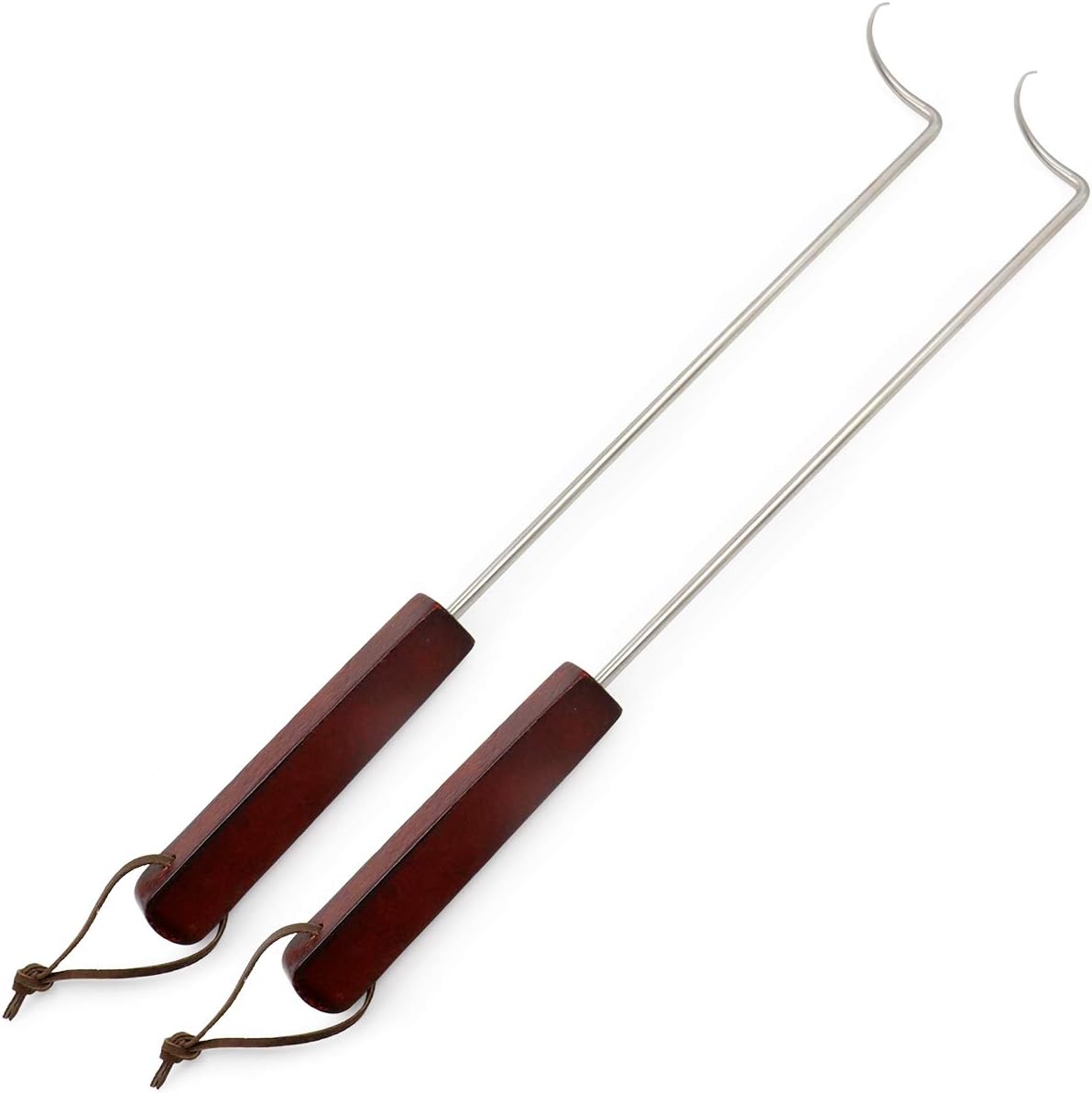
BBQ Tool
ProductHeavy-duty, long-handled instruments specifically designed for grilling and barbecuing outdoors safely. Essential items include tongs, spatulas, and grill brushes that withstand high heat and provide excellent control over your food.

Pot and Pan Organizer
ProductA specialized storage rack that neatly stacks or files your cookware to prevent scratching and maximize cabinet space. Adjustable dividers allow you to customize the compartments for various sizes of pots, pans, and lids.

Stainless Steel Cookware
ProductHighly durable pots and pans that resist rust, corrosion, and staining, making them a staple in both home and professional kitchens. They offer excellent heat distribution when paired with an aluminum or copper core and are generally oven and dishwasher safe.

Stainless Steel
MaterialA robust, rust-resistant metal alloy widely used in kitchen tools and cookware for its longevity and sleek appearance. It is non-reactive with acidic foods, ensuring that your meals retain their pure flavor without metallic leaching.

Silicone
MaterialA synthetic, food-safe polymer known for its exceptional heat resistance and flexibility in kitchen utensils. It is non-toxic, stain-resistant, and gentle on nonstick cookware surfaces, making it a modern favorite for spatulas and baking mats.

Cast Iron
MaterialA heavy, incredibly durable material that excels at heat retention and even heating, perfect for searing, frying, and baking. With proper care and seasoning, cast iron cookware develops a natural nonstick patina that improves over time.

Wood
MaterialA natural, renewable material favored for cutting boards, spoons, and handles due to its gentle touch on cookware and aesthetic warmth. It requires occasional oiling to prevent cracking and warping, but offers a classic, timeless appeal in the kitchen.

Carbon Steel
MaterialA lightweight yet highly durable metal that heats up quickly and responds rapidly to temperature changes, making it a favorite for woks and frying pans. Like cast iron, it requires seasoning to build a natural nonstick surface and prevent rust.

Nylon
MaterialA hard, heat-resistant plastic commonly used for affordable, lightweight kitchen utensils like slotted spoons and turners. It is safe for nonstick cookware and dishwasher safe, though it can melt if left resting against the edge of a hot pan.

Induction Compatibility
ConceptThe ability of cookware to work on an induction cooktop, which requires a magnetic base like cast iron or magnetic stainless steel. Shoppers should look for the induction-ready symbol or a magnet test to ensure their pots and pans will heat properly.
Thermal Conductivity
ConceptA measure of how efficiently a cookware material transfers heat from the burner to the food. Materials like copper and aluminum offer high conductivity for precise temperature control, while cast iron provides slower, more even heat retention.
Seasoning
ConceptThe process of baking oil into the porous surface of cast iron or carbon steel cookware to create a natural, rust-preventing nonstick layer. Regular seasoning maintains the pan's performance and extends its lifespan significantly.
Nonstick Coating
ConceptA specialized surface treatment, often PTFE or ceramic, applied to cookware to prevent food from sticking and allow for low-fat cooking. To preserve the coating, users should avoid metal utensils and high-heat preheating.
Heat Resistance
ConceptThe maximum temperature a kitchen utensil or handle can withstand without melting, warping, or degrading. High heat resistance is crucial for tools used in frying, baking, or grilling to ensure safety and durability.
Ergonomic Handle
ConceptA handle designed to fit the natural grip of the human hand, reducing fatigue and strain during prolonged cooking tasks. Features often include soft-grip materials, contoured shapes, and non-slip textures for enhanced safety and comfort.
Dishwasher Safe
ConceptA label indicating that a kitchen item can withstand the high heat and harsh detergents of a dishwasher cycle without damage. While convenient, items like wooden utensils, sharp knives, and cast iron should still be hand-washed to preserve their quality.