Knife Tools Glossary of Terms
This page is the glossary of Knife Tools terms — product types, materials, and buying concepts. It covers 20 terms, each with a short definition, some quoting Wikipedia (CC BY-SA), and a high-quality seller image where available. Scroll to browse the term cards.

Knife Set
ProductA curated collection of essential kitchen knives, often including a chef's knife, paring knife, and bread knife, sometimes packaged with a storage block. It provides home cooks with a versatile and matching toolkit for all basic food preparation tasks.
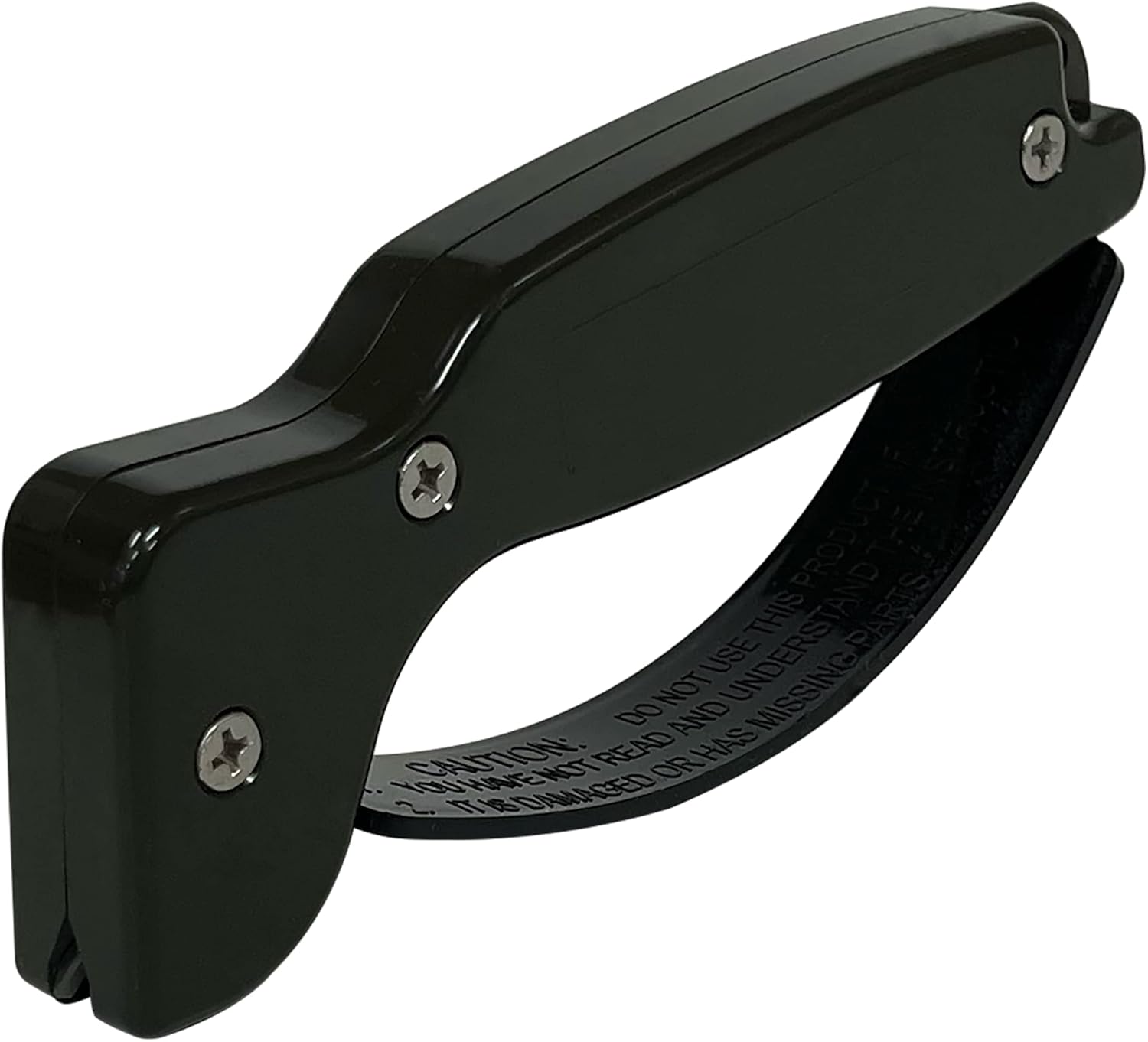
Knife Sharpener
ProductA tool designed to restore the sharp edge of a dull blade by removing a small amount of metal or realigning the edge. Available in manual pull-through, whetstone, or electric styles to maintain optimal cutting performance and safety.

Steak Knives
ProductTable knives featuring a sharp, often serrated edge specifically designed to slice through cooked meats with ease. They are an essential dining accessory for steakhouses and home dinner parties, ensuring clean cuts without tearing the meat.

Ceramic Knife Set
ProductA collection of lightweight, ultra-hard blades made from zirconium oxide that stay sharp significantly longer than traditional steel. They are completely rust-proof and will not transfer metallic tastes or odors to acidic foods like fruits and tomatoes.
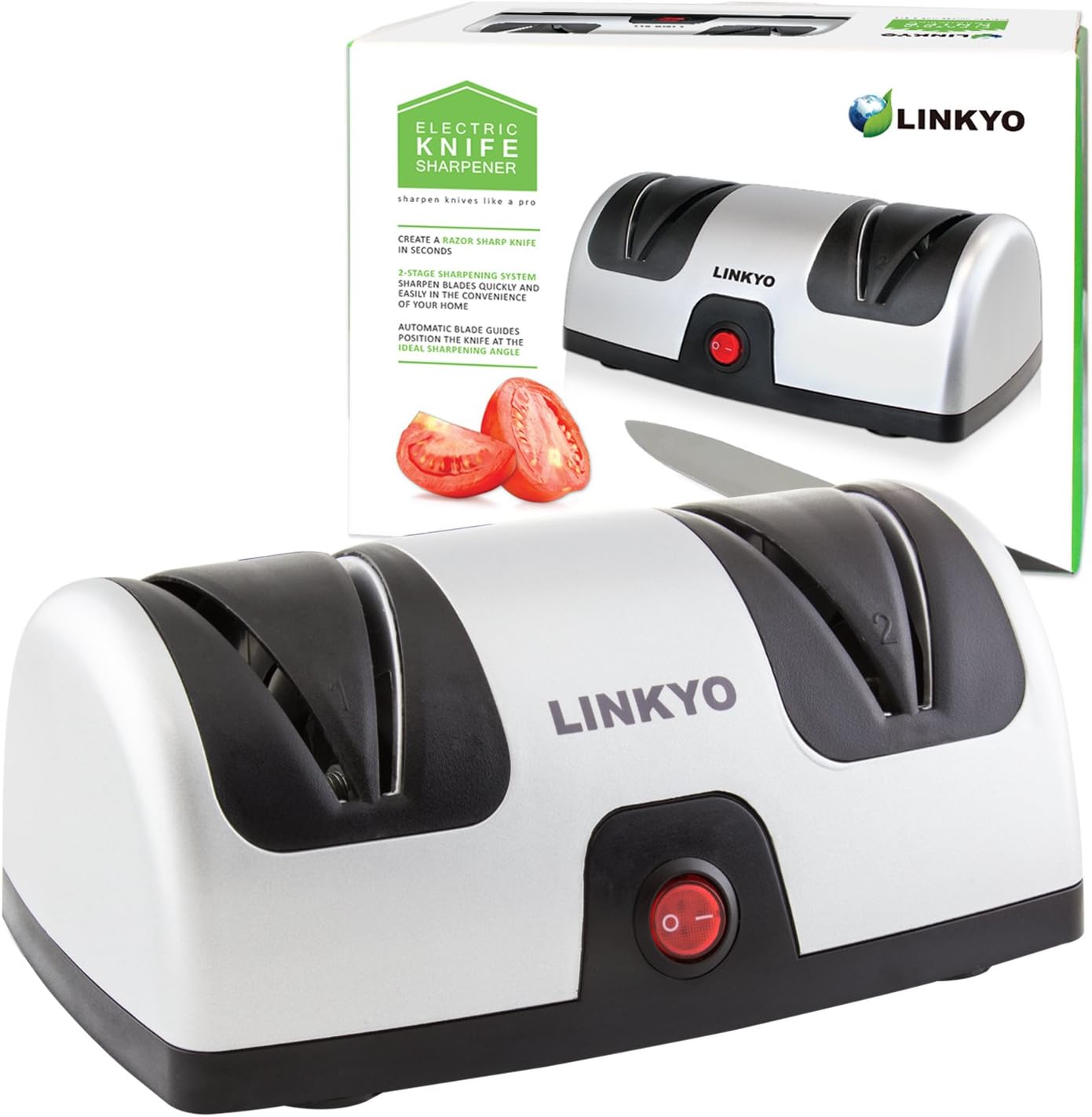
Electric Knife Sharpener
ProductA motorized sharpening device that uses abrasive wheels or belts to quickly and consistently restore a blade's edge with minimal user effort. It is ideal for busy kitchens that require frequent, precise sharpening of multiple knives.

Cheese Board and Knife Set
ProductA specialized entertaining set that pairs a wooden or slate serving board with an assortment of knives designed for slicing, spreading, and serving different types of cheese. It makes an excellent gift for hosts and elevates the presentation of charcuterie spreads.

Cake Knife Set
ProductA specialized serving set typically comprising a long, slender slicing knife and a matching server or spatula for transferring pieces to plates. Often featuring decorative handles, it is a traditional centerpiece for wedding receptions and birthday celebrations.

Children's Flatware Set
ProductScaled-down, ergonomically designed utensils tailored for small hands, featuring rounded, safe edges and blunt knives. These sets encourage independent eating habits and motor skill development in toddlers and young children.

Stainless Steel
MaterialAn iron alloy containing chromium that provides excellent resistance to rust, staining, and corrosion, making it the most popular and low-maintenance choice for kitchen knives and flatware. It offers a great balance of durability, edge retention, and affordability for everyday use.

Carbon Steel
MaterialA high-carbon iron alloy favored by professional chefs for its exceptional sharpness, ease of sharpening, and superior edge retention compared to standard stainless steel. It requires careful maintenance to prevent rust and will develop a natural, protective patina over time.
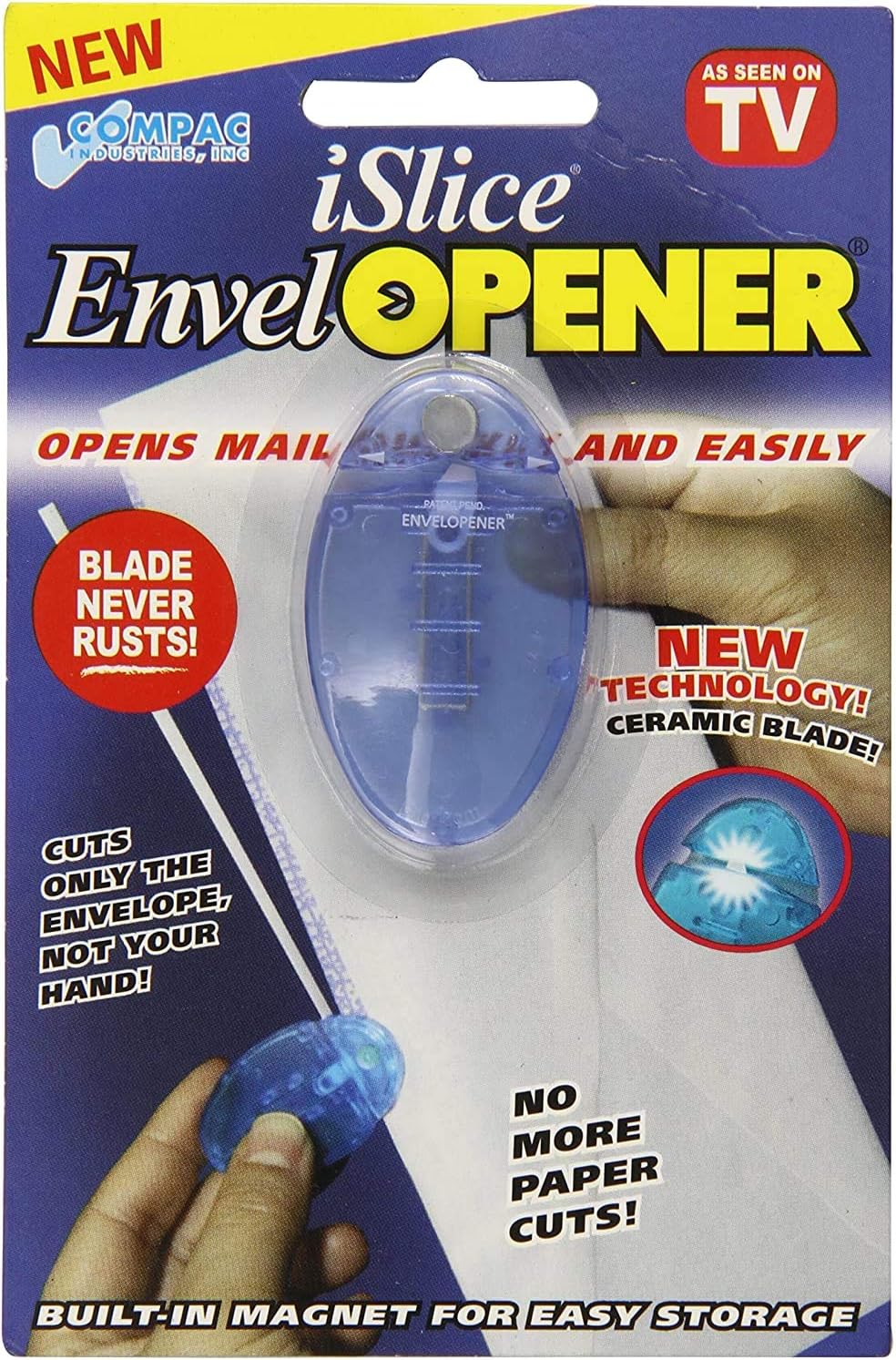
Ceramic
MaterialA non-metallic, ultra-hard material made from zirconium oxide that is incredibly lightweight and completely impervious to rust and acidic foods. While it holds an edge longer than steel, it is brittle and requires diamond sharpeners or professional servicing when it eventually dulls.

Wood
MaterialA classic, warm material frequently used for knife handles, cutting boards, and presentation blocks due to its natural grip and aesthetic appeal. Proper care, such as occasional oiling, is required to prevent the wood from drying out, cracking, or harboring bacteria.

Alloy Steel
MaterialSteel blended with additional elements like vanadium, molybdenum, or cobalt to enhance specific properties such as toughness, wear resistance, and edge retention. These premium blades are often found in high-end Japanese and German chef's knives for demanding culinary tasks.

Plastic
MaterialA lightweight, inexpensive, and dishwasher-safe synthetic material often used for budget-friendly knife handles, disposable cutlery, and children's utensils. While highly practical and available in many colors, it lacks the premium feel and long-term durability of wood or metal.
Full Tang
ConceptA knife construction where the metal of the blade extends all the way through the handle to the butt, providing maximum strength, balance, and durability. This is a key indicator of a high-quality, heavy-duty knife designed to withstand rigorous chopping without breaking.
Bolster
ConceptThe thick junction between the handle and the blade that adds weight, improves balance, and acts as a finger guard to prevent slipping onto the sharp edge. A well-designed bolster is a hallmark of forged knives and enhances comfort during prolonged prep work.
Rockwell Hardness
ConceptA standardized scale (HRC) used to measure the hardness of knife steel, which directly impacts edge retention and brittleness. Higher numbers hold a sharper edge longer but are more prone to chipping, while lower numbers are tougher and easier to sharpen.
Serrated Edge
ConceptA blade edge featuring tooth-like grooves that excel at slicing through foods with hard exteriors and soft interiors, such as crusty bread, tomatoes, and citrus. Serrated knives require specialized sharpeners and are essential for preventing crushing or tearing during cuts.
Honing
ConceptThe process of realigning the microscopic teeth of a blade's edge using a honing steel or leather strop, without actually removing metal. Regular honing maintains the knife's sharpness between actual sharpening sessions and ensures smooth, effortless cuts.
Edge Retention
ConceptA measure of how long a knife blade stays sharp under normal use before it requires sharpening or honing. It is heavily influenced by the steel's hardness, carbide structure, and the specific heat treatment applied during manufacturing.