Office Chair Glossary of Terms
This page is the glossary of Office Chair terms — product types, materials, and buying concepts. It covers 18 terms, each with a short definition, some quoting Wikipedia (CC BY-SA), and a high-quality seller image where available. Scroll to browse the term cards.
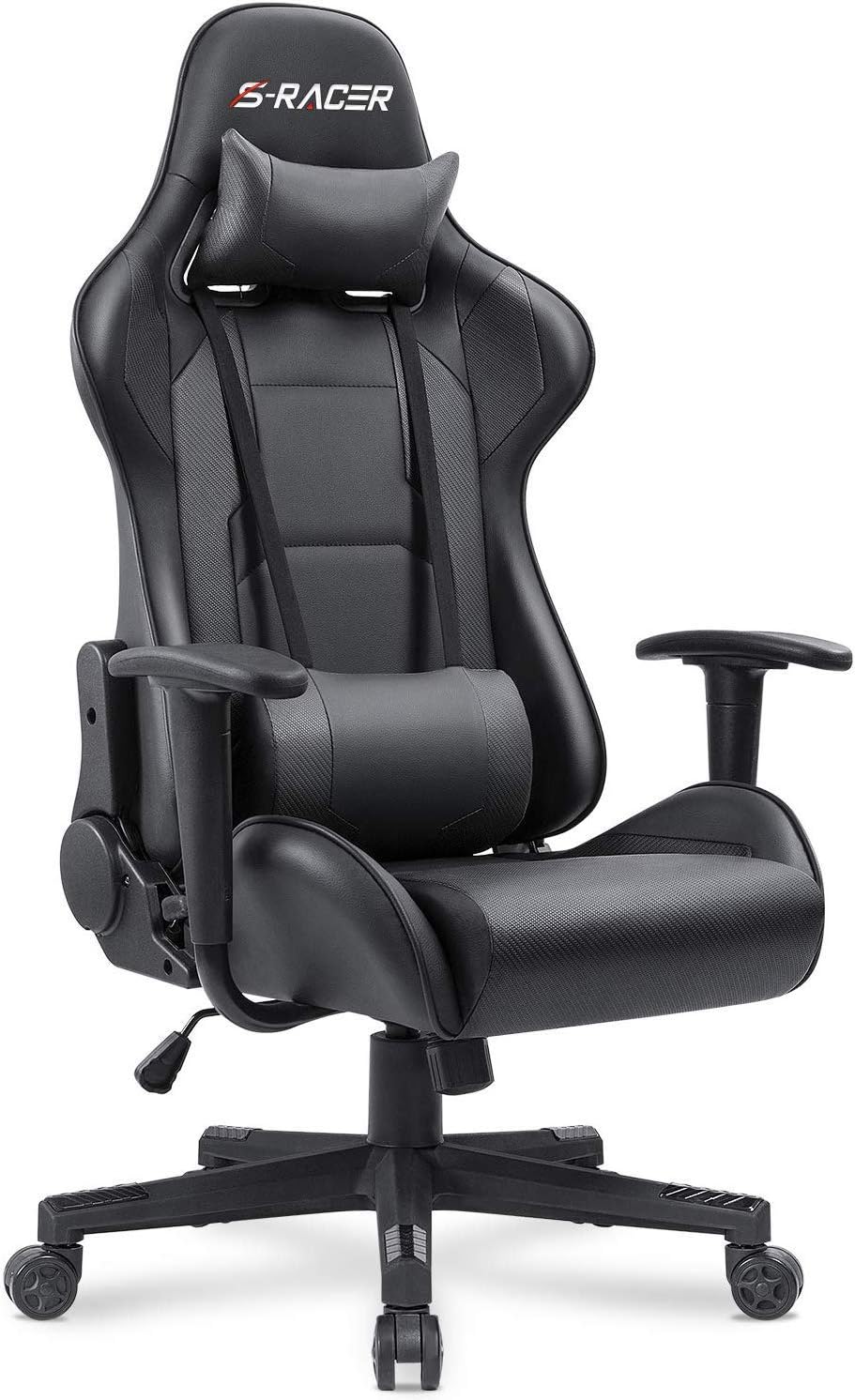
Office Chair
ProductA specialized seat designed for use at a desk, typically featuring adjustable height and a swivel base. It provides essential support for long hours of computer work or studying.

Swivel Chair
ProductA chair with a single central leg or base that allows the seat to rotate 360 degrees. This design lets you easily reach different areas of your workspace without straining your back.

Memory Foam Chair Cushions
ProductAn add-on pad made from viscoelastic foam that contours to your body shape to relieve pressure on the tailbone and hips. It is an excellent upgrade for firm or aging office chairs.

Lumbar Support Pillow
ProductA cushioned attachment designed to fill the gap between your lower back and the chair backrest. It helps maintain the natural curve of your spine and prevents lower back pain during extended sitting.

Office Chair Caster Wheels
ProductReplacement rolling wheels that attach to the base of your chair, allowing for smooth movement across floors. Upgrading to soft polyurethane casters can protect hardwood floors from scratches.

Executive Leather Chair
ProductA high-back, heavily padded office chair upholstered in genuine or faux leather for a premium look. These chairs often feature plush cushioning and a commanding presence suited for managerial offices.

Office Chair Gas Lift Cylinder
ProductThe pneumatic mechanism located beneath the seat that allows you to easily adjust the chair's height with a lever. Replacing a worn-out cylinder is a cost-effective way to fix a sinking chair.

Office Chair Headrest
ProductAn adjustable attachment at the top of the chair back designed to support the cervical spine and head. It reduces neck strain, especially when reclining or taking short breaks at your desk.
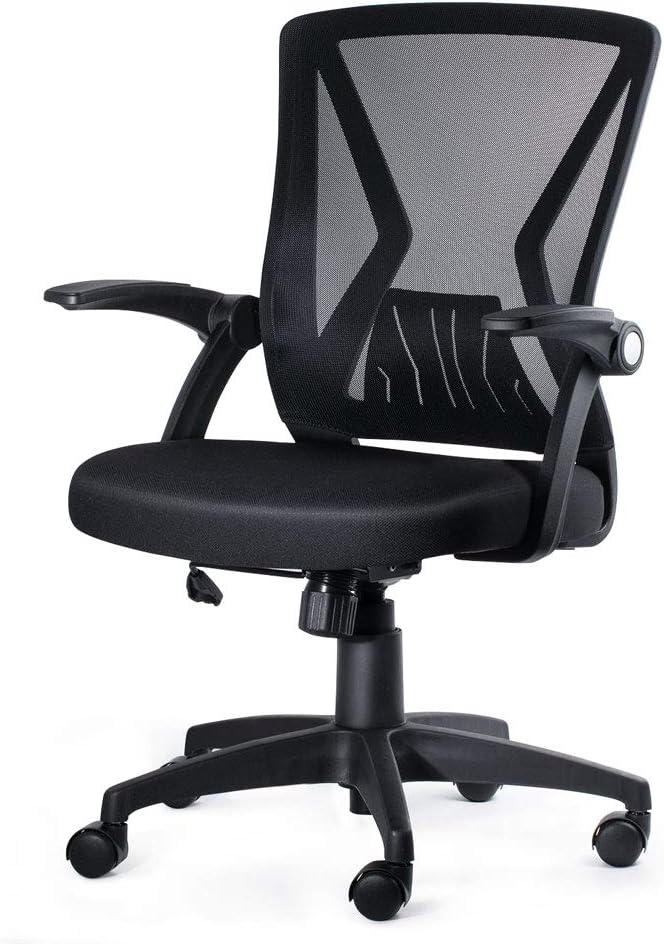
Nylon
MaterialA durable, lightweight synthetic polymer frequently used for office chair bases, mesh backrests, and caster wheels. It offers excellent tensile strength and resistance to daily wear and tear.

Aluminum
MaterialA lightweight, rust-resistant metal often used for premium office chair bases and armrest frames. Polished aluminum provides a sleek, modern aesthetic while maintaining high structural integrity.

Steel
MaterialA strong, heavy-duty metal commonly utilized in the internal frames, gas lift cylinders, and heavy-duty bases of office chairs. It ensures long-lasting stability and high weight capacity for the user.

Plastic
MaterialA versatile, cost-effective material widely used for chair armrests, basic caster wheels, and adjustment levers. High-quality molded plastics provide ergonomic shaping while keeping the overall chair weight manageable.
Ergonomics
ConceptThe applied science of designing furniture to fit the human body's natural posture and movements. An ergonomic office chair minimizes physical stress and reduces the risk of musculoskeletal disorders during long work sessions.
Lumbar Support
ConceptA design feature or adjustable pad that pushes gently against the lower back to maintain the spine's natural inward curve. Proper lumbar support is crucial for preventing slouching and lower back fatigue.
Synchro-Tilt Mechanism
ConceptAn advanced reclining system where the backrest and seat pan tilt at a synchronized ratio, typically 2:1. This keeps your feet flat on the floor and maintains a healthy hip angle while leaning back.
Breathable Mesh
ConceptA tightly woven, flexible fabric used for chair backrests and seats to promote continuous air circulation. It prevents heat and moisture buildup, keeping the user cool during extended periods of sitting.
Weight Capacity
ConceptThe maximum safe load limit that an office chair's frame, base, and gas cylinder can support without structural failure. Buyers should always check this specification to ensure long-term durability and safety.
Seat Depth Adjustment
ConceptA sliding mechanism that allows the user to move the seat pan forward or backward to accommodate different leg lengths. Proper adjustment ensures there is a small gap between the seat edge and the back of your knees to promote circulation.