Poor Skin Feel & Bad Usage Experience in Bed Sheets: What 211,408 Reviews Reveal
Poor Skin Feel and Bad User Experience: The “Invisible Killer” in the Bedsheet Industry
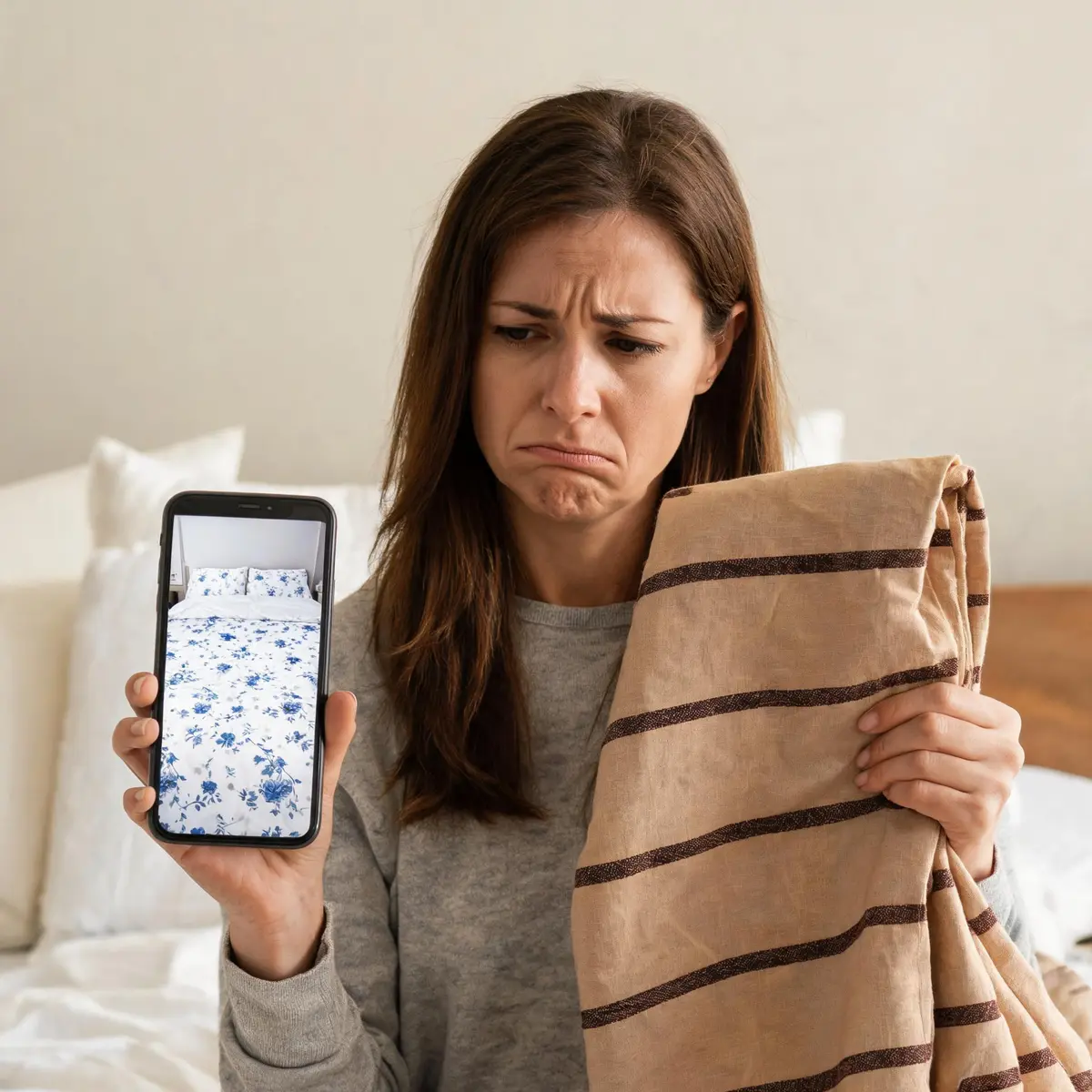
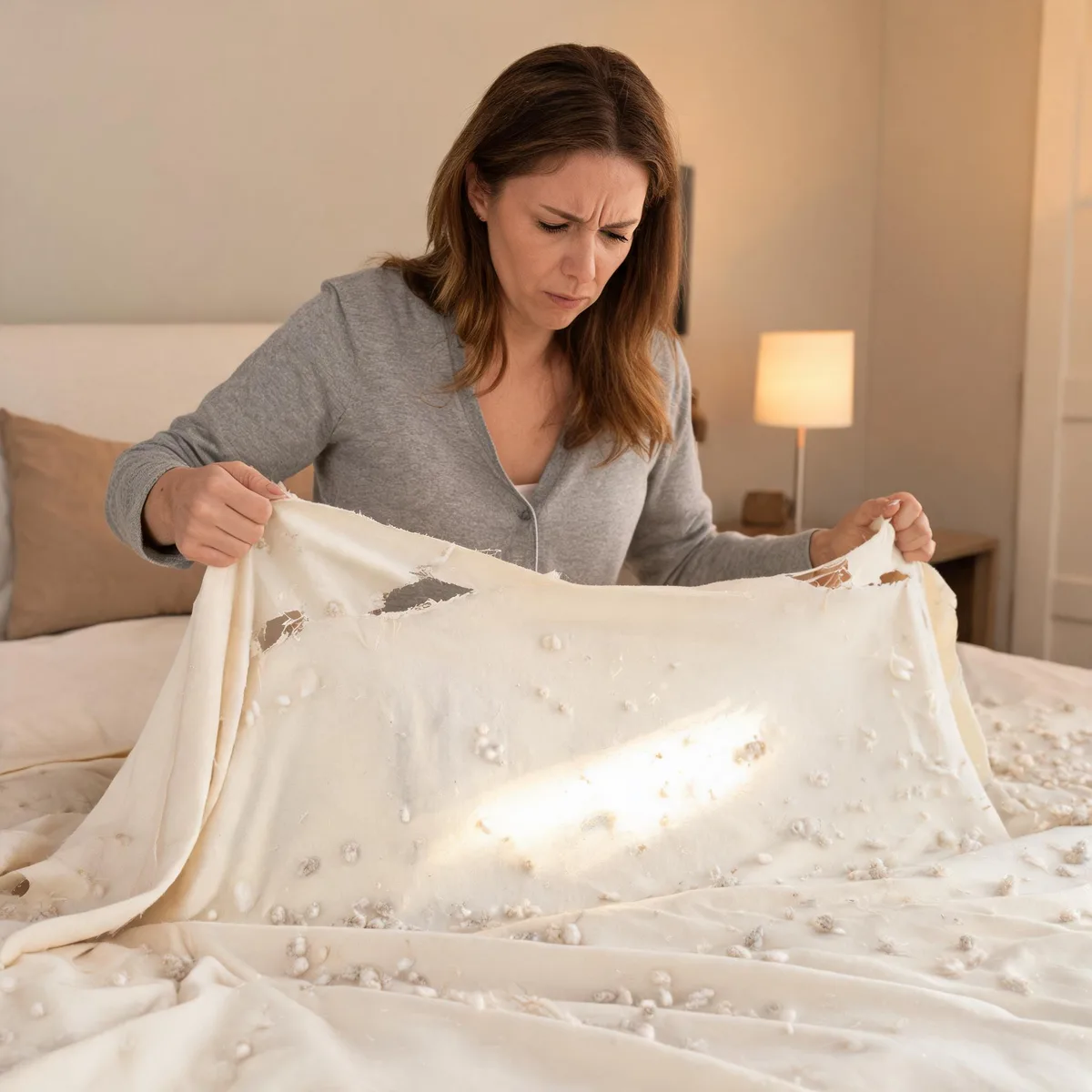
Almost everyone has had a similar frustrating experience: spending hours picking out a bedsheet that meets expectations in both appearance and parameters, laying it on the bed full of joy, only to find that either your back sweats from stuffiness after half an hour of sleeping, or the fabric is so stiff it chafes your skin, even has a pungent odor, or fades after one wash and stains the entire set of bedding. After counting 211,408 real user reviews covering 44,818 products, we found that 22% of negative bedsheet reviews are directly related to poor skin feel and bad user experience. This proportion is even higher than that of explicit quality problems such as size mismatch and damage, making it the most easily overlooked purchasing trap for consumers. Ms. Lin, who lives in southern China, once fell into this trap: last year, she added a set of bedsheets advertised as “high-count cotton, skin-friendly for naked sleeping” to her cart to qualify for a combined order discount. She kept it because she thought the pattern was nice when she first received it. It was not until she washed and laid it that she found that after sleeping in 28°C weather, the sheet stuck all over her back when she woke up. After three washes, the fabric became stiffer and stiffer, and it would chafe her calves and cause itching when she turned over. She had long passed the return period, and felt it a waste to throw it away, so she had to make do with it for nearly half a year before replacing it, wasting money for nothing and affecting her sleep quality.
Why Is the Skin Feel Poor and User Experience Bad? An In-depth Analysis of the Root Causes
We analyzed the common causes of all related negative reviews from three dimensions: material science, manufacturing process, and usage habits. Most skin feel problems are not “bad luck”, but defects in the material or process itself:
1. Material Science Level: Fiber Properties Determine Basic Skin Feel
The most common problem of stuffy sweat and sticking to the body basically comes from 100% pure chemical fiber fabrics. Synthetic chemical fibers such as polyester and polypropylene have no pores of natural fibers in their fiber structure, just like laying a layer of airtight plastic film on the skin. The heat and water vapor emitted by the human body at night cannot penetrate the fabric and escape, and are all trapped between the skin and the sheet, resulting in sticking and stuffy sweat. In winter, it is also easy to generate static electricity and stick to the skin.
2. Manufacturing Process Level: Omitted Processes Directly Reduce Experience
- Inadequate softening treatment: After weaving, the fabric needs to go through multiple processes such as singeing, sanding, and softening and setting to remove the short fluff and hard burrs on the surface of the yarn, just like the edge of a newly cut wood board needs to be polished to avoid scratching hands. If manufacturers omit these processes, the fabric surface will be rough and stiff, causing itching when rubbing against the skin, which is the core reason why many users report that “it is still stiff after several washes”.
- Unremoved chemical residues: Chemical reagents such as formaldehyde and color fixatives are used in the process of fabric setting and dyeing. Regular products will go through multiple washes to remove residues, but small factories will omit this step to cut costs, resulting in new sheets having a pungent odor when received by users, which may cause cough and tight respiratory tract in mild cases, and red and allergic skin in severe cases. The situation mentioned by a user in the review that “my lungs felt tight and I couldn’t breathe after laying the sheet directly after unpacking” is a typical problem of excessive residues.
- Unqualified color fastness: If low-cost pigment dyeing is used instead of reactive dyeing, the dye adhesion is poor, and fading will occur during washing, which will not only stain other clothes washed together, but the falling dye particles may also adhere to the skin and cause discomfort.
3. Usage Habit Level: Wrong Operations Accelerate Deterioration of Skin Feel
Many people like to use hot water, strong alkaline laundry detergent or even bleach when washing bedsheets, or expose them to the sun for a long time or dry them at high temperature. These operations will destroy the fiber structure of the fabric, and the originally soft fabric will gradually become hard and brittle, with worse and worse skin feel. There are also users who lay new sheets directly for use without washing them in advance to remove production residues, which will also increase the risk of allergies and odor.
Comparison of “Poor Skin Feel and Bad User Experience” Performance of Different Materials
The basic properties of bedsheets of different materials vary greatly, and the corresponding skin feel traps are also completely different. We have sorted out the advantages, disadvantages and typical performance of mainstream materials:
1. Polyester (Chemical Fiber)
- Skin feel traps: 100% pure polyester fabric has extremely poor air permeability, and it will almost inevitably cause stuffy sweat and stick to the body when used in summer. Inferior chemical fiber also has a pungent odor and is prone to static electricity, leading to very poor experience when sticking to the skin in winter;
- Advantages: Extremely low price, strong wrinkle resistance, durable and not easy to break. After adding a waterproof coating, it is suitable as a protective fitted sheet for pet families and children’s beds;
- Qualified performance: If it is a product of cotton blended with a high proportion of polyester, it can balance wrinkle resistance and air permeability. As long as the process is in place, it can also avoid stuffy sweat and skin chafing. The positive user review mentioning that “the waterproof effect is good, suitable for preventing puppies from wetting the bed” is the correct usage scenario of such functional products.
2. Ordinary Cotton (Low-count Coarse Cotton)
- Skin feel traps: Ordinary cotton with a count lower than 30 has thick yarn and large pores on the fabric surface. If it is not softened, it will be very hard, and it is easy to cause itching when rubbing against the skin. The color fastness of inferior ordinary cotton is generally very poor, and it will fade after several washes;
- Advantages: Affordable price, strong and durable, thick and warm after sanding treatment, suitable for winter use;
- Qualified performance: Ordinary cotton sheets with qualified process will not be hard or fade after washing. The positive user review mentioning that “it is still very soft after many washes, and the color does not fade” is the normal performance of such products.
3. High-count Long-staple Cotton
- Skin feel traps: False labeling is rampant in the market. The 1000 count advertised by many merchants is actually only 200 count, with thin fabric and rough hand feel. There are also cases where ordinary cotton is passed off as long-staple cotton, which will become hard and pill after two washes;
- Advantages: Fine yarn, high density, delicate and smooth fabric surface, good air permeability, it is one of the most suitable materials for naked sleeping;
- Qualified performance: It has a silk-like smooth feel to the touch, does not deform or harden after washing, and will not pill even after long-term use.
4. Regenerated Cellulose Fiber (Tencel/Modal)
- Skin feel traps: Products made of inferior raw materials have low wet strength, will pill and deform after several washes, and products with poor dyeing process are prone to fading;
- Advantages: Strong drape, obvious cool feeling, better air permeability than cotton, suitable for summer use;
- Qualified performance: Smooth and cool to the touch, not hard or deformed after washing, and no stuffy sweat or sticking to the body.
How to Avoid Poor Skin Feel and Bad User Experience? Purchasing and Usage Guide
Purchasing Notes
- Prioritize products clearly marked with cotton or regenerated cellulose fiber as the material. Pure polyester products are not recommended for daily close use unless for special functional needs such as waterproofing;
- There is no need to blindly pursue high thread count. 30-60 count is sufficient for daily use. High-count and high-density fabrics with more than 80 count are more suitable for use in spring, autumn and winter, and will be relatively stuffy when used in summer;
- Prioritize products marked “compliant with GB 18401 Class B standard” (standard for textiles in direct contact with skin). You can ask the merchant to provide test reports for formaldehyde and color fastness, and do not buy products with unqualified indicators of these two items;
- In terms of process, prioritize products marked with “reactive dyeing”, “sanding treatment”, “pre-shrinking and setting”. These processes can greatly improve the use experience, and are details worth investing in.
Correct Usage and Maintenance Methods
- New sheets must be washed once before use. Add a small amount of neutral laundry detergent or salt, soak in normal temperature water for 30 minutes and then wash, which can remove more than 90% of production residues and floating color;
- The daily washing water temperature should not exceed 40°C. Use neutral laundry detergent, do not use bleach or strong alkaline soap to avoid damaging the fiber structure;
- Do not expose to the sun for a long time when drying, choose the low temperature setting for drying to avoid the fiber becoming brittle and hard.
Correction of Common Misconceptions
- The softer the better is not true: Many inferior products will add excessive softener to create a “fake soft” hand feel, which will become hard after one wash, and there is also a risk of chemical residues. Normal qualified fabrics should have a smooth and tough hand feel, not soft to the point of collapsing.
- The thicker the better is not true: Sheets for summer use only need moderate thickness. Overly thick fabrics have poor air permeability, which is more likely to cause stuffy sweat.
“Pit Avoidance” Lessons from Real Users
We selected 4 most representative user pitfall experiences from negative reviews to help you avoid mistakes that others have already made:
- User negative review: “I bought this gray model before and liked it very much. I bought the blue-gray one again recently, but it still has a strong formaldehyde smell after 4 washes, so I had to throw it away directly” Lesson summary: The same product may also have batch quality control problems. If the new sheet still has a pungent odor after multiple washes, do not continue to use it. Such excessive chemical residues may damage health, and it is recommended to apply for after-sales service in time.
- User negative review: “It is advertised as super soft, but it is actually only 200 count. The hand feel is no different from the cheap goods sold at dollar stores, and it is not worth the price at all” Lesson summary: Do not trust marketing slogans such as “super soft” and “naked sleeping grade”. When purchasing, prioritize hard parameters such as clearly marked material, count, safety standard, etc., to avoid paying for marketing premium.
- User negative review: “I was so excited when I got the new sheet that I laid it directly. It didn’t take long for me to feel tight in the lungs, short of breath, and kept coughing. There must be some bad substances in the sheet” Lesson summary: New sheets must not be used directly after unpacking. Residues such as formaldehyde and dyes left in the production process may cause respiratory allergies and skin discomfort. They must be fully washed before first use.
- User negative review: “It is still not soft after several washes, and there is no luxurious feeling as advertised at all. It is not worth the price. Fortunately, the customer service gave me a refund” Lesson summary: Softness cannot be improved by washing alone. If the fabric itself is of poor quality and has not been fully softened, it will not become soft even after ten washes. This is a defect of the product itself. It is recommended to apply for after-sales service in time instead of forcing yourself to use it.
Related Deep Analysis in This Category
- False Advertising & Product Mismatch — 28% of complaints relate to this
- Poor Material & Low Durability — 48% of complaints relate to this
- Wrong Sizing & Poor Fixation — 36% of complaints relate to this
🛠️ Practical How-To Guides
Based on the analysis above, we've prepared actionable daily solutions for you:
Bed Sheets Still Stiff After Washing? 4 Softening Tricks for a Skin-Friendly Sleep
From water temperature to fabric softener use and drying habits, this guide fixes rough, stiff sheets that irritate skin.
Read Full Guide →New Sheets Bleed Color? 3-Step Washing Method to Prevent Staining Other Clothes
Use first-wash separation, cold-water washing, and proper drying to reduce color bleeding and protect other laundry.
Read Full Guide →New Sheets Smell Strong? 3 Safe Steps to Remove Odor and Formaldehyde Before Your First Night
Teach readers how to reduce new-sheet odor and chemical residue with ventilation, warm pre-washing, and proper drying.
Read Full Guide →Sweating and Sticking to Your Sheets All Night? 5 Tips for a Cooler, Drier Sleep
Practical selection, layering, washing, and drying tips to improve breathability and reduce sweaty, sticky sleep.
Read Full Guide →