Poor Burning Performance in Candle: What 246,924 Reviews Reveal
Poor Combustion Performance: The “Invisible Killer” in the Candle Industry
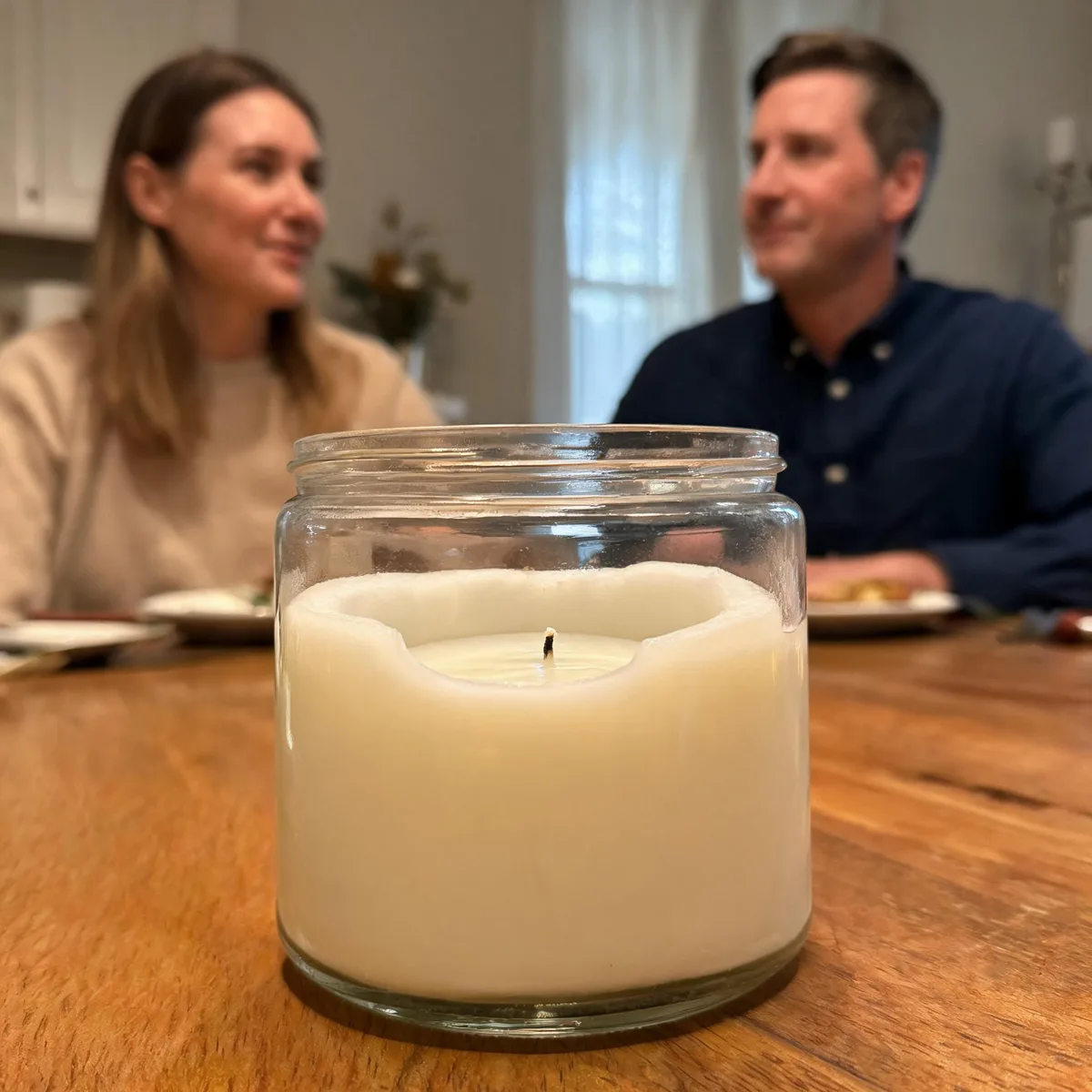
After the start of autumn, you specially picked a scented candle advertised as “premium woody scent + 40 hours of extra-long burn time”. You were satisfied with its cool fragrance when unboxing, but blew it out after only 40 minutes of the first lighting. As a result, every subsequent lighting only burns a coin-sized pit in the center, with the surrounding wax completely hard and showing no sign of melting. In less than a week, the wick sinks into the wax pit and can no longer be lit. The product that cost tens or even hundreds of yuan only served as a night light a few times, barely releasing any fragrance, and the more you think about it, the more you feel ripped off. After analyzing 246,924 real user reviews covering 42,239 products, we found that 28% of negative candle reviews are directly related to poor combustion performance, a proportion far higher than other issues such as scent mismatch and packaging damage. This is the most easily overlooked hidden pit for ordinary consumers when purchasing: unlike broken glass or liquid leakage that can be found immediately upon unboxing, the problem usually only appears after you have used it two or three times, when you have already missed the return and exchange window, leaving you to bear the loss yourself.
Why is Combustion Performance Poor? — In-Depth Dissection of the Root Causes
We dissect the issue from three dimensions: materials science, manufacturing process, and usage habits, which can cover all core concerns of consumers:
Materials Science Level: Matching Degree is the Core
The essence of candle combustion is that the heat generated by the burning wick melts the wax, which vaporizes to participate in combustion and release fragrance. As long as the materials in any link are mismatched, problems will occur. First, the material and thickness of the wick: pure cotton wicks have low calorific value, cotton-linen blended wicks have medium calorific value, and wood wicks have the highest calorific value. If high-melting-point beeswax or hard paraffin is paired with a thin pure cotton wick, the calorific value will not be enough to melt the surrounding wax, resulting in the problem of “only burning the center, the surrounding wax is completely unburnt”, just like heating a thick iron pot with a small fire, it takes a long time to heat through; conversely, if low-melting-point soy wax is paired with an overly thick wick, the burning speed is too fast, leading to the problem of “advertised to burn for 8 hours but actually only lasts 2 hours”. Second, the matching of wax melting point and burning rate: the melting points of different waxes range from 40°C to 70°C. If manufacturers randomly mix waxes to cut costs, the melting point will fluctuate greatly, resulting in some areas burning fast, some areas not burning at all, or even the candle going out halfway through burning.
Manufacturing Process Level: Details Determine Service Life
Many combustion problems are hidden risks buried from the production and transportation stages: First, poor wick positioning accuracy: if the wick is not fixed to the bottom of the container with a metal clip, but only randomly inserted into the wax, or the wick is washed askew during filling, it will tilt to one side halfway through burning, or even sink directly into the melted wax and can no longer be lit. Second, poor filling process: uneven cooling speed of wax liquid, internal bubbles, or insufficient filling volume will lead to a significant reduction in actual burn time. As one negative review mentioned, “the tealights are only half full and can only burn for 2-3 hours”. Third, poor transportation protection: high-temperature transportation causes the wax body to melt and deform, the wick to shift, or violent transportation causes the wick to break, which will inevitably lead to combustion problems later.
Usage Habit Level: 90% of Problems Can Be Avoided
Many users mistakenly think that poor combustion is always a product quality problem, but in fact, at least half of the cases are caused by incorrect usage habits: First, insufficient first burn time: candles have a “memory ring” effect. If you blow out the candle before the entire surface layer of wax is completely melted during the first lighting, every subsequent burn will only be limited to the previous molten pool, never melting the surrounding wax, and eventually forming a wax pit that is deep in the center and high around the edges. Second, never trimming the wick: after prolonged burning, carbon will form on the top of the wick, the flame will become larger but the calorific value utilization rate will decrease, which will not only produce black smoke, but also accelerate wax consumption, and even cause the candle to go out when carbon blocks fall into the wax. Third, excessive ventilation in the burning environment: for candles placed by windows or air conditioner vents, the flame is blown askew, a large amount of heat is lost, the surrounding wax cannot be melted, and the candle is even easily blown out directly.
Comparison of “Poor Combustion Performance” Manifestations of Different Materials
The core materials of candles are wax and wick. The combustion performance of different materials varies significantly. There is no absolute good or bad, only differences in adaptability:
Combustion Performance of Different Waxes
| Wax Type | Core Advantages | Common Combustion Problems | Reference for High-Quality Performance |
|---|---|---|---|
| Paraffin Wax | Stable melting point (52-68°C), high hardness, good moldability, uniform combustion and less tunneling with qualified matching, longer burn time | Low-quality paraffin tends to produce black smoke, memory ring is prone to occur when the wick is too thin | Products mentioned in real positive reviews as “burn for an incredibly long time” are mostly made of high-quality pure paraffin or paraffin blended wax |
| Soy Wax | Low melting point (42-58°C), fast molten pool expansion, high fragrance diffusion efficiency, natural and environmentally friendly | Soft texture, easy to deform in summer, prone to going out halfway when the wick is too thin, more obvious memory ring effect | No obvious tunneling, molten pool covers the entire surface within 30 minutes of lighting, fragrance diffuses evenly |
| Beeswax | Natural material, releases a small amount of negative ions when burning, low smoke, high hardness | High melting point (62-68°C), high requirement for wick calorific value, only burns the center and does not melt the surrounding wax at all when the wick is too thin | Flat molten pool, no obvious peculiar smell when burning, no black smoke |
| Blended Wax (Paraffin + Vegetable Wax) | Combines the advantages of different waxes, adjustable melting point, wide adaptability, is the mainstream choice for mid-to-high-end products | Unreasonable ratio will lead to uneven burning rate and local fast burning | No obvious memory ring, burn time is close to the advertised value |
Combustion Performance of Different Wick Materials
| Wick Type | Core Advantages | Common Combustion Problems |
|---|---|---|
| Pure Cotton Wick | Low cost, wide adaptability, stable flame | Prone to carbon formation, will produce black smoke and burn too fast if not trimmed in time, easy to tilt after long-term burning |
| Cotton-Linen Blended Wick | High hardness, not easy to tilt, low carbon formation, higher calorific value, more uniform molten pool | Burns too fast if the wick is too thick, advertised burn time is shortened |
| Wood Wick | Crackling sound when burning, strong atmosphere, high calorific value, wide molten pool, low carbon formation, no frequent trimming required | High requirement for installation process, easy to go out if positioning is not firm, difficult to light for the first time in high humidity environment |
How to Avoid Poor Combustion Performance? — Purchasing and Usage Guide
Core Indicators to Pay Attention to When Purchasing
- Matching of wick and diameter: For candles with a diameter of more than 8cm, a single wick is mostly insufficient in calorific value to form a full-coverage molten pool, so you need to pay attention to whether it adopts a double-wick/three-wick design;
- Matching of wax and wick: For high-melting-point beeswax and hard paraffin candles, give priority to thick wick/multi-wick models; for low-melting-point soy wax and coconut wax candles, single-wick models are acceptable;
- Packaging protection: Pay attention to whether the product is marked with cushioning protective packaging to avoid wax deformation and wick offset during transportation. Products mentioned in real positive reviews as having “substantial packaging” have a much lower transportation damage rate than simply packaged models.
Process Details Worth Paying a Premium For
- Metal fixing clip at the bottom of the wick: instead of being directly inserted into the wax body, it can effectively prevent the wick from sinking and tilting during combustion;
- Homogeneous filling process: the wax body has no obvious delamination or bubbles, the burning rate is uniform, and there will be no local fast burning problem;
- Pre-trimmed wick before delivery: no need to adjust the length by yourself for first use, avoiding excessively fast initial burning caused by too long wick.
Correct Usage Methods That Can Be Implemented Directly
- Follow the “30 minutes / 2.5cm diameter” rule for the first burn: for example, for a candle with a diameter of 7.5cm, keep it burning for at least 1.5 hours for the first time, so that the surface wax is completely melted, avoiding the memory ring from the root;
- Trim the wick to 5-8mm before each lighting: cut off the black carbon head on the top to avoid black smoke and excessively fast burning, and reduce wick sinking caused by carbon formation;
- Avoid ventilated positions: do not place it by windows, air conditioner vents, or next to fans, to avoid heat loss and uneven molten pool caused by the flame being blown askew;
- Single burn should not exceed 4 hours: prolonged burning will cause the overall temperature of the wax body to be too high, the wick fixing piece will soften and fall off causing wick sinking, and at the same time, overheated glass containers have a risk of cracking.
Common Misconceptions Correction
- “The thicker the wick, the better”: An overly thick wick will lead to excessively fast burning rate, greatly shortened advertised burn time, and also produce black smoke. Only a wick that matches the melting point of the wax and the diameter of the container is suitable;
- “Ignite repeatedly if it won’t light”: If the wick is submerged by melted wax, first pour out the excess liquid wax to expose at least 5mm of the wick before lighting. Repeated ignition will only make the wick completely wrapped in wax and can no longer be lit;
- “Use up the wax until the last bit”: It is recommended to stop burning when the remaining wax is less than 1cm, otherwise it will easily cause the bottom of the container to overheat, the glass container may crack, and the metal container may burn the tabletop.
“Pit Avoidance” Lessons from Real Users
We have selected the most representative cases from massive negative reviews, which you can directly refer to to avoid the same pitfalls:
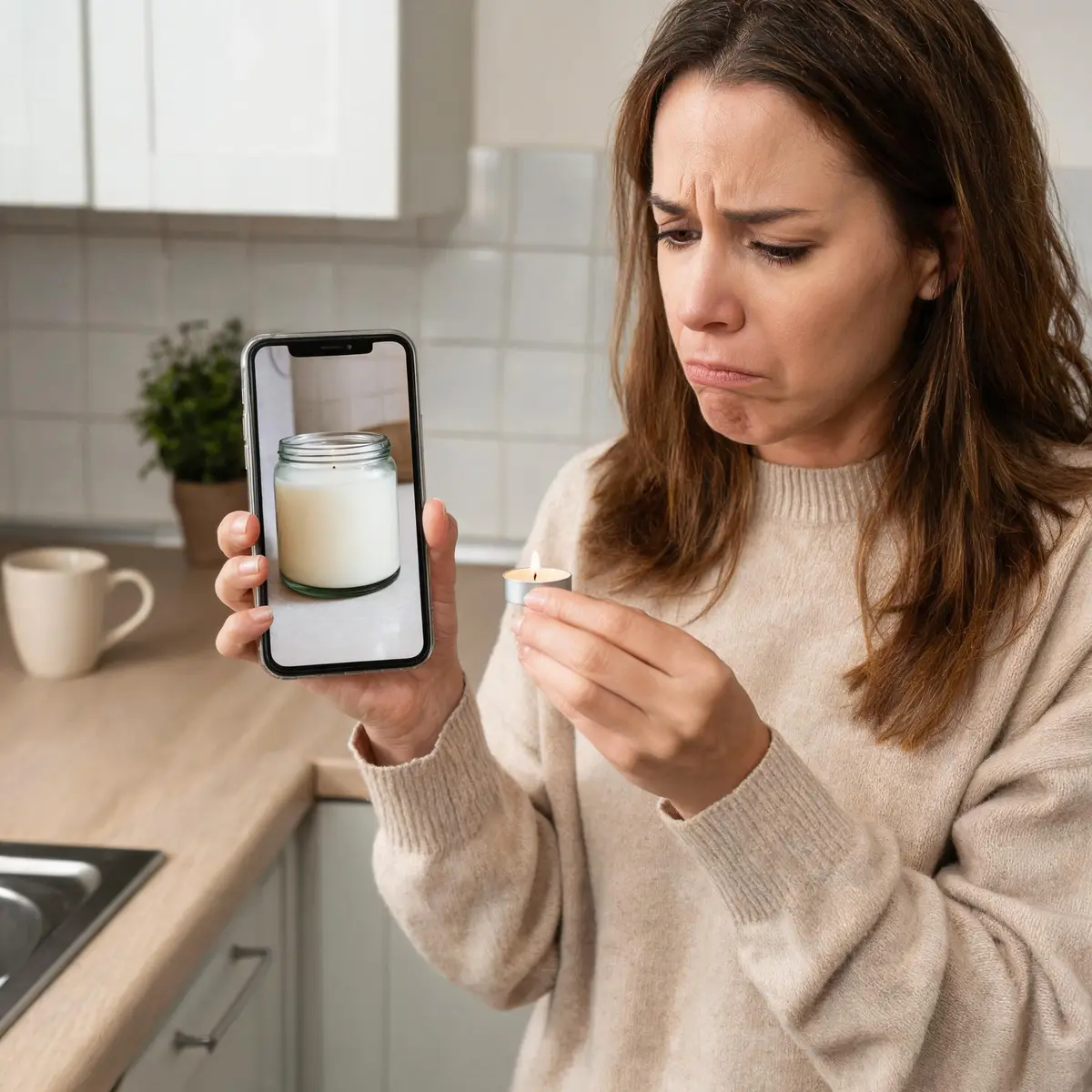
Negative review original text: “dont bother - these tea lights are crap… they are all smashed up and only half full so they only burn about 2-3 hours, I guess you get what you pay for! NOT MUCH” Lesson Summary: Check the net wax content marked on the product detail page when purchasing, do not only take the advertised burn time as the judgment standard; if you find the wax is damaged or the filling volume is obviously insufficient after receiving the goods, apply for after-sales service directly, do not use it reluctantly.
Negative review original text: “Won’t purchase again! This candle is a complete waste of money! The one we received does not have a fragrance and has a wick that burns, so that very little wax melts. If the wax doesn’t melt or get heated, how can it elicit a fragrance!” Lesson Summary: The matching degree of wax and wick is the core of combustion performance. Too small a molten pool area will not only lead to insufficient combustion, but also prevent the fragrance of scented candles from fully volatilizing, meaning you have bought a scented model for nothing.
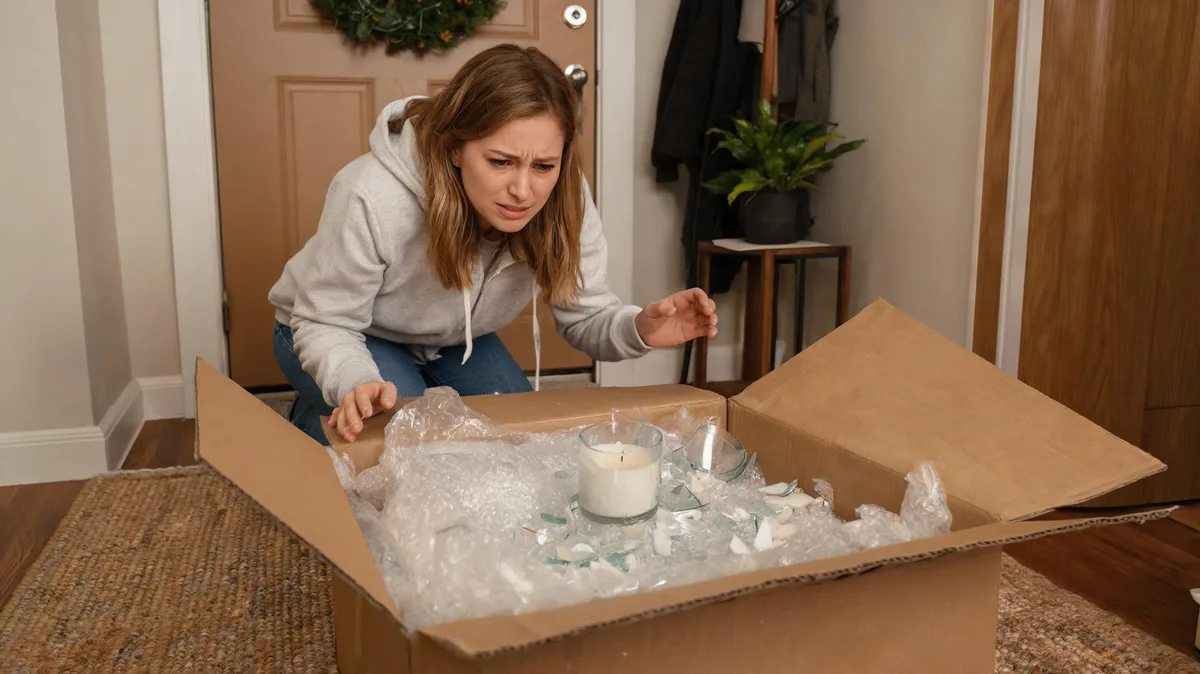
Negative review original text: “ARRIVED MELTED AND CROOKED! ARRIVED MELTED AND CROOKED - TERRIBLE!!” Lesson Summary: High-temperature transportation will cause wax deformation and wick offset. This kind of product will most likely have problems such as tilted wick, sunken wick and tunneling in subsequent combustion. If you find the candle body is bent or the wax is melted and deformed after receiving the goods, apply for after-sales service directly.
Negative review original text: “Does nothing when lit except provide light When I bought this, it was based on customer reviews - most of which are openly admitted to being sponsored by the company. I received my candles and the aroma was heavenly, truly. I LOVED the fragrance. I lit 1 candle. Absolutely no scent.” Lesson Summary: If a scented candle does not release fragrance after being lit, first check whether the molten pool is fully expanded. If the molten pool is only a small piece in the center, it is most likely a product matching defect of insufficient wick calorific value, which has nothing to do with the amount of fragrance added.
Related Deep Analysis in This Category
- Damaged Upon Delivery — 16% of complaints relate to this
- Not As Described / Low Value For Money — 8% of complaints relate to this
- Weak or Incorrect Fragrance — 48% of complaints relate to this
🛠️ Practical How-To Guides
Based on the analysis above, we've prepared actionable daily solutions for you:
8-Hour Candle Burns Out in 2? Avoid These 3 Hidden Killers to Double Your Candle's Lifespan!
Analyzes the impact of AC drafts, cross-breezes, and long wicks on burn rate, providing optimal placement and flame control guides for home use.
Read Full Guide →Candle Extinguishes Halfway? Trim Before Lighting and Straighten After to Prevent Wick Drowning!
Reveals why carbonized or bent wicks cause extinguishing, teaching proper trimming length and wick centering after snuffing.
Read Full Guide →Candle Tunneling Wasting Wax? 3 Tricks to Fix the Memory Ring and Save Every Drop!
Explains the golden rule of first burn and the foil tent rescue method to completely solve tunneling and edge wax pooling issues.
Read Full Guide →