Quality Issues in Quilt: What 86,769 Reviews Reveal
Quality Issues: The “Invisible Killer” of the Quilt Industry
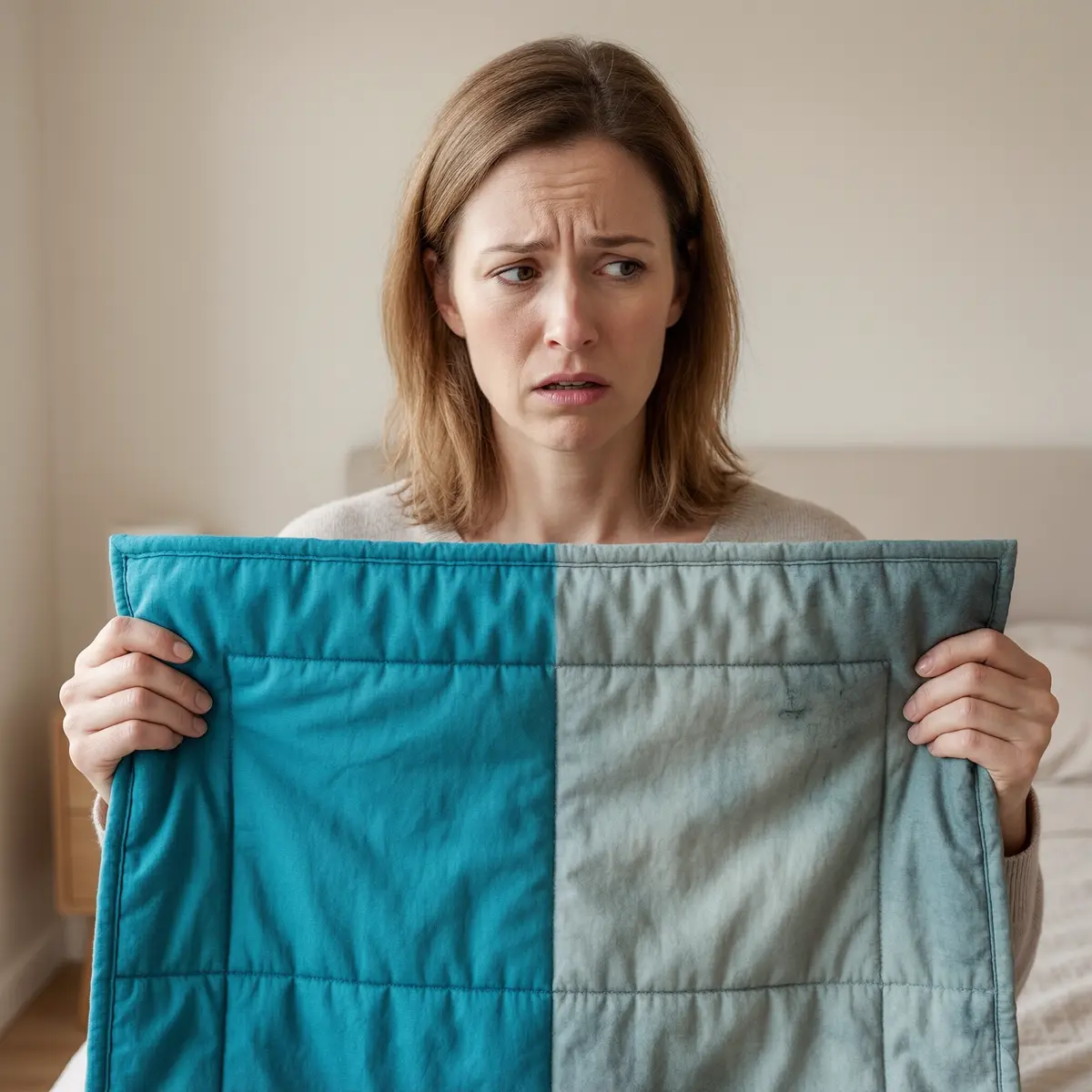
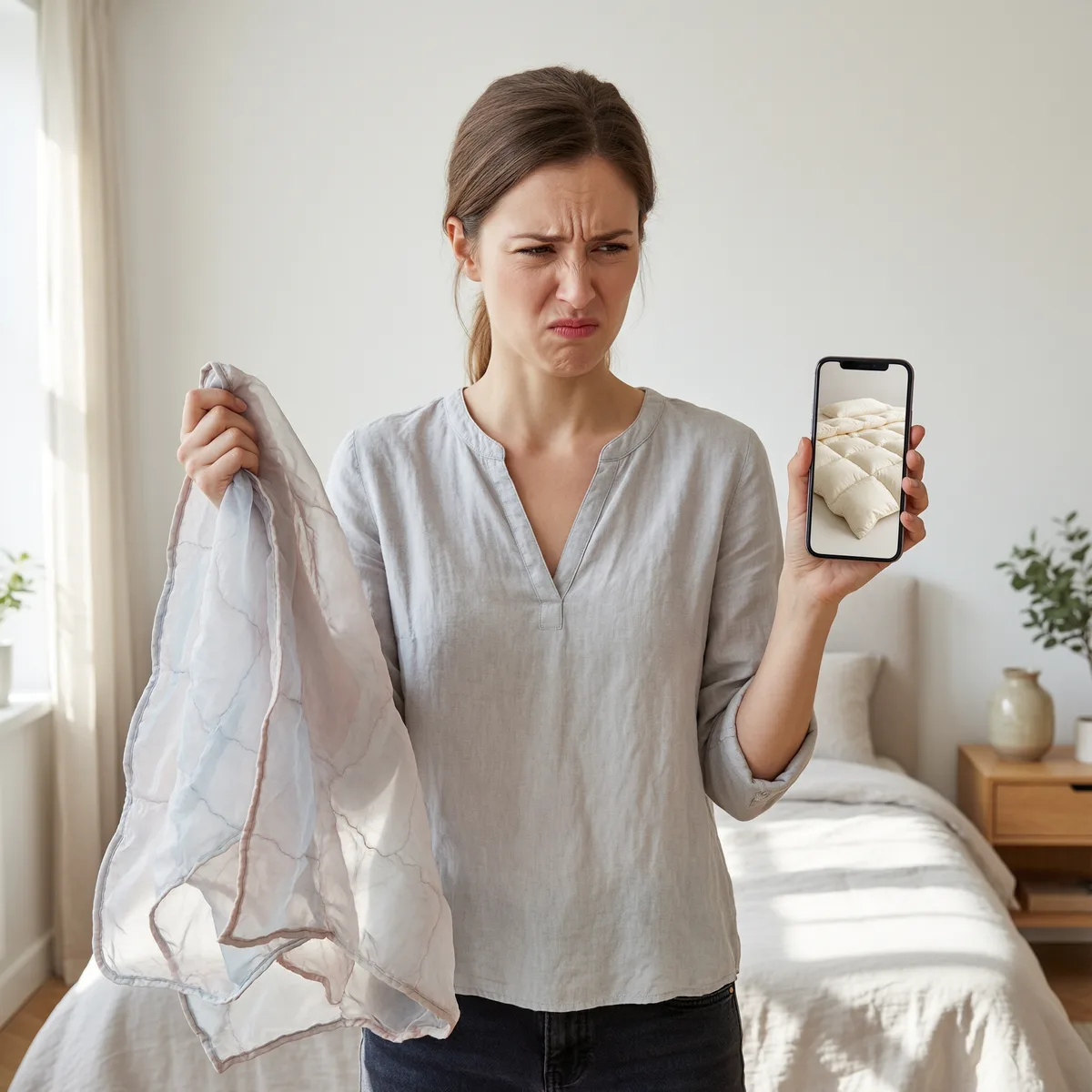
On a cold winter night, a warm and comfortable quilt is what everyone dreams of. However, imagine the disappointment when you eagerly open your newly purchased quilt, only to find that it not only fails to keep you warm but also has various quality issues. According to our analysis, 38% of the negative reviews out of 86,769 genuine user comments are related to quality issues. This not only affects the sleep quality of consumers but also makes them lose trust in the brand.
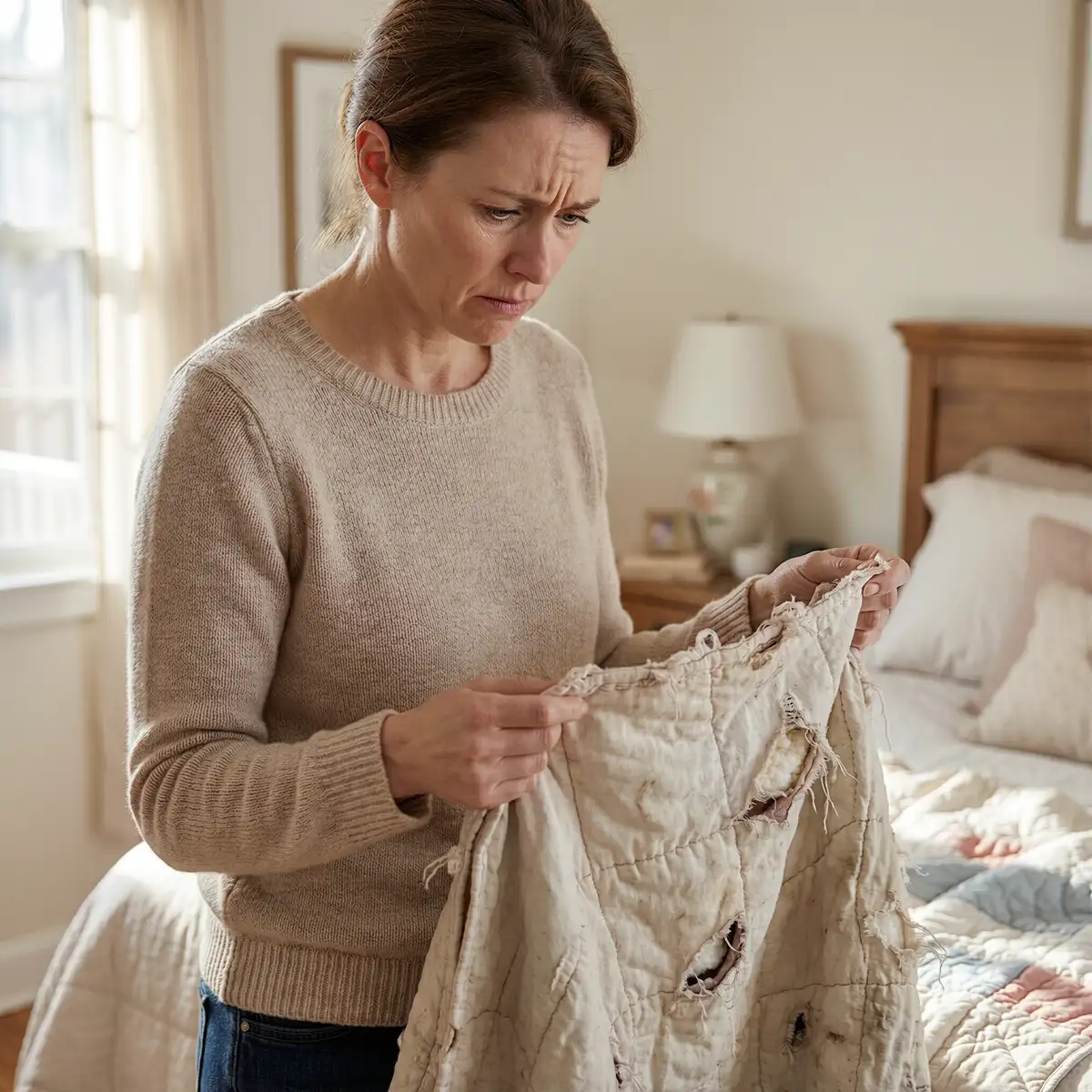
Imagine that after carefully selecting and purchasing a quilt, it initially looks good, but after a few months, you notice that the stitching starts to come loose, the filling begins to leak out, and even after a few washes, it starts pilling. Such experiences leave many consumers feeling frustrated and regretful.
Why Do Quality Issues Arise? — A Deep Dive into the Root Causes
Materials Science
Low-quality fabrics and fillings are one of the main reasons for poor durability in quilts. For example, some cheap synthetic fibers, although inexpensive, have poor wear resistance and wrinkle resistance, making them prone to pilling and deformation during use. Additionally, low-quality fillings like low-density polyester not only have poor insulation but also tend to clump, affecting comfort.
Case Analysis:
- Negative Review Excerpt: “Loose stitching The ‘kantha stitching is very loose and breaks easily. I only used it on my bed for a week. Aside from my dogs, whose paws snagged the loose stitching, just making the bed caused the stitching to break.”
- Analysis: This review highlights the issue of low-quality stitching and materials. Kantha stitching should be sturdy and durable, but due to poor thread quality and craftsmanship, the stitching becomes loose, significantly reducing its lifespan.
Manufacturing Process
Insufficient manufacturing processes are also a significant factor in quality issues. Some manufacturers, in an effort to cut costs, use low-quality sewing techniques and equipment, leading to weak stitching that easily comes apart. Additionally, uneven distribution of the filling can cause clumping during use.
Case Analysis:
- Negative Review Excerpt: “The tags don’t stay tied inside While this blanket is good for my son’s sleep, it is not made well. Maybe I got a dud, but the ties don’t stay tied, so the inside slides around inside the cover. The ties are grosgrain ribbons which do not hold well.”
- Analysis: This review points out the quality issues with the tags and ties. Due to poor material and fixing methods, the filling moves around inside the cover, affecting the user experience.
Usage Habits
Consumers expect quilts to be both durable and easy to maintain. However, some quilts develop issues like pilling and loose stitching after multiple washes. This not only reflects product quality problems but also highlights the high expectations consumers have for durability.
Case Analysis:
- Negative Review Excerpt: “Reduced 5 stars to 1 Dryer/Fire risk! Previously I wrote a lovely glowing review for this comforter. Even tho it is a comforter I had covered it with a cotton duvet cover so this is the first time since my purchase that I have washed and tried to dry it. Per the website and the label I put in my”
- Analysis: This review reveals quality issues after washing. A previously highly rated product shrank and deformed severely after the first wash, causing the consumer to doubt its quality.
Comparison of “Quality Issues” in Different Materials
| Material | Advantages | Limitations | Typical Negative Reviews | Typical Positive Reviews |
|---|---|---|---|---|
| Cotton | Good breathability, soft and comfortable | Prone to pilling, poor wear resistance | “IT IS LIKE HAVIBG A SHEET THIS IS A VERY CHEAP AND FILMSY ITEM. QUALITY IS NOT GOOD.” | “100% cotton! Yay!!!!! This duvet set is a serious bubble gum girly pink. After raising 5 kids and 25 years of marriage I am single and have seriously declared independence in my bedroom that is going” |
| Synthetic Fiber | Inexpensive, easy to clean | Poor wear resistance, tends to clump | “Cold and now broke w/ NO new blanket! BIG $$$$$for little layer of polyester, NOT DOWN ALTERNATIVE or MICROFIBER!” | “Cozy This is a fluffy and nice simple topper for the bed. Soft and warm, but not smothering. It did have a very strong chemical smell when I took it out of the packaging. Good purchase so far.” |
| Down | Good insulation, lightweight | Prone to feather leakage, requires special care | “It leaks! I paid almost $140 for this blanket in January 2019 (I see it’s cheaper now) and it’s now in the garbage. The problem is that the fabric that holds the tiny, sand-like glass beads is very thin and flimsy, as are the stitches holding the pockets together.” | “Great blanket Great blanket. I thought it would be too warm but its not. Very happy with it so far.” |
How to Avoid Quality Issues? — A Guide to Selection and Usage
Key Indicators and Parameters to Look for When Selecting
- Fabric: Choose high-quality natural fabrics like pure cotton or linen, which are breathable and less prone to pilling.
- Filling: Opt for high-density fillings such as down or high-quality synthetic fibers, which provide good insulation and are less likely to clump.
- Stitching: Check if the stitching is tight and reinforced with double lines to ensure it won’t easily come apart.
Design and Craftsmanship Details Worth Paying Extra For
- Edge Binding: Choose quilts with reinforced edge binding to effectively prevent filling from leaking out.
- Layered Design: Opt for quilts with a multi-layer design to better maintain even distribution of the filling.
- Machine Washable: Choose machine-washable quilts for easier daily cleaning and maintenance.
Correct Usage and Maintenance Methods
- Regular Sunning: Regularly sun-dry the quilt to kill bacteria and keep it dry.
- Gentle Washing: Use mild detergent and select a gentle wash cycle, avoiding high-temperature drying.
- Proper Storage: Store the quilt in a dry, well-ventilated place when not in use to avoid dampness and mold.
Common Misconceptions and Corrections
- Misconception: Thicker quilts are warmer.
- Correction: The warmth of a quilt depends on the quality and density of the filling, not its thickness. Choosing a high-density filling is more important.
Lessons from Real Users on Avoiding Pitfalls
Lesson One
- Negative Review: “Not king size It’s a nice feeling blanket but I ordered a king size and it is TINY. It would maybe fit a full size bed. Waste of money.”
- Lesson Summary: When buying a quilt, always double-check the dimensions to ensure it fits your bed. Don’t rely solely on feel or pictures to avoid buying the wrong size and wasting money.
Lesson Two
- Negative Review: “IT IS LIKE HAVIBG A SHEET THIS IS A VERY CHEAP AND FILMSY ITEM. IT IS LIKE HAVING A SHEET OR A DUVET. QUALITY IS NOT GOOD. IT DEFINITELY IS EXTREMELY LIGHT WEIGHT! I CANNOT RECOMMEND THIS ITEM TO ANYONE. IF I COULD GIVE IT 0 STARS I WOULD.”
- Lesson Summary: When choosing a quilt, pay attention to its quality and durability. Low prices are not always a good deal; sometimes, they can lead to additional replacement costs due to quality issues.
Lesson Three
- Negative Review: “Loose stitching The ‘kantha stitching is very loose and breaks easily. I only used it on my bed for a week. Aside from my dogs, whose paws snagged the loose stitching, just making the bed caused the stitching to break. I donated it to charity within a month of purchase. Pretty to look at but not”
- Lesson Summary: When buying a quilt, carefully check the quality of the stitching. Choosing a quilt with tight and reinforced stitching can significantly increase its lifespan.
Through the above analysis and suggestions, we hope you can make more informed choices when selecting a quilt and avoid the troubles brought by quality issues.
Related Deep Analysis in This Category
- Color Discrepancy — 15% of complaints relate to this
- Filling Distribution — 12% of complaints relate to this
- Functional Quilt Malfunction — 13% of complaints relate to this
- Misrepresented Material and Poor Experience — 30% of complaints relate to this
- Odor Issues — 10% of complaints relate to this
- Poor Workmanship and Easy to Damage — 38% of complaints relate to this
- Size and Appearance Not as Advertised — 21% of complaints relate to this
- Sizing Issues — 25% of complaints relate to this