False Advertising & Product Mismatch in Bed Linens: What 195,723 Reviews Reveal
False Advertising and Mismatched Goods: The “Invisible Killer” in the Bedding Industry
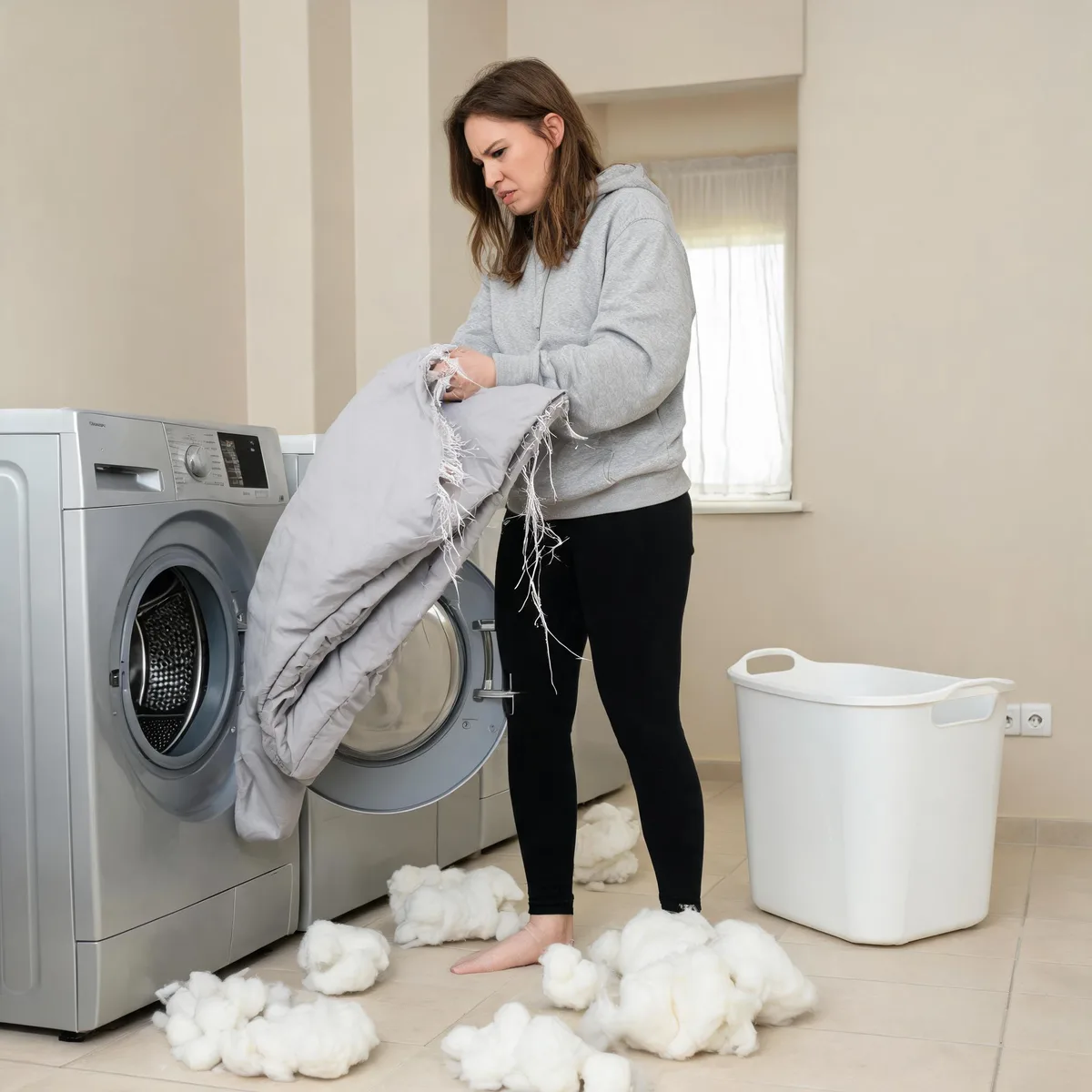
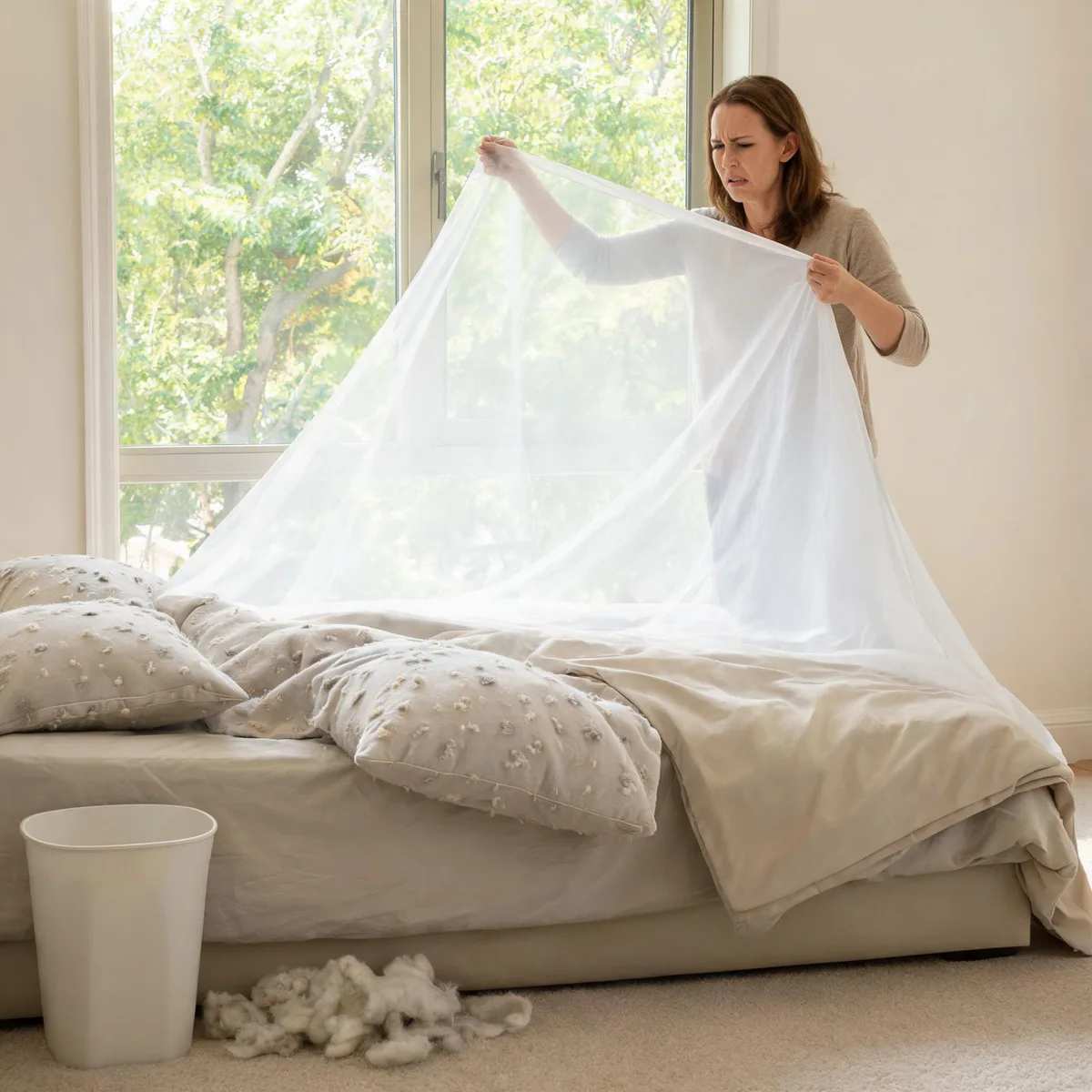
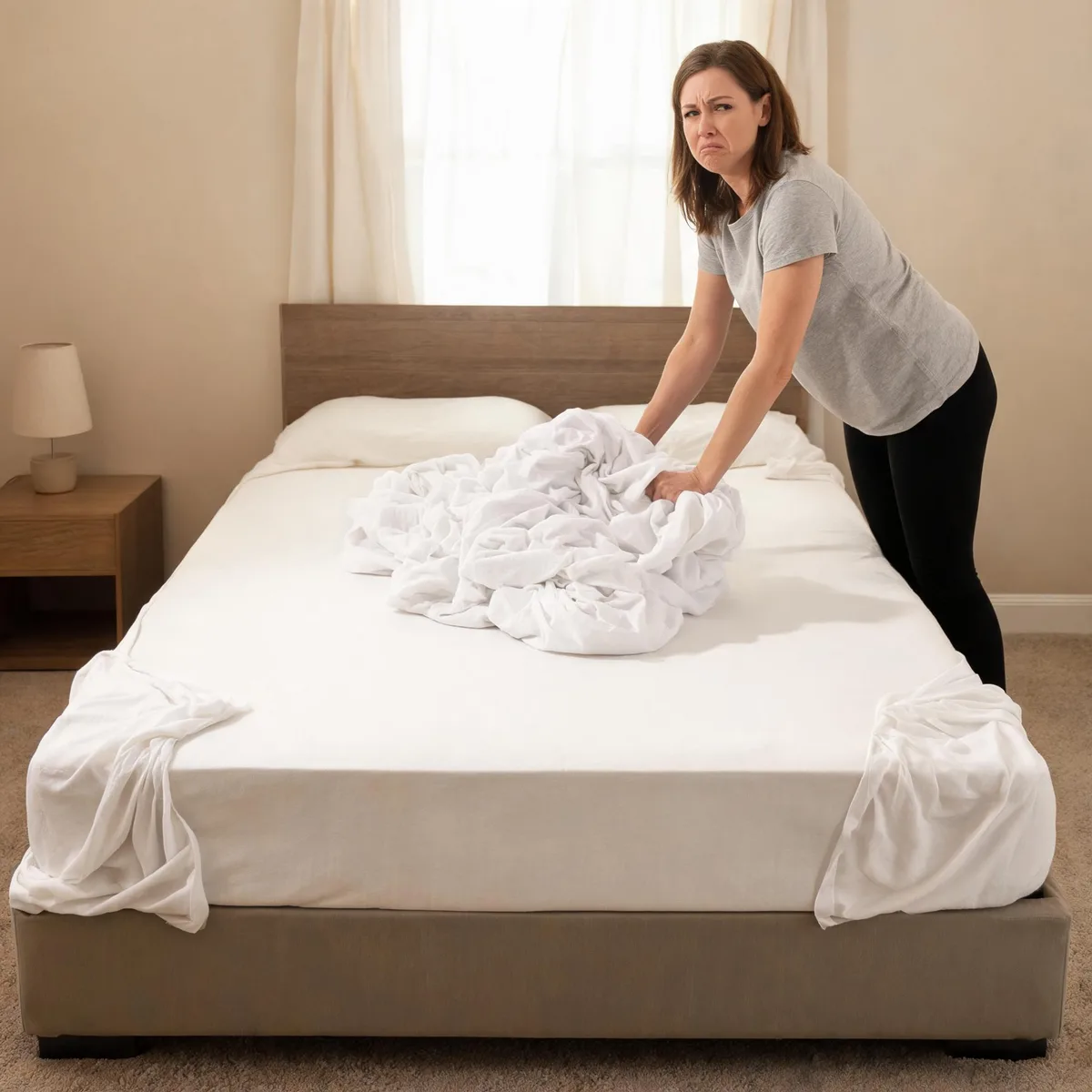
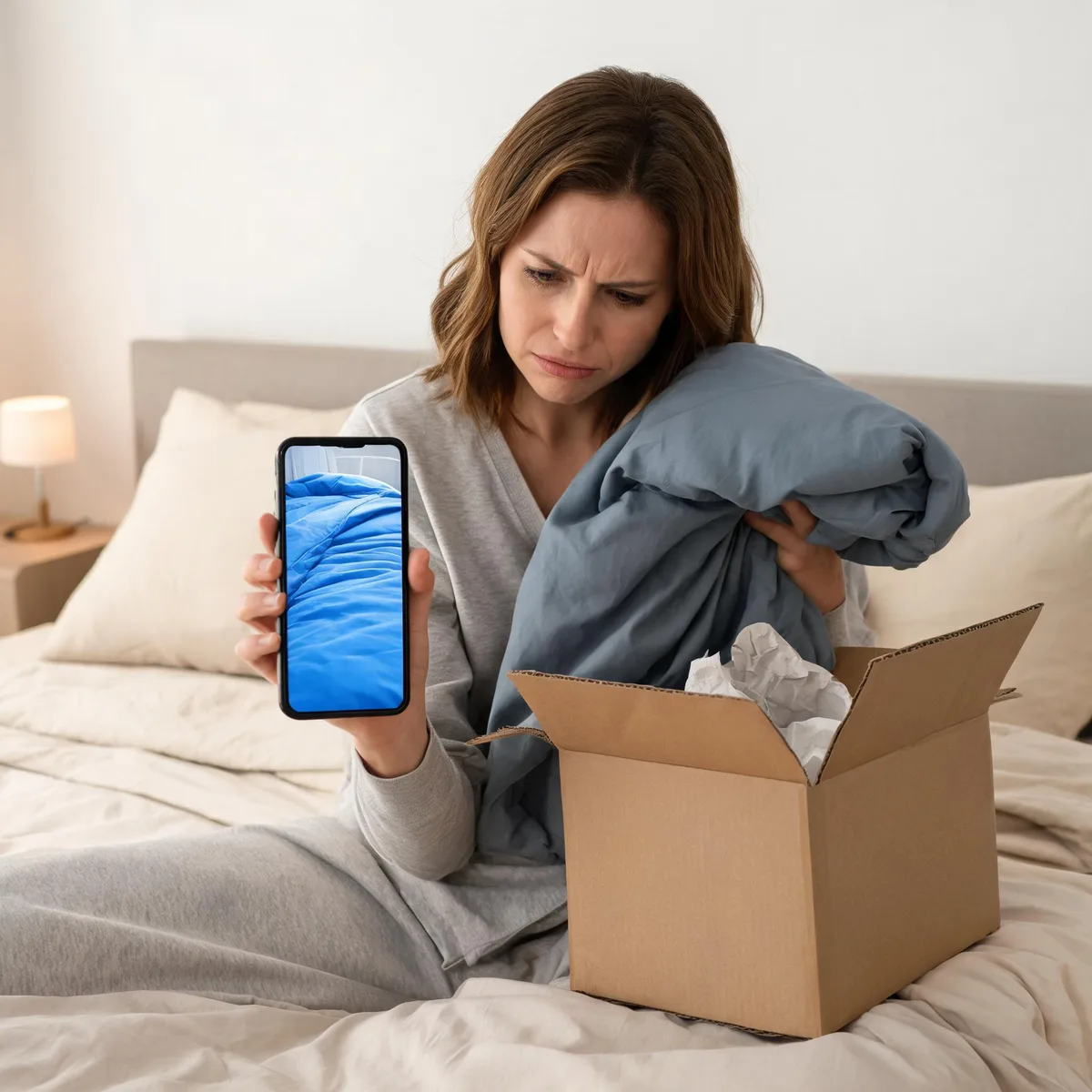
Ms. Lin, who lives in the Yangtze River Delta, spotted a four-piece bedding set advertised as “100-count Xinjiang long-staple cotton, milky creamy white” on an e-commerce platform last month. The main image showed thick, textured fabric, and the price was less than one-third of that sold in offline stores, so she placed an order decisively. When she received and unpacked it, she found that the so-called creamy white was actually a grayish beige, the fabric was so thin that hand shadows could be seen through it, and it shrank significantly after being washed once per the care label instructions. The 2-meter duvet cover could barely fit a 1.8-meter duvet insert. She requested a return but was rejected by the merchant because the product had been washed, and ended up leaving it unused in the corner of her wardrobe. After analyzing 195,723 real user reviews covering 49,913 products, we found that 21% of negative reviews are related to “false advertising and mismatched goods”, which is one of the most frequently complained issues in the bedding sector. Many consumers only find problems after unpacking, using, or even washing the product. By that time, either the return and exchange window has expired, or the merchant refuses after-sales service on the grounds of “affecting secondary sales”, leaving consumers to bear the cost of the merchant’s false advertising.
Why Does False Advertising and Mismatched Goods Occur? In-depth Breakdown of Root Causes
This problem does not occur by accident, but is the combined result of material properties, circulation links, and information asymmetry:
Material Science Dimension: High Appearance Similarity Makes It Difficult for Ordinary Consumers to Distinguish
Many bedding materials have very similar appearance and hand feel. For example, brushed polyester fiber feels almost identical to low-count cotton, and polished chemical fibers can also simulate the luster of Tencel. Ordinary consumers have no professional testing equipment, so they cannot tell the difference only through the merchant’s promotional images, which leaves room for unscrupulous merchants to make false labels: they mark 30% cotton + 70% polyester fiber blends as 100% cotton, and ordinary chemical fibers as “cool ice silk” and “wormwood antibacterial fiber” to charge extra premiums. The dyeing auxiliaries and setting agents of some low-quality fabrics have not been fully rinsed, which merchants will not mention on the promotional page. Consumers only find a pungent chemical odor after receiving the product, which often cannot be removed even after multiple washes.
Manufacturing Process Dimension: Hidden Performance Is Opaque, and Publicity Threshold Is Extremely Low
Many core properties of bedding are hidden, such as shrinkage rate, elastic fatigue resistance, and color fastness. Promotional pages only need to print words like “no shrinkage”, “no deformation after long-term use”, “no fading” without any testing certification. If pre-shrinking treatment is not carried out during manufacturing, the shrinkage rate of pure cotton fabric can exceed 10%; if the elastic band of the fitted sheet is made of low-quality recycled material, it will completely lose elasticity after 1-2 washes. These problems are hard for consumers to detect immediately after receiving the goods, and they often only realize it after using the product for a period of time.
Circulation and Information Asymmetry Dimension: Overly Beautified Promotion + Chaotic Management Deprives Consumers of Right to Know
First comes excessive beautification of e-commerce promotion: retouching and color correction of bedding main images is a default industry operation, just like heavy skin smoothing in portrait photography. Many merchants increase the fabric saturation by 20%-30%, and use lighting to make thin fabrics look thick and textured, leading to serious color difference and pattern distortion. Second, warehouse and logistics management is chaotic. Some merchants repackage returned goods and send them out directly, and wrong delivery occurs frequently, such as sending cheap plastic shower curtains instead of fabric ones. In addition, ordinary consumers cannot judge the real material and workmanship through the promotional page, and the information gap puts consumers in a completely vulnerable position.
Comparison of “False Advertising and Mismatched Goods” Performance for Different Materials
Common false advertising points and actual performance vary greatly for bedding of different materials. We have sorted out the comparison of core materials:
| Material Type | Common False Advertising Points | Actual Performance of Qualified Products | Typical User Feedback |
|---|---|---|---|
| Pure Cotton | Claimed to be 100% cotton but actually blended; claimed to be high-count and high-density but actually thin and transparent; claimed to have “zero shrinkage” but no pre-shrinking treatment done | Skin-friendly and breathable, shrinkage rate ≤5% (meeting national standard requirements), high-count cotton (≥40 count) has thick hand feel and is not easy to be transparent | Good review: “Soft perfect fit for queen with 2inch topper Wow I slept so well husband did as well. The sheets were so soft and comfortable didn’t get to hot." Bad review: “Too much shrinkage! … after just one wash & drying it shank so much I was dismayed” |
| Polyester (Microfiber) | Claimed to be high-priced materials such as pure cotton and Tencel; claimed to be “cool and breathable” but actually stuffy and sweat-trapping; claimed to be high gram weight but actually thin, transparent and easy to tear | Durable and wrinkle-resistant, quick-drying, qualified products have even stitches and will not tear easily | Good review: “Fit deep twin xl nicely Soft, warm, colorful, fit an extra deep twin xl nicely! … Keep in mind they are microfiber not traditional cotton sheets." Bad review: “Not microfiber, Low Quality thin linens. Poor sewing. … The sheets are not even cool for the summer when you first get in bed.” |
| Functional Fabric (waterproof/anti-mite, etc.) | Claimed to be waterproof but actually not splash-proof; claimed to be “odorless” but actually has chemical residues; claimed to be anti-mite but has no relevant testing | Water droplets roll off after splashing without penetrating the fabric, no pungent odor when unpacked, with corresponding function test reports | Bad review: “plastic shower curtain I thought I had purchased a lovely cloth sheer shower curtain - they totally cheap plastic. … YUCK." Bad review: “Nasty Smell … the cases are permeated with a horrible chemical smell which DOES NOT wash out.” |
How to Avoid False Advertising and Mismatched Goods? Purchase and Usage Guide
Recognize Hard Indicators When Purchasing, Reject Vague Publicity
- Do not only look at adjectives in the main image, prioritize hard information in the product parameter column: look for clearly marked content such as “material composition”, “implementation standard”, “shrinkage rate”. For example, for pure cotton products, check whether the composition is 100% cotton and whether the implementation standard complies with GB/T 22796 (national mandatory standard for bedding); if the merchant advertises functions such as waterproof and anti-mite, ask them to show the corresponding test report, and do not believe unsubstantiated descriptions such as “black technology” and “exclusive material”. If the material advertised by the merchant is inconsistent with the material marked on the actual care label, for example, claimed to be 100% cotton but actually polyester fiber, it constitutes false advertising and meets the identification standard of consumer fraud. Consumers can complain to the platform or market supervision department with screenshots of the promotional page and photos of the actual care label, and demand a refund plus three times the compensation.
- Ask for detailed real-shot pictures: Check whether the merchant has real-shot pictures under natural light, detailed pictures of stitches, and real-shot pictures of the care label. If there are only retouched studio main images without any detail display, you should be cautious. Consumers with high color requirements can ask customer service to provide real-shot product pictures taken with a mobile phone under natural light to avoid color system level color difference.
- Confirm the after-sales policy in advance: Ask clearly about the return and exchange standard for color difference, whether you can claim rights for quality problems after washing (such as shrinkage of more than 5%, loose elastic bands), and whether there is freight insurance. If the advertised waterproof fitted sheet is tested to be non-waterproof, keep the promotional screenshot and the video of the water splashing test, and submit it to the platform to apply for return, exchange or compensation.
Check Before Use to Avoid Missing Rights Protection Period
- Take an unboxing video as soon as you receive the goods, count the number of accessories. If there is shortage or wrong delivery, directly submit the unboxing video to the platform to apply for intervention. At the same time, check the color and material, smell for any odor. If it is inconsistent with the promotion, apply for return and exchange immediately, do not cut the tag or wash it. If the color of the bedding has a color system level deviation from the promotional image, and it does not affect secondary sales (tag not cut, not washed), you can apply for 7-day no reason return; if it has been washed, you can provide comparison photos of the promotional image and the actual product to apply for rights protection from the platform.
- Wash strictly according to the care label requirements. For example, do not wash pure cotton with hot water above 60°C, and do not expose it to the sun for a long time, so as not to mistake normal material properties for quality problems. If after washing according to the care label requirements, there are problems such as shrinkage of more than 5%, loss of elasticity, severe color fading, etc., it is a quality problem. Keep the care label, promotional page screenshots, and photos of the problem, and you can still contact the platform to intervene for rights protection.
Correction of Common Misconceptions
- Not all color differences are mismatched goods: A color difference of less than 10% between different displays is normal. Only when the color system is completely changed (for example, the picture is light purple but the actual product is brown) does it constitute false advertising caused by excessive retouching.
- You can still claim rights even if you have washed the product: As long as you can prove that the problem is a product quality problem rather than improper human use, even if it has been washed, you can still protect your rights legally.
- Do not accept mismatched goods just because the price is low: Even for low-cost promotional bedding, the content advertised by the merchant must be consistent with the actual product. False advertising is an act that infringes on consumers’ rights and interests, and consumers have the right to request return and exchange.
“Pit Avoidance” Lessons from Real Users
We selected several of the most representative user feedback from massive real reviews to help you avoid pitfalls from other people’s experience:
- User Feedback: “One Star Washed one time following instructions and already the elastic is too loose.” Lesson Summary: When purchasing elastic bedding (fitted sheets, bed skirts, elastic pillowcases), consult customer service about the durability of the elastic material in advance, and prioritize products clearly marked with “elastic band width ≥ 2cm” and “loosening after washing can be returned or exchanged” to avoid losing fit after a few uses.
- User Feedback: “plastic shower curtain I thought I had purchased a lovely cloth sheer shower curtain - they totally cheap plastic. They look cheap and feel like cheap plastic. YUCK.” Lesson Summary: Do not judge material texture only through the main image. All descriptions such as “fabric”, “silk feel”, “cotton linen feel” are subjective. Be sure to check the specific material composition marked on the detail page, such as PVC, polyester fiber, linen, etc., to avoid the received product being completely inconsistent with expectations.
- User Feedback: “Too much shrinkage! The colors of this duvet are lovely and they are why I purchased it. However, after just one wash & drying (cold water/permanent press dryer setting) it shank so much I was dismayed.” Lesson Summary: Before purchasing pure cotton bedding, confirm whether the merchant has carried out pre-shrinking treatment. The national standard stipulates that the shrinkage rate of qualified pure cotton bedding should be ≤ 5%. If the merchant advertises “zero shrinkage”, you can ask them to show the test report to avoid being unusable after washing.
- User Feedback: “Not the colors I expected from the pictures If you assume that there is a bit of lavender in the flowers as pictured it’s really BROWN!” Lesson Summary: For consumers with high color requirements, you can ask customer service to provide real-shot pictures taken with a mobile phone under natural light before placing an order, and do not only rely on color-corrected studio main images to avoid complete color system deviation.
- User Feedback: “Nasty Smell I bought these because I figured they would be opaque, which they are. However, the cases are permeated with a horrible chemical smell which DOES NOT wash out.” Lesson Summary: If the new bedding has a pungent chemical odor when unpacked, do not wash it, directly contact the merchant to apply for return. Such products are most likely to have excessive residues of dyeing auxiliaries and setting agents, and long-term contact may affect skin health.
Related Deep Analysis in This Category
- Poor Durability & Easy Damage — 27% of complaints relate to this
- Poor Fabric Quality — 45% of complaints relate to this
- Wrong Size & Poor Fit — 32% of complaints relate to this
🛠️ Practical How-To Guides
Based on the analysis above, we've prepared actionable daily solutions for you:
Always Get Mismatched Bed Linens? 7 Tips to Filter Out False Advertising Merchants in Advance
Teach you to quickly check the risks of false advertising and product mismatch through promotion page details and comment keywords before placing orders, avoiding pitfalls from the source.
Read Full Guide →Don't Unpack Bed Linens Immediately After Delivery! 3-Step Inspection to Check Color Difference/Wrong Delivery/Second-hand Goods
Popularize the correct delivery inspection process, teach you to quickly identify color difference, material mismatch, wrong delivery, second-hand goods problems, and keep evidence for rights protection.
Read Full Guide →Merchants Refuse Refund for Bed Linen Color Difference/Missing Accessories? Operate This Way to Get 100% Unconditional Return
Answer consumers' most concerned questions about return eligibility for color difference and missing accessories, provide a directly implementable return operation process.
Read Full Guide →Promoted 100% Cotton But Actually Polyester? 3-Step Rights Protection Process to Get Refund and Compensation
For false material/function labeling of merchants, teach you legal rights protection methods, clarify the judgment standard of consumer fraud and claim procedures.
Read Full Guide →