Poor Durability & Easy Damage in Bed Linens: What 195,723 Reviews Reveal
Poor Durability and Easy Damage: The “Invisible Killer” in the Bedding Industry
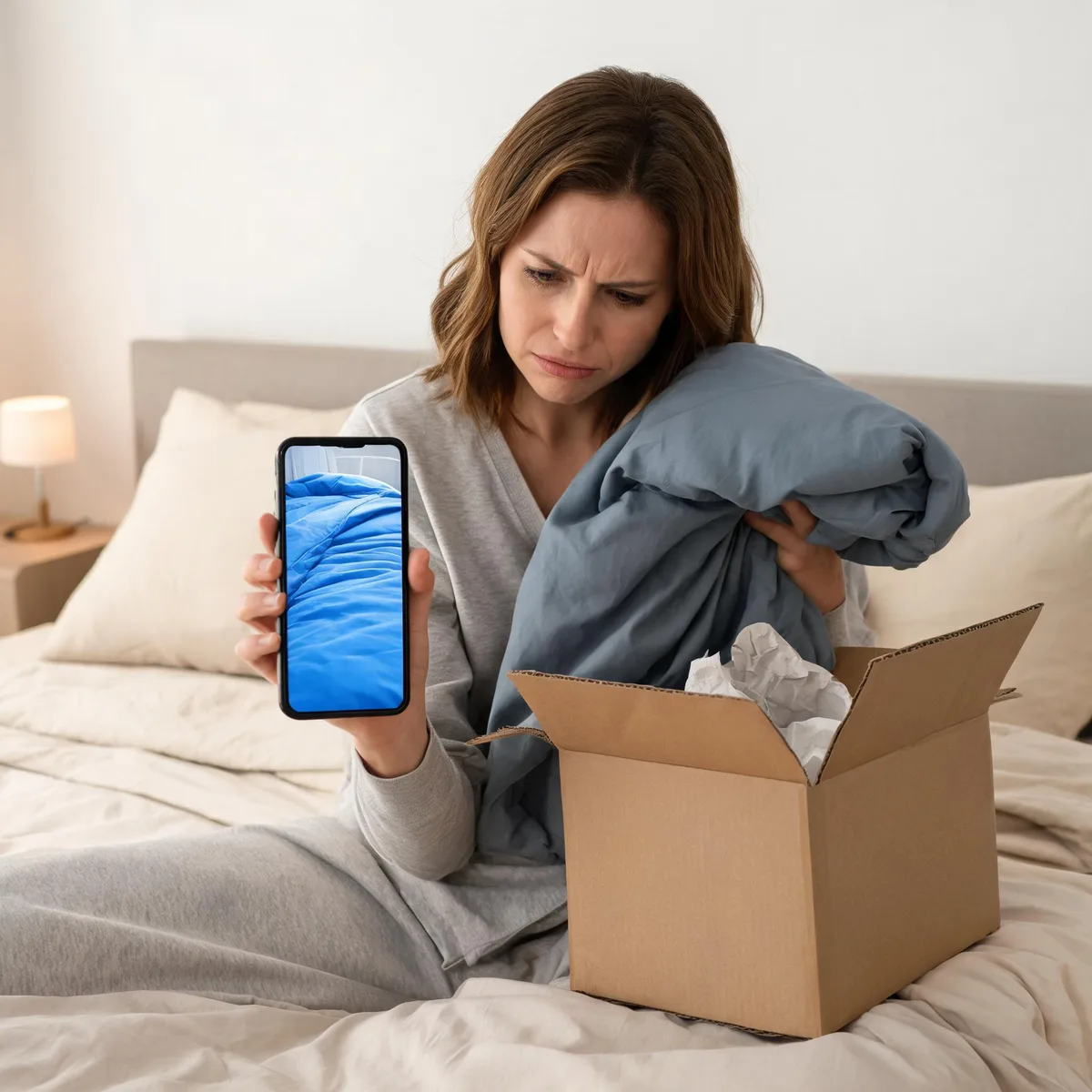
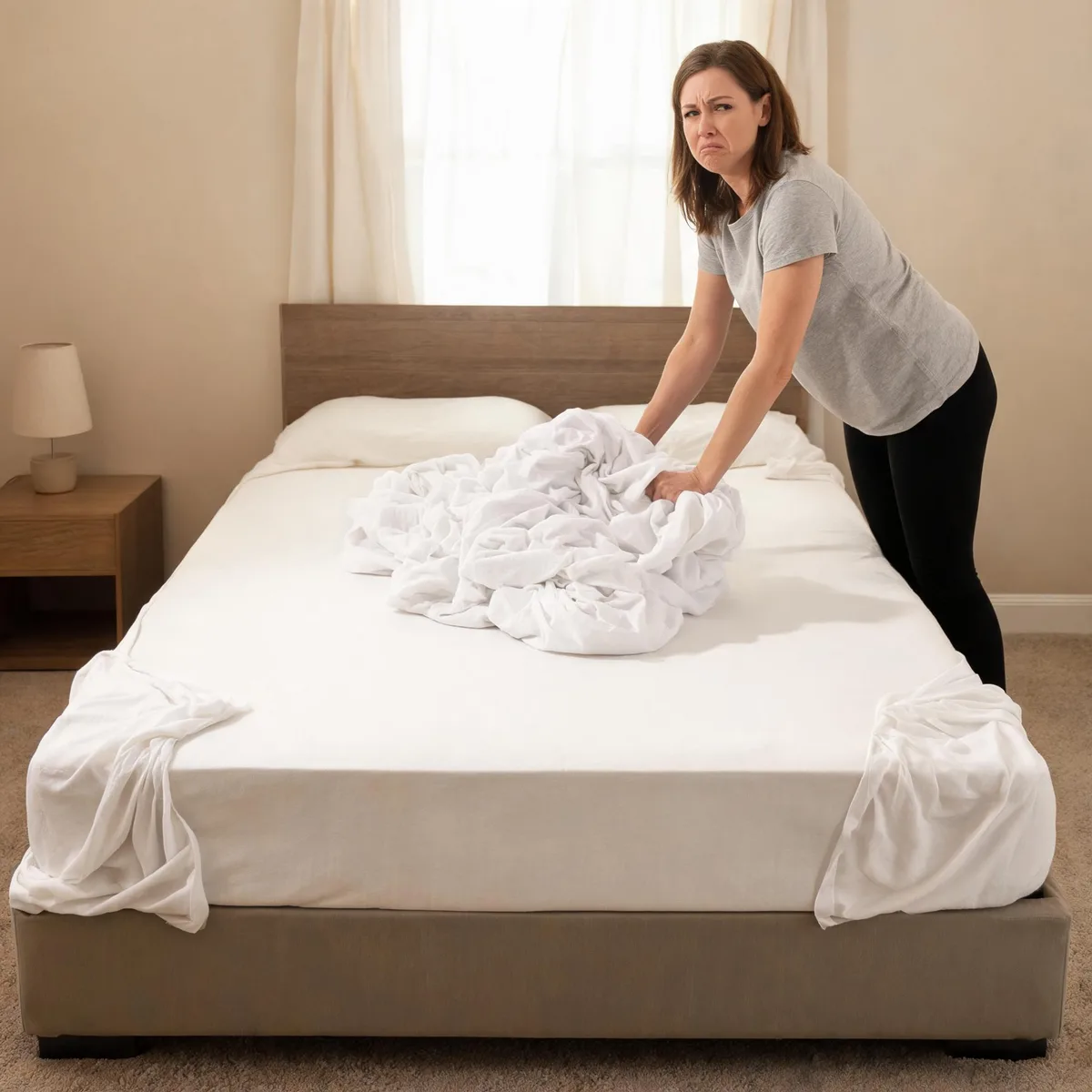
Many consumers’ top demands for bedding are often attractive appearance and skin-friendly feel, but they often ignore the core attribute of durability. After all, a set of bedding can be used for several months at least, and even several years at most. Once damage or deformation occurs, the loss far exceeds the cost of purchasing the product. Our analysis based on 195,723 real user reviews covering 49,913 products shows that 27% of negative reviews for bedding are related to poor durability and easy damage, accounting for a much higher proportion than common problems such as color difference, odor and hand feel, making it a veritable hidden pit in the industry. You have probably encountered a similar scenario: you get interested in a 4-piece bedding set with fresh patterns when browsing social platforms, and spend hundreds of yuan on it. When you first put it on the bed, it feels smooth against the skin and fits perfectly, and you get lots of likes after posting photos on social media. However, after machine washing it once with cold water as instructed on the care label, either the elastic of the fitted sheet becomes so loose that it cannot wrap around a 1.8m mattress, or the duvet cover shrinks so much that it cannot fit the original duvet insert, even the corners come apart and threads fall off. You feel it a pity to throw it away, but annoying to keep using it, so you can only leave it idle in the closet eventually.
Why Is Bedding Poorly Durable and Easy to Damage? —— In-depth Analysis of Root Causes
Poor durability of bedding is never a matter of “bad luck”. Essentially, it is the result of the combined effect of unqualified materials, jerry-built craftsmanship, and improper usage habits. We analyze them one by one from a professional perspective:
Material End: Low-quality Raw Materials Reduce Service Life from the Source
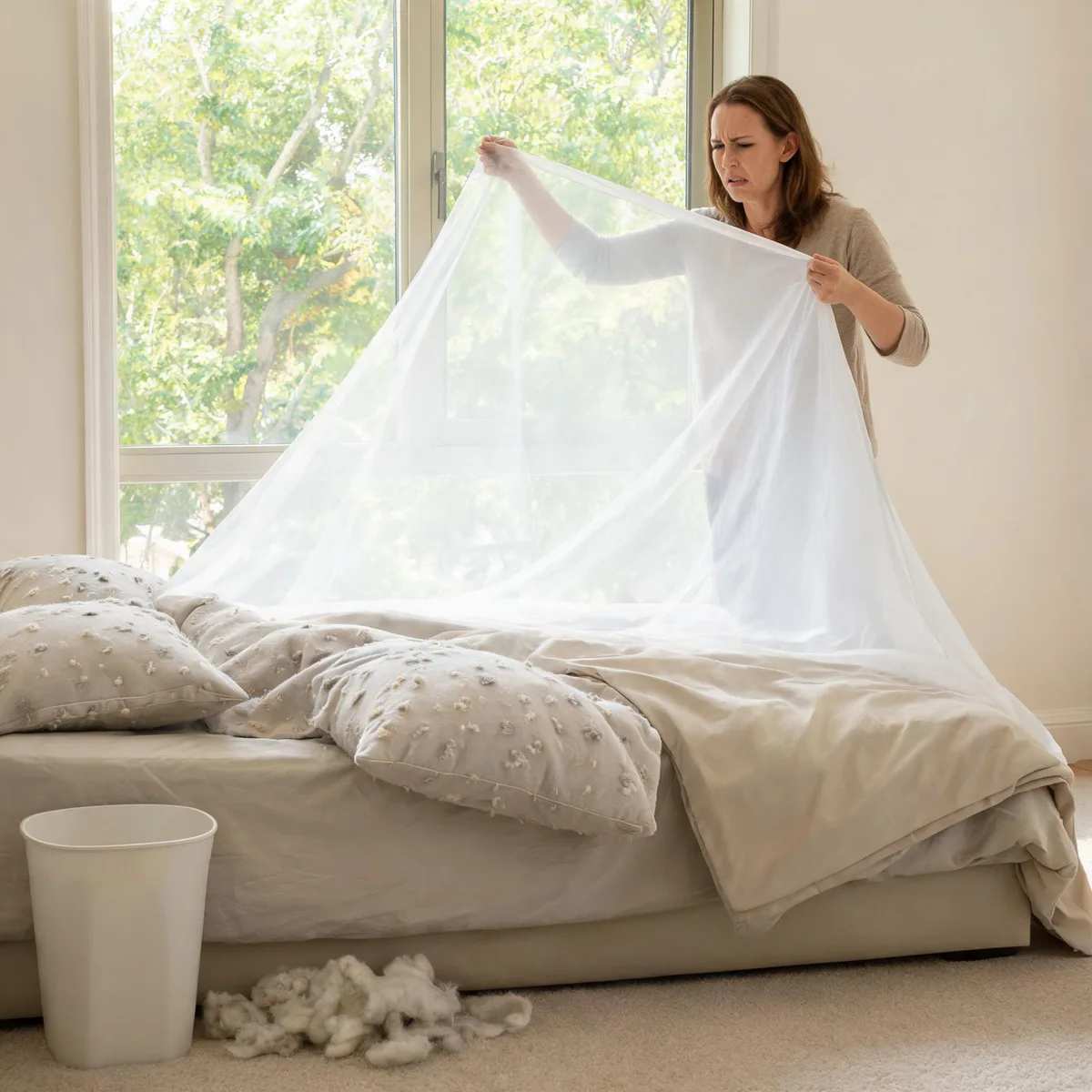
From the perspective of material science, the tensile strength and wear resistance of fabrics are directly determined by the grade of raw materials and gram weight. To cut costs, many low-priced products use low-grade short-staple cotton or recycled chemical fiber raw materials, which have short fiber length, high impurity content, and far lower cohesive force than qualified raw materials. In addition, manufacturers deliberately reduce the gram weight to control costs, making the fabric so thin that you can see your hand shadow through it. Friction from turning over during normal use and pulling of water flow during washing can easily cause fiber breakage and holes. Just as a user mentioned in the negative review: “All pieces of this sheet set was horrible. You can see through all pieces they’re so thin”. The wear-resistant life of such low-gram-weight fabrics is often only 1/3 of that of qualified products, and it is normal for them to wear out in less than 1 month.
Craft End: Jerry-building Is the Core Cause of Damage
Most problems of damage after one wash are caused by jerry-building in the manufacturing process, which falls into four common categories:
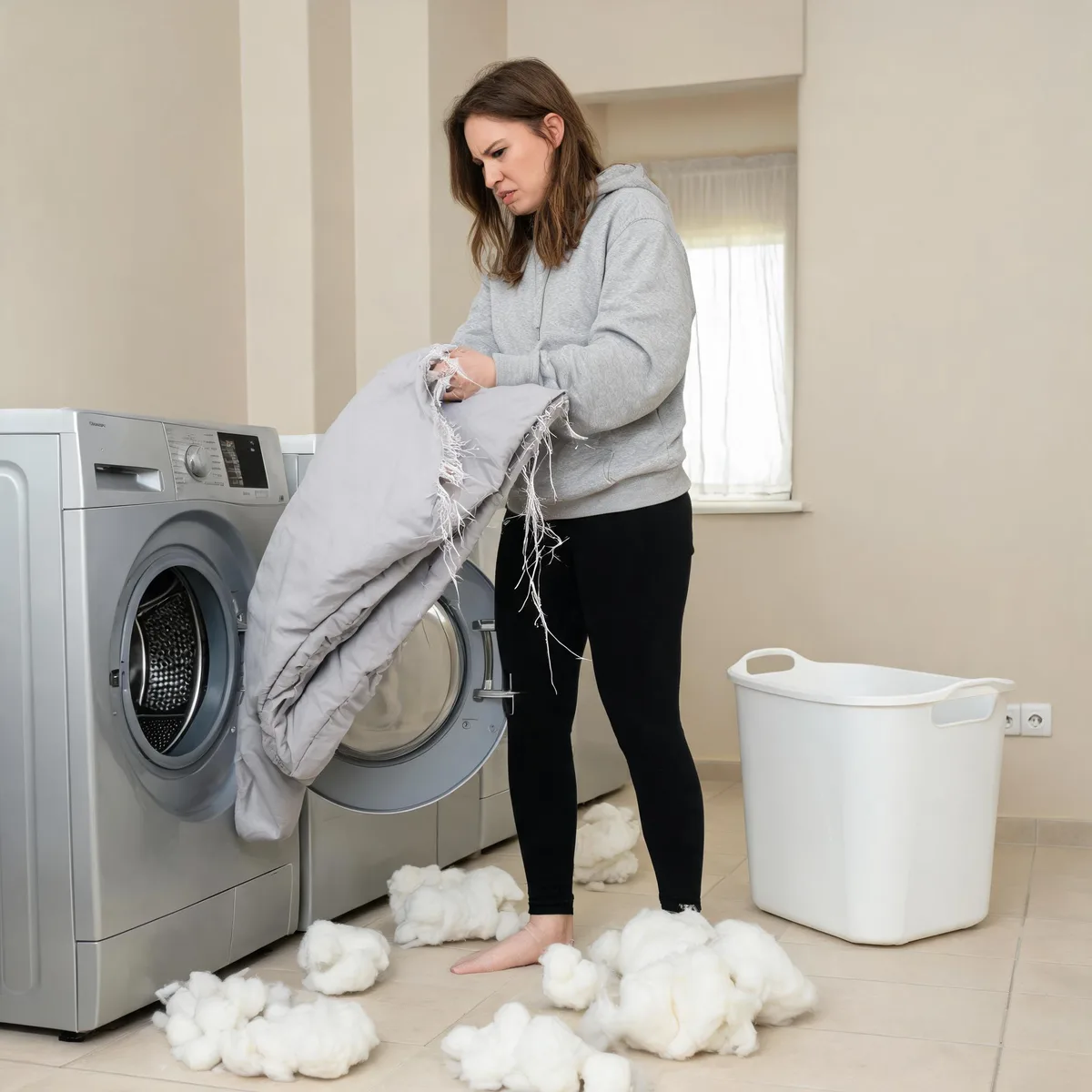
- Unqualified sewing process: The suture density of qualified bedding should reach 8-10 stitches per centimeter, and high-tensile long-fiber sewing thread should be used. However, to improve production speed, many products reduce the suture density to 3-5 stitches per centimeter, and use inferior short-fiber sewing thread whose tensile strength is only half of the qualified standard. It is very common to have loose threads and open seams after one wash, as mentioned in user negative reviews: “Poor sewing” “The stitching is poorly done”.
- Poor filling fixing process: Products with fillings such as duvet inserts and pillow cores need to fix the fillings on the fabric through quilting process. The spacing between quilting positioning points of qualified products will not exceed 20cm, while the spacing between quilting points of many low-priced products exceeds 40cm. Just like down jackets without positioning, the fillings will shift and clump with the water flow during washing, and can never be fluffed up again.
- Fabric without pre-shrinking treatment: Natural cotton fiber will generate internal stress during the spinning and weaving process, and will shrink when the internal stress is released after encountering water. Qualified pure cotton products will undergo pre-shrinking treatment to control the shrinkage rate within 3%, so deformation is almost imperceptible; while products without pre-shrinking treatment may have a shrinkage rate of more than 8%, and a 2m duvet cover will only be 1.8m long after washing, which naturally cannot fit the original duvet insert, as mentioned in the user’s negative review: “after just one wash & drying it shank so much I was dismayed”.
- Jerry-built accessories: For accessories such as elastic bands of fitted sheets and zippers of duvet covers, many manufacturers use inferior narrow-width elastic bands and thin zippers, which will lose elasticity or break after one or two washes, as mentioned in the user’s negative review: “Washed one time following instructions and already the elastic is too loose”.
Usage End: Wrong Habits Accelerate Aging
Of course, even qualified products will be damaged faster if used and maintained improperly: for example, washing pure cotton products with hot water above 60°C will accelerate fiber aging and breakage; long-time drying at high temperature will denature elastic bands and chemical fiber fabrics and make them lose elasticity; burrs on the edge of the mattress, and frequent placement of sharp jewelry and keys on the bed will also repeatedly rub the fabric and cause holes.
Comparison of “Poor Durability and Easy Damage” Performance of Different Materials
Many people think that natural materials must be more durable than chemical fibers, but that is not the case. Each material has its inherent characteristics, and the core of durability still depends on the grade of raw materials and craftsmanship. We have sorted out the durability performance of three common types of materials:
| Material Type | Durability Advantages | Common Durability Problems | Performance of Qualified Products (refer to positive reviews) |
|---|---|---|---|
| Pure Cotton | Good friction resistance, not easy to pill after long-term use | Products without pre-shrinking treatment are prone to large shrinkage, and low-count low-density fabrics are easy to wear out | Qualified pure cotton products treated with pre-shrinking will hardly deform after washing and have a good fit, as mentioned in the user’s positive review: “Soft, warm, colorful, fit an extra deep twin xl nicely” |
| Polyester (Microfiber) | Good wrinkle resistance, extremely low shrinkage rate, not easy to deform | Fabrics made of low-gram-weight recycled materials are easy to tear, pill, and may retain chemical odors | Qualified brand-new polyester fabric has much higher durability than low-quality pure cotton, and is not easy to break or deform, as mentioned in the user’s positive review: “Keep in mind they are microfiber not traditional cotton sheets”, products with clearly marked materials have more guaranteed durability |
| Cotton-polyester Blend | Combines the skin-friendly property of pure cotton and the anti-shrinkage advantage of polyester, with good wear resistance | Products with too high cotton content and no pre-shrinking treatment may still shrink, and products with too high polyester content are easy to feel stuffy when sweating | Qualified cotton-polyester blend products usually have a shrinkage rate of less than 2%, can remain flat without ironing after washing, and have better durability than ordinary pure cotton products |
How to Avoid Poor Durability and Easy Damage? —— Purchase and Usage Guide
We have sorted out practical judgment standards from the two dimensions of purchase and use to help you avoid durability pitfalls:
Focus on These Hard Indicators When Purchasing
You don’t need to pursue high prices. As long as you pay attention to these parameters, you can filter out most products that are easy to break:
- Fabric parameters: For pure cotton products, give priority to those with yarn count ≥ 30 counts and gram weight ≥ 120g/㎡; for polyester products, give priority to those with gram weight ≥ 100g/㎡. If you can clearly see your hand shadow through the fabric when holding it up to the light, it means the gram weight is too low, and it is not recommended to buy.
- Process parameters: Give priority to products marked with “pre-shrunk treatment” and “shrinkage rate ≤ 3%”; for duvet inserts and pillow cores, check the quilting positioning points, products with a spacing of no more than 20cm (about the width of a palm) are not easy to have filling shift; if there is a display picture of the seam edge, give priority to products with double stitching, uniform stitching without skipped stitches, and it is best to have no less than 8 stitches per centimeter.
- Accessory parameters: Give priority to fitted sheets with elastic band width ≥ 2cm, and duvet covers with metal or thickened resin zippers. The durability of accessories often determines the service life of the whole set of products.
Craft Details Worth Spending More On
If your budget allows, these processes can greatly extend the service life of the product: corner reinforced stitching, edge wrapping process, anti-wear corner design. These details do not add much cost, but can increase the durable life of the product by 1-2 times.
Correct Use and Maintenance Methods
Even for qualified products, correct maintenance can make them last for several more years:
- Wash with cold water or warm water below 30°C, do not use hot water above 60°C, choose the gentle mode, and do not wash with sharp objects (such as zipper jackets, keys).
- When drying, choose the low temperature gear or Permanent Press gear, do not dry at high temperature for a long time, especially for fitted sheets and other products with elastic bands, high temperature will denature the rubber and lose elasticity.
- Do not wring duvet inserts and pillow cores hard after washing. Pat them gently every 1 hour during hanging and drying to disperse the fillings evenly and avoid clumping.
Correction of Common Misconceptions
- Misconception 1: The softer the fabric, the better the quality. Many low-gram-weight inferior fabrics are soaked in softener, which feels very soft when you first get them, but will become hard and have holes after one wash. Do not judge the quality only by hand feel.
- Misconception 2: Natural materials must be more durable than chemical fibers. The durability of low-quality short-staple cotton is far lower than that of qualified polyester products. There is no difference between high and low materials themselves, and the grade of raw materials and craftsmanship are the core.
- Misconception 3: Washing according to the care label will not cause damage. The care label gives the minimum requirement. Even if it is marked as suitable for high-temperature drying, long-term high temperature will accelerate fabric aging. Using mild washing methods as much as possible will make the product more durable.
“Pit Avoidance” Lessons from Real Users
We selected the most representative user pitfall cases from 190,000 reviews to help you avoid pitfalls from others’ experience:
Case 1: “Washed one time following instructions and already the elastic is too loose.”
Lesson Summary: When buying a fitted sheet, do not only look at the fabric pattern, focus on checking the width of the elastic band and the fixing process. Give priority to products with wide-width elastic bands and reinforced stitching at the four corners to avoid losing the wrapping force after one wash.
Case 2: “Too much shrinkage! The colors of this duvet are lovely and they are why I purchased it. However, after just one wash & drying (cold water/permanent press dryer setting) it shank so much I was dismayed.”
Lesson Summary: Do not choose products only based on appearance and pattern. Give priority to checking whether it is marked with pre-shrinking treatment. If natural fabric products are not marked with shrinkage rate ≤ 3%, they are very prone to excessive shrinkage, and cannot match the size of the duvet insert and mattress after washing.
Case 3: “Not microfiber, Low Quality thin linens. Poor sewing. From all the good reviews I bought these sheets. Big Mistake! There thin, and fit my Cal King bed Sloppy. The stitching is poorly done.”
Lesson Summary: When purchasing, do not only look at the overall positive review rate. Focus on checking the feedback in reviews about fabric thickness and stitching process. See-through low-gram-weight fabrics and products with sparse stitching generally have poor durability. Do not buy blindly just because there are many positive reviews.
Case 4: “the cases are permeated with a horrible chemical smell which DOES NOT wash out.”
Lesson Summary: If the newly received product has a strong pungent chemical odor, it is often made of recycled low-quality raw materials. It is not only poor in durability, but also may have health risks. Do not use it reluctantly, and it is recommended to apply for return or exchange directly.
Related Deep Analysis in This Category
- False Advertising & Product Mismatch — 21% of complaints relate to this
- Poor Fabric Quality — 45% of complaints relate to this
- Wrong Size & Poor Fit — 32% of complaints relate to this
🛠️ Practical How-To Guides
Based on the analysis above, we've prepared actionable daily solutions for you:
How to Choose Durable Bed Linens: 4 Process Checks to Pick Pieces That Last Over 3 Years
Teach you to quickly identify low-quality and non-durable bed linens from 4 dimensions: suture density, quilting positioning, fabric weight, and pre-shrinking treatment, with a pit avoidance rate of over 90%.
Read Full Guide →How to Fix Common Bed Linen Damage: 3 Zero-Cost Repair Tips
Teach you practical quick repair tips without professional tools for three common damages: suture fraying, filling clumping, and small holes.
Read Full Guide →How to Maintain Bed Linens to Extend Lifespan: 2 Daily Habits to Double Their Service Life
Explain practical methods to reduce fabric wear and avoid local stress damage during daily use, suitable for all ordinary family usage scenarios.
Read Full Guide →How to Wash Bed Linens to Prevent Damage: 3 Care Tips to Keep Them As Good As New After Washing
Provide operable washing and drying tips for ordinary people at home to solve three common washing damage problems: suture fraying, filling clumping, and shrinkage deformation.
Read Full Guide →