Poor Quality and Easy to Damage in Dining Ware: What 242,872 Reviews Reveal
Poor Quality and Fragility: The “Hidden Killer” in the Tableware Industry
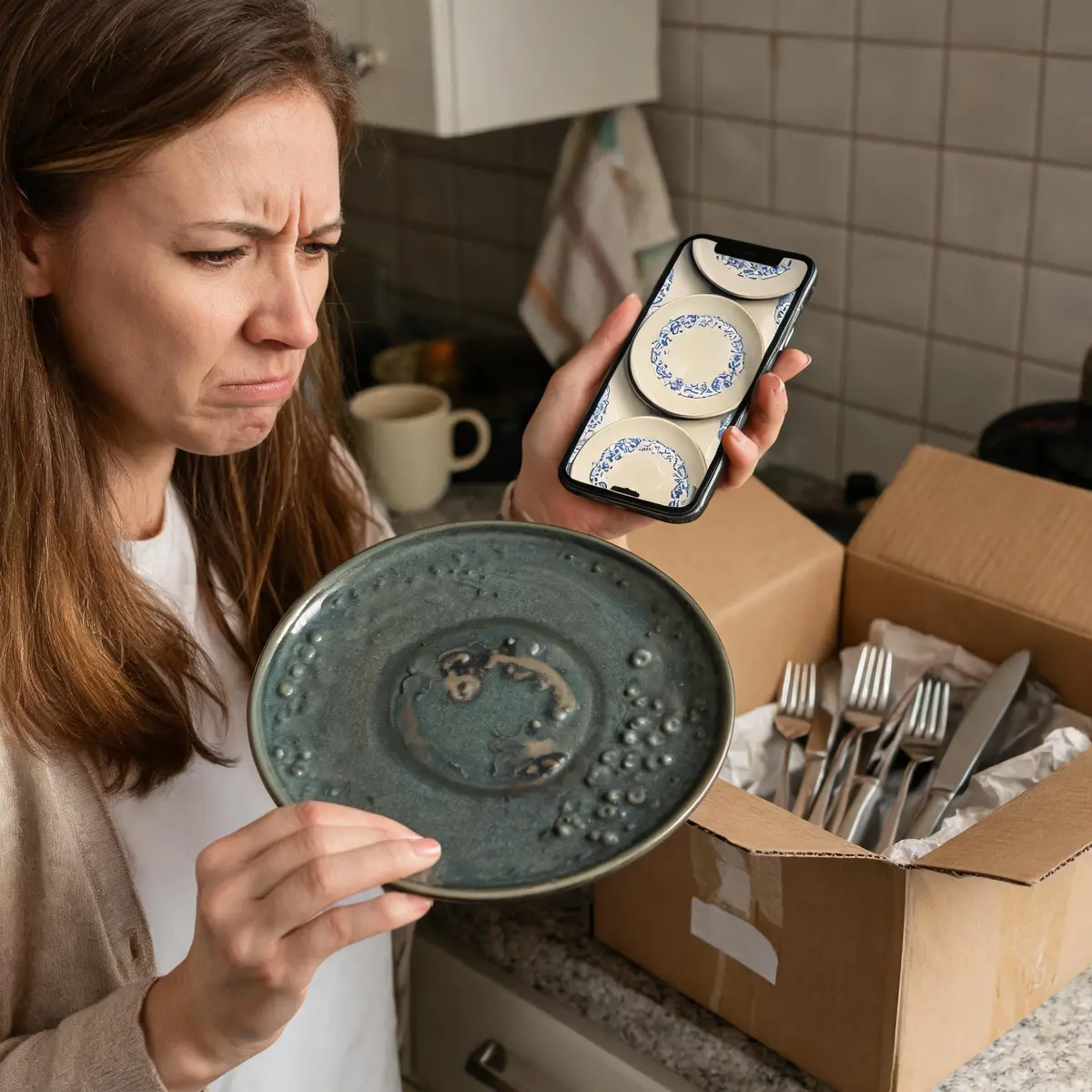
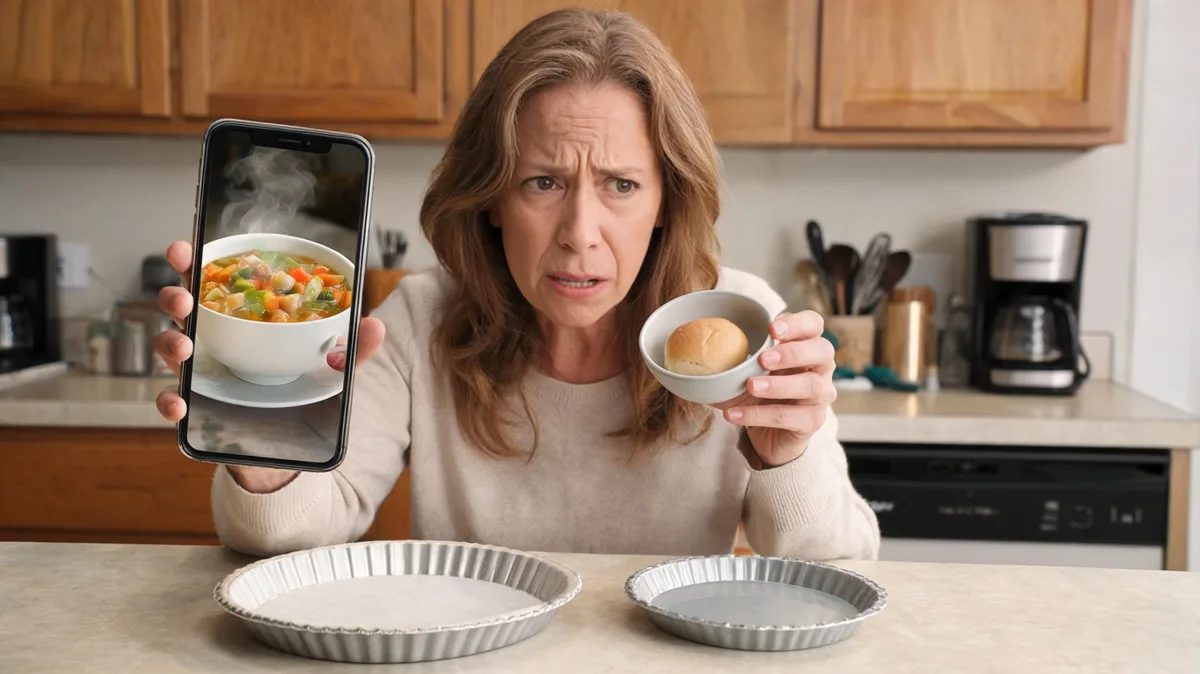
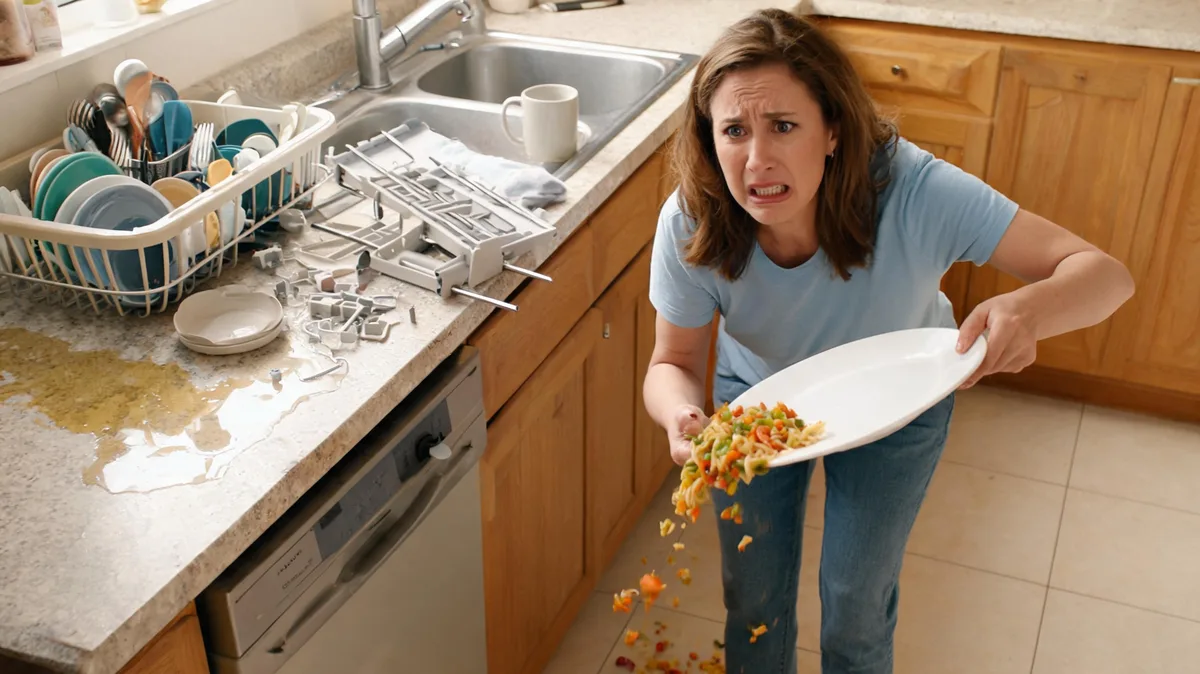
Have you ever had this experience: You carefully picked out a set of eye-catching tableware to match the decor of your new home, only to find two pieces broken when you unboxed it. The remaining pieces lasted less than three months: a ceramic bowl chipped after a light knock on the countertop, the edge of a stainless steel spoon started rusting, a plastic plate deformed directly after holding hot soup, and you ended up throwing everything in the trash. Not only was your money wasted, but your mood for eating was completely ruined. Our analysis based on 242,872 real user reviews covering 37,254 tableware products shows that 42% of negative reviews are related to “poor quality and easy damage”. This problem has become the most common “hidden killer” in tableware consumption, even far exceeding the proportion of complaints about issues such as color difference and wrong delivery.
Why Is Tableware of Poor Quality and Easy to Damage? — In-depth Dissection of Root Causes
Tableware damage may seem to be caused by careless use, but in fact 80% of the problems have hidden risks buried in the production and circulation links. We dismantle the core causes across the entire chain from supply chain to user end:
- Cost cutting on the material end: Many low-price focused merchants drastically lower raw material standards to control costs: they use low-grade iron sheet as thin as 0.3mm instead of standard 1mm food-grade stainless steel, clay sintered at a low temperature of 800℃ instead of porcelain clay sintered at a high temperature of over 1200℃, and recycled plastic instead of food-grade virgin material. The structural strength of these raw materials is only 30%~50% of that of qualified raw materials, so they naturally break after very little use. As mentioned in a user’s negative review, “Extremely thin, like trash”, which is a typical performance of raw material downgrade.
- Substandard core processes: The durability of tableware is highly dependent on key processes: if ceramic products have insufficient glazing temperature and insufficient glaze layer thickness, they are prone to chipping and scratching; if metal tableware has unqualified quenching process and insufficient steel hardness, it will deform with a light bend; if plastic tableware has insufficient injection pressure, there will be a large number of bubbles inside, and it will crack with a light fall. This is like underbaked bread, which is wet and soft inside and falls apart at the touch.
- Complete lack of quality control system: Regular tableware manufacturers will complete 1.2-meter drop tests, 1000 bending tests, and -20℃ to 120℃ temperature cycle tests before delivery to eliminate defective products, but many small manufacturers completely skip these links, with a defective rate of more than 15%, and the products directly flow into the market.
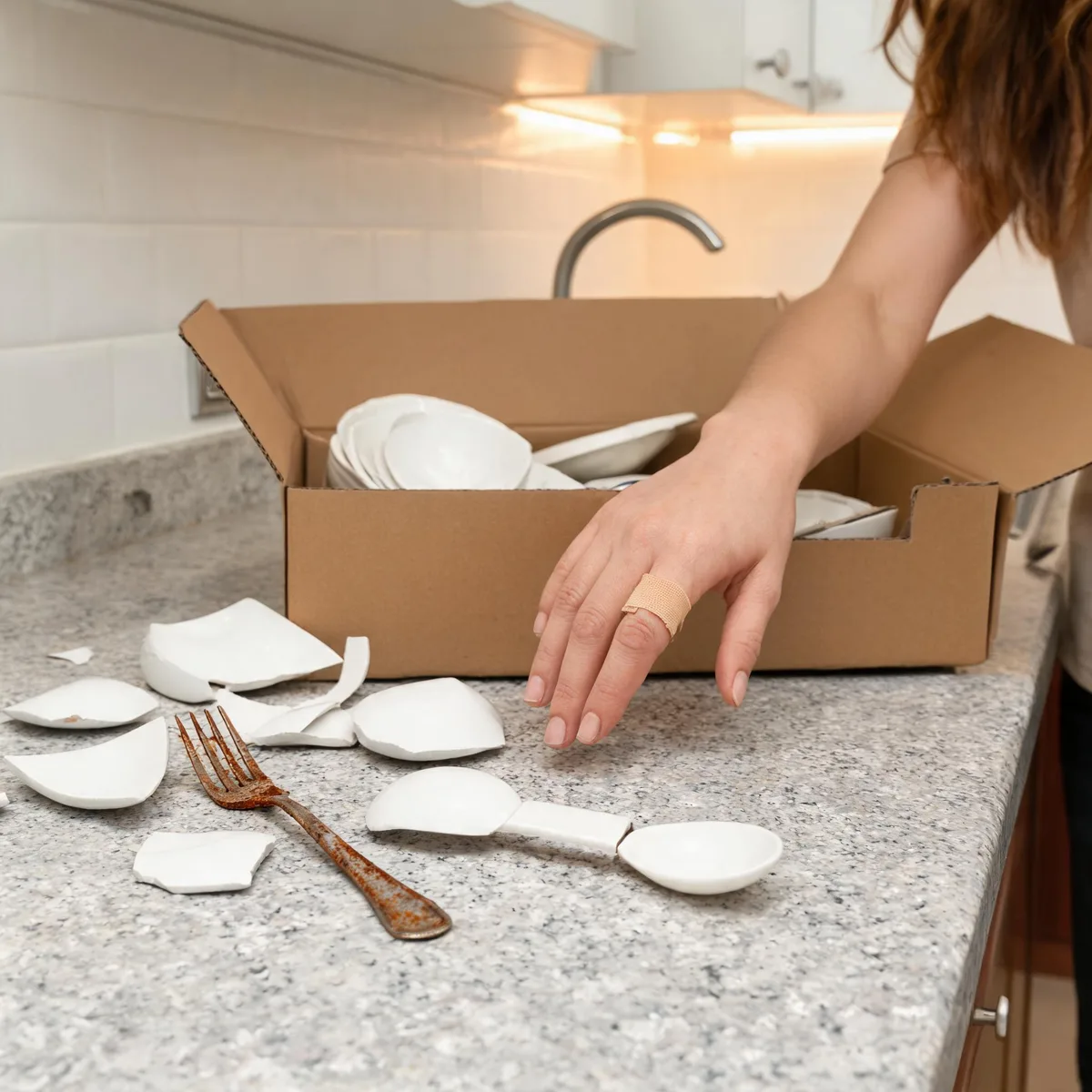
- Insufficient transportation protection: If fragile tableware is only packed in ordinary cartons without buffer layers such as air column bags and custom foam, bumps and drops during transportation will cause more than 30% of products to have hidden cracks or be directly broken. As mentioned in a user’s negative review, “The box was a mess, most of the plates were broken”, which is typical damage caused by lack of packaging protection.
- Mismatched use scenarios: Many consumers put plastic tableware that is not heat-resistant into the microwave oven, and put ceramic tableware not marked as dishwasher-safe into the dishwasher. Long-term high temperature and high pressure water scouring will accelerate material deterioration, and tableware that could have been used for 3 years may have cracking and deformation problems in only half a year.
Comparison of “Poor Quality and Fragility” Performance for Different Materials
The durability of tableware of different materials varies greatly. We have compiled a performance comparison of various materials combined with user reviews to help you build a clear understanding:
| Material Category | Common Damage Symptoms of Inferior Products | Performance of High-quality Products (refer to user positive reviews) | Inherent Limitations |
|---|---|---|---|
| Ceramics (including porcelain, pottery) | Chipping and cracking when knocked, easy to crack under sudden temperature changes, glaze surface is easy to scratch and peel off | Sintered at high temperature above 1200℃, dense glaze without pinholes, not easy to chip under normal knocking, suitable for dishwasher and microwave use (as mentioned in user review: “Sturdy Unlike any I have ever found in stores”) | Still at risk of breaking in case of severe drop (e.g. falling from a height of more than 1 meter onto cement floor) |
| Stainless steel (including cutlery, plates) | Easy to rust, sharp edges cut hands, deforms with light bending, surface coating peels off easily | High-grade steel meeting food contact standards, wall thickness ≥1mm, polished and chamfered edges, no obvious deformation or rust after long-term use (as mentioned in user review: “Good in looks and durability”) | Long-term contact with high-salt, strong-acid food without timely cleaning may produce trace rust spots |
| Plastic/plant composite (including wheat straw, polypropylene tableware) | Deforms when heated, has peculiar smell, easy to crack brittlely, surface dye peels off easily | Injection molded from food-grade virgin material, temperature resistance range covers -20℃~100℃ and above, no breakage under normal bending, no peculiar smell precipitation | Not suitable for long-time high temperature heating (e.g. ovens above 120℃, high-temperature frying environments) |
| Melamine (imitated porcelain tableware) | Precipitates harmful substances when heated, surface is easy to crack and shed residues, easy to be dyed | Molded from 100% melamine raw material, drop and impact resistant, suitable for dishwasher cleaning, no cracking after long-term use | Cannot be heated in microwave oven, long-term contact with high temperature above 120℃ will cause material deterioration |
How to Avoid Poor Quality and Fragile Tableware? — Purchase and Use Guide
Combined with the 4 most concerned issues of consumers, we have compiled practical purchase and use principles:
Core Purchase Judgment Criteria
- For “How to choose tableware that is not easy to break or rust”: Prioritize thick-walled high-grade stainless steel tableware, strengthened porcelain tableware, and high borosilicate glass tableware that meet food contact standards. The impact resistance of these products is 2~3 times that of ordinary materials, and they are not easy to rust or break under normal use.
- For “How to choose tableware that is not easy to peel or deform”: For ceramics, prioritize products with underglaze color technology, the pigment is completely covered by the glaze layer and will not peel off; for metal products, prioritize uncoated one-piece molded products, no coating peeling will occur; for plastic products, prioritize food-grade virgin material products marked with heat resistance ≥100℃, which are not easy to deform.
- For “How to avoid receiving damaged tableware when buying online”: Before placing an order, check whether the product detail page clearly indicates buffer packaging (such as air column bags, custom foam liners), and whether the merchant provides a damaged product compensation service; inspect the goods immediately after receiving them, contact the merchant directly if damage is found, and do not use tableware with hidden cracks.
- For “How to choose tableware with smooth edges that do not cut hands”: When purchasing, pay attention to whether the product description mentions process descriptions such as “edge polishing” and “chamfering treatment”, you can also refer to reviews from other users. If more than 3% of the reviews mention sharp edges and burrs, it means the product process is substandard.
Correct Use and Maintenance Principles
- Avoid sudden temperature changes for ceramic tableware, do not put bowls that have just held hot soup directly into the refrigerator;
- Do not store high-salt, strong-acid food in stainless steel tableware overnight, clean and dry it in time after use;
- Only tableware clearly marked “microwave safe” and “dishwasher safe” can be put into the corresponding appliances;
- Do not repeatedly wipe the glaze and metal surfaces with steel wool when cleaning tableware, to avoid scratches that accelerate damage.
Correction of Common Misconceptions
- Lighter tableware is not always better: Many merchants reduce wall thickness to cut costs, the weight of tableware of the same size is more than 30% lighter than qualified products, which makes it easier to damage;
- More expensive tableware is not always more durable: Some design-focused tableware sacrifices structural strength for appearance, for example, thin-walled bone china tableware is easier to break than ordinary thick-walled ceramics;
- “Natural materials” are not necessarily more durable: Many composite tableware marketed as wheat straw or bamboo fiber, if inferior adhesive is used, are more likely to crack brittlely than ordinary plastic tableware.
“Pit Avoidance” Lessons from Real Users
We selected 4 most representative cases from tens of thousands of negative reviews to help you avoid traps from other people’s experiences:
- User Review: “Junk Do not buy! This is very flimsy. It is a piece of junk.” Lesson Summary: After receiving the tableware, you can first simply test the structural strength: gently bend the handle of metal tableware, if there is obvious deformation, the wall thickness is unqualified; gently tap plastic/ceramic tableware with your finger, if the sound is muffled or has abnormal noise, there may be hidden cracks inside or loose material, the durability will be very poor, it is recommended to apply for return or exchange directly.
- User Review: “these are beautiful, but broken. the box they were in was a mess, and most of the dishes were broken.” Lesson Summary: Before buying fragile tableware online, first confirm the merchant’s packaging protection plan. The transportation damage rate of products without clearly marked buffer packaging is more than 3 times higher; inspect all parts immediately after receiving the goods, do not wait until use to find damage, which will greatly increase the difficulty of rights protection.
- User Review: “headache This item took an unneccessary amount of time to assemble and is flimsy and cheap feeling and looking. Very disappointed in the quality” Lesson Summary: For tableware that requires self-assembly (such as spliced cutlery, bowls with detachable handles), if the interface is obviously loose and wobbly after assembly, it means the process accuracy is unqualified, it is easy to break at the interface after long-term use, and there is a safety hazard of scratching.
- User Review: “Prettier than I thought it would be but broken and charged twice for the many that I purchased I purchased several different styles of the Elements Nativity. I was excited about the size and the weight of the items. They all came in broken.” Lesson Summary: Do not order tableware just because of its appearance. Many niche design-focused tableware will downgrade packaging and raw materials to control costs, and their breakage and damage rate are much higher than conventional products. Before placing an order, be sure to check other users’ reviews on durability and packaging, and do not be misled by the appearance of the main product image.
Related Deep Analysis in This Category
- Goods Not As Described & Poor Quality Control — 22% of complaints relate to this
- Size & Specification Not As Advertised — 35% of complaints relate to this
- Unreasonable Design & Functional Defects — 28% of complaints relate to this
🛠️ Practical How-To Guides
Based on the analysis above, we've prepared actionable daily solutions for you:
Don't Just Buy for Looks! Choose These 3 Durable Materials to Say Goodbye to Rust and Peeling
A deep dive into the material dos and don'ts for metal, ceramic, and plastic tableware, teaching you to spot flimsy materials and choose truly durable options.
Read Full Guide →Tableware Cracking or Peeling After a Few Uses? Stop These 4 Fatal Daily Habits Now!
Uncover mistakes like extreme temperature changes and harsh cleaning that accelerate damage, plus a 1-minute home test to spot hidden cracks and defects early.
Read Full Guide →Tired of Broken Tableware Delivered? 3 Pro Tips for Checking Packaging and Inspecting Your Unboxing
From asking the right packaging questions before buying to the shake-and-listen unboxing trick, drastically reduce broken deliveries and keep sellers accountable.
Read Full Guide →How to Avoid Bakeware Coating Peeling, Deformation and Melting: 3 Rules Before Oven Use
Clarify the high temperature resistance limit and use taboos of different bakeware materials, completely solve the problems of coating peeling, deformation and melting during use.
Read Full Guide →How to Choose Durable Home Bakeware That Won't Rust or Peel
Start with material and craft details to avoid common pitfalls of low-cost inferior bakeware, and pick the right product that can be used for years.
Read Full Guide →How to Identify Inferior Bakeware Before First Use
Judge the quality of bakeware in 3 steps: touch the edge, check the coating and verify the label, to avoid using inferior products that are easy to break and may endanger health.
Read Full Guide →How to Prevent Bakeware From Rusting: 4 Daily Cleaning & Storage Tips
Aiming at rust caused by curled edge water accumulation and improper cleaning, teach you correct daily after-use care methods to greatly extend the service life of bakeware.
Read Full Guide →