Misleading Product Images in Party Decor: What 326,970 Reviews Reveal
Product Image Misleading: The “Invisible Killer” in the Party Decorations Industry
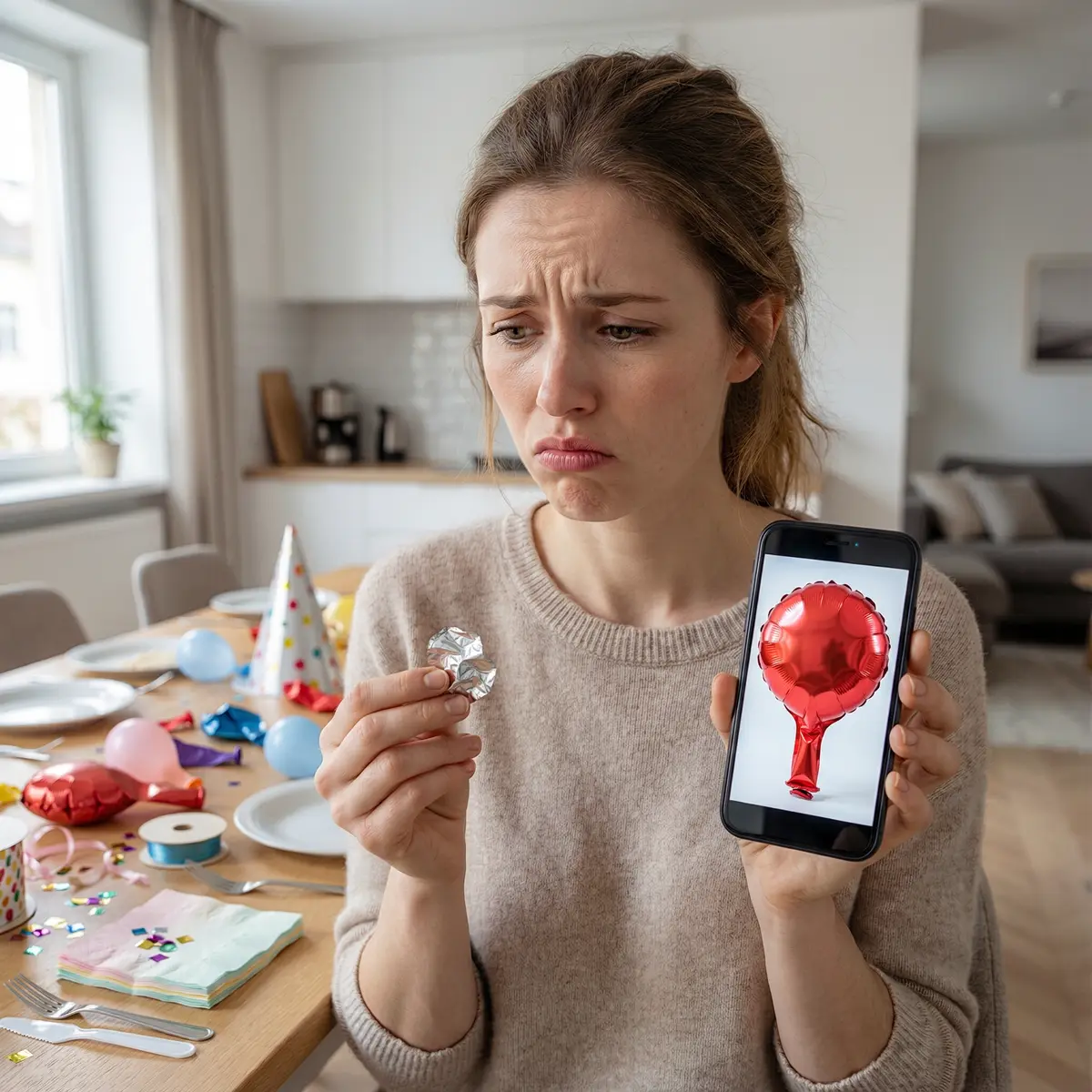
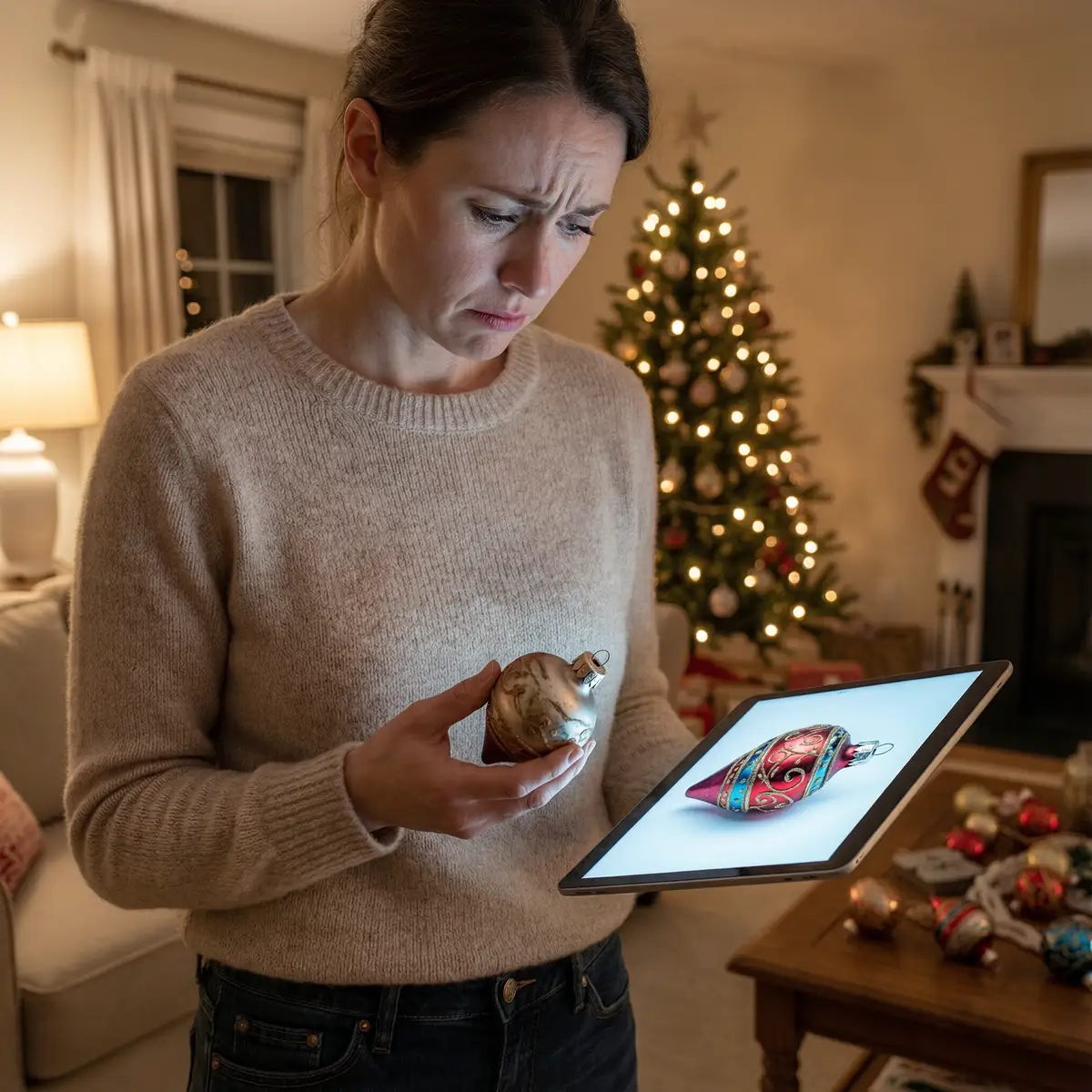
In today’s e-commerce era, consumers are increasingly reliant on online shopping. However, for the category of party decorations, the discrepancy between the actual product and the product images often becomes a major concern for consumers. According to our analysis, out of 326,970 genuine user reviews, 20% of the negative reviews are related to issues of misleading product images. This not only affects the consumer’s shopping experience but also damages the merchant’s reputation.
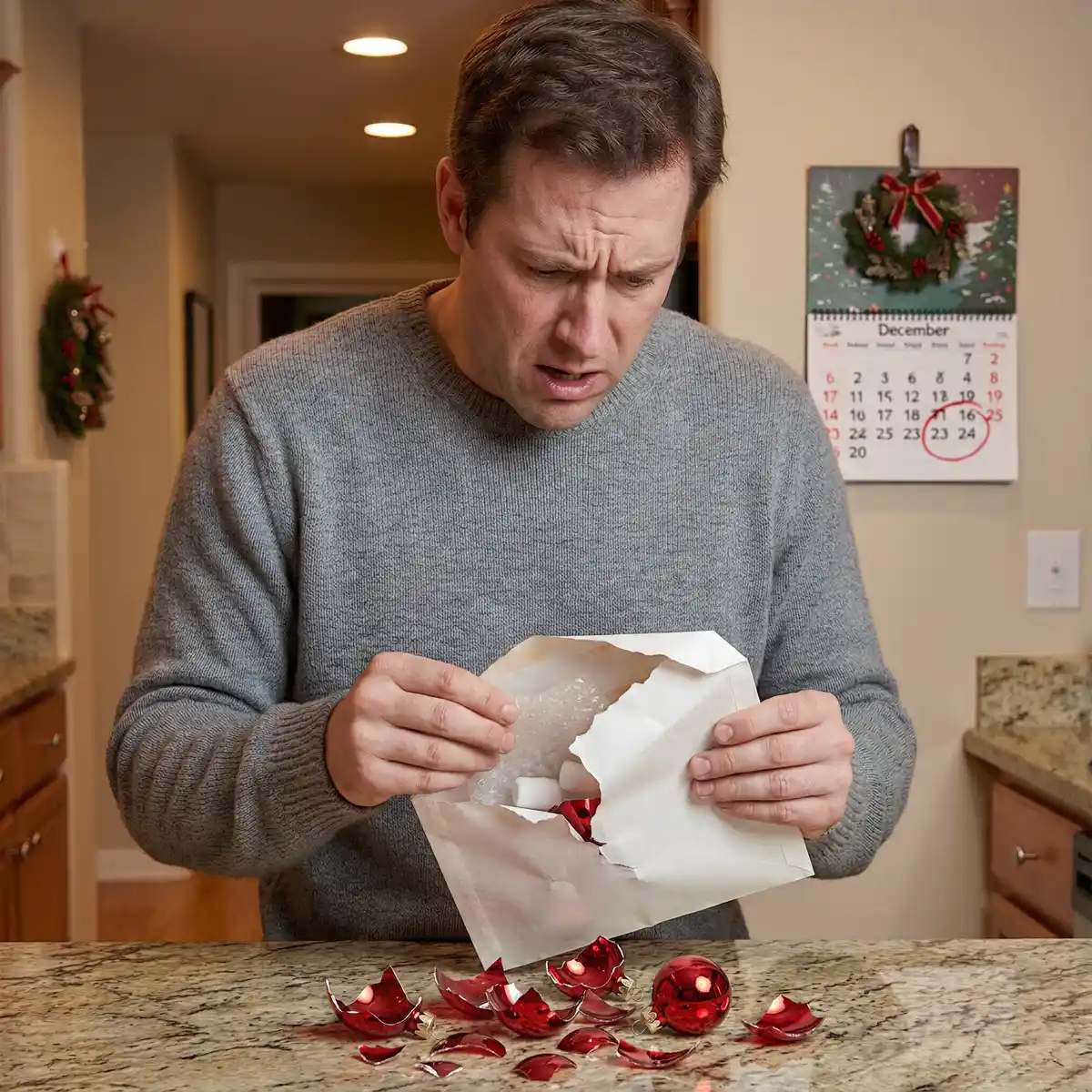
Imagine this scenario: You carefully select a Christmas decoration for an upcoming family gathering, eagerly awaiting its arrival. However, when you open the package, you find that the actual product is vastly different from the image—dull colors, rough materials, and even some parts are damaged. This feeling of disappointment and dissatisfaction is exactly what many consumers experience when purchasing party decorations.
Why Does Product Image Misleading Occur? — A Deep Dive into the Root Causes
Material Science Perspective
From a material science perspective, the differences between product images and the actual products mainly stem from the following aspects:
- Color Reproduction: Different materials perform differently under various lighting conditions. For example, metallic materials may appear more lustrous under strong light but dull under weak light.
- Texture Representation: Images cannot fully convey the true texture of materials. For instance, plastic and glass may look very similar in pictures, but they feel distinctly different when touched.
- Photography Angles: Photography angles and lighting conditions can affect the visual appearance of the product. Some angles may hide product defects, while others may magnify them.
Case Analysis:
- User Review: “Green tint…VERY NOTICEABLE Bad quality. Arrived with some weird green tint and I even tried using a magic eraser to try to remove it. No luck. Wouldn’t recommend. This was supposed to be a gift.”
- This review reflects a situation where the color in the product image does not match the actual product. The green tint may not be noticeable in the picture but is very apparent in real use, leading to customer disappointment.
Manufacturing Process Perspective
Manufacturing processes are also a significant factor in causing misleading product images. Some merchants, in pursuit of aesthetics, may use special lighting and backgrounds during photography to cover up the actual defects of the product. Additionally, low-cost production methods can lead to unstable product quality, further widening the gap between images and reality.
Case Analysis:
- User Review: “santa bag with glued eyes This bag arrived with one eyeball off and the other dangling off. They were attached by glue. The bag itself was ok.. fairly thick… just a shame that it was so junky looking with glued on eyes. I couldn’t use it for what I had planned. Honestly, I just tossed in the tra”
- This review reveals some quality issues in the manufacturing process, such as glued-on eyes that easily fall off, resulting in a poor appearance.
Usage Habits Perspective
Consumers’ expectations of product appearance are often based on their personal experiences and aesthetic preferences. However, these expectations can be influenced by various factors in actual use. For example, a consumer may expect a product to have a certain effect under specific lighting conditions, but the reality may not meet these expectations.
Case Analysis:
- User Review: “Timely to put together. Somewhat difficult to see-doesn’t stand out as expected. Not worth the cost.”
- This review reflects the gap between the consumer’s expectations and the actual performance of the product. The product did not achieve the desired effect after assembly, leading the consumer to feel it was not worth the price.
Comparison of “Product Image Misleading” Across Different Materials
| Material | Advantages | Limitations | Typical Positive Reviews |
|---|---|---|---|
| Plastic | Lightweight, Low Cost | Prone to Deformation, Poor Texture | “Cute Very cute my kids loved that it lit up! Good price. We received the snowman not the santa as pictured.” |
| Glass | High Transparency, Good Texture | Fragile, Heavy | “Nice sparkly touch Nice quality. A little pricey for the amount but also reusable if desired.” |
| Metal | Durable, Good Luster | Heavy, Prone to Oxidation | “Reusable and versatile This was a great purchase with lots of versatility in how you can use it, bunting, banner etc. We ended up using over a swing chair as the birthday girls’ rainbow throne. It was” |
How to Avoid Product Image Misleading? — A Guide for Selection and Use
Key Indicators and Parameters to Look for When Purchasing
- View Multi-Angle Images: Choose products that provide multi-angle images to get a comprehensive understanding of the product’s appearance and details.
- Read Detailed Descriptions: Carefully read the product descriptions, especially regarding materials, dimensions, and colors.
- Refer to User Reviews: Check other consumers’ reviews, especially those with accompanying images, to get a more direct understanding of the product’s actual condition.
Design and Craftsmanship Details Worth the Extra Cost
- High-Quality Materials: Opt for products made with high-quality materials. Although they may be slightly more expensive, they offer better durability and appearance.
- Fine Craftsmanship: Pay attention to the craftsmanship details, such as stitching and painting. These details often determine the overall quality of the product.
- Brand Reputation: Choose well-known or highly-rated brands, which typically offer better product quality and after-sales service.
Proper Usage and Maintenance Methods
- Avoid Prolonged Sun Exposure: Long-term exposure to sunlight can cause some materials to fade or deform. Try to avoid this.
- Regular Cleaning: Regularly clean the product to keep its surface clean and tidy, extending its lifespan.
- Proper Storage: Store the product in a dry, well-ventilated place after use to avoid moisture and dust.
Common Misconceptions to Correct
- Don’t Just Focus on Price: Low prices do not always mean good value; quality is key.
- Don’t Ignore Details: The details of a product often determine its overall effect. Carefully check every detail.
- Don’t Follow Trends Blindly: Choose products that suit your needs and preferences rather than blindly following popular trends.
Lessons from Real Users to Avoid Pitfalls
-
Lesson One: “Don’t Buy I purchased this to go with a Party that colors where, Rose Gold and Gold. This was very cheap and the color was, faded Orange. Then upon return I was only given 1/2 my money back.”
- Summary: Before purchasing, make sure to confirm the product’s color and material to avoid losses due to color discrepancies. Also, understand the return and exchange policies to ensure reasonable handling if issues arise.
-
Lesson Two: “Bummed The silver coating was missing from 2 of these…..very noticeable….but too late to return.”
- Summary: Carefully check the product images and descriptions, paying attention to any warnings or notices. If you find any obvious defects, contact the seller promptly to resolve the issue.
-
Lesson Three: “faux mistletoe ball Wow. I knew I was purchased a ‘faux’ mistletoe ball, but this was horrid. It arrived in a thin plastic box, inside of a paper mailing envelope. This is NOT a quality product and it was completely destroyed. There is a very crudely applied glitter that doesn’t cover the the ba”
- Summary: Choose high-quality replicas, even if they are slightly more expensive, as they will have better quality and appearance. Also, pay attention to packaging and shipping methods to avoid damage during transit.
Through the above analysis and suggestions, we hope consumers can make more informed decisions when selecting party decorations, avoiding disappointment and losses caused by misleading product images.
Related Deep Analysis in This Category
- Poor User Experience & Functional Failure — 18% of complaints relate to this
- Damaged Upon Arrival & Poor Packaging — 28% of complaints relate to this
- Difficult Assembly — 15% of complaints relate to this
- Incorrect Size Description — 30% of complaints relate to this
- Low Quality Materials — 40% of complaints relate to this
- Misleading Description & Product Mismatch — 35% of complaints relate to this
- Poor Packaging and Damage — 25% of complaints relate to this
- Poor Workmanship & Low Quality Materials — 45% of complaints relate to this