Poor Packaging and Damage in Party Decor: What 326,970 Reviews Reveal
Poor Packaging Leading to Damage: The “Hidden Killer” in the Party Decoration Industry
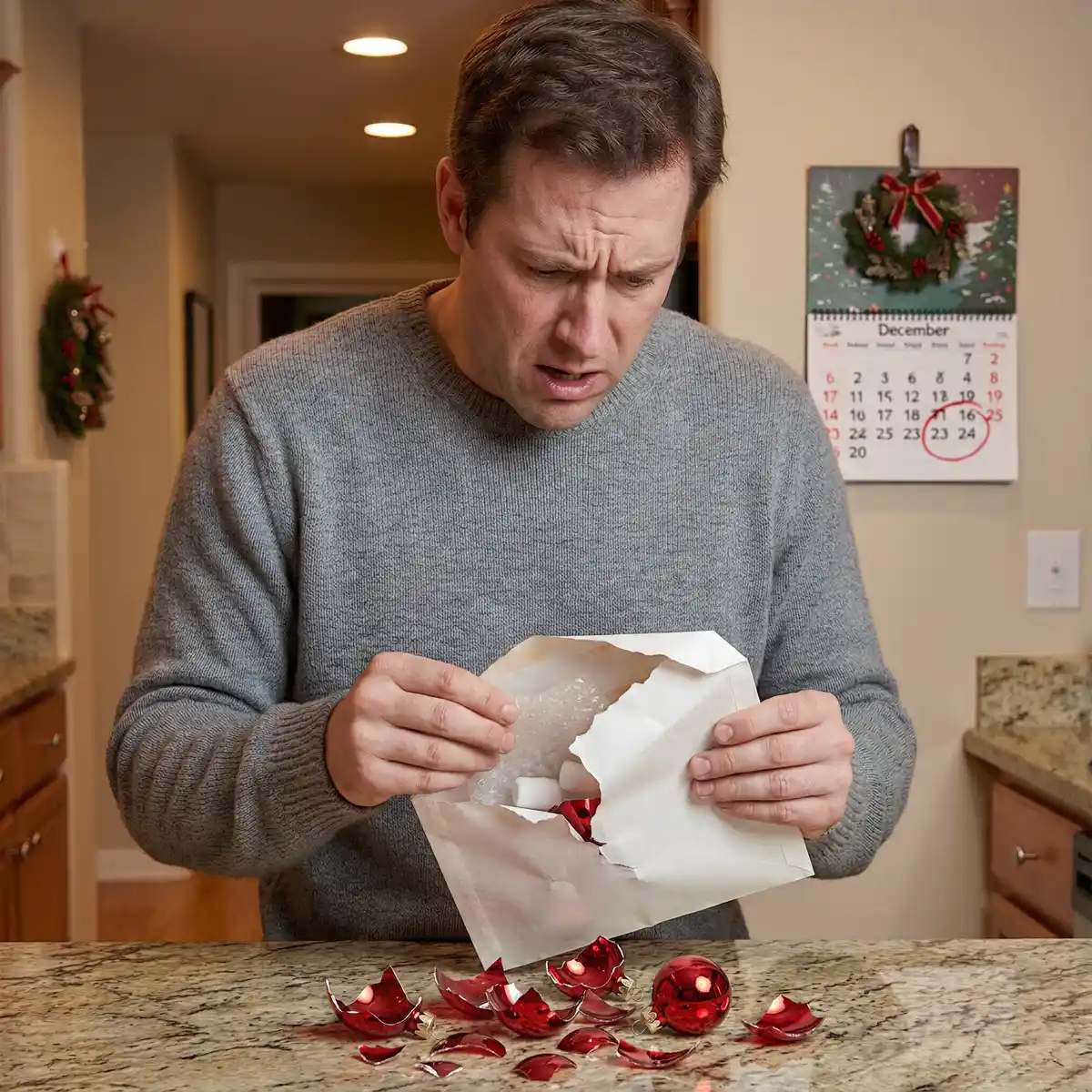
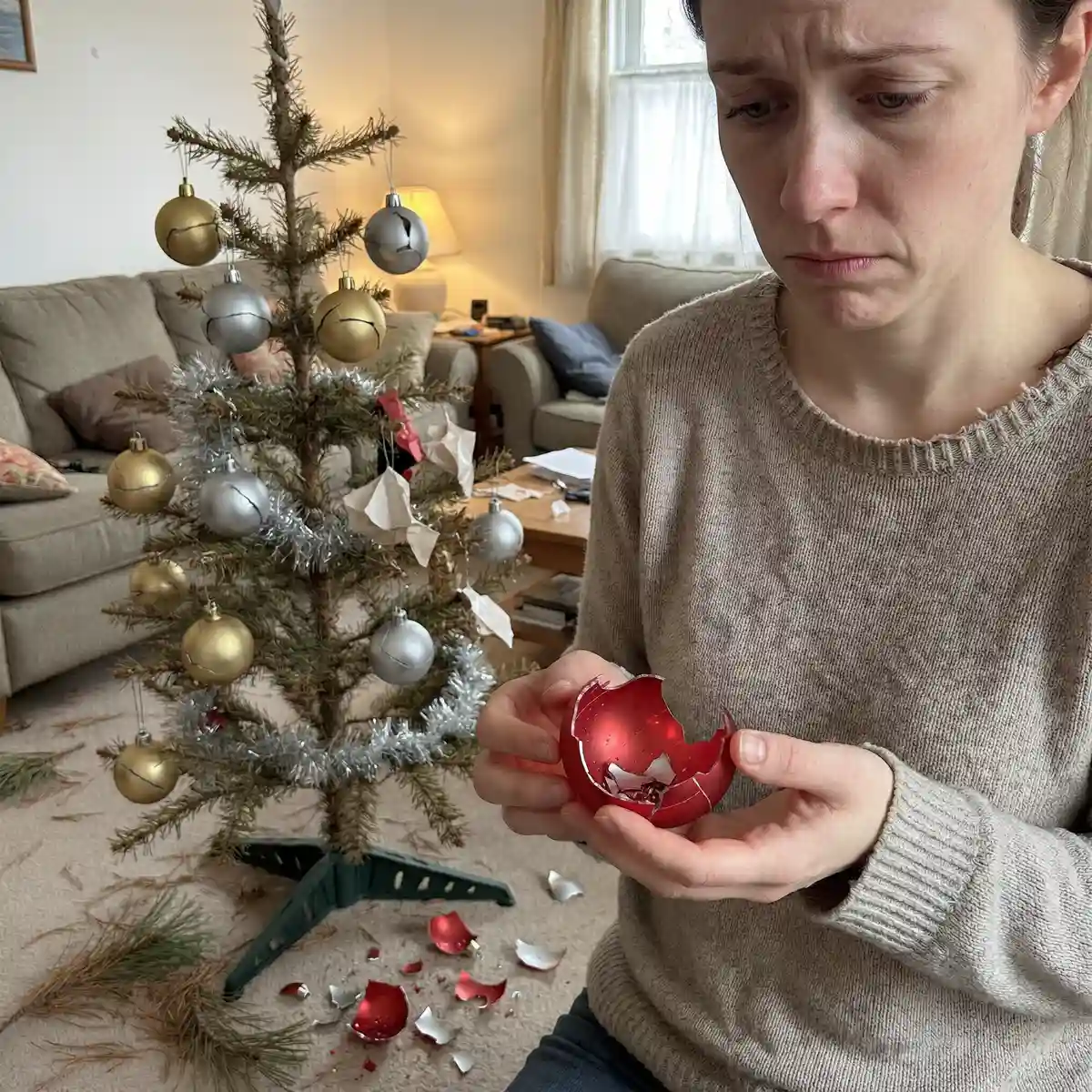
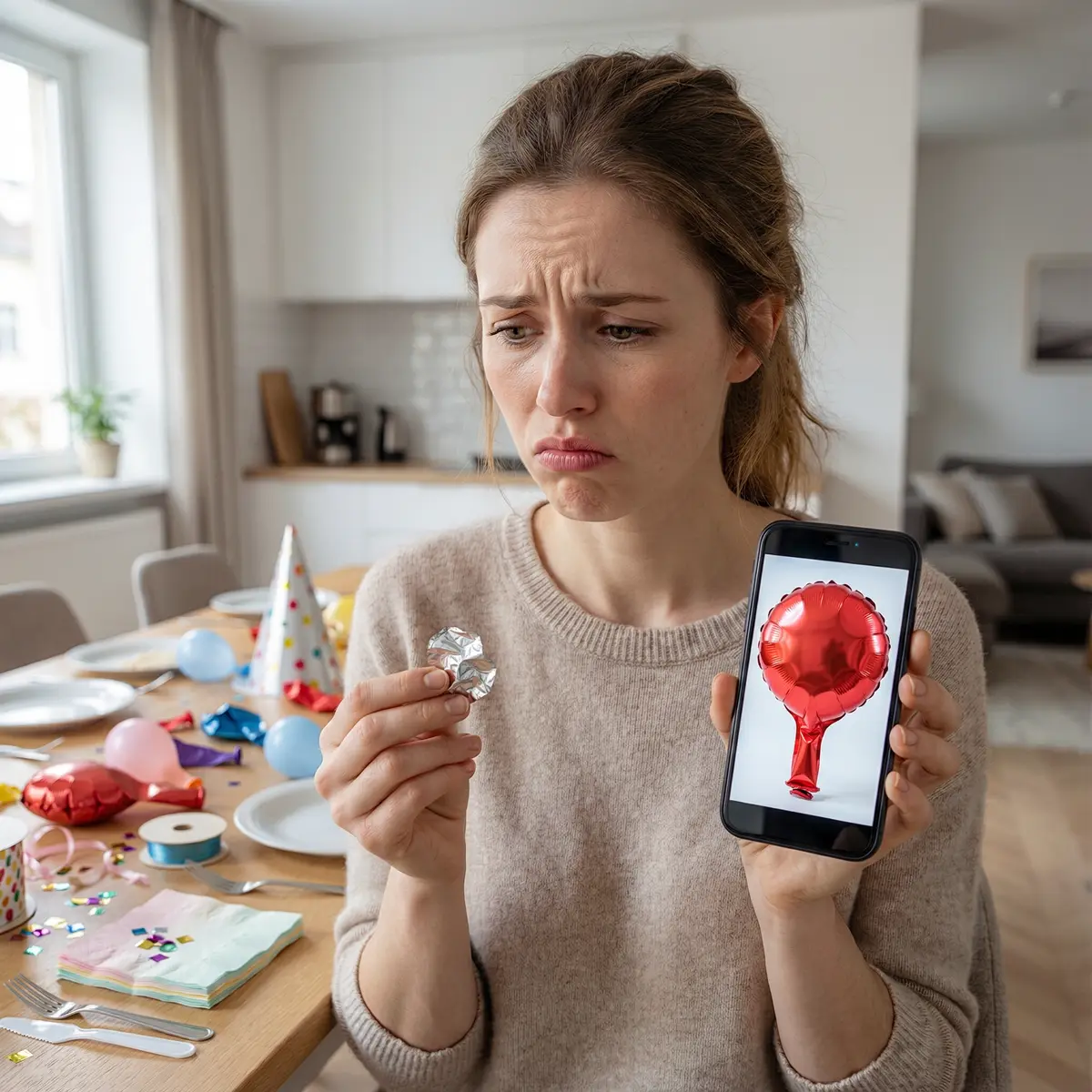
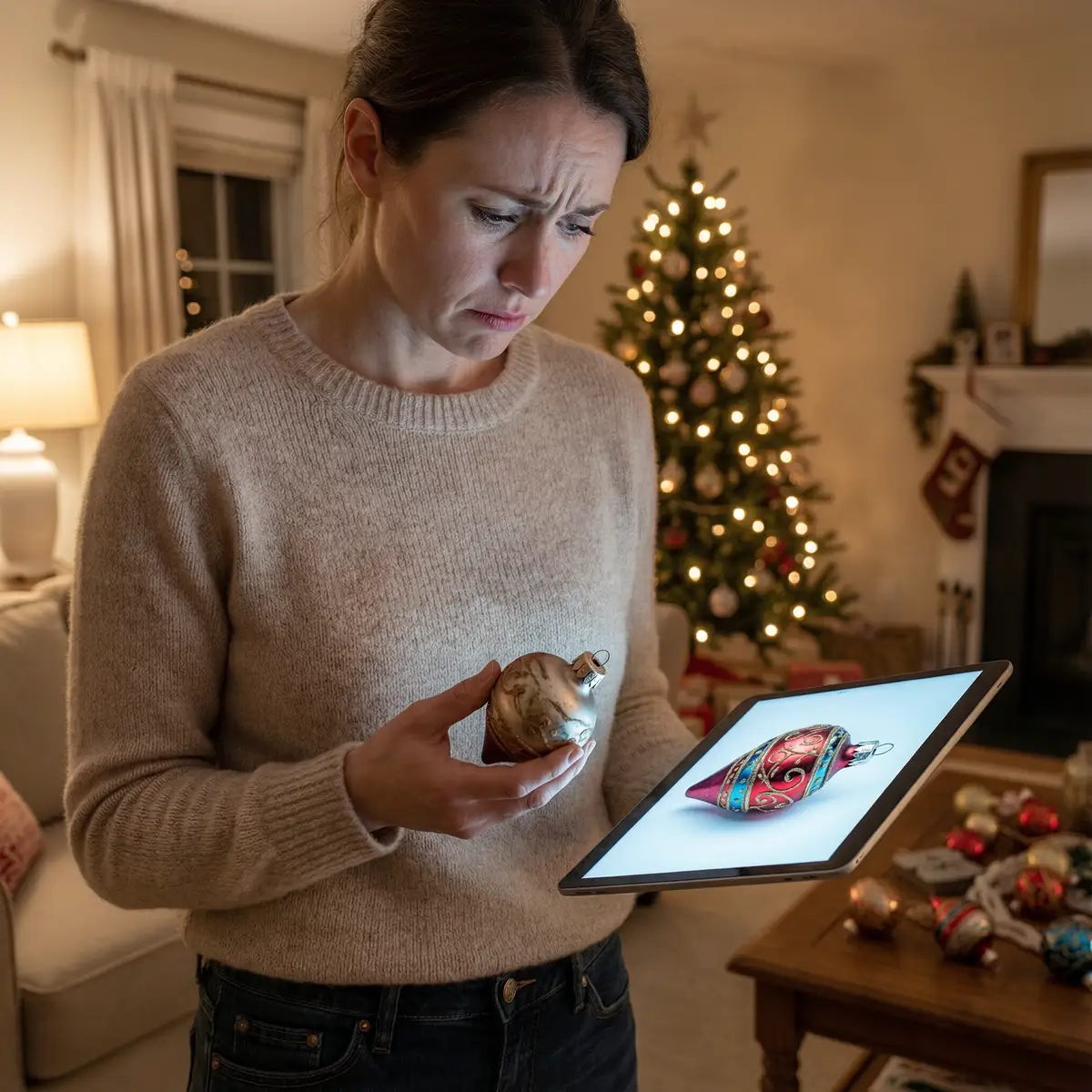
When preparing for the perfect party, exquisite decorations are indispensable. However, when these decorations are damaged due to packaging issues, it not only ruins the party atmosphere but also undermines all the careful planning. Based on our analysis of 326,970 genuine user reviews, we found that 25% of negative reviews are related to damage caused by poor packaging. This means that one out of every four consumers who purchase party decorations may encounter this issue. Imagine eagerly awaiting your decorations, only to find them severely damaged upon opening the package. The disappointment and frustration are indescribable.
Why Does Poor Packaging Lead to Damage? — A Deep Dive into the Root Causes
Material Science: Are the Packaging Materials Sufficient to Protect the Product?
The choice of packaging materials directly affects the protection of the product. Common packaging materials include foam, bubble wrap, plastic bags, and cardboard boxes. However, not all materials provide adequate protection. For example, thin plastic bags, although inexpensive, have poor protective performance and are easily crushed or scratched during transportation. In contrast, foam and bubble wrap can better absorb impact and reduce the risk of product damage.
Case Analysis:
- Negative Review Excerpt: “faux mistletoe ball Wow. I knew I was purchasing a ‘faux’ mistletoe ball, but this was horrid. It arrived in a thin plastic box, inside of a paper mailing envelope. This is NOT a quality product and it was completely destroyed.”
- Analysis: In this case, the use of a thin plastic box and a paper envelope clearly did not provide sufficient protection. If foam or bubble wrap had been used, the outcome might have been very different.
Craftsmanship: Is the Packaging Process Standardized and Effective in Preventing Damage During Transportation?
Even with the right packaging materials, if the packaging process is not standardized, it can still lead to product damage. For example, loose packaging, inadequate fixation, or insufficient filling material can increase the risk of impact during transportation. Additionally, some manufacturers may simplify the packaging process to cut costs, thereby affecting the overall packaging quality.
Case Analysis:
- Negative Review Excerpt: “santa bag with glued eyes This bag arrived with one eyeball off and the other dangling off. They were attached by glue. The bag itself was ok.. fairly thick… just a shame that it was so junky looking with glued on eyes. I couldn’t use it for what I had planned. Honestly, I just tossed it in the trash.”
- Analysis: In this case, the eyes were glued on but fell off during transportation. This indicates that the packaging process did not provide extra protection for these fragile parts, such as using fastening straps or additional cushioning materials.
Consumer Expectations: What Do Consumers Expect from Packaging Integrity?
Consumers typically expect to receive undamaged products when purchasing party decorations. They expect the packaging to provide sufficient protection to ensure the product is not damaged during transportation. Therefore, any flaws in the packaging can trigger consumer dissatisfaction. Additionally, consumers hope that the packaging is easy to open and use, avoiding secondary damage during unboxing.
Case Analysis:
- Negative Review Excerpt: “Bummed The silver coating was missing from 2 of these…..very noticeable….but too late to return.”
- Analysis: In this case, the consumer found that the silver coating was missing after receiving the product, which not only affected the appearance but also indicated insufficient protection of the coating by the packaging.
Comparison of Different Materials’ Performance in “Poor Packaging Leading to Damage”
| Material | Advantages | Limitations |
|---|---|---|
| Foam | Good shock absorption, effectively protects the product | Higher cost, larger volume |
| Bubble Wrap | Lightweight, good shock absorption | Prone to tearing, protective effect decreases after multiple uses |
| Plastic Bag | Low cost, easy to use | Poor protective performance, easily crushed and scratched |
| Cardboard Box | Stable structure, suitable for long-distance transportation | Requires additional cushioning materials |
Positive Review Excerpt:
- Positive Review Excerpt: “Reusable and versatile This was a great purchase with lots of versatility in how you can use it, bunting, banner etc. We ended up using over a swing chair as the birthday girl’s rainbow throne. It was”
- Analysis: In this case, the product used a variety of packaging materials, ensuring both structural stability and good protection, resulting in the product arriving undamaged.
How to Avoid Damage Caused by Poor Packaging? — A Guide for Selection and Use
Key Indicators and Parameters to Consider When Selecting
- Packaging Materials: Choose packaging materials with good shock absorption, such as foam or bubble wrap.
- Packaging Process: Check if the packaging is tight and has sufficient filling and fixing measures.
- Brand Reputation: Choose brands with a good reputation, as they usually pay more attention to product quality and packaging details.
Design and Craftsmanship Details Worth Spending Extra On
- Multiple Protections: Choose products with multiple protective measures, such as double-layered packaging.
- Custom Packaging: Some high-end products offer custom packaging to ensure each part is well-protected.
- Eco-Friendly Materials: Choose packaging made from eco-friendly materials, which not only protect the environment but also provide good protection.
Correct Usage and Maintenance Methods
- Handle with Care: Handle and use the product gently to avoid severe impacts.
- Proper Storage: Store the product in a dry, cool place after use, away from direct sunlight and damp environments.
- Regular Inspections: Regularly check the integrity of the product and address any issues promptly to prevent further damage.
Common Misconceptions to Correct
- Misconception One: Thicker packaging is always better. In reality, a well-designed packaging is more important than sheer thickness.
- Misconception Two: Focusing only on price and ignoring packaging quality. Packaging quality is equally important and should not be overlooked.
- Misconception Three: Thinking packaging is disposable and not worth paying attention to. Good packaging not only protects the product but also enhances the user experience.
Lessons from Real Users to Avoid Pitfalls
-
Negative Review Excerpt: “Poor quality! Shiny Brite is known for the beauty of the ornaments. However, I ordered these and they were horrible. The design was out of place and it was missing paint in places…I was so disappointed with the Shiny Brite glass ornaments! 🙃”
- Lesson Learned: When buying glass ornaments, pay close attention to the packaging materials and craftsmanship, choosing packaging that provides good protection to avoid damage due to improper packaging.
-
Negative Review Excerpt: “super awful garland This was the saddest, ugliest garland in person - it really looked like garbage. I couldn’t possibly use it. I just tossed it. If you’re going for total shabby chic - you’d have to step up on this one. Yikes. The pine boughs are frayed at the end - which really adds to garbage”
- Lesson Learned: When buying delicate decorations like garlands, in addition to focusing on the quality of the product itself, pay special attention to whether the packaging is secure to avoid damage during transportation.
-
Negative Review Excerpt: “Don’t Buy I purchased this to go with a Party that colors where, Rose Gold and Gold. This was very cheap and the color was, faded Orange. Then upon return I was only given 1/2 my money back.”
- Lesson Learned: When buying party decorations, not only pay attention to the color and appearance of the product, but also ensure the packaging can protect the product’s color from damage. Additionally, understanding the return and exchange policy is important to resolve issues promptly if they arise.
Through the above analysis and recommendations, we hope to help consumers avoid damage caused by packaging issues when selecting party decorations, ensuring that every party goes smoothly.
Related Deep Analysis in This Category
- Poor User Experience & Functional Failure — 18% of complaints relate to this
- Damaged Upon Arrival & Poor Packaging — 28% of complaints relate to this
- Difficult Assembly — 15% of complaints relate to this
- Incorrect Size Description — 30% of complaints relate to this
- Low Quality Materials — 40% of complaints relate to this
- Misleading Description & Product Mismatch — 35% of complaints relate to this
- Misleading Product Images — 20% of complaints relate to this
- Poor Workmanship & Low Quality Materials — 45% of complaints relate to this