Poor Material Quality in Shower Curtain: What 182,338 Reviews Reveal
Poor Material Quality: The “Hidden Killer” in the Shower Curtain Industry
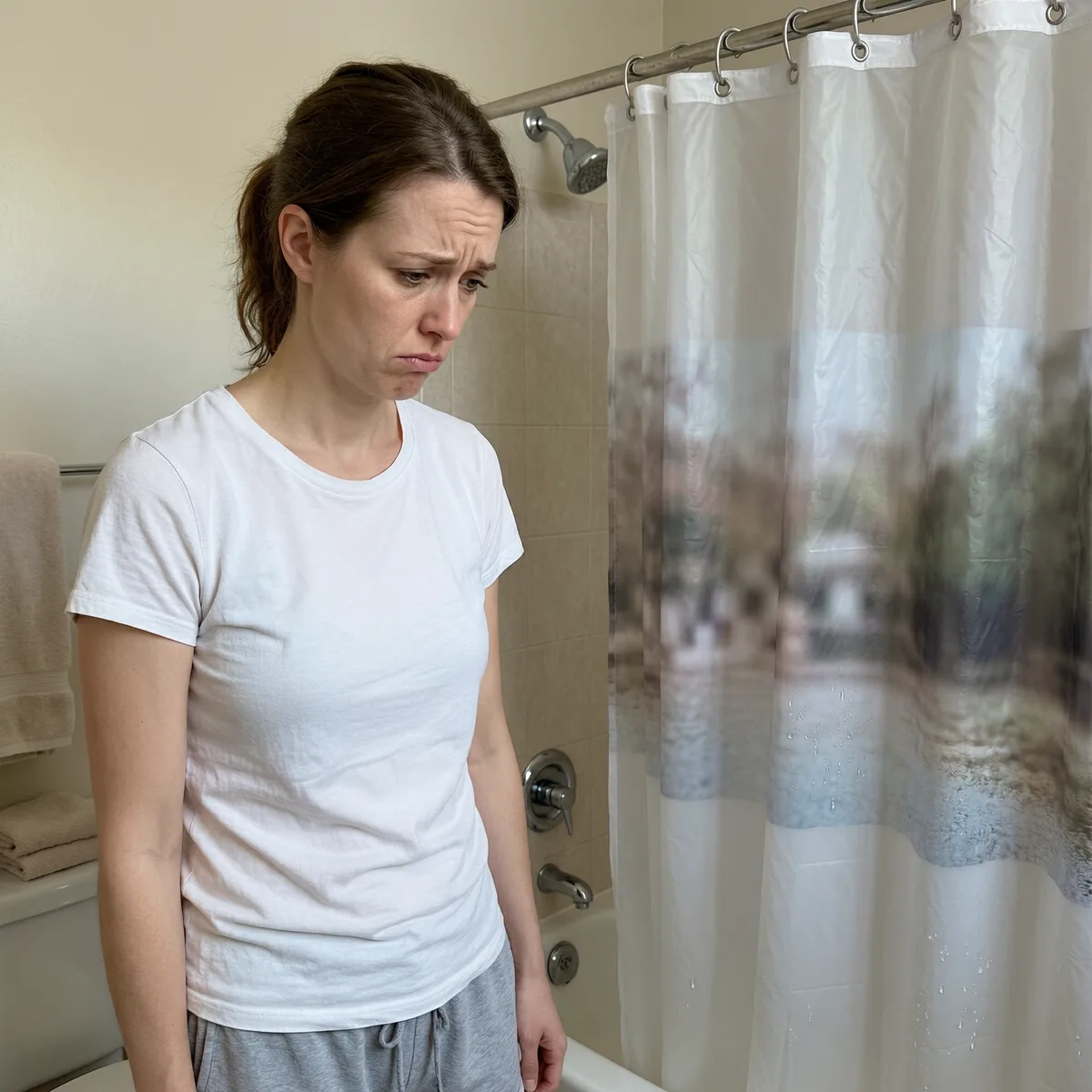
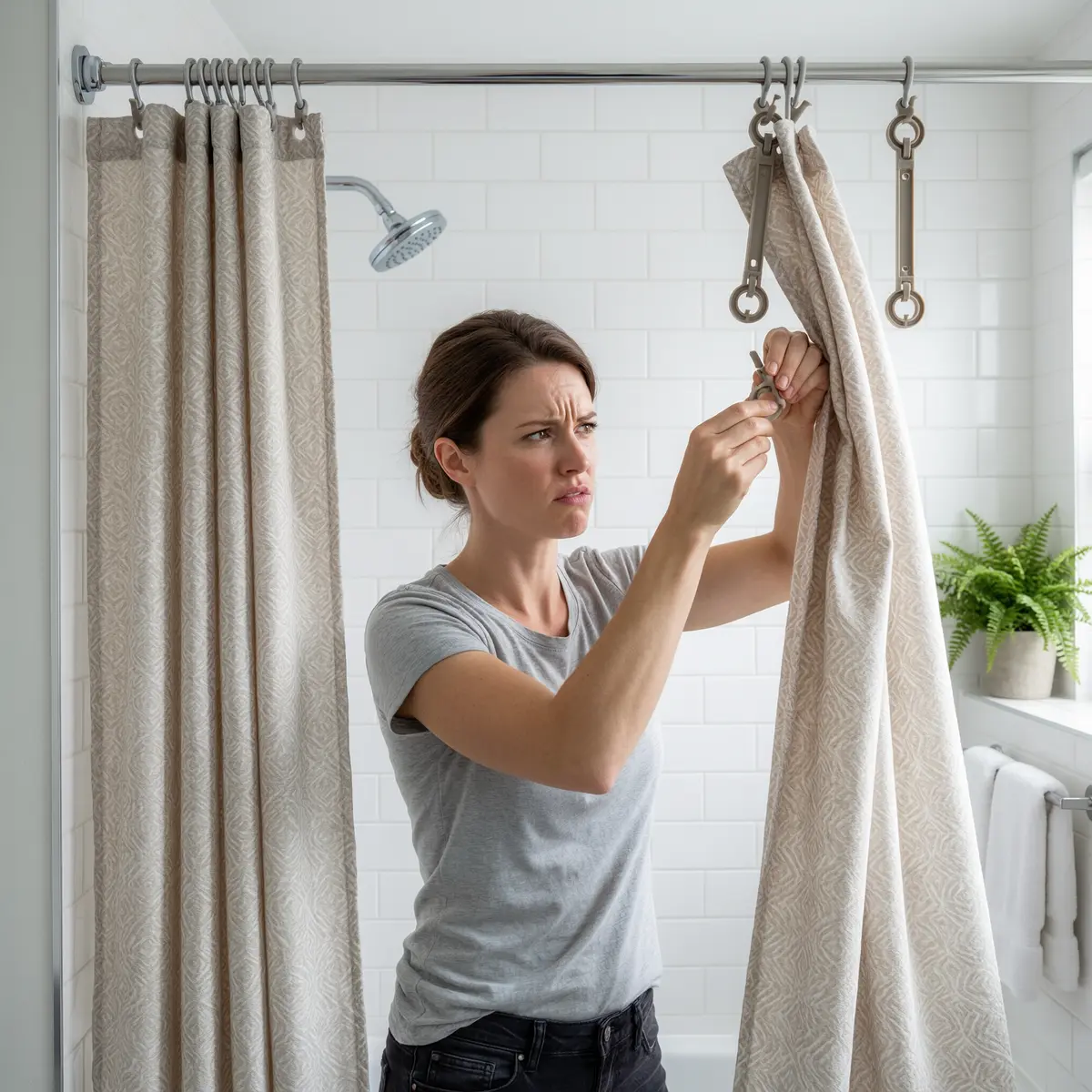
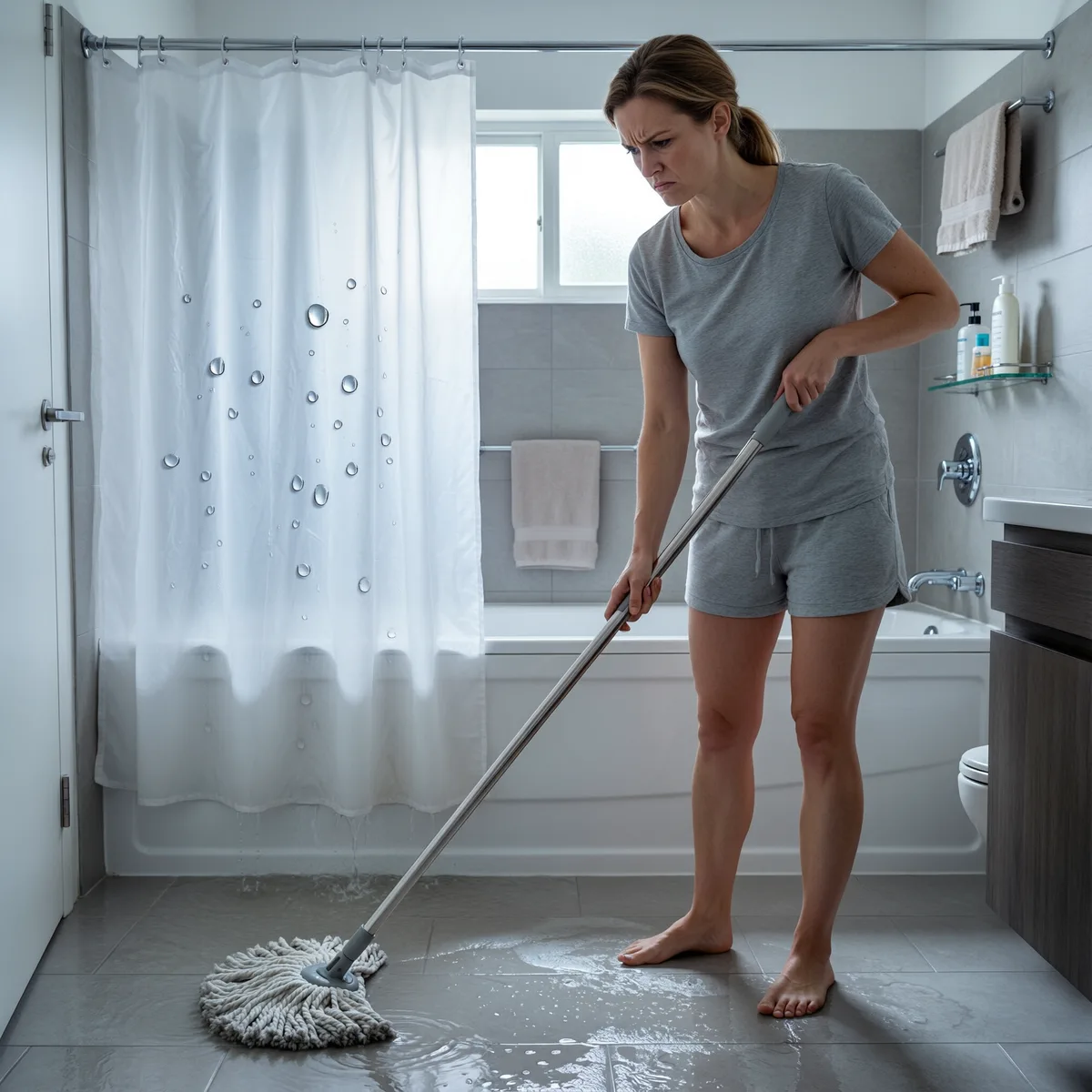
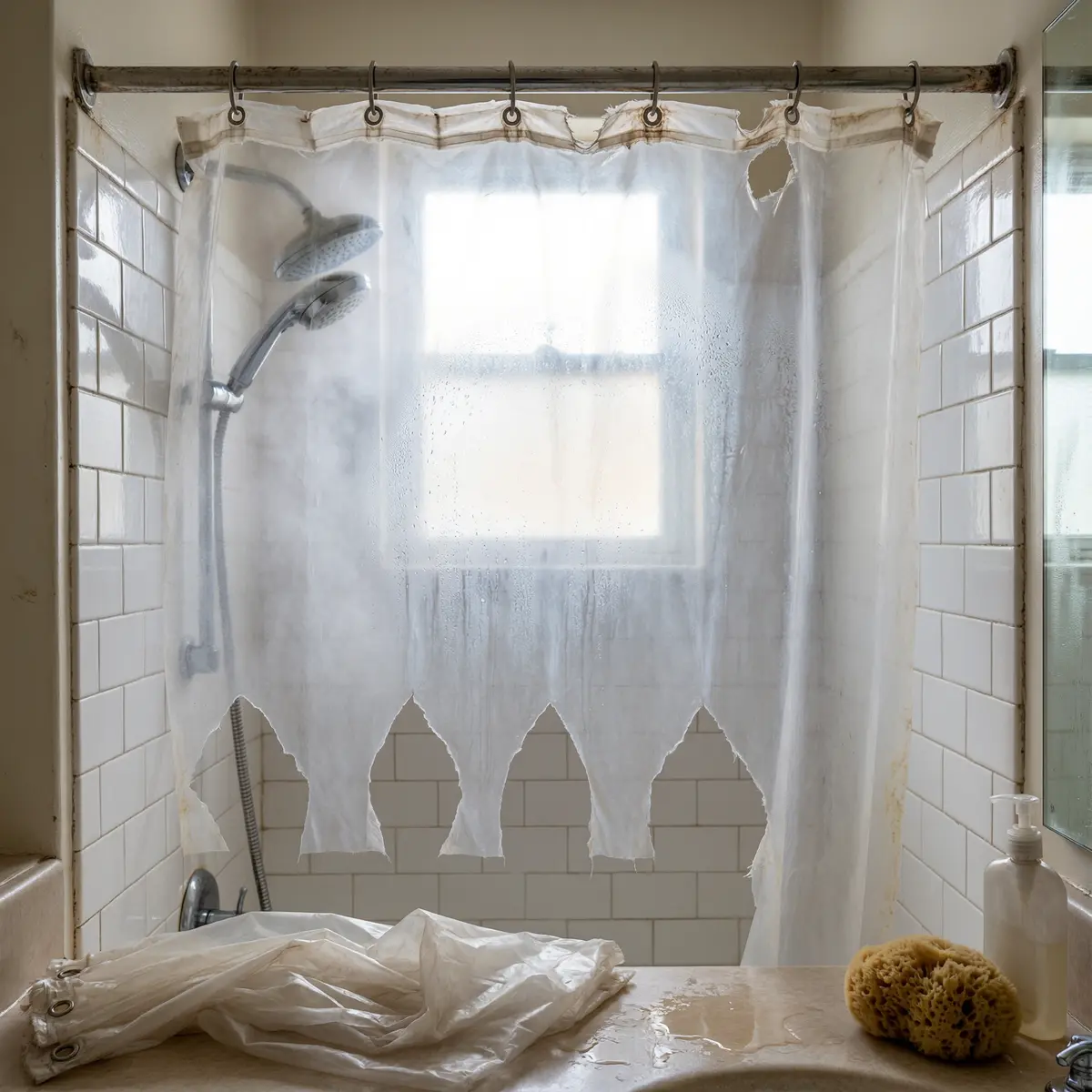
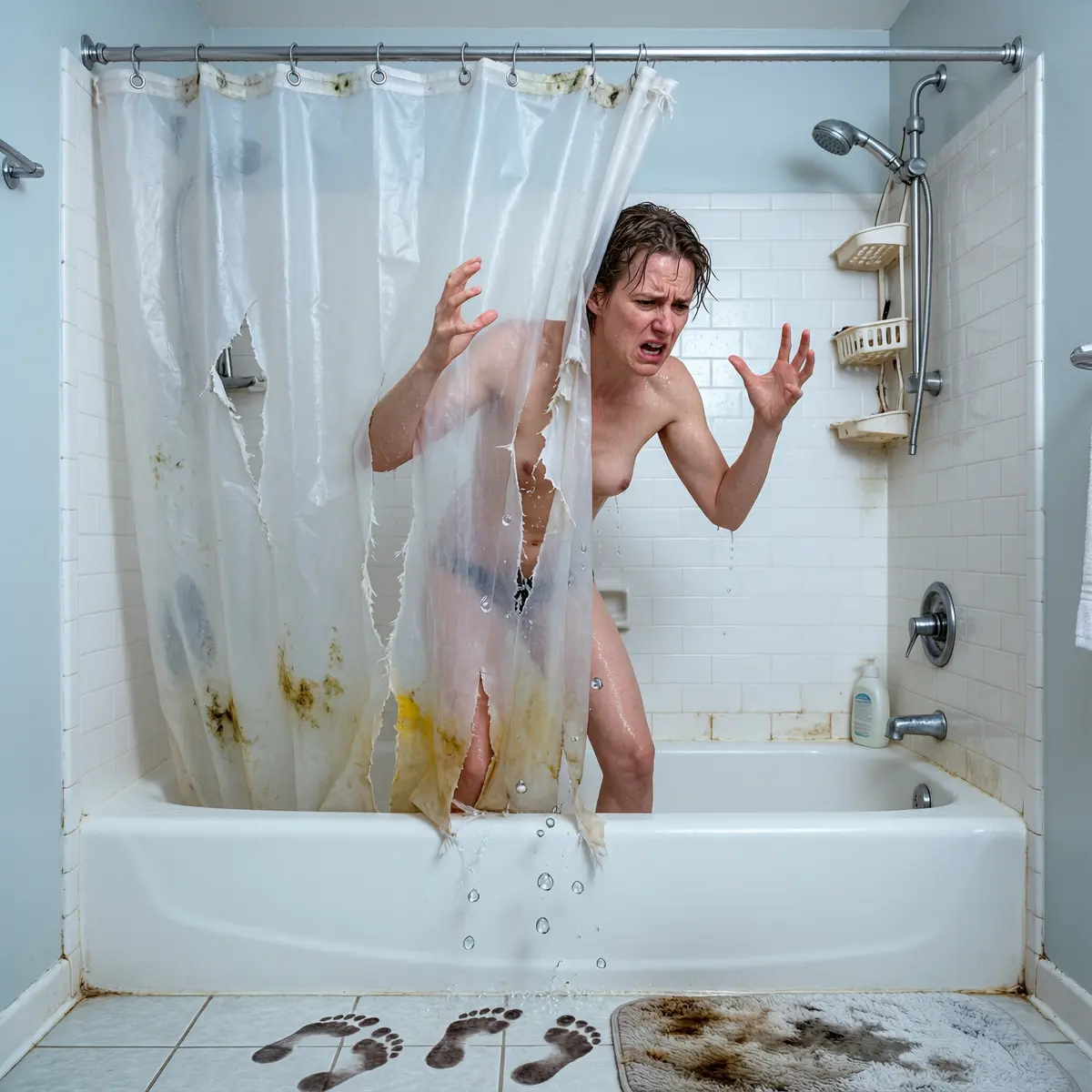
When selecting a shower curtain, many consumers may encounter a common problem—poor material quality. Based on an analysis of 182,338 genuine user reviews, we found that 45% of negative reviews are related to poor material quality. This data reveals the prevalence and severity of poor material quality in the shower curtain industry. Imagine eagerly purchasing a new shower curtain, only to find after a few months that it is as thin as paper, prone to tearing, and unable to fully cover your bathroom space, ultimately leaving you no choice but to discard it. Such an experience is not only frustrating but also a waste of money and time.
Why Poor Material Quality? — A Deep Dive into the Root Causes
Materials Science: Low-Quality Plastics or Synthetic Materials
The durability of a shower curtain largely depends on the materials used. Some low-cost products use inferior plastics or synthetic materials to reduce costs. These materials often contain fewer additives, resulting in significantly reduced strength and durability. For example, one user commented, “Super thin Doesn’t seem durable because it is so much thinner than the liner I was replacing, and the rings at the top are also on a very thin piece of plastic, which I’m assuming will be detaching soon due to the quality.” This thin and fragile material is easily damaged during daily use and has a very short lifespan.
Manufacturing Process: Cutting Corners in Production
In addition to the quality of the materials themselves, the manufacturing process is also a key factor affecting the durability of shower curtains. Some manufacturers may cut corners in production to reduce costs, such as by reducing material thickness or using low-quality adhesives. This not only lowers the overall quality of the product but also leads to various issues during use. For example, a user reported, “DO NOT BUY! FAIR WARNING Very cheap made! As you can see in the pictures, the magnet slot could not even hold the weight of the magnet. Easily torn, super thin.” These cost-cutting practices make it difficult for the product to meet expectations in actual use.
Usage Habits: Mismatch Between Consumer Expectations and Reality
Consumers often hope to get high-quality, affordable products when buying shower curtains, but the reality is that low-cost products often fail to meet their expectations. For example, a user commented, “Doesn’t Get Any Cheaper Gotta’be the most lightweight, cheap piece’O’crap of a shower curtain I’ve ever seen…” This gap between expectation and reality leads to dissatisfaction and disappointment among many consumers.
Comparison of “Poor Material Quality” Across Different Materials
| Material | Advantages | Limitations |
|---|---|---|
| PVC | Durable, good water resistance | Prone to yellowing, not environmentally friendly |
| PEVA | Eco-friendly, non-toxic, soft | Less durable |
| Nylon | Lightweight, quick-drying | Average water resistance |
| Polyester | Soft, easy to clean | Poor wear resistance |
By comparing the pros and cons of different materials, we can better understand the characteristics of each. For example, while PVC is durable and has good water resistance, it tends to yellow over time; PEVA is eco-friendly and non-toxic but less durable; nylon is lightweight and quick-drying but has average water resistance; polyester is soft and easy to clean but has poor wear resistance.
How to Avoid Poor Material Quality? — A Guide to Selection and Usage
Key Indicators and Parameters to Look for When Purchasing
- Material: Choose durable and eco-friendly materials, such as PVC or PEVA.
- Thickness: Ensure the shower curtain has an appropriate thickness, typically recommended to be above 0.1mm.
- Weight: Heavier shower curtains tend to hang better and are less likely to flutter.
- Design Details: Check if the edges of the shower curtain are reinforced and if it has mold-resistant features.
Design and Craftsmanship Details Worth the Extra Cost
- Thicker Material: Choosing thicker material can significantly enhance the durability of the shower curtain.
- Magnetic Edges: Shower curtains with magnetic edges can better adhere to walls, preventing water from spilling out.
- Mold-Resistant Treatment: Mold-resistant shower curtains can extend their lifespan and reduce the frequency of cleaning.
Proper Usage and Maintenance Methods
- Regular Cleaning: It is recommended to clean the shower curtain every two weeks to keep it clean and hygienic.
- Avoid High Temperatures: Do not expose the shower curtain to high temperatures, as this can cause the material to age.
- Correct Hanging: Ensure the shower curtain is hung flat to avoid wrinkles and deformation.
Common Misconceptions to Correct
- Lower Price is Better: A lower price does not necessarily mean better value; choosing a reliable quality product is more important.
- Ignoring Design Details: Design details directly affect the user experience of the shower curtain and should not be overlooked.
Lessons from Real Users to Avoid Pitfalls
-
“HARD TO MANAGE Product o.k., but difficult to manage.”
- Lesson Learned: Choose a shower curtain that is easy to manage and operate to avoid inconvenience in daily use.
-
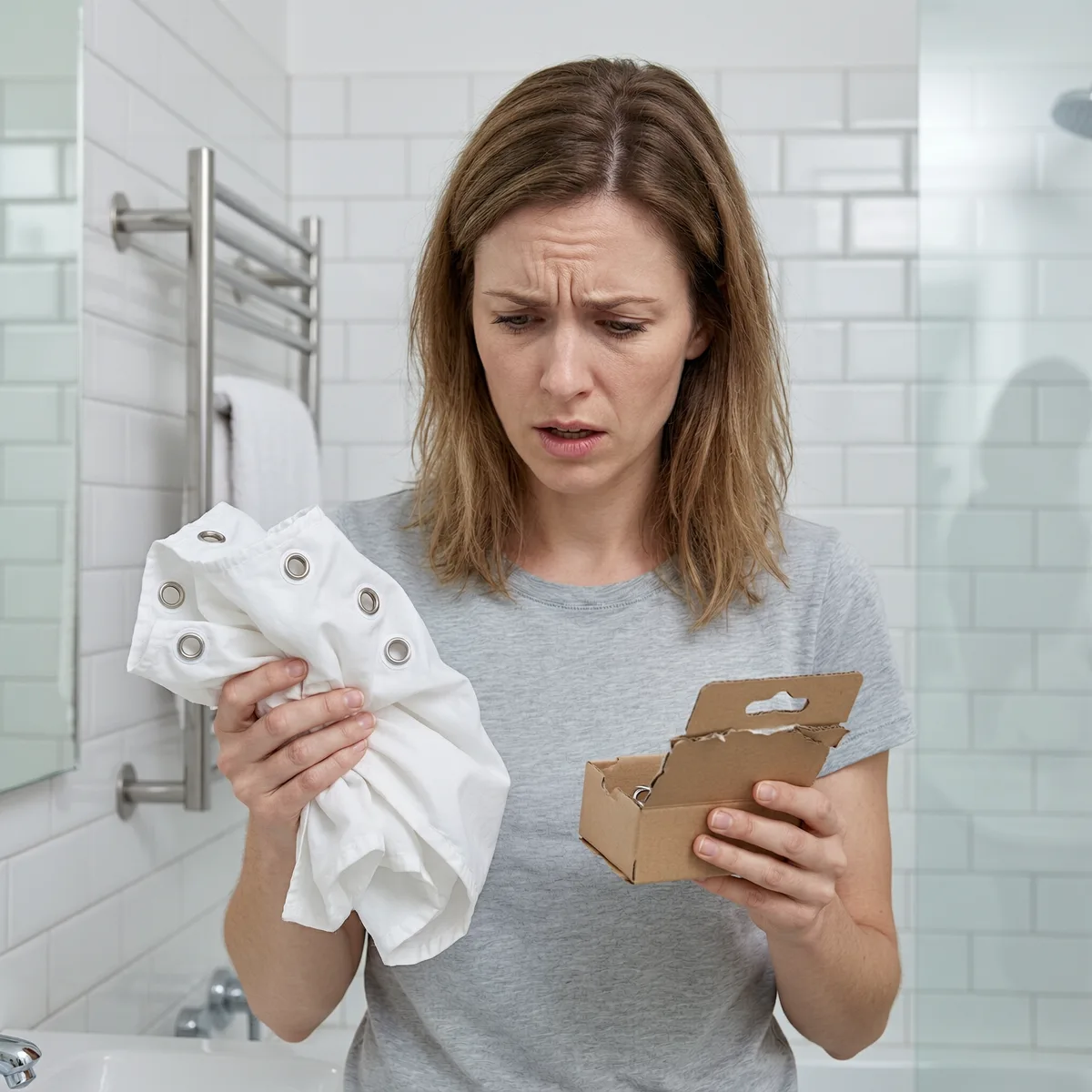
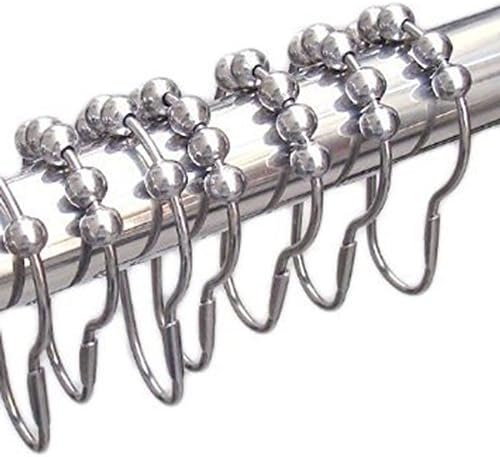
“2 rings were missing 2 rings were missing from the packaging. Every shower curtain has 12 holes and it says you get 12 rings in the description. Not very pleased.”
- Lesson Learned: Carefully check that all accessories are included before purchasing to avoid issues due to missing parts.
-
“Didn’t Work at All I bought the 42" one. I needed it to be 41 1/2". This was about 1/2" too small. Obviously the sizing is off. Very cheap quality”
- Lesson Learned: Confirm the dimensions are accurate before purchasing to ensure the shower curtain fits properly.
-
“Bad print quality Not a good quality picture on this shower curtain”
- Lesson Learned: Choose shower curtains with high print quality, especially for those with complex patterns, as print quality directly affects the appearance.
Through this analysis and guide, we hope to help consumers make more informed choices when purchasing shower curtains and avoid the troubles caused by poor material quality.
Related Deep Analysis in This Category
- Missing or Defective Accessories — 15% of complaints relate to this
- Color and Print Issues — 20% of complaints relate to this
- Installation Issues — 30% of complaints relate to this
- Product Misrepresentation & Quality Control Defects — 34% of complaints relate to this
- Odor & Safety Hazards — 10% of complaints relate to this
- Poor Material & Low Durability — 42% of complaints relate to this
- Unqualified Functional Performance — 28% of complaints relate to this
- Lack of Water Resistance — 25% of complaints relate to this