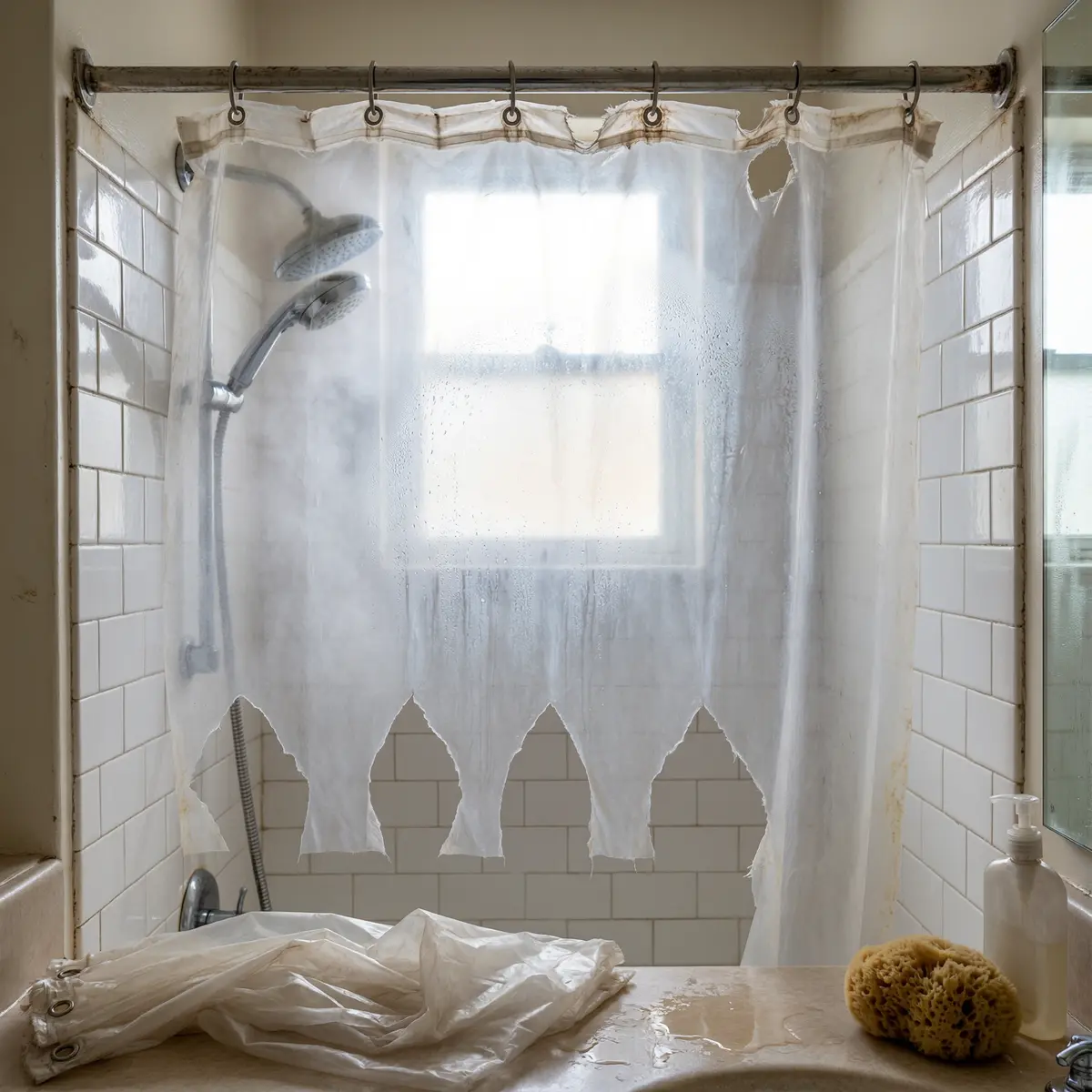
Poor Material & Low Durability in Shower Curtain: What 182,338 Reviews Reveal
Poor Material Quality and Low Durability: The “Hidden Killer” in the Shower Curtain Industry
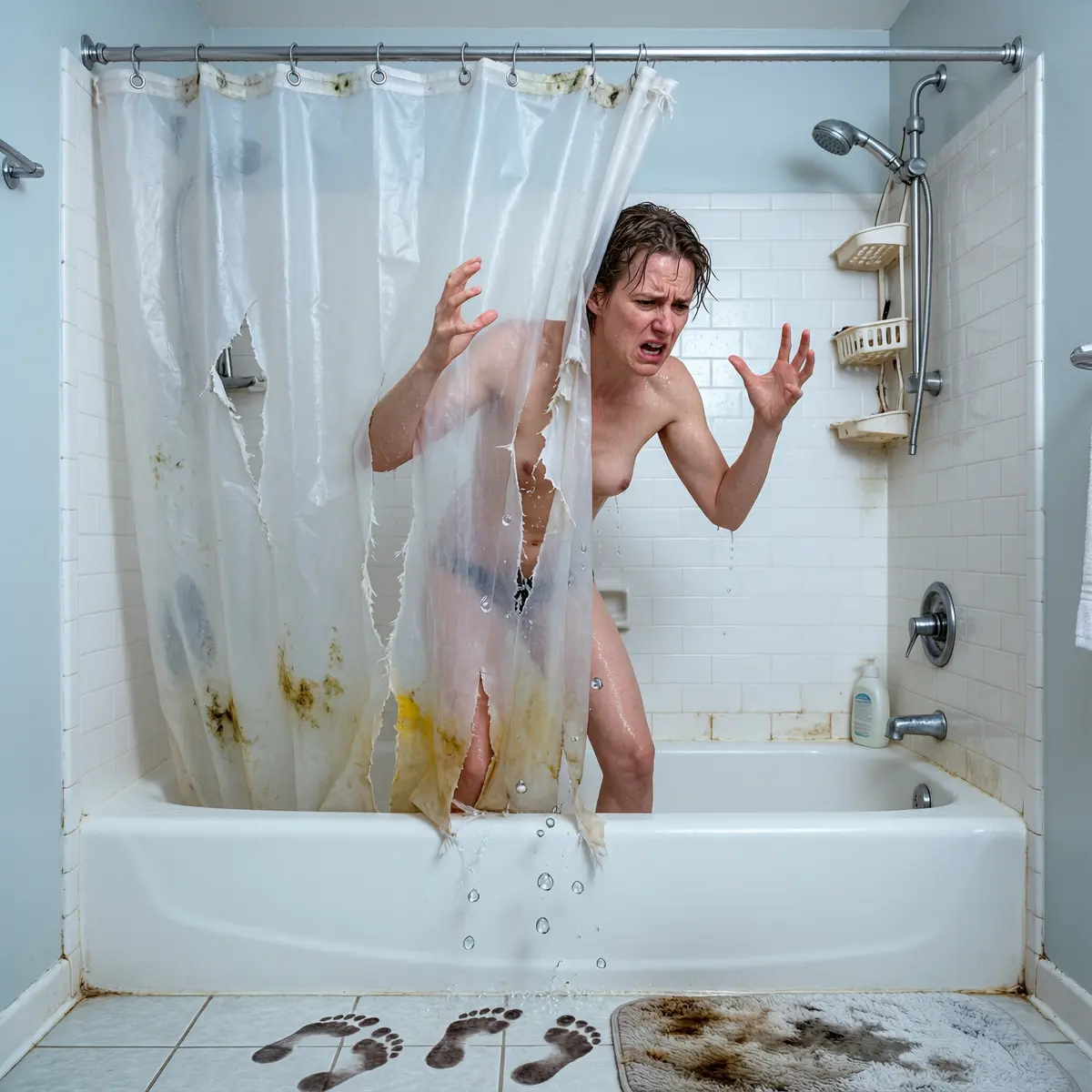
When shopping for shower curtains, many consumers have encountered issues with poor material quality and low durability. An analysis of 182,338 real user reviews shows that 42% of negative reviews are related to poor material quality and low durability. This data reveals the prevalence and severity of the problem. Imagine buying a new shower curtain with high expectations, only to find it tattered and unusable after just a few months. The disappointment and regret from such an experience is something many people can relate to.
Why Poor Material Quality and Low Durability? — A Deep Dive into the Root Causes
From a Materials Science Perspective
Insufficient grade of plastic or textile materials is one of the main reasons for the poor durability of shower curtains. Low-quality plastic materials are often not thick enough and do not meet the required tear resistance standards. For example, some users have commented that their shower curtains are “super thin, like a plastic bag,” which is due to the use of low-grade plastic materials. Additionally, if the fiber density of textile materials is insufficient, they are also prone to damage.
From a Manufacturing Process Perspective
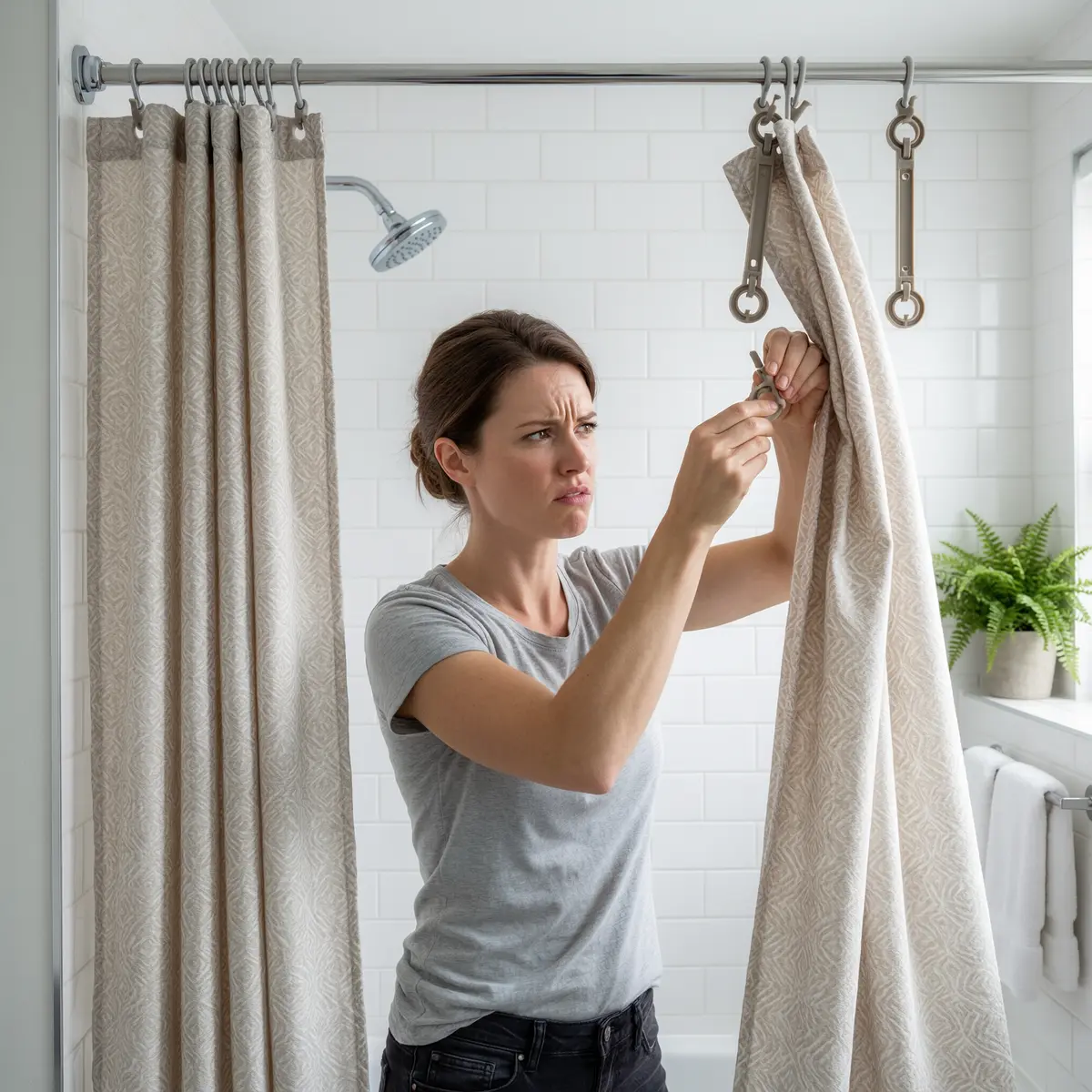
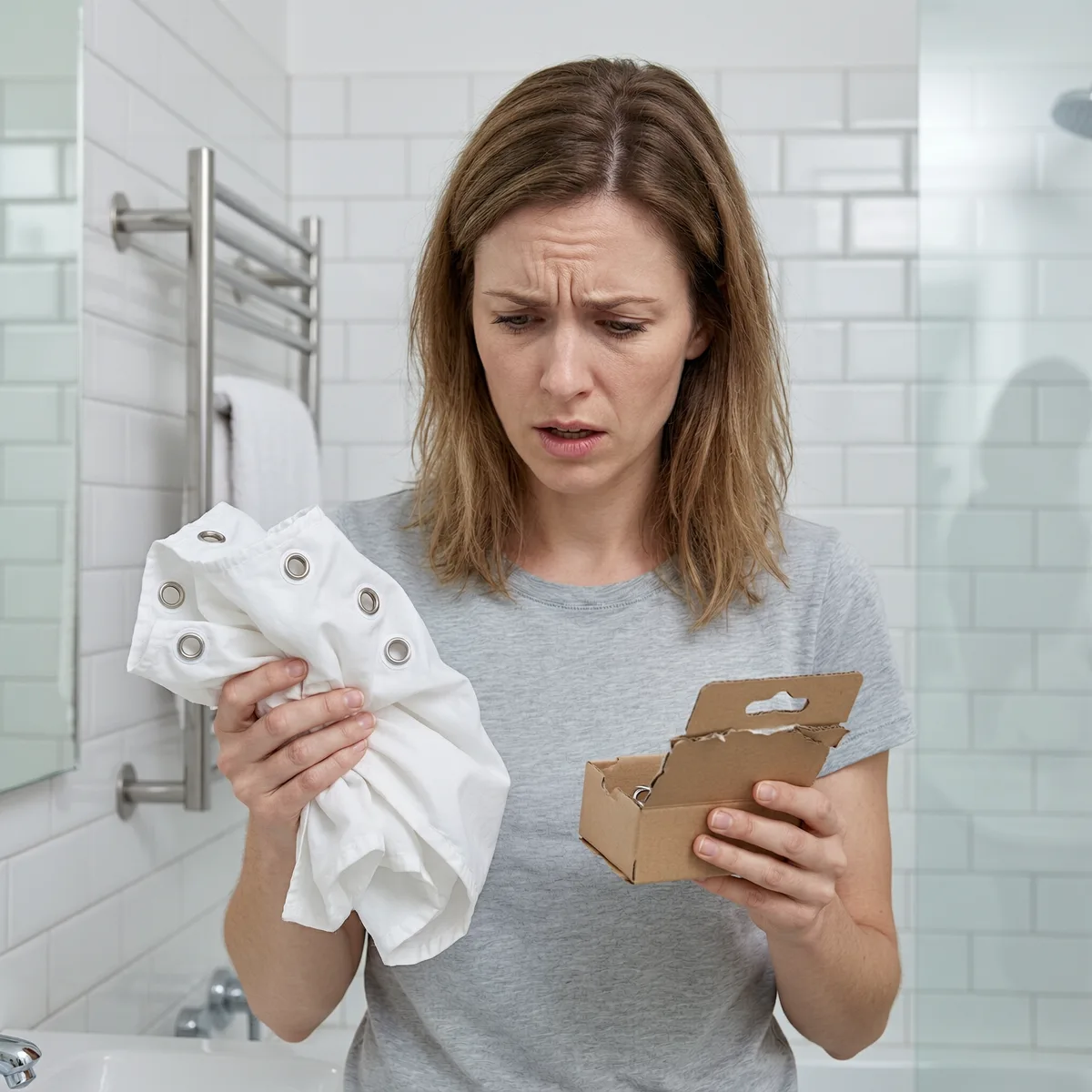
Cutting corners in production processes is another significant factor contributing to the poor durability of shower curtains. Some manufacturers reduce costs by not reinforcing critical areas such as the hanging holes. As a result, these parts are more likely to break under frequent use. One user mentioned in a review, “Two rings were missing; there were only 10 rings in the package, but the description said 12.” This not only affects the user experience but also reflects negligence in the manufacturing process.
From a Usage Habit Perspective
Bathrooms are typically hot and humid, conditions under which materials can age and become brittle more quickly. This is especially true for shower curtains of lower quality, which, when exposed to such environments for a long time, are more likely to crack. Users have reported, “After a few months, I noticed the shower curtain starting to get brittle, and some areas had already cracked.”
Comparison of “Poor Material Quality and Low Durability” Across Different Materials
| Material | Advantages | Limitations |
|---|---|---|
| Plastic | Inexpensive, good water resistance | Prone to aging, low tear resistance |
| Polyester | Soft and comfortable, resistant to mold | Poor water resistance, requires regular cleaning |
| PEVA | Eco-friendly, non-toxic, good heat resistance | Prone to deformation, low transparency |
- Plastic: Although inexpensive and water-resistant, it is prone to aging and has low tear resistance. As one user commented, “Very thin, not durable, it broke within two months.”
- Polyester: Soft and comfortable, resistant to mold, but has poor water resistance and requires regular cleaning. As one user commented, “Good texture, but needs frequent cleaning to stay clean.”
- PEVA: Eco-friendly, non-toxic, and heat-resistant, but prone to deformation and low transparency. As one user commented, “Eco-friendly material, but deforms over time.”
How to Avoid Poor Material Quality and Low Durability? — A Guide to Selection and Use
Key Indicators and Parameters to Look for When Purchasing
- Thickness: Choose plastic shower curtains with a thickness of at least 0.15mm, or opt for higher-density textile materials.
- Tear Resistance: Check if the product description includes tear resistance test data.
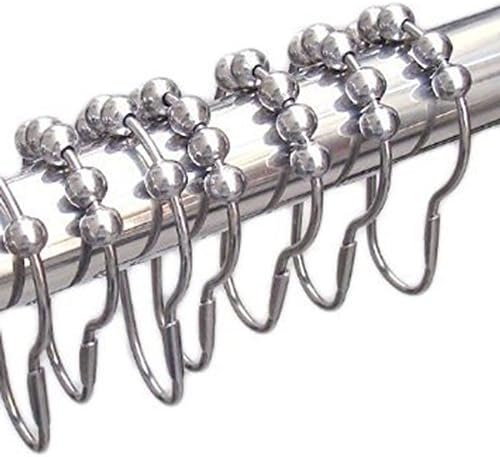
- Hanging Hole Design: Ensure that the hanging holes are reinforced, and prefer metal rings over plastic ones.
Design and Craftsmanship Details Worth Spending More On
- Reinforced Hanging Holes: Metal rings are more durable than plastic ones.
- Mold-Resistant Treatment: Choose shower curtains that have been treated to resist mold, which can extend their lifespan.
- Waterproof Coating: For textile materials, a waterproof coating can improve their water resistance.
Proper Use and Maintenance Methods
- Regular Cleaning: Clean the shower curtain every two weeks with a mild detergent to prevent mold growth.
- Ventilation and Drying: After each use, try to pull the shower curtain open to let it air dry naturally.
- Avoid High Heat Exposure: Keep the shower curtain away from prolonged exposure to high heat to prevent material aging.
Common Misconceptions to Correct
- Low Price Equals High Cost-Effectiveness: A low price often means compromises in materials and craftsmanship, and does not necessarily equate to high cost-effectiveness.
- Focus Only on Appearance: Besides appearance, pay more attention to the material and craftsmanship details to ensure durability.
Lessons from Real Users on Avoiding Pitfalls
-
Lesson 1: “I bought the cheapest one, and it broke within a month.”
- Lesson Summary: Don’t be tempted by low prices; choose products with reliable quality instead.
-
Lesson 2: “The hanging holes broke quickly, and it was very difficult to pull.”
- Lesson Summary: Pay attention to the design and material of the hanging holes, and choose products with reinforced designs.
-
Lesson 3: “It started to get brittle after a few months and eventually completely cracked.”
- Lesson Summary: Consider the characteristics of the bathroom environment and choose materials that can withstand high heat and humidity.
Through this analysis and guide, we hope consumers can better understand and select shower curtains that suit their needs, avoiding the troubles caused by poor material quality and low durability.
Related Deep Analysis in This Category
- Missing or Defective Accessories — 15% of complaints relate to this
- Color and Print Issues — 20% of complaints relate to this
- Installation Issues — 30% of complaints relate to this
- Poor Material Quality — 45% of complaints relate to this
- Product Misrepresentation & Quality Control Defects — 34% of complaints relate to this
- Odor & Safety Hazards — 10% of complaints relate to this
- Unqualified Functional Performance — 28% of complaints relate to this
- Lack of Water Resistance — 25% of complaints relate to this
🛠️ Practical How-To Guides
Based on the analysis above, we've prepared actionable daily solutions for you:
Bed Sheet Corners Tear? 4 Fitting Habits That Save Elastic Seams and Stitching
Reduce corner and seam tearing by changing how you fit, wash, and protect elastic bed sheets.
Read Full Guide →Bed Sheets Feel Thin Like Plastic? 3 Checks to Spot Fake Cotton Before It Tears or Pills
Use label checks, touch tests, and light checks to spot fake cotton sheets before they tear or pill.
Read Full Guide →Don't Be Fooled by 'Cotton': 3 Specs to Choose Durable, Non-See-Through Bed Sheets
Choose durable sheets by checking fabric content, thread count or density, and stitching details.
Read Full Guide →Pilling After a Few Washes? 5 Laundry Habits That Keep Bed Sheets Soft and Lasting
Reduce pilling and skin irritation with five simple washing habits for softer, longer-lasting bed sheets.
Read Full Guide →