Functional Performance Defect in Table Mat: What 62,560 Reviews Reveal
Functional Defects in Use: The “Invisible Killer” of the Tablemat Industry
In daily life, tablemats are not only decorative items for dining tables but also important tools for protecting the tabletop from heat, moisture, and scratches. However, many consumers soon discover a series of functional defects after purchasing tablemats, which not only affect the user experience but may also cause irreversible damage to the tabletop. According to our analysis, 30% of the negative reviews among 62,560 genuine user comments are related to functional defects in use. This means that one out of every three consumers who buy tablemats encounters these issues.
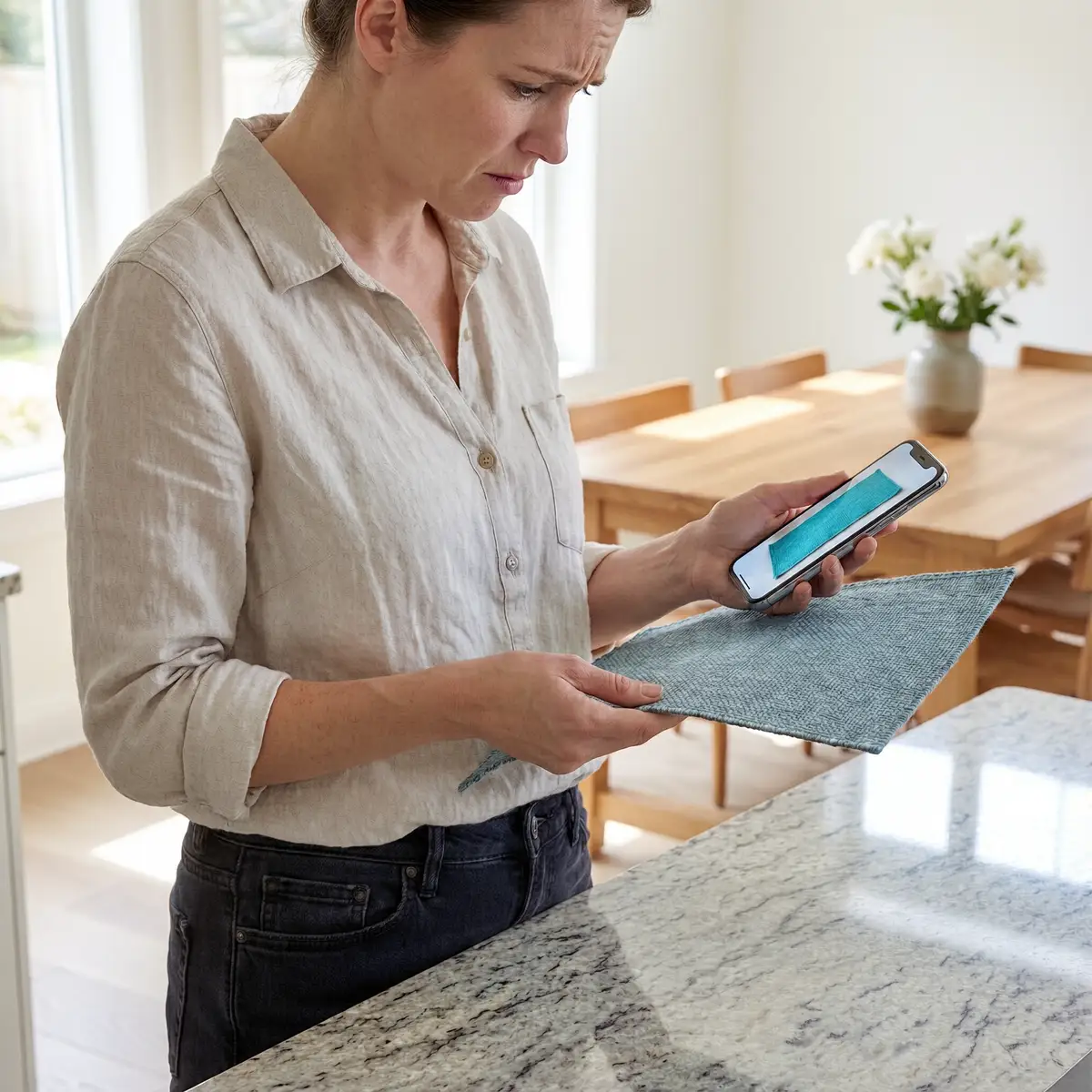
Imagine this scenario: you carefully select a tablemat, expecting it to add beauty to your dining table and provide protection. A few months later, when you place a hot dish on the tablemat, you find that it cannot insulate against high temperatures, and the tabletop is left with a scorch mark; or during a meal, you accidentally spill some sauce, only to find that the stain won’t come off. At this point, you might regret your choice and start to question whether the tablemat was really worth buying.
Why Do Functional Defects Occur? — An In-Depth Analysis of the Root Causes
From a Material Science Perspective
The choice of material is a key factor in determining the performance of a tablemat. For example, tablemats with porous or non-waterproof coating structures are prone to liquid seepage. While such materials may offer some degree of softness and comfort, they lack waterproof properties, allowing liquids like soup to penetrate directly to the tabletop. Additionally, non-absorbent surfaces can lead to condensation buildup, which over time may damage the tabletop.
From a Manufacturing Process Perspective
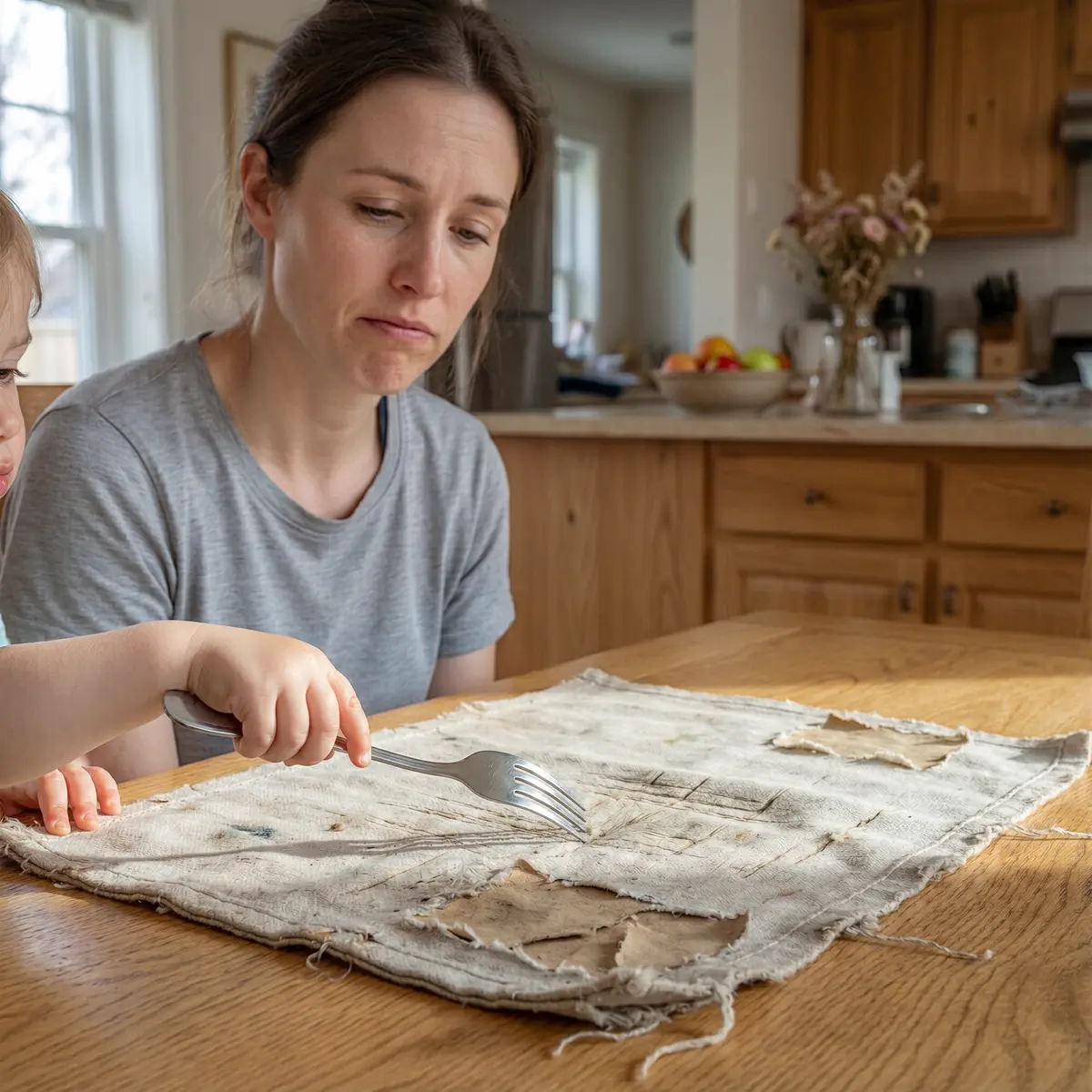
Defects in the manufacturing process are another significant cause of functional defects. Some tablemats may have issues with edge treatment during production, as indicated by comments like, “Poor quality Placemats were received damaged, they were manufactured incorrectly. Edges were unfinished and raveling with loose fibers and the edges curled inward forming a bowl instead of lying flat.” Such feedback reveals quality issues in the manufacturing process. Furthermore, a lack of anti-slip patterns or the peeling of anti-slip layers can cause the tablemat to move easily during use, causing inconvenience to users.
From a User Habit Perspective
User habits also influence the performance of tablemats. For instance, frequent washing and friction can enlarge surface pores, making it easier for dirt to accumulate. High cleaning difficulty not only affects aesthetics but can also lead to bacterial growth. Additionally, some users may not realize that tablemats do not have heat-insulating properties and place hot dishes directly on them, resulting in damage to the tabletop.
Comparison of “Functional Defects” in Different Materials
| Material | Water Resistance | Anti-Slip Performance | Cleaning Difficulty | Heat Insulation | Advantages | Limitations |
|---|---|---|---|---|---|---|
| Plastic | Good | Average | Easy | Poor | Lightweight, Durable | Prone to aging and deformation |
| Fabric | Poor | Average | Difficult | Poor | Soft, Aesthetic | Absorbs water, gets dirty easily |
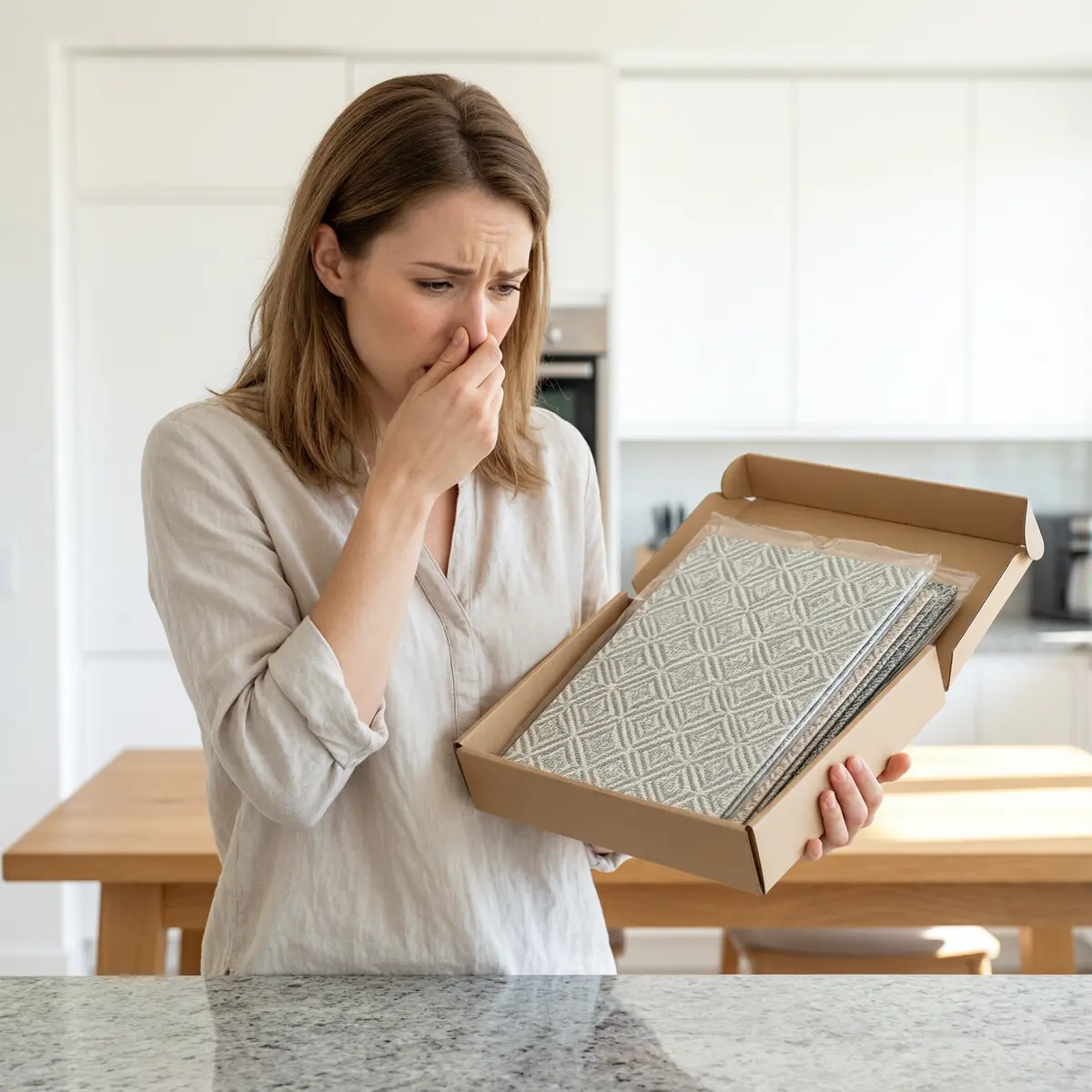
| PVC | Good | Good | Average | Average | Waterproof, Durable | May have an odor |
| Silicone | Good | Excellent | Easy | Excellent | Waterproof, Heat-resistant | Higher price |
From positive reviews, it is evident that high-quality tablemats should have good water resistance, anti-slip performance, and easy cleaning. For example, a comment like, “Very nice quilted pattern They are beautiful and well made. Just what I was searching for.” indicates that a good tablemat not only looks attractive but also meets the practical needs of consumers.
How to Avoid Functional Defects? — A Guide to Selection and Usage
Key Indicators and Parameters to Consider When Purchasing
- Water Resistance: Choose tablemats with a waterproof coating or dense structure to ensure liquids do not seep through to the tabletop.
- Anti-Slip Performance: The bottom should have anti-slip patterns or an anti-slip layer to prevent the tablemat from moving during use.
- Cleaning Convenience: Opt for materials with smooth surfaces that do not easily trap dirt, making daily cleaning easier.
- Heat Insulation: If you need to place hot dishes, choose tablemats with an insulating layer design.
Design and Craftsmanship Details Worth Paying Extra For
- Edge Treatment: Select products with finely finished edges and no loose fibers to ensure they do not deform over long-term use.
- Thickness: A tablemat of appropriate thickness not only provides better protection but also increases stability.
- Brand Reputation: Choose tablemats from reputable brands, which typically offer higher quality assurance.
Proper Usage and Maintenance Methods
- Regular Cleaning: Wipe the tablemat with a mild cleaner and a soft cloth, avoiding the use of strong, corrosive chemicals.
- Avoid High Temperatures: Try not to place hot dishes directly on the tablemat; use a heat-resistant pad or napkin as a buffer.
- Storage Method: Store the tablemat flat or rolled up when not in use to avoid permanent creases from folding.
Common Misconceptions to Correct
- Misconception 1: Believing that all tablemats have water-resistant properties. In reality, many low-cost tablemats lack a waterproof coating, so check carefully before purchasing.
- Misconception 2: Overlooking the importance of anti-slip performance. A tablemat that slides easily during use not only affects the user experience but can also lead to accidents.
Lessons from Real Users on Avoiding Pitfalls
-
Lesson One:
- User Review: “Almost Ideal placemat Looks elegant but is NOT SOLID VINYL. Food/liquids will seep thru to table. Bad for wood! Will also stain..keep bleachy soap handy!”
- Lesson Summary: Pay special attention to the water resistance of the tablemat, especially for wooden tabletops, to prevent liquid seepage and damage.
-
Lesson Two:
- User Review: “One Star Unfortunately, very STAINABLE too! The porous surface could NOT be cleaned of spagetti sauce, even using bleachy soap!”
- Lesson Summary: It is crucial to choose a material that is easy to clean, especially for tablemats that frequently come into contact with food, as stains can be difficult to remove otherwise.
-
Lesson Three:
- User Review: “Material Looks and Feels Like Nonslip Shelf Liner These ALL-WEATHER PATIO TABLE placemats are made from the same sort of material found in certain rolls of soft, nonslip, ‘gripper’ shelf liner. They’re suitable for outdoor patio table use, but not nearly attractive enough for everyday indoor table”
- Lesson Summary: Indoor tablemats should not only be practical but also aesthetically pleasing. Choose materials suitable for indoor environments and avoid overly rough or unsuitable materials for indoor decor.
Through the above analysis and guidelines, we hope consumers can make more informed choices when selecting tablemats and avoid the troubles caused by functional defects.
Related Deep Analysis in This Category
- Color Mismatch — 18% of complaints relate to this
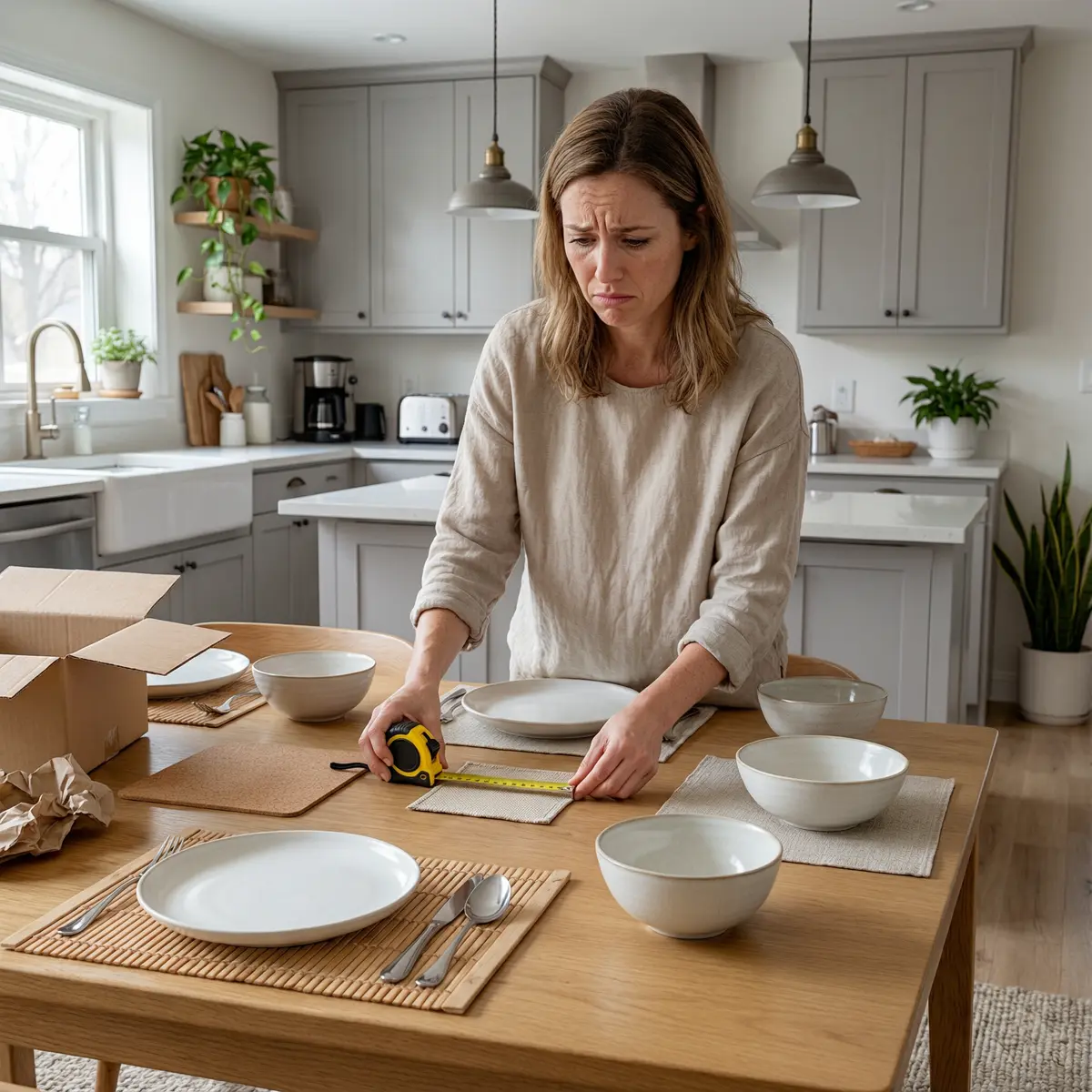
- Incorrect Sizes and Dimensions — 25% of complaints relate to this
- Low Durability and Easy Damage — 22% of complaints relate to this
- Misleading Advertisement and Parameter Mismatch — 35% of complaints relate to this
- Non-Slip Issues — 15% of complaints relate to this
- Odor Issues — 10% of complaints relate to this
- Poor Material and Workmanship — 42% of complaints relate to this
- Poor Quality Material — 50% of complaints relate to this
- Shipping and Quality Control Issue — 18% of complaints relate to this