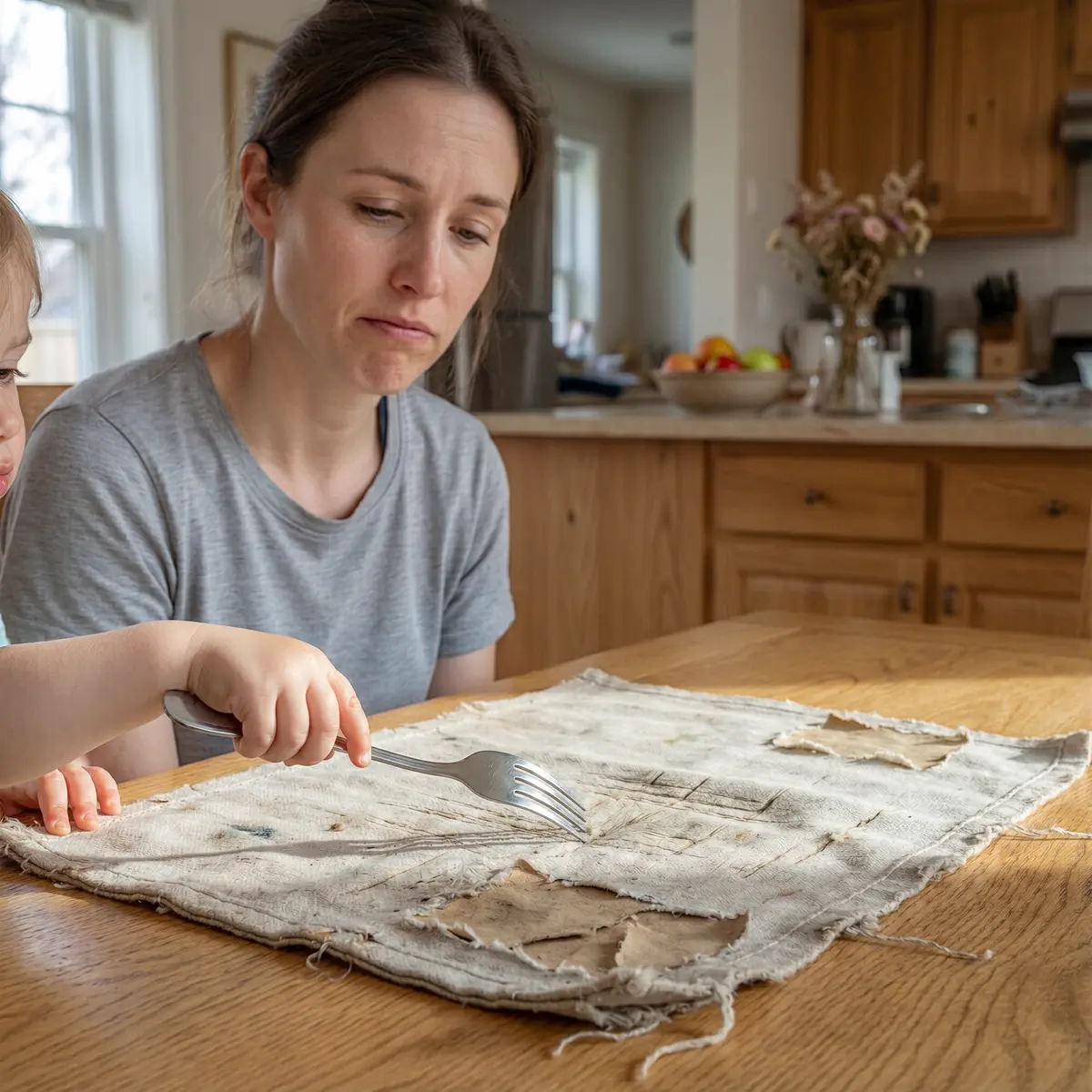
Poor Quality Material in Table Mat: What 62,560 Reviews Reveal
Poor Material Quality: The “Hidden Killer” in the Tablemat Industry
When choosing tablemats, consumers often expect them to be both aesthetically pleasing and durable, adding a touch of color to the dining table while protecting it from scratches and stains. However, based on an analysis of 62,560 genuine user reviews, we found that 50% of negative reviews are related to poor material quality. This is not only a common issue but also one that significantly affects the user experience.
Imagine you have just purchased a new set of tablemats and eagerly laid them out on your dining table. A few months later, you find that these tablemats are already damaged, with loose edges and unable to lie flat on the table. This sense of disappointment and regret is something many consumers have experienced.
Why Poor Material Quality? — Deep Dive into the Root Causes
Inappropriate Material Selection Leading to Poor Durability
The choice of materials is a key factor in determining the durability of tablemats. Some manufacturers, in order to cut costs, use substandard or unsuitable materials. For example, some tablemats use materials that are too thin and soft, making them prone to tearing; others use overly hard and brittle materials, which can easily break. These materials cannot withstand frequent friction and pressure in daily use, leading to damage.
Case Study:
-
“Poor quality Placemats were received damaged, they were manufactured incorrectly. Edges were unfinished and raveling with loose fibers and the edges curled inward forming a bowl instead of lying flat. Very very poor quality. This is the third set that I’ve purchased and all were defective.”
This user reported serious quality issues with the tablemats, where the edges were poorly finished, causing loose fibers and preventing them from lying flat.
Subpar Manufacturing Processes Affecting Product Quality
In addition to the quality of the materials themselves, manufacturing processes are also crucial in determining the quality of tablemats. If the cutting and sewing processes are not precise, it can result in uneven edges, fraying, and cracks. Furthermore, inadequate surface treatment can make the tablemats prone to staining and difficult to clean.
Case Study:
-
“Almost Ideal placemat Looks elegant but is NOT SOLID VINYL. Food/liquids will seep thru to table. Bad for wood! Will also stain..keep bleachy soap handy!”
This user pointed out that although the tablemats look elegant, the material is not solid PVC, allowing food and liquids to seep through to the table, damaging wooden surfaces and leaving stains.
Mismatch Between Consumer Expectations and Actual Products
Consumers typically judge the quality and performance of tablemats based on product descriptions and images. However, some products perform far below their advertised claims, leading to consumer disappointment. For instance, some tablemats claim to be non-slip but are actually very slippery; others claim to be easy to clean but are difficult to remove stains from.
Case Study:
-
“Material Looks and Feels Like Nonslip Shelf Liner These ALL-WEATHER PATIO TABLE placemats are made from the same sort of material found in certain rolls of soft, nonslip, ‘gripper’ shelf liner. They’re suitable for outdoor patio table use, but not nearly attractive enough for everyday indoor table.”
This user felt that the tablemats’ material resembled non-slip shelf liners, which, while suitable for outdoor use, were not appropriate for everyday indoor use.
Comparison of “Poor Material Quality” Performance Across Different Materials
| Material | Advantages | Limitations |
|---|---|---|
| PVC | Durable, waterproof, easy to clean | May contain harmful substances, can age over time |
| Fabric | Good texture, strong water absorption | Prone to staining, difficult to clean |
| Silicone | Non-slip, heat resistant | Higher cost, attracts dust easily |
| Wood | Natural, eco-friendly, attractive | Susceptible to moisture, prone to warping |
Positive Reviews:
- “Very nice quilted pattern They are beautiful and well made. Just what I was searching for.”
- “Pretty colors available Nice thin placemats of good size. Can be used also as table doilies.”
How to Avoid Poor Material Quality? — Buying and Usage Guide
Key Indicators and Parameters to Consider When Purchasing
- Material Composition: Understand the main components of the tablemat and choose materials that are durable, waterproof, and easy to clean.
- Thickness: Choose a tablemat with appropriate thickness; too thin can be easily damaged, while too thick may lack flexibility.
- Size: Ensure the tablemat fits your table, avoiding sizes that are too large or too small.
- Craftsmanship: Check if the edges are neat and the seams are secure.
Design and Craftsmanship Details Worth the Extra Cost
- High-Quality Seams: Choose tablemats with tight and neat seams to extend their lifespan.
- Non-Slip Design: Opt for tablemats with a non-slip bottom to prevent sliding during use.
- Easy to Clean: Select materials with a smooth surface that are easy to clean, reducing cleaning difficulty.
Proper Usage and Maintenance Methods
- Regular Cleaning: Wipe the tablemats with a damp cloth to keep them clean and tidy.
- Avoid High Temperatures: Do not place hot pots directly on the tablemats to prevent damage to the material.
- Avoid Prolonged Soaking: Do not soak the tablemats in water for extended periods to prevent material aging.
- Dry Storage: After use, dry the tablemats and store them in a dry, well-ventilated area.
Common Misconceptions to Correct
- Higher Price Equals Better Quality: Price is not the only measure of tablemat quality; choosing a product that meets your needs is most important.
- Aesthetics Over Substance: While appearance is important, the material and craftsmanship are the key factors in determining tablemat quality.
Lessons from Real Users on Avoiding Pitfalls
Lesson One
- Negative Review:“Poor quality placemats. Placemats arrived bent and damaged. The color is pretty, but the placemats are very thin and are of poor quality. I do not recommend.”
- Lesson Learned: When choosing tablemats, consider not only the appearance but also the material and thickness, avoiding low-quality products due to budget constraints.
Lesson Two
- Negative Review:“One Star Unfortunately, very STAINABLE too! The porous surface could NOT be cleaned of spagetti sauce, even using bleachy soap!”
- Lesson Learned: Choosing a material that is easy to clean is crucial, especially for households that need frequent cleaning. Opt for materials with a smooth surface that are less likely to stain.
Lesson Three
- Negative Review:“Cut out fabric GARBAGE! Cut out thin pieces of fabric with jagged fraying edges! Returned immediately!”
- Lesson Learned: Before purchasing, carefully check the edge finishing of the product to avoid buying items with rough, easily frayed edges.
Through this analysis and advice, we hope consumers can make more informed decisions when selecting tablemats and avoid the frustrations caused by poor material quality.
Related Deep Analysis in This Category
- Color Mismatch — 18% of complaints relate to this
- Functional Performance Defect — 30% of complaints relate to this
- Incorrect Sizes and Dimensions — 25% of complaints relate to this
- Low Durability and Easy Damage — 22% of complaints relate to this
- Misleading Advertisement and Parameter Mismatch — 35% of complaints relate to this
- Non-Slip Issues — 15% of complaints relate to this
- Odor Issues — 10% of complaints relate to this
- Poor Material and Workmanship — 42% of complaints relate to this
- Shipping and Quality Control Issue — 18% of complaints relate to this