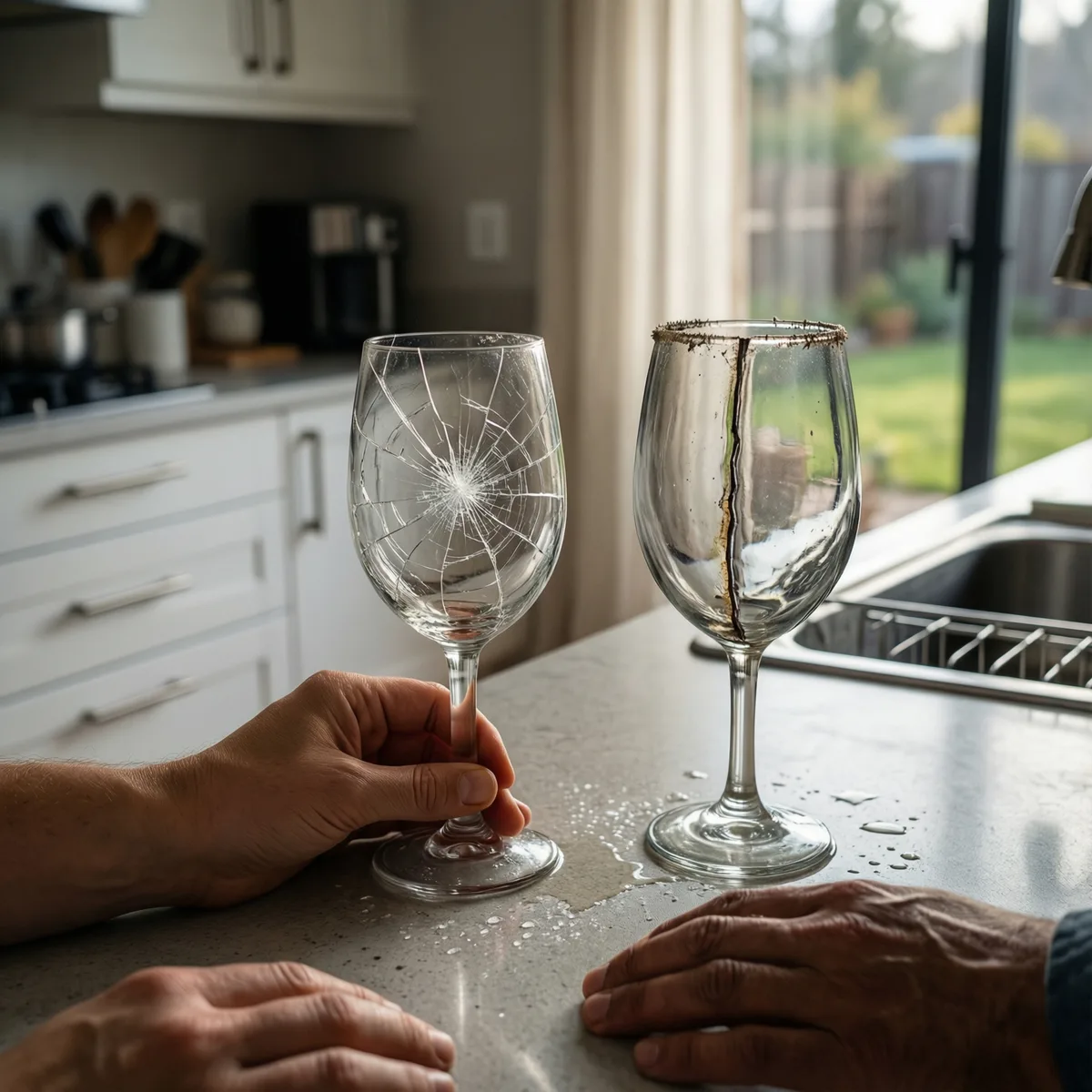
Poor workmanship and appearance defects in Wine Glass: What 184,181 Reviews Reveal
Rough Workmanship and Appearance Defects: The “Hidden Killer” in the Wine Glass Industry
When selecting wine glasses, we often focus on factors such as design, material, and capacity. However, a common issue—rough workmanship and appearance defects—is frequently overlooked. According to an analysis of 184,181 genuine user reviews, 32% of negative reviews are related to this problem. Imagine buying a set of beautiful wine glasses, only to find after a few months that the edges are rough and cut your lips, the patterns are peeling off, or the surface has become cloudy. This experience can be very frustrating. This article will delve into the root causes of this issue and provide practical guidelines for selection and use to help you avoid these problems.
Why Do Rough Workmanship and Appearance Defects Occur? — A Deep Dive into the Root Causes
Surface Treatment Processes
Patterns on wine glasses are typically applied through methods such as pad printing, spraying, or plating. If the adhesion of these processes is insufficient, the patterns can easily peel off when exposed to water or friction. For example, one user mentioned, “I bought two small mermaid-shaped wine glasses, and the pattern started peeling off after just one wash.” This situation is usually due to substandard surface treatment processes.
Molding Processes
Injection molding and blow molding are the primary methods used to shape wine glasses. If the precision of these processes is inadequate, it can result in visible seams, dimensional deviations, or rough edges. One user complained, “The glass is beautiful, but the edges are very rough and cut my lips when I drink from it.” This indicates serious issues with the precision and quality control of the molding process.
Quality Control Procedures
Omissions in the quality control process are also a significant cause of rough workmanship and appearance defects. Defective products, such as those with skewed patterns, sharp edges, or surface bubbles, are not intercepted in time and end up in the market. One user noted, “The wine glass I received had obvious sharp burrs on the edge, making it unusable.”
Material Properties
Low-cost plastics or glasses have poor scratch resistance and can easily develop scratches or become cloudy over time. One user reported, “The plastic wine glass became very cloudy after prolonged use, completely unlike its initial transparency.” This highlights the importance of material selection for long-term product performance.
Coloring Processes
Dyes or colorants with poor stability can easily fade or discolor when exposed to detergents. One user said, “The color of the glass faded after the first wash, which was very disappointing.” This reflects the quality issues in the coloring process.
Comparison of Rough Workmanship and Appearance Defects in Different Materials
| Material | Advantages | Limitations | Typical Positive Reviews |
|---|---|---|---|
| Glass | High transparency, good texture | Fragile, poor scratch resistance | “These wine glasses are very beautiful, highly transparent, and feel great in the hand.” |
| Plastic | Lightweight, shatter-resistant | Poor durability, prone to cloudiness | “The glasses are lightweight and suitable for outdoor use, and the colors are vibrant.” |
| Ceramic | Good texture, good insulation | Fragile, heavy | “The ceramic wine glasses have a great texture and good insulation.” |
| Stainless Steel | Durable, resistant to damage | Conducts heat quickly, affects taste | “The stainless steel wine glasses are very durable and easy to clean.” |
How to Avoid Rough Workmanship and Appearance Defects? — Selection and Usage Guidelines
Key Indicators and Parameters to Consider When Selecting
- Brand Reputation: Choose well-known brands, as they typically have stricter quality control.
- Material: Prioritize high-quality glass or ceramic, and avoid low-grade plastics.
- Surface Treatment: Check if the patterns are firmly attached and if there are any signs of fading or peeling.
- Molding Process: Carefully inspect the edges and seams to ensure there are no burrs or rough spots.
- User Reviews: Read other users’ reviews, especially those related to workmanship and durability.
Design and Process Details Worth Paying Extra For
- Double-Walled Glass: Increases insulation and reduces condensation.
- Lead-Free Crystal Glass: Enhances transparency and luster, and is safer and healthier.
- Fine Polishing: Edges are finely polished, making them smoother and less likely to cut your lips.
Proper Usage and Maintenance Methods
- Hand Washing: Avoid using a dishwasher, especially for glasses with patterns or coatings.
- Mild Detergents: Use mild cleaning agents and avoid strong, corrosive cleaners.
- Proper Storage: Avoid stacking glasses to prevent scratches and wear.
- Regular Inspections: Regularly check the edges and surfaces of the glasses, and replace them if any issues are found.
Common Misconceptions to Correct
- Higher Price Equals Better Quality: Price is not the only standard; the key is in the material and craftsmanship.
- Focusing Only on Appearance: Besides appearance, pay attention to the actual user experience and durability.
- Ignoring User Reviews: Real user feedback is an important basis for judging product quality.
Lessons from Real Users to Avoid Pitfalls
-
Lesson 1: “I bought two small mermaid-shaped wine glasses, and the pattern started peeling off after just one wash.”
- Lesson Summary: Before purchasing, make sure to check the adhesion of the patterns and avoid using a dishwasher for cleaning.
-
Lesson 2: “The glass is beautiful, but the edges are very rough and cut my lips when I drink from it.”
- Lesson Summary: Carefully inspect the edges and seams to ensure there are no burrs or rough spots.
-
Lesson 3: “The plastic wine glass became very cloudy after prolonged use, completely unlike its initial transparency.”
- Lesson Summary: Choose high-quality glass or ceramic wine glasses and avoid low-grade plastics.
-
Lesson 4: “The color of the glass faded after the first wash, which was very disappointing.”
- Lesson Summary: Choose products with stable dyes and avoid using strong, corrosive cleaning agents.
Through the above analysis and suggestions, we hope you can better understand the issues of rough workmanship and appearance defects in wine glasses and make informed choices during selection and use.
Related Deep Analysis in This Category
- Poor using experience — 20% of complaints relate to this
- Design and Usability Issues — 20% of complaints relate to this
- Easy to break or shatter — 45% of complaints relate to this
- Poor Packaging and Shipping — 25% of complaints relate to this
- Printing and Labeling Issues — 15% of complaints relate to this
- Product Description Mismatch — 30% of complaints relate to this
- Quality and Durability Issues — 45% of complaints relate to this
- Incorrect item or missing accessories — 13% of complaints relate to this