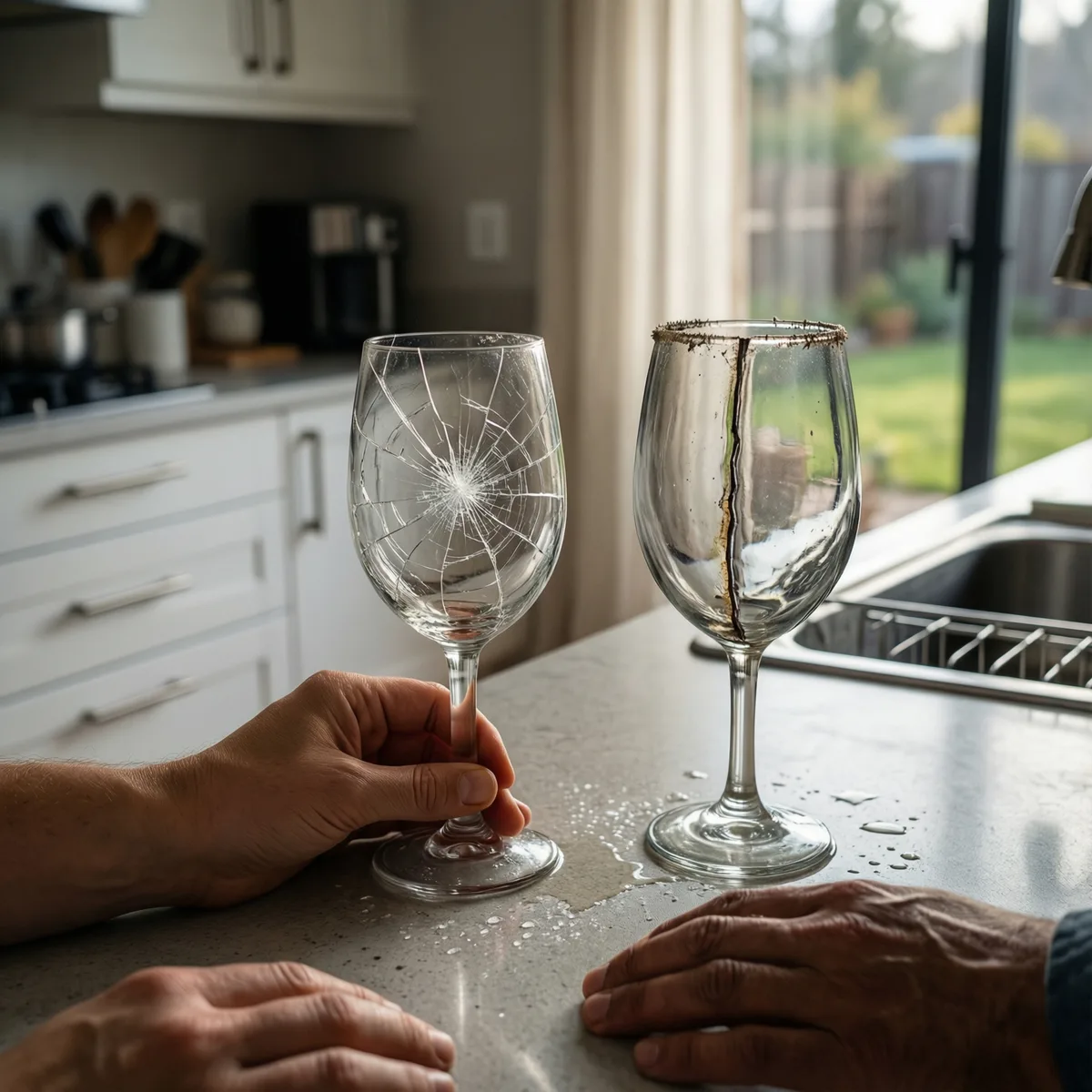
Quality and Durability Issues in Wine Glass: What 184,181 Reviews Reveal
Quality and Durability Issues: The “Invisible Killer” in the Wine Glass Industry
When selecting wine glasses, quality and durability are among the top concerns for consumers. However, according to our analysis of 184,181 genuine user reviews, a staggering 45% of negative reviews are related to quality and durability issues. This not only highlights the prevalence and severity of the problem but also indicates that many consumers encounter various quality issues shortly after purchase. Imagine this scenario: you just bought a set of beautiful wine glasses, and after a few months, you notice cracks, fading, or even breakage. How disappointing and regretful would you feel?
Why Do Quality and Durability Issues Occur? — A Deep Dive into the Root Causes
Material Selection and Quality Control
The quality and durability of wine glasses largely depend on the choice of materials and quality control. Common materials for wine glasses include glass, crystal, and plastic, each with different physical properties and durability. For example, glass wine glasses are typically more fragile than plastic ones but offer higher transparency; crystal wine glasses, on the other hand, are favored for their unique refraction and sound, though they are more expensive and prone to damage.
Case Study:
- “Cups ok It would’ve been nice to get everything that was in the description of the product. No straws or cleaning brush came in the box. That was the reason I bought this version.”
- Lesson Learned: Inaccurate product descriptions or missing accessories can lead to a poor user experience, which in turn affects overall ratings.
Common Defects in Manufacturing Processes and Their Causes
Defects in the manufacturing process are another significant factor leading to quality issues in wine glasses. For instance, poorly designed molds, improper temperature control during production, and rapid cooling can result in bubbles, cracks, or other defects in the final product. Additionally, if manufacturers are not stringent enough in their quality control, substandard products may enter the market.
Case Study:
- “Expected top quality from Corelle I am shocked at the poor quality of this Corelle product. The rims of all 6 cups are sharp with tiny chips all around. I cant let kids use any of these - throwing them out. These must be “seconds” and should be advertised as such.”
- Lesson Learned: Lax quality control can lead to obvious defects, affecting both the user experience and safety.
Relationship Between Consumer Usage Habits and Product Damage
Consumer usage habits also play a role in the lifespan of wine glasses. For example, washing wine glasses in a dishwasher can subject them to high temperatures and strong vibrations, accelerating wear and tear. Additionally, improper storage (such as stacking) can cause scratches or breaks on the surface of the glasses.
Case Study:
- “Very Disappointing for a Lily My daughter bought this as a Mother’s Day gift as we both love this designer. I have a pool and we both thought this would be great since it was pretty and plastic but when you drink from it the top portion on your lip is rough. It is very disappointing!”
- Lesson Learned: Design flaws discovered during use can affect user comfort and satisfaction.
Comparison of Quality and Durability Issues in Different Materials
| Material | Advantages | Limitations |
|---|---|---|
| Glass | High transparency, aesthetically pleasing | Fragile, poor heat resistance |
| Crystal | High refraction, good sound quality | Expensive, fragile |
| Plastic | Lightweight, shatter-resistant | Poor heat resistance, less tactile appeal |
Positive Review Example:
- “Not just for wine - every day use as well! These are fantastic glasses! Beautiful design, ergonomically fits perfectly in my hand and well made (sturdy glass). I can see where these will be very resis”
- Summary of Benefits: Well-designed, comfortable, and well-made wine glasses provide a better user experience.
How to Avoid Quality and Durability Issues? — A Guide to Selection and Use
Key Indicators and Parameters to Consider When Purchasing
- Material Selection: Choose the appropriate material based on the usage scenario and personal preference. For example, plastic or reinforced glass for daily use, and crystal for special occasions.
- Brand Reputation: Opt for well-known brands or those with a good reputation, as they tend to have stricter quality control.
- User Reviews: Check other users’ reviews, especially those related to quality and durability.
Design and Craftsmanship Details Worth the Extra Cost
- Seamless Design: Avoid wine glasses with seams, as they can become stress concentration points, increasing the risk of breakage.
- Thicker Edges: Wine glasses with thicker edges are more durable and less likely to develop cracks.
- Non-slip Base: Glasses with non-slip bases can reduce the risk of accidental drops.
Proper Usage and Maintenance Methods
- Hand Washing Preferred: Avoid using dishwashers to clean wine glasses, especially high-end ones.
- Handle with Care: Use and store wine glasses gently to avoid severe impacts.
- Separate Storage: Do not stack wine glasses to prevent scratches or dents.
Common Misconceptions to Correct
- More Expensive Means Better: Higher-priced wine glasses are not necessarily suitable for all usage scenarios; choose a product that meets your needs.
- Neglecting Maintenance: Even the best-quality wine glasses require proper care to extend their lifespan.
Lessons from Real Users to Avoid Pitfalls
-
Negative Review: “Cheap and don’t sparkle like the pictures Disappointed, cheap and the design is a picture instead of real marble, don’t buy if you want authentic ones, no sparkle like the pictures show”
- Lesson Learned: Mismatch between product description and actual item can severely impact consumer trust; carefully verify product information and images before purchasing.
-
Negative Review: “Too heavy They look really nice, but they’re very heavy. Should’ve sent them back but we threw away the box. I would not recommend.”
- Lesson Learned: Heavier wine glasses may affect the user experience; consider practicality before purchasing.
-
Negative Review: “Smaller than expected I certainly would advise you to save your money and not buy. Color on outside faded first washing by hand. Drink didn’t stay cold very disappointed😆”
- Lesson Learned: Product size and color stability are important considerations; thoroughly understand the specifications and performance before buying.
Through the above analysis and guidelines, we hope consumers can make more informed choices when purchasing wine glasses, avoiding quality and durability issues and thus enjoying a better user experience.
Related Deep Analysis in This Category
- Poor using experience — 20% of complaints relate to this
- Design and Usability Issues — 20% of complaints relate to this
- Easy to break or shatter — 45% of complaints relate to this
- Poor Packaging and Shipping — 25% of complaints relate to this
- Poor workmanship and appearance defects — 32% of complaints relate to this
- Printing and Labeling Issues — 15% of complaints relate to this
- Product Description Mismatch — 30% of complaints relate to this
- Incorrect item or missing accessories — 13% of complaints relate to this