Color & Appearance Mismatch with Listing in Curtains: What 182,185 Reviews Reveal
Inconsistent Appearance and Color: The “Hidden Killer” in the Curtain Industry
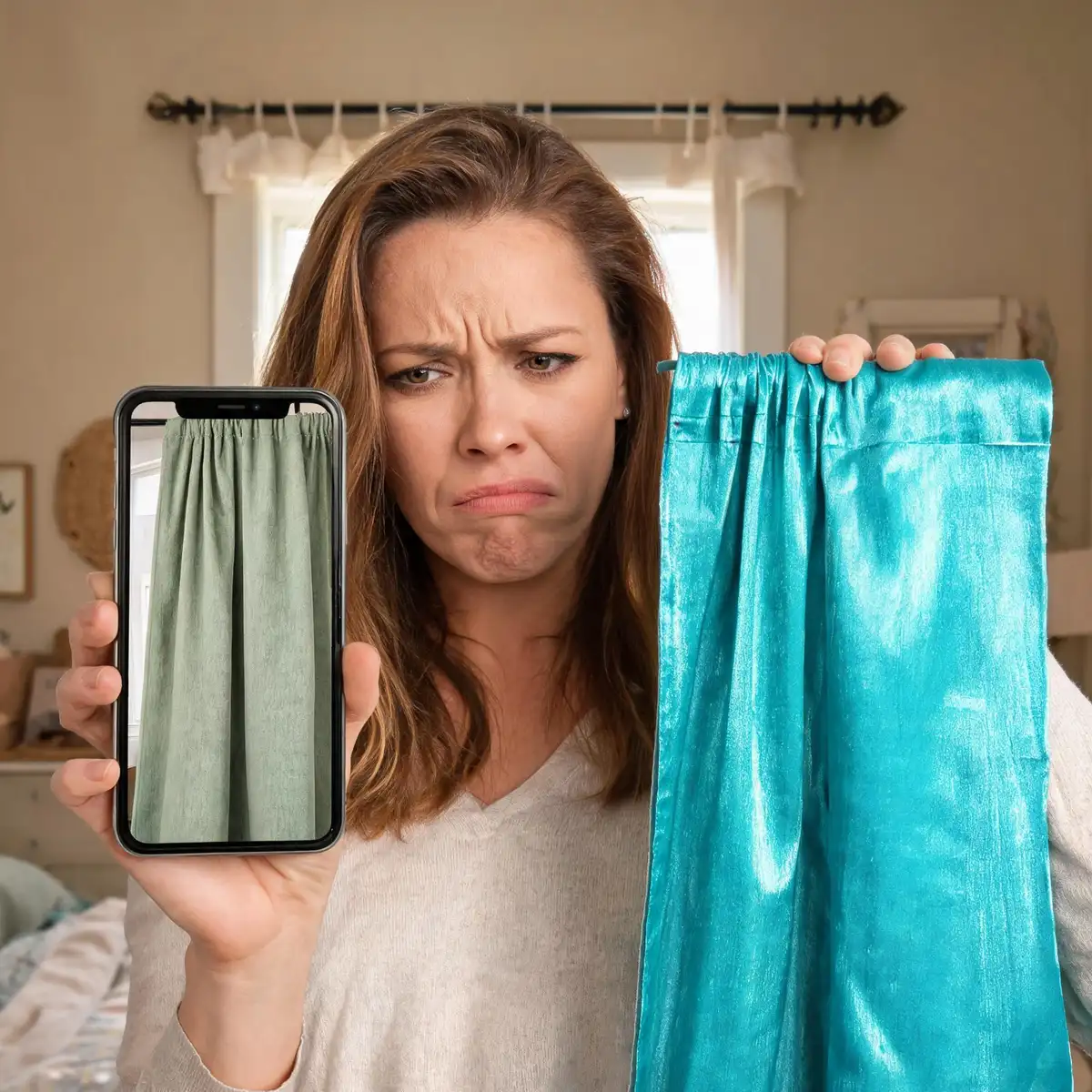
Many people treat curtains as the “final puzzle piece” of home decoration: they spend months finalizing the color schemes of wall paint, sofas and floors, browse hundreds of product pages to pick the “dream curtain” that perfectly matches the overall style, wait over a week for delivery and pay tens of yuan for installation to hang it up, only to be stunned the moment sunlight shines through – the carefully selected high-end gray turns into yellowish khaki, the advertised matte linen feels like cheap plastic, and even two curtains of the same color number hung on the same wall look like completely different colors. Based on analysis of 182,185 real user reviews covering 49,678 curtain products, we found that 22% of negative reviews are related to “inconsistent appearance and color”, making it the third most complained issue, right after size errors and insufficient light blocking. Many consumers are caught in a dilemma when encountering such problems: returning requires bearing disassembly/assembly fees and shipping costs, while keeping them ruins the entire home decoration atmosphere. In the end, they can only make do with them, and regret not choosing carefully every time they see the curtains months later.
Why Is There Inconsistent Appearance and Color? – In-depth Breakdown of Root Causes
The color difference and texture deviation of curtains are never a simple gap between “buyer show and seller show”. Behind the problem are systematic issues covering three dimensions: material properties, manufacturing process and product display, which correspond to the typical questions consumers encounter:
Material Properties: “Color Change” Under Light Is the Essential Reason
From the perspective of material optics, curtains are semi-translucent materials. The color we see comes from two sources: reflected light on the fabric surface, and transmitted light that penetrates the fabric, which is a completely different system from the self-luminous color of mobile phone and computer screens. For example, the common question “why is the gray curtain I bought actually brownish yellow” is essentially caused by the fact that the product image on the detail page is shot in a dark room with soft light hitting the fabric surface, only presenting the cool gray of reflected light; when hung at home, sunlight penetrates the fabric, and the small amount of yellow polyester fiber mixed in the fiber or warm dye base will be revealed, making the overall color look brownish and yellowish. Similarly, blue fabrics tend to turn grayish under strong light, and milk tea-colored fabrics tend to turn pinkish under weak light, all because the superimposed effect of two types of light is different from the single light environment used for merchant shooting.
Manufacturing Process: Batch Errors and Process Defects Are the Core Incentives
Curtains are non-standard textile products, and slight errors in the production process will lead to deviations between the final effect and promotional content: First, the dyeing process is unstable. At present, most mid-to-low-end curtains adopt the jigger dyeing process. Even if there is only a 5% error in dye vat temperature, dye ratio and soaking time between different batches, the resulting color will have visible differences to the naked eye. Even the beginning and end of the same roll of fabric may have slight color difference, which is the core reason for the common problem of “two curtains of the same color number have different colors”. Second, the fabric post-treatment process is not up to standard. The “linen texture” advertised by many merchants is actually embossed linen texture on ordinary polyester fabric, with the plastic luster of chemical fiber covered by photo retouching. Consumers will find there is no rough texture of natural fiber at all when they touch the received product, only a strong plastic feel. For printed styles, low-end paint printing process will also cause problems such as inaccurate pattern alignment, insufficient clarity, and ink fading after two washes.
Product Display: Over-retouching Magnifies Expectation Gap
To improve conversion rate, many merchants over-retouch product images: deliberately increase the saturation of cool tones to create a high-end sense, increase the brightness of warm tones to create a warm atmosphere, and even retouch thin sheer curtains into the effect of thick blackout curtains. A user mentioned in a negative review that “the title says blackout curtains, but they are actually as thin as coarse cotton cloth, and neighbors can even see what’s going on inside my home”, which is a typical case of false publicity through retouching. We can understand this chain with a simple analogy: you see a photo of milk tea with 10 levels of filters online, and when you get the actual drink, you find too much tea is added, the color is darker, and the taste is different from your expectation – retouching is the filter, the production process is the proportion of milk and tea, and material properties are the original taste of milk and tea. The three factors together lead to the final expectation gap.
Comparison of “Inconsistent Appearance and Color” Performance of Different Materials
Different fabrics have different material properties, so the performance of appearance inconsistency also has obvious differences. We sorted out the advantages, disadvantages and ideal performance of various materials combined with real user reviews:
| Material Type | Common Appearance Inconsistency Performance | Core Advantages | Actual Performance of High-Quality Products (from real positive reviews) |
|---|---|---|---|
| Polyester (Chemical Fiber) | Shows linen/cotton linen texture after retouching, but has strong plastic feel in reality; unstable dyeing, large batch color difference, gray tends to turn yellowish, blue tends to turn grayish | Low cost, good wrinkle resistance, easy to care for | “The fabric is of high quality, moderate weight, and there is almost no difference between the color and the advertisement” “The thickness is sufficient, and the expected light blocking effect can be achieved without additional lining cloth” |
| Natural Cotton Linen | The picture shows uniform and highly saturated color, but has natural linen knots in reality, with slight color unevenness, and the color is 1-2 shades lighter than the picture after light transmission | High-end texture, good breathability, natural drape | “The blue-green color is rich and saturated, which matches my rust red sofa very well” “The texture is natural, without cheap plastic luster” |
| Silk/Silk Imitation | The picture shows high-end bright luster, but it is actually matte or even dull, and the gloss is 2-3 levels lower than advertised | Good drape, luxurious texture, soft light transmission | “The gloss is soft and not dazzling, the drape is strong, and it is very flat when hung up” |
| Cotton-polyester Blended | The picture indicates high cotton content, but the actual cotton proportion is low, the texture is relatively hard, and the color is 1 shade darker than the picture | Combines the natural texture of cotton with the wrinkle resistance and color fastness of chemical fiber | “It has the texture of natural fabric, almost no color difference, and no color fading after washing” |
How to Avoid Inconsistent Appearance and Color? – Purchase and Use Guide
Combined with industry standards and real user feedback, we sorted out practical pit avoidance methods, and give clear answers to the most concerned questions:
Core Judgment Criteria When Purchasing
- Prioritize merchants that support free sample delivery: This is the most effective way to avoid color difference and texture problems. After getting the sample, do not just look at it at the courier station, take it home to observe the color under daytime natural light, living room ceiling light at night, and bedroom warm light respectively, touch the thickness and test the light transmission at the same time, and place a large order only after confirming it meets your expectation.
- Confirm dyeing process and batch: Prioritize products marked with “reactive printing and dyeing”, which has more than 30% higher color fastness than ordinary paint printing and dyeing, with smaller batch color difference; if you need to buy multiple curtains, be sure to confirm with customer service in advance to send fabrics of the same batch, to avoid color difference of the same color number from different batches.
- Do not only look at the main image, check more unfiltered real photos from buyer shows: Main images are basically the effect of professional lighting and retouching, while filter-free real photos uploaded by ordinary users are closer to the real effect, focus on the photos taken in different light environments.
Process Details Worth Investing In
If your budget allows, prioritize products with “pre-shrinking treatment”, “high-temperature shaping” and “color fixing treatment” processes: pre-shrinking can avoid size change after washing, high-temperature shaping can reduce wrinkles, and color fixing treatment can reduce the probability of color fading and discoloration. These processes will increase the matching degree between the actual effect of curtains and promotional content by more than 60%.
After-sales Rights Description
For the most concerned question “Can I return the curtains if the color is completely different from the picture?”: As long as the received curtains are not damaged, not cut or installed, and do not affect secondary sales, you can return or exchange them via the 7-day no reason return policy; if the color difference significantly exceeds the normal range and it is confirmed as false publicity by the merchant, even if the package has been opened, you can keep the comparison photos of the physical product and the promotional page, and apply for platform intervention to protect your rights.
Common Misconceptions Correction
- Misconception 1: “There must be no color difference for the same color number”: The color difference of the same color number fabric from different batches can reach 2 shades, which is a common industry problem. Be sure to confirm with customer service in advance to deliver products from the same batch.
- Misconception 2: “All color differences are normal and cannot be returned”: Normal batch color difference is generally within 1 shade, which is almost invisible to the naked eye. If the color difference is so obvious that they belong to two different colors, it is a quality problem, and you have the right to request return or exchange.
- Misconception 3: “The effect on the detail page is the effect when hung at home”: The shooting environment of the detail page is completely different from the light environment of ordinary families. Be sure to get samples or check user real photos for judgment.
“Pit Avoidance” Lessons from Real Users
We selected 4 most representative negative cases from more than 180,000 reviews, you can refer to them directly to avoid the same pitfalls:
- User negative review: “The curtains are not at all what I expected from the picture. They are sheer and they have no glitter. Definitely not worth the price or the wait to get them!” Lesson Summary: When purchasing, do not only look at the visual effect of the main image, be sure to check the parameter column on the detail page to confirm the thickness of the fabric, whether there are special processes such as jacquard/glitter. If it is not clearly marked in the parameters, confirm the written description with customer service in advance, do not assume that all details presented in the main image can be realized.
- User negative review: “I would give these more stars if the title didn’t say blackout These curtains are definitely not blackout curtains. They aren’t even much of a curtain. They are kind of sheer.” Lesson Summary: For curtains with functional requirements (such as light blocking, heat insulation), do not only look at the keywords in the title, ask customer service for real photos of light transmission test under ordinary sunlight, do not believe the effect demonstration shot in dark room with lighting. If samples are available, you can hold the sample against the window to test the light transmission by yourself.
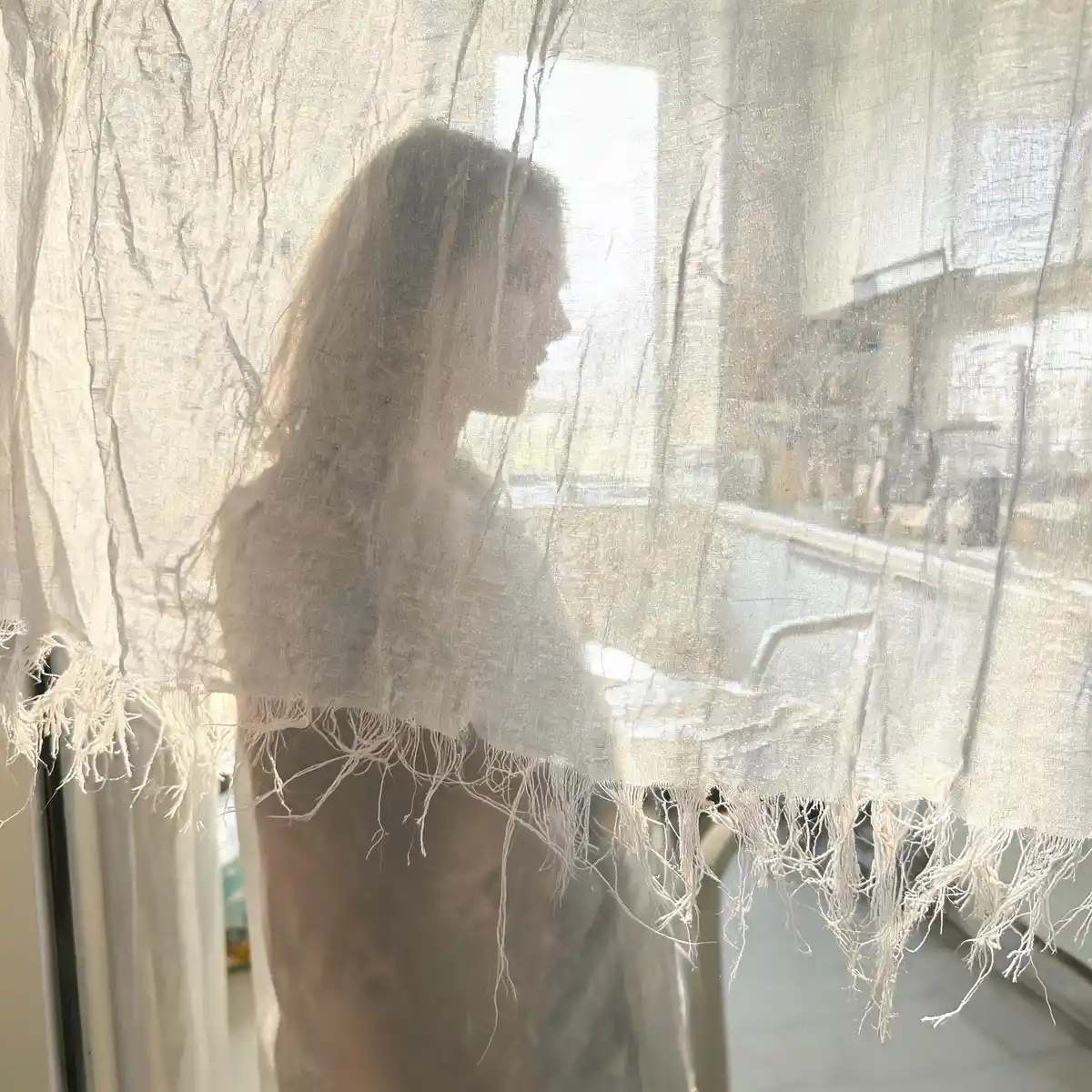
- User negative review: “Like cheesecloth The pattern on these ‘light filtering’ curtains is pretty. Unfortunately, the material is just like cheesecloth. No way these can be used for curtains, unless you want to go to jail. All of your neighbors will learn all about your ‘business’.” Lesson Summary: The texture, thickness and light transmission of the fabric cannot be completely and accurately judged through pictures. No matter how real the detail page is shot, it is not as reliable as the sample you get. Do not save a few yuan of sample fee, and end up wasting hundreds or even thousands of yuan on the large order.
- User negative review: “Not all pleased These are definitely not black out curtains and they measured shorter than the listing, in addition they arrived super wrinkled. Definitely returning.” Lesson Summary: After receiving the curtains, lay them flat and check the color, size, thickness and wrinkle condition as soon as possible, install and punch holes only after confirming there are no problems. Once cutting, punching and hanging affect secondary sales, the difficulty of return and exchange will be greatly increased.
Related Deep Analysis in This Category
- Inaccurate Size & Specification — 35% of complaints relate to this
- Installation & Hardware Failure — 18% of complaints relate to this
- False Advertising of Functional Features — 40% of complaints relate to this
- Poor Material & Workmanship — 28% of complaints relate to this
🛠️ Practical How-To Guides
Based on the analysis above, we've prepared actionable daily solutions for you:
Received the Wrong Curtain Color? Use This 'Textbook' Evidence and Return Script for an Instant Refund!
Providing efficient photo evidence tips and customer service communication scripts for severe color discrepancies and poor print quality to ensure a full refund.
Read Full Guide →Same Color Code but Different Shades? 3 Expert Steps to Solve Curtain Batch Color Differences!
Uncovering the causes of dye lot color variations and sharing how to communicate with sellers to ensure color consistency from the same dye batch when buying extra curtains.
Read Full Guide →Tired of Curtain 'Catfishing' Online? 3 Tricks to Avoid Color Mismatches and Get the Perfect Shade!
From requesting fabric swatches to spotting photo-editing tricks, this guide helps you lock in the true color and texture of curtains when shopping online.
Read Full Guide →