Poor Material & Workmanship in Curtains: What 182,185 Reviews Reveal
Poor Material and Workmanship: The “Hidden Killer” in the Curtain Industry
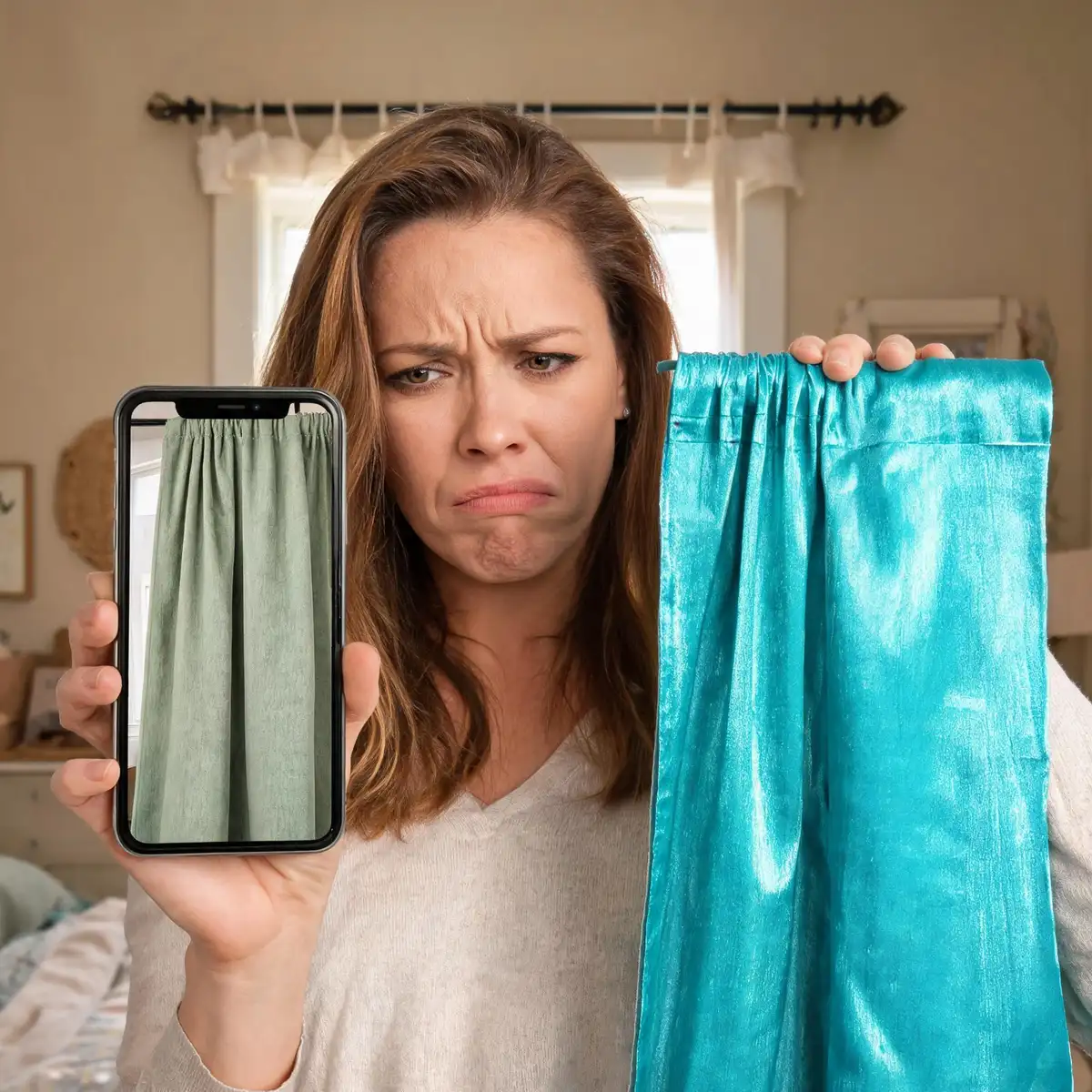
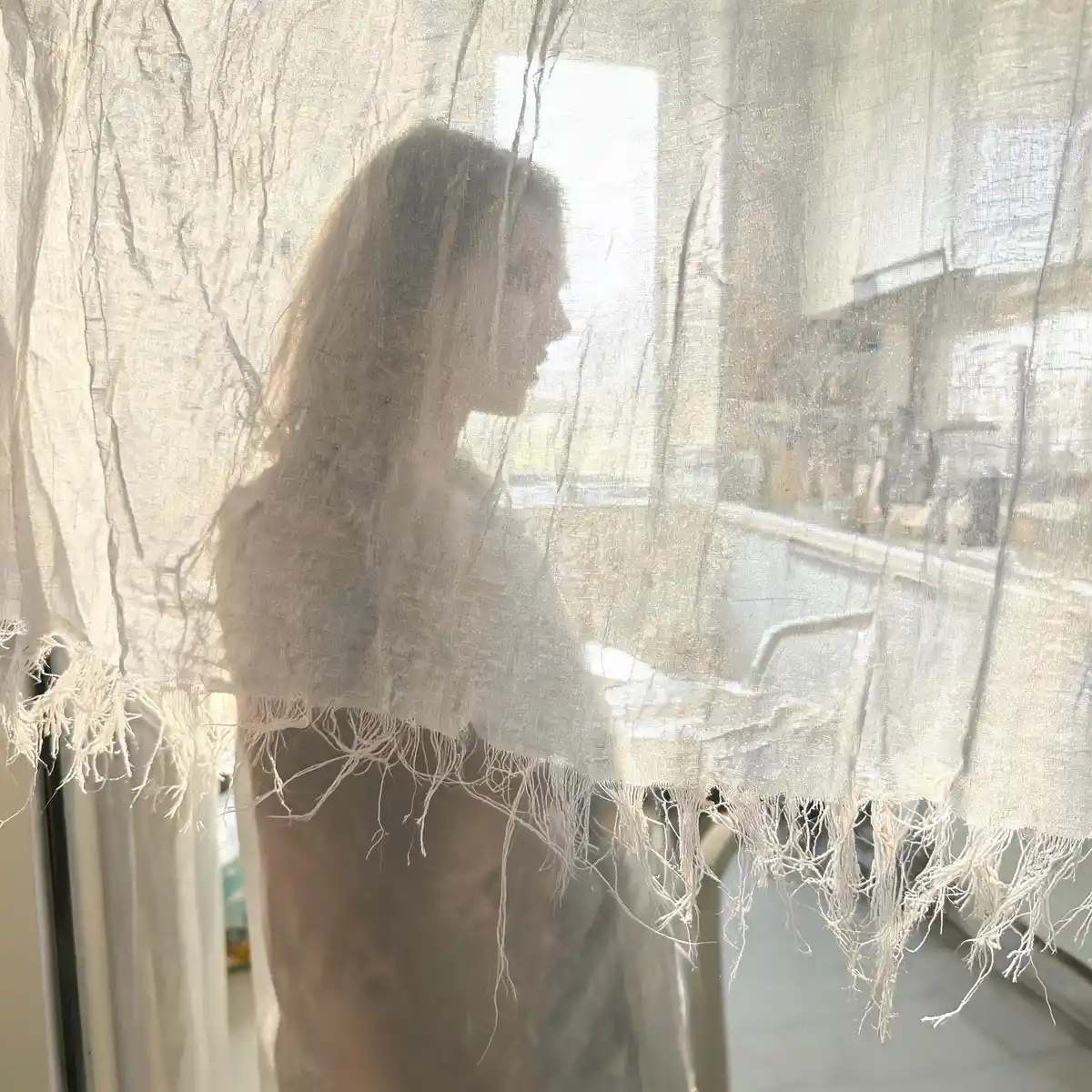
Many consumers only focus on patterns, style, and advertised blackout and thermal insulation features when purchasing curtains, only to discover problems after hanging them up: Afternoon sunlight casts clear shadows of household members on the curtain, shipping creases remain stiff and do not disappear even after three months of hanging, the side edges fray after a few pulls, and a pungent plastic smell lingers for as long as half a month. The expectation for satisfying soft furnishing effects eventually turns into a frustrating dilemma: too wasteful to throw away, too annoying to keep.
Industry analysis based on 182,185 real user reviews covering 49,678 products shows that 28% of negative curtain reviews are directly related to poor material and workmanship. The occurrence rate of this problem is far higher than common consumer issues such as color difference and delivery delay, making it the easiest hidden pitfall for ordinary consumers when buying curtains. Ms. Lin, who just finished home renovation, encountered a typical problem: To match her living room’s creamy white decor style, she chose an off-white curtain that looked soft and high-quality in online photos. It arrived crumpled in a ball, and she thought the creases would disappear after a few days of hanging, but they still remained two months later. When friends came to visit on the weekend, the shadow of a person standing by the balcony was clearly visible from the hallway, leaving her so embarrassed that she took the curtain down and stuffed it into the storage room the same day.
Why Is Material and Workmanship Poor? In-depth Breakdown of Root Causes
Curtain material and workmanship problems may seem scattered, but their underlying logic can be traced from three dimensions: materials science, manufacturing process, and consumer cognition:
Material Side: Raw Material Downgrade Caused by Cost Compression
From the perspective of materials science, the core performance indicator of curtain fabric is gram weight (weight of fabric per square meter), which directly determines the density, drape, and light transmittance of the fabric. A qualified ordinary light-transmitting curtain must have a gram weight of at least 200g/㎡, while blackout curtains need to reach 300g/㎡ or higher. However, many merchants reduce the gram weight of blackout curtains to 150g/㎡ or even lower to cut raw material costs. The gaps between fibers are so large that light and human shadows can pass through, which is the situation mentioned in many negative reviews: “as thin as cheesecloth, neighbors can see everything going on at home”. In addition, accessory downgrade is also very common: Qualified hooks and tracks are made of stainless steel or thickened aluminum alloy, with a load capacity of up to 5kg per meter. Inferior products use recycled plastic or thin iron sheets less than 0.8mm thick, which will deform and break after six months of hanging.
Manufacturing Side: Unqualified Process Caused by Omitted Procedures
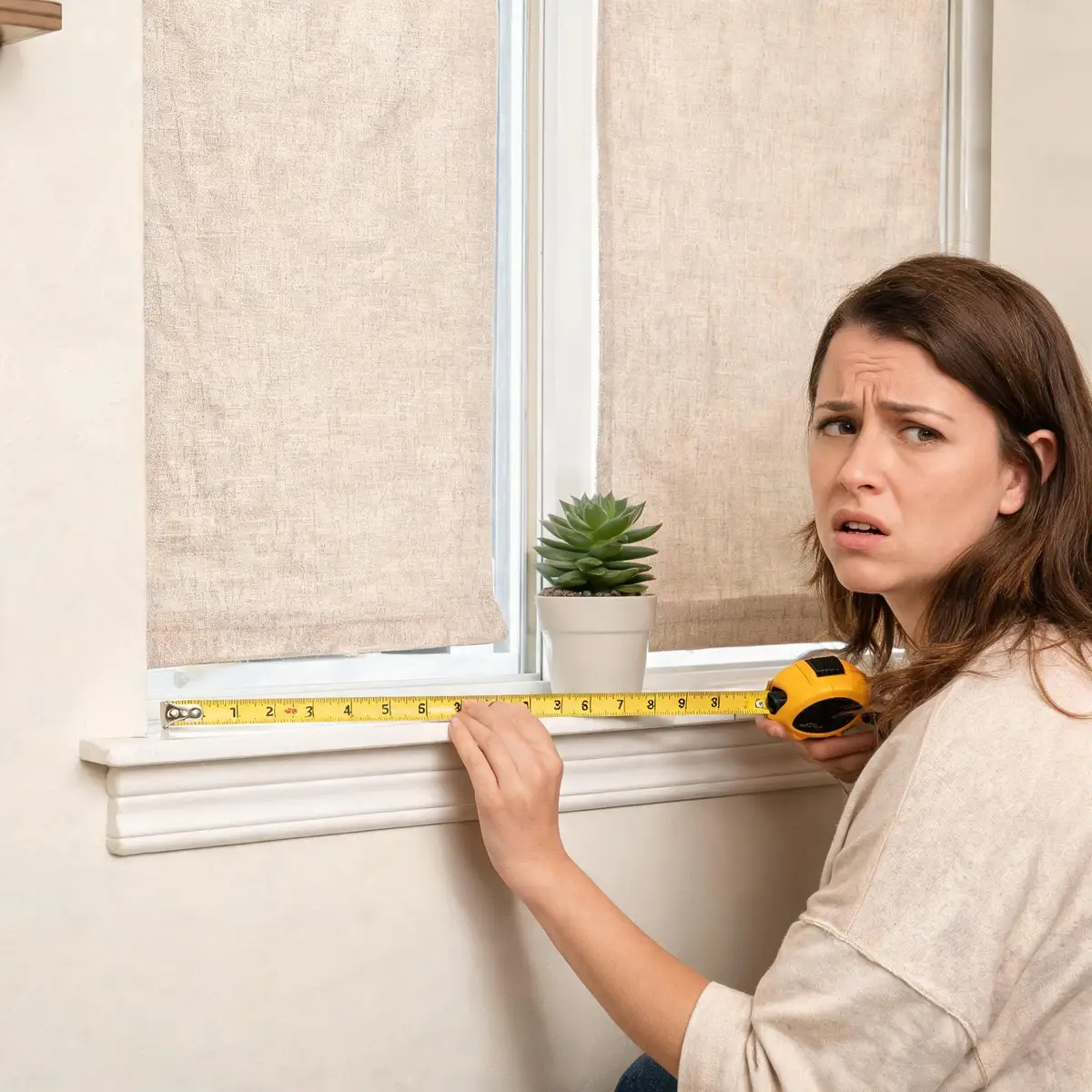
- Shoddy sewing process: Qualified curtains require a stitch density of ≥5 stitches per centimeter, 3cm wide hemming on the sides, and size error controlled within ±1%. Inferior products either have loose stitching and frayed edges that come apart after a few pulls, or deliberately reduce the size to save material. For example, a user mentioned in a negative review: “marked 42×84 inches, the pleated top is actually only 23.5 inches wide”, which is a typical unqualified cutting process.
- Omitted setting process: Qualified curtains will undergo high-temperature and high-pressure pre-setting above 180℃ to fix the structure of fabric fibers, so shipping creases will naturally stretch out after 1-2 days of hanging. Inferior products directly omit this process, so the creases pressed during folded transportation are irreversible dead folds that cannot be completely removed even with high-temperature ironing, and may even damage the fabric.
- Unqualified coating/dyeing process: For curtains advertised with blackout and thermal insulation functions, qualified products use water-based polyurethane coating, which is odorless and has strong adhesion. Inferior products use solvent-based coatings made of recycled plastic, which have a pungent smell, fall off easily, and cannot achieve the advertised blackout and thermal insulation effects at all, which is what many users complain about: “feels like plastic, neither blocks light nor keeps heat”.
Consumer Side: Cognitive Bias Provides Living Space for Inferior Products
Many consumers only compare unit price and pattern when purchasing, and do not pay attention to gram weight and process parameters. Some even think “curtains are just a piece of cloth, there is no need to buy expensive ones”. This cognition gives low-quality, low-priced inferior products sufficient market space, which in turn increases the pitfall probability of the entire industry.
Performance Comparison of “Poor Material and Workmanship” for Different Materials
The performance difference between qualified and inferior products of curtains made of different materials is very large. Please refer to the following table for details:
| Curtain Material Type | Qualified Product Performance (from real positive reviews) | Inferior Product Performance (from real negative reviews) | Core Identification Point |
|---|---|---|---|
| Ordinary Polyester Curtain | Thick fabric, good drape, even color, no deformation after washing | As thin as sheer, shows human shadows, feels plastic, fades after washing | Gram weight ≥200g/㎡, no obvious creases after bending |
| Cotton Linen Curtain | Natural texture, certain drape without slumping, no obvious knots | Thin and transparent, frayed edges, shrinks by more than 5% after washing, pilling easily | Marked as pre-shrunk, yarn count ≥40 |
| Black Silk Interlayer Blackout Curtain | Meets blackout rate requirements, no obvious light transmission points when held up to light, no odor | Does not block light at all, obvious fiber gaps visible when held up to light, large color difference between two sides | Observe against strong light, interlayer black silk is evenly distributed, no light transmission points |
| Coated Blackout Curtain | No pungent smell, no cracks in coating after bending, meets blackout and thermal insulation requirements | Obvious plastic smell, coating peels off easily, neither blocks light nor keeps heat in | No whitening or cracks on coating after bending, no pungent odor |
How to Avoid Poor Material and Workmanship? Purchasing and Usage Guide
Core Judgment Indicators When Purchasing
- Prioritize the marked gram weight parameter: Ordinary curtains ≥200g/㎡, blackout curtains ≥300g/㎡. If it is not marked on the detail page, consult customer service directly, and exclude products that refuse to provide this information;
- Verify size tolerance: The length and width error of qualified products does not exceed ±2%. If a large number of reviews mention insufficient size, avoid it directly;
- Check process detail images: Confirm that the hemming is neat, the stitching is even and not twisted, the edges are not frayed, and the hanging holes/hanging rings are firmly installed;
- Confirm environmental protection labels: Choose products with Class A/Class B textile product certification and OEKO-TEX certification to avoid environmental problems such as odor and fading.
Process Details Worth Paying a Premium For
If the budget allows, prioritize products with high-temperature pre-setting process, shipping creases can recover naturally without additional ironing; choose lockstitch hemming style for sewing process, its service life is 2-3 times longer than ordinary hemming; prioritize stainless steel/POM material hooks and aluminum alloy tracks with thickness ≥1.2mm for accessories, which are not easy to deform and break.
Correct Usage and Maintenance Methods
- Do not iron pre-set curtains directly after receiving them, hang them for 24-48 hours first, and shipping creases will naturally stretch out;
- When washing ordinary polyester and cotton linen curtains, the water temperature should not exceed 30℃, do not use bleach to avoid fading; coated blackout curtains should not be machine washed, just wipe with a wet cloth to prevent the coating from falling off;
- Do not pull the curtain violently when pulling it, to avoid thread off or hook breakage.
Common Misconception Correction
- Misconception 1: The thicker the curtain, the better the blackout effect: In fact, a black silk interlayer blackout curtain of 280g/㎡ has better blackout effect than an ordinary polyester curtain of 400g/㎡, so there is no need to blindly pursue thickness;
- Misconception 2: Wrinkled curtains can be fixed by ironing: If it is an inferior fabric without pre-setting, the pressed dead folds cannot be completely eliminated even with ironing, and may even damage the coating;
- Misconception 3: Soft-feeling fabric is good fabric: Low gram weight inferior polyester can also be made very soft, but it has insufficient density, poor drape, and easily shows human shadows, so quality cannot be judged by hand feel alone.
“Pitfall Avoidance” Lessons from Real Users
We selected the most representative pitfall cases from 180,000 reviews to help everyone avoid pitfalls from others’ experiences:
- Original User Negative Review: “Different styles depending on size and not blackout I ordered two different sizes of these curtains for different windows and they came with different types for the curtain hangers… one has just a loop for a rod and one has the grommets. Also NOT blackout curtains!” Lesson Summary: If different specifications of the same product have inconsistent processes and accessories, it is a serious quality control failure. If you see similar reviews when purchasing, avoid it directly, and do not take chances.
- Original User Negative Review: “Not all pleased These are definitely not black out curtains and they measured shorter than the listing, in addition they arrived super wrinkled. Definitely returning.” Lesson Summary: Size error exceeding 2% and irreversible dead creases after shipping are both signs of unqualified cutting and setting processes. There is basically no remedy for such products, and it is recommended to return them directly.
- Original User Negative Review: “Like cheesecloth The pattern on these ‘light filtering’ curtains is pretty. Unfortunately, the material is just like cheesecloth. No way these can be used for curtains, unless you want to go to jail. All of your neighbors will learn all about your ‘business’.” Lesson Summary: Insufficient fabric gram weight will cause the light transmittance to far exceed the advertised level, and even lead to privacy issues such as visible human shadows. Be sure to ask about the fabric gram weight before purchasing, and do not only look at the pattern in the promotional image.
- Original User Negative Review: “Worthless Definitely false advertising all around, NOT thermal, NOT blackout, NOT anything but thin material to cover a window. What a waste of money, these went in the trash can !!!!!” Lesson Summary: For curtains advertised as having blackout and thermal insulation functions, if the specific blackout rate and heat transfer coefficient parameters are not marked, it is most likely false advertising. Do not pay a premium for these unclearly marked functions.
Related Deep Analysis in This Category
- Color & Appearance Mismatch with Listing — 22% of complaints relate to this
- Inaccurate Size & Specification — 35% of complaints relate to this
- Installation & Hardware Failure — 18% of complaints relate to this
- False Advertising of Functional Features — 40% of complaints relate to this
🛠️ Practical How-To Guides
Based on the analysis above, we've prepared actionable daily solutions for you:
Curtains Too Thin and See-Through? 3 Simple Tricks to Spot and Avoid Cheap Fabrics
A practical buying guide teaching you how to check light transmission, fabric weight, and stitching to easily identify curtain quality.
Read Full Guide →Smelly and Fading New Curtains? 3-Step Saltwater and Air-Out Guide to Fix Poor Coatings
Safe home remedies including saltwater soaking and airing out to fix odors, prevent color bleeding, and maintain poorly dyed curtains.
Read Full Guide →Stubborn Creases on New Curtains? Save Poorly Shaped Drapes with the Steam-and-Gravity Method
A home-friendly guide using steam ironing and gravity hanging to restore drape and fix stubborn shipping creases.
Read Full Guide →