Low Cost Performance & Overpriced in Kitchen Utensils: What 333,789 Reviews Reveal
Inflated Pricing Eroding Cost Performance: The “Hidden Killer” of the Kitchenware Industry
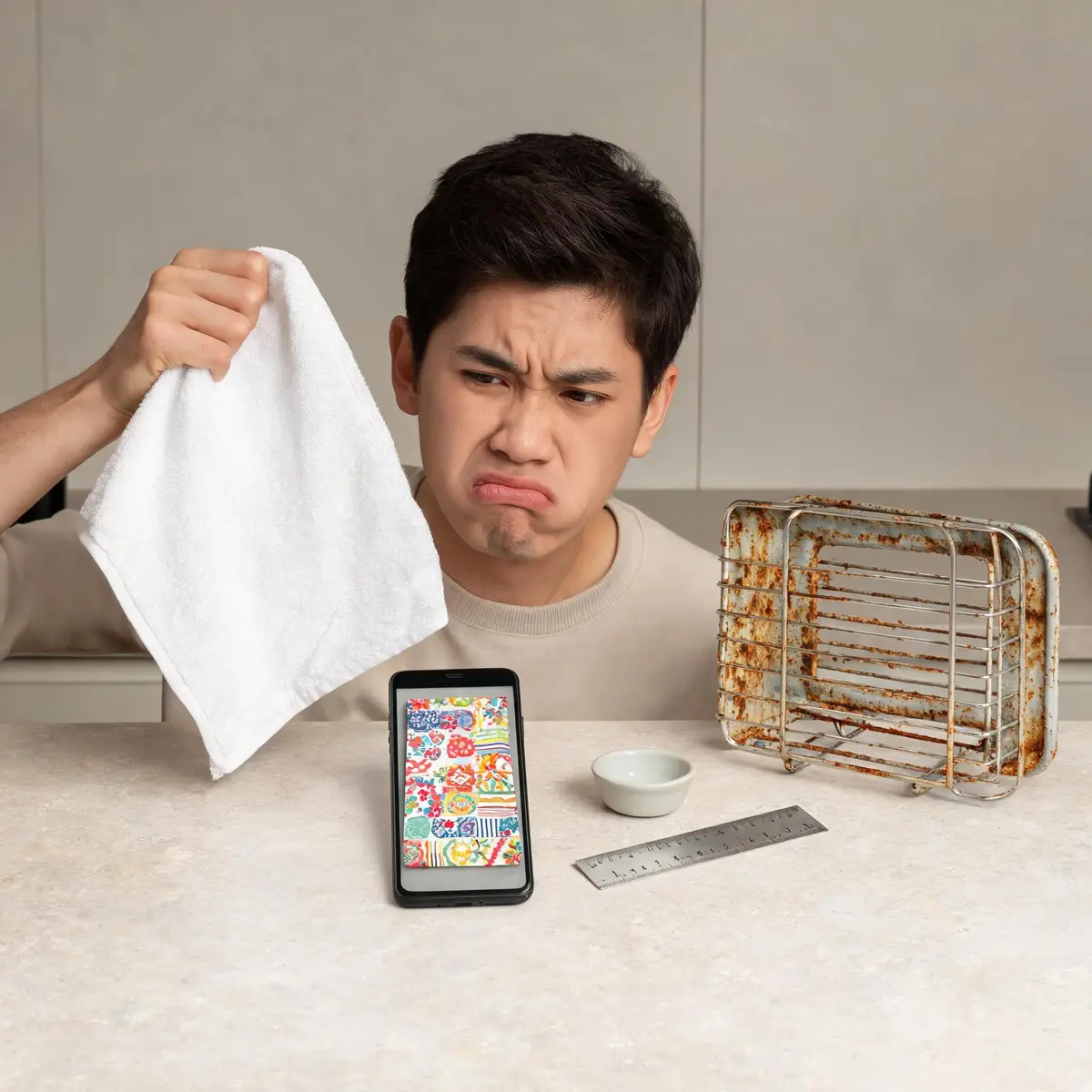
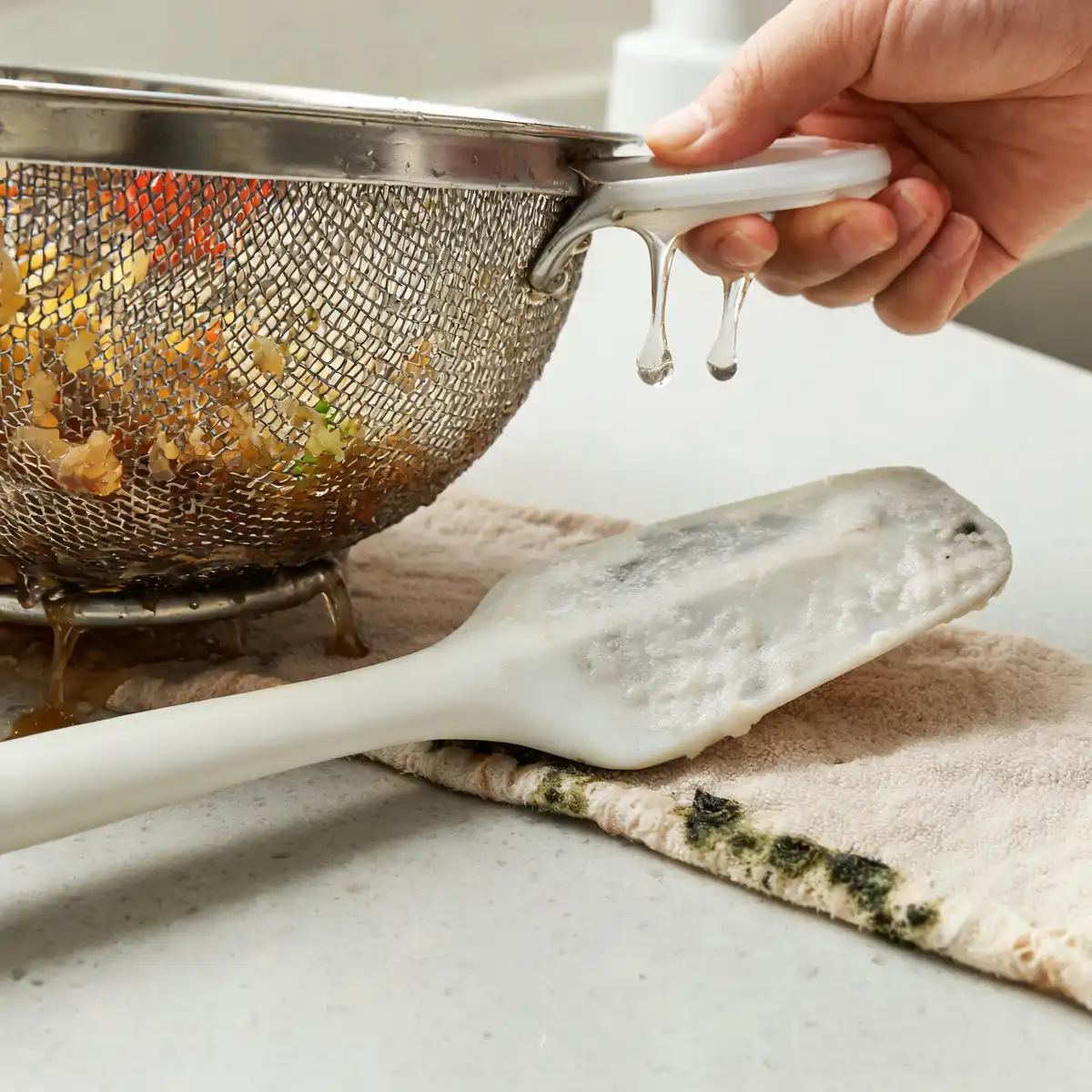
Have you ever had this experience: You spend dozens or even over a hundred yuan on a kitchenware product that looks high-quality, only to run into issues like water trapped in the handle, peeling coating, or slipping suction cups within two weeks of use, or suddenly spot an identical product with almost the same look and feel sold at a 10-yuan neighborhood store? You thought you were paying for a “quality upgrade”, but most of your money actually goes to marketing, brand logos, or even information asymmetry.
After analyzing 333,789 real user reviews covering 30,170 products, we found that 12% of negative kitchenware reviews are directly related to falsely inflated cost performance, making it the second most common user complaint right after quality issues. Feedback from a Shanghai user is very representative: She spent 129 yuan on a viral non-stick milk pan, whose coating started peeling off in less than 3 months. She only learned after checking the product manual that the pan is not dishwasher-safe and cannot be heated above medium heat. Meanwhile, her colleague spent 39 yuan on an ordinary no-name milk pan that works perfectly fine after half a year of use, with almost no difference between the two except for exterior design.
Why Does Falsely Inflated Cost Performance Occur? In-depth Breakdown of Root Causes
Falsely inflated cost performance for kitchenware is never caused by a single factor. We break down the underlying logic from three dimensions: material science, manufacturing process, and market rules:
Material Side: Cost Gap From Shoddy Substitution Is Almost Indistinguishable to Average Consumers
From a material science perspective, the raw material cost of many visually identical kitchenware products can differ by 3 to 8 times. For example, for heat-resistant tongs marked “food-grade silicone”, the cost of industrial-grade recycled silicone is only 1/6 of that of food-grade platinum-cured silicone. The two look almost identical, and will only melt or emit odd odors after prolonged exposure to high temperatures. Another example: A vegetable basin marked “304 stainless steel” made of 201 stainless steel only costs half of a genuine 304 product, and will only rust and leach heavy metals after long-term contact with acidic or alkaline liquids. Many merchants take advantage of the information asymmetry that ordinary consumers cannot distinguish material differences with the naked eye, passing off inferior materials as high-end ones and charging premium prices.
Process Side: Cost Cuts By Skipping Key Processes Only Cause Visible Problems After Use
For many products that appear to have the same functions, manufacturing process differences directly impact service life, and these differences are almost invisible when unboxing. For example, a pot handle made with seamless ultrasonic welding will not trap water, and its processing cost is 30% higher than a handle only assembled with buckles. For a non-stick pan marked “dishwasher-safe”, the coating curing temperature is 80°C higher, curing time is twice as long, and processing cost is 40% higher than a pan that can only be hand-washed. For a drain rack with suction cups, a 2mm thick silicone suction cup costs twice as much as a 1mm thick one, and has more than 3 times the adsorption force. Many merchants directly omit these invisible key processes to cut costs, but sell at the price of products with full processes. Consumers only find problems after using the product at home for a period of time.
Market Side: Marketing and Counterfeit Premiums Completely Decouple Price From Quality
This is the core cause of falsely inflated cost performance: First, marketing costs for viral kitchenware usually account for 35%-50% of the selling price. That means for a viral pan you buy for 100 yuan, 40 yuan goes to influencer commissions and platform traffic fees, while the actual cost of the product itself may only be 20 yuan, with no quality difference from 20-yuan no-name pans on the market. Second, the brand premium of some high-end brands exceeds 300%, with exactly the same materials and processes as ordinary no-name products, and the price triples only because of the different logo. Third, a large number of cheap counterfeits copy the appearance design of genuine products, with mold opening costs only 1/10 of the genuine ones, but are sold at the discounted price of genuine products. Consumers think they got a bargain, but actually receive an inferior product with downgraded materials and processes.
Comparison of Falsely Inflated Cost Performance by Material
Kitchenware of different materials have significantly different inflated pricing schemes and manifestations. We break them down one by one:
Plastic/Silicone Kitchenware
- Core advantages: Lightweight, heat-insulating, low production cost
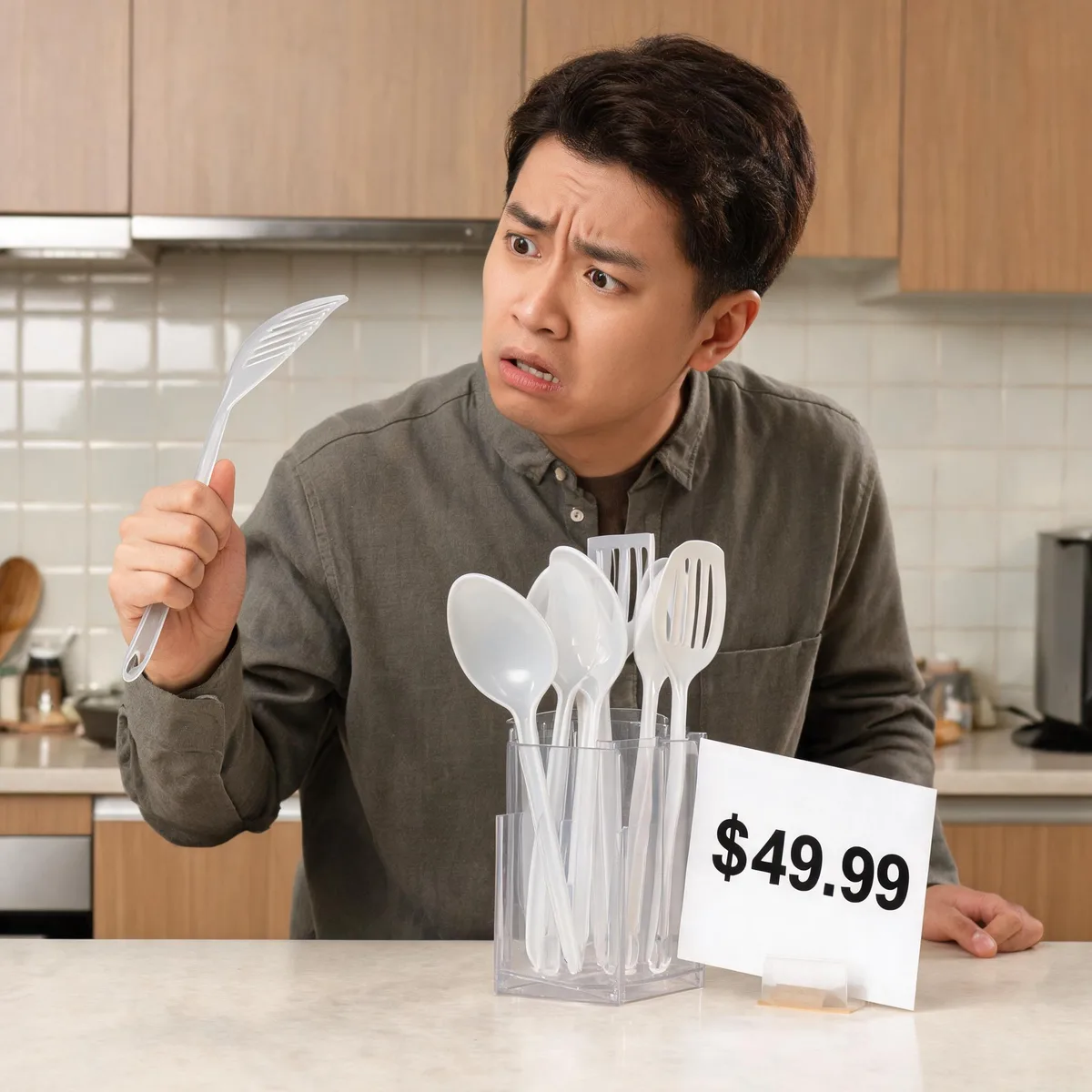
- Common inflated pricing practices: Passing off industrial-grade materials as food-grade, falsely marking temperature resistance range, selling products with a cost of 5 yuan for more than 30 yuan. Typical problems include odd odors after a few uses, direct melting when exposed to high temperatures, and easy breakage.
- Qualified product performance: No obvious odor, clearly marked temperature resistance range, no deformation, chipping or melting after more than half a year of normal use. You can refer to positive user feedback such as “everything seems to be working great”.
Metal Kitchenware (Stainless Steel, Non-stick Coated, Iron, etc.)
- Core advantages: Sturdy, durable, high temperature resistant
- Common inflated pricing practices: Passing off 201 stainless steel as 304/316, passing off inferior coatings as imported coatings, skipping key processes such as polishing and curing, selling products with a cost of 30 yuan for more than 150 yuan. Typical problems include easy rusting, coating peeling off after a few uses, and only being hand-washable.
- Qualified product performance: Corrosion-resistant and not easy to rust, uniform coating without bubbles, functions consistent with promotional descriptions. You can refer to durability feedback such as “easy to use and is sharp (be careful!)”.
Ceramic/Glass Kitchenware
- Core advantages: Stable chemical properties, good-looking appearance, easy to clean
- Common inflated pricing practices: Passing off low-temperature glaze as high-temperature glaze, passing off ordinary glass as high borosilicate glass, selling products with a cost of 10 yuan for more than 80 yuan. Typical problems include easy glaze chipping, easy cracking under sudden temperature changes, and obvious scratches after use.
- Qualified product performance: Smooth glaze without pinholes, scratch-resistant, no glaze chipping or cracking under normal use.
How to Avoid Falsely Inflated Cost Performance? Purchase and Use Guide
We provide actionable judgment standards from three dimensions: purchase judgment, value judgment, and use & maintenance, so you can avoid most pitfalls even without material science expertise:
Core Judgment Indicators When Purchasing
- Parts in contact with food must have clear material labels: Such as markings of “food-grade silicone”, “304/316 stainless steel”, “high borosilicate glass”, “compliant with GB4806 food contact material standards”. Do not choose products without any clear material labels, no matter how cheap they are.
- Check core functional components carefully: For example, whether there are gaps in the handle, whether the suction cup is thick and elastic, whether the coating is uniform without bubbles, whether there are burrs on the edges. These details directly reflect the process level.
- Must have clear use restriction instructions: Such as temperature resistance range, whether it is dishwasher-safe, whether it can be exposed to open flame. Products without any use instructions are most likely unqualified products from small factories.
These Premiums Are Worth Paying For
Only three types of premiums are directly related to quality, and all other premiums are basically unnecessary expenses:
- Material upgrade for food contact parts: For example, upgrading from 201 stainless steel to 304, from ordinary silicone to food-grade platinum-cured silicone. This cost increase directly corresponds to improved safety and durability.
- Durability process upgrade: Such as seamless handle welding, upgraded coating curing process, thickened suction cups. These processes can directly extend the service life of the product.
- Official food contact material certification: Products with formal third-party certification have much higher safety than uncertified ones, and a 10%-20% higher price is reasonable.
Correct Use and Maintenance to Avoid Artificially Shortened Service Life
Many people think the product quality is poor, but actually they are using it incorrectly:
- Do not dry heat non-stick coated pans, do not use metal spatulas, do not scrub with steel wool.
- Do not let silicone kitchenware come into direct contact with open flame, do not place it in an environment exceeding its upper temperature limit.
- Wipe stainless steel kitchenware dry promptly after use, do not soak it in salt water or acidic liquids for a long time.
- Do not expose ceramic/glass kitchenware to sudden temperature changes to avoid cracking.
Common Misconceptions Corrected
- Misconception 1: More expensive kitchenware has better quality? Wrong. The reasonable selling price of kitchenware is usually 1.5-2 times the production cost. The part exceeding 2 times is basically brand or marketing premium, which has nothing to do with quality.
- Misconception 2: Good-looking kitchenware works better? Wrong. Many viral products only focus on appearance design, with downgraded materials and processes, and can only be used as decoration after purchase, just as mentioned in a user review: “I bought these for decor only. I don’t think these are well suited for daily, functional use”.
- Misconception 3: Low-priced products with the same appearance are a good deal? Wrong. More than 90% of low-priced products with the same appearance are counterfeits, with downgraded materials and processes, and actually have lower cost performance.
- Misconception 4: Discounted products are more cost-effective? Wrong. Many merchants first falsely mark up the original price before offering deep discounts, and the actual selling price is far higher than the value of the product itself.
“Pitfall Avoidance” Lessons From Real Users
We selected the most representative failed cases from hundreds of thousands of reviews, so you can directly learn from others’ lessons to avoid pitfalls:
- User Review: “Stinky product. Plastic smells terrible. Center piece does not grip sink, slides off.” Lesson Summary: When purchasing plastic/silicone kitchenware that comes into contact with food, first confirm there is no obvious odor. For products with anti-slip/adsorption requirements, prioritize checking user-shared real photos of function test reviews, do not only rely on the function description in the merchant’s promotion.
- User Review: “Already melted after only 2 weeks I’ve had these for about 2 weeks and they are already ruined. Just used it to take out a hot cookie sheet and it melted.” Lesson Summary: Silicone/plastic kitchenware that needs to come into contact with high temperatures must be clearly marked with a temperature resistance range. Unmarked products should not be used to contact high-temperature cookware/food exceeding 100°C.
- User Review: “Hand Wash Only Very pricey for a hand wash only pot. Why would you create a pot that can’t go in the dishwasher?” Lesson Summary: Carefully check the product’s use restriction instructions before purchasing. Consumers who need to use a dishwasher should first confirm whether the product is dishwasher-safe, and do not assume all kitchenware is dishwasher compatible.
- User Review: “Decent quality except the sides just don’t suction to the sides of the sink The size and quality are decent but it is really annoying how the thick plastic does not lay flat against the sides of the sink and the suction cups are too small and weak to make it stick. A real flaw” Lesson Summary: For products with structural functions (adsorption, splicing, buckle, etc.), do not only look at the overall material evaluation, focus on user feedback on the size and strength of functional components to avoid core function failure.
- User Review: “Very disappointed Nothing like the description or picture. Very disappointing” Lesson Summary: Prioritize checking user reviews with real photos, do not only use the merchant’s promotional images as the basis for judging the appearance, size and texture of the product.
Related Deep Analysis in This Category
- False Advertising & Mismatch with Description — 18% of complaints relate to this
- Hard to Clean & Easy to Hide Dirt — 22% of complaints relate to this
- Poor Quality & Low Durability — 40% of complaints relate to this
- Unreasonable Design & Poor Functionality — 35% of complaints relate to this
🛠️ Practical How-To Guides
Based on the analysis above, we've prepared actionable daily solutions for you:
Don't Waste Money on Brand Premiums! 5 Tips to Buy Affordable Kitchenware with the Same Quality as Big Brands
Teach you to avoid brand marketing traps, buy practical kitchenware of the same quality at a price much lower than big brands, and maximize cost performance
Read Full Guide →Hidden Tricks in Kitchenware Pricing? 4 Dimensions to Calculate the Reasonable Price and Avoid Overpaying
Disassemble the underlying logic of kitchenware pricing, so that you can identify overpriced inferior products at a glance, and accurately judge whether the purchase price is reasonable
Read Full Guide →Is Influencer-promoted Kitchenware a Rip-off? 3-step Identification Guide to Save You Hundreds of Dollars
Teach you to quickly eliminate marketing premiums, and accurately distinguish whether influencer-promoted kitchenware is really useful or a scam purely built on traffic
Read Full Guide →