Poor Battery Performance in Vacuum Cleaner: What 806,246 Reviews Reveal
Poor Battery Life and Frequent Charging Failures: The “Hidden Killer” of the Vacuum Cleaner Industry
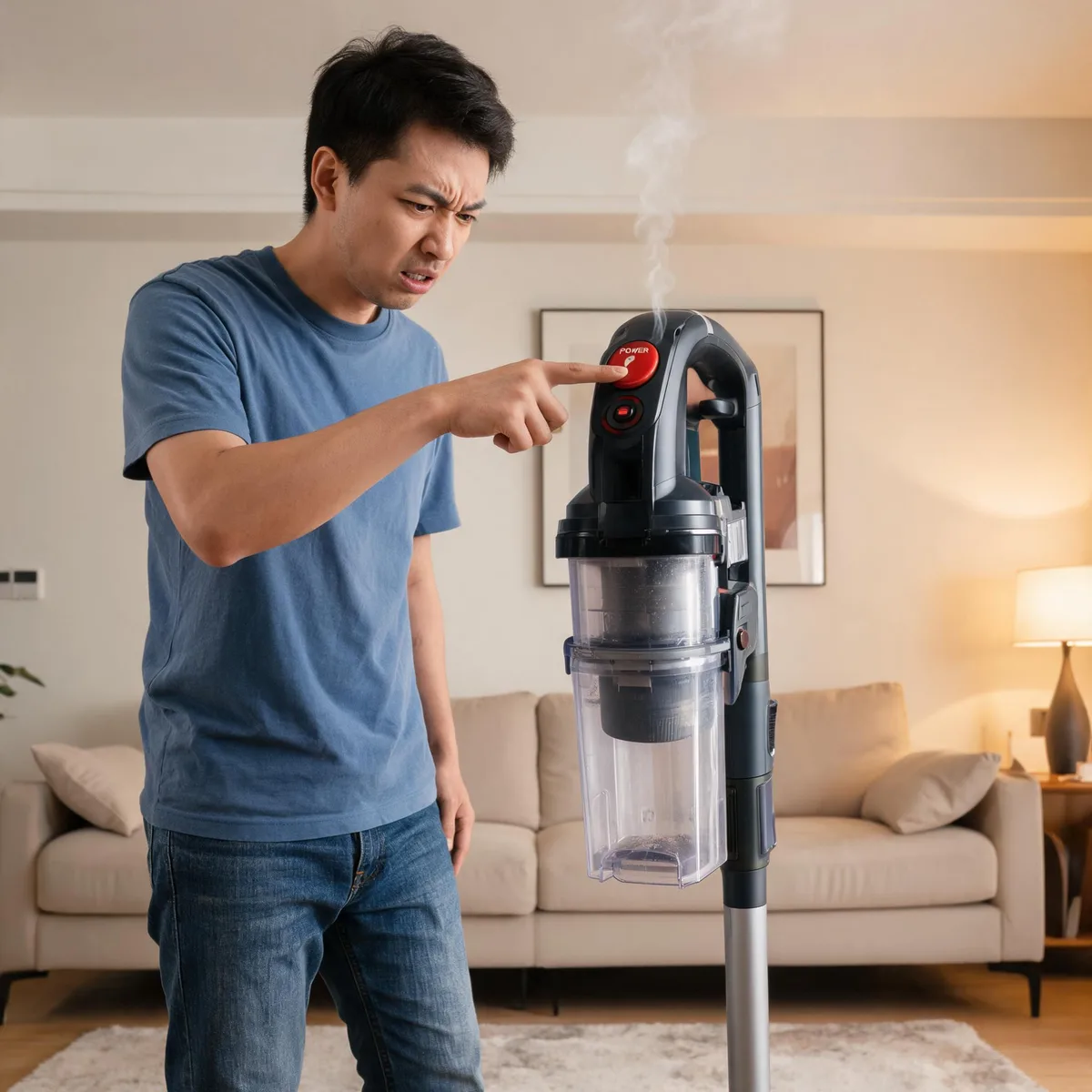
Many consumers have had this experience: after doing extensive research, you purchase a cordless vacuum cleaner. It has strong suction and works smoothly right out of the box, and you think you have finally freed yourself from the hassle of corded vacuums. But less than 3 months later, when fully charged and set to maximum suction, it dies after cleaning just one sofa. In worse cases, the charging light does not even turn on when plugged in, turning the device into useless plastic waste. After compiling 806,246 vacuum user reviews from across the web covering 27,766 products, we found that 22% of negative reviews point to the problem of “poor battery life and frequent charging failures”. This proportion is far higher than common pain points such as insufficient suction and loud noise, making it the hidden killer of cordless vacuum user experience.
Even more frustrating is that these issues usually do not appear right when you unbox the product: many people test the product for 10 minutes after receiving it, confirm there are no issues, and then confirm receipt. Some even stock up on the product and leave it unopened for a month or two. By the time they notice reduced battery life or failure to charge, the return and exchange window has already closed, leaving them to bear the loss themselves.
Why Do Poor Battery Life and Frequent Charging Failures Occur? — In-depth Breakdown of Root Causes
We break down the core causes of this problem from three dimensions: materials science, manufacturing processes, and usage habits:
Materials Side: Poor Cell Quality Control and Exaggerated Capacity Claims
90% of lithium battery performance is determined by the cell itself. Formal Grade A new lithium battery cells have consistent performance and sufficient capacity, and can still retain more than 80% of their original capacity after 500 charge-discharge cycles. However, many low-priced products use recycled and disassembled Grade B or Grade C cells, or even mixed assemblies of miscellaneous cells with different capacities and varying levels of degradation. Their actual capacity may only be 50% or less of the advertised value, a practice commonly referred to as “capacity inflation” in the industry. These cells have high internal resistance and poor charge-discharge stability, and will show obvious capacity degradation after just a few uses, manifesting as only 3-5 minutes of use on a full charge, which matches the common user complaint of “it dies after cleaning one bedroom”.
Manufacturing Side: Parameter Information Gap and Design Defects
First, there is information asymmetry in battery life labeling: the “maximum battery life” advertised by most manufacturers is a value measured in a laboratory environment, using the lowest suction gear, with no brush heads attached, and running under no load. When ordinary consumers use the device daily, they usually install a floor brush, turn on the regular/maximum suction gear, and face greater resistance in scenarios such as cleaning carpets or pet hair, so power consumption will be 2-3 times that of the laboratory scenario. This is why a product advertised to have 20 minutes of battery life may only last 10 minutes or even less in actual use.
Second, there is jerry-building in functional design: some low-end products do not have intelligent suction adjustment function, and run at full load even when cleaning smooth floors with very little dust, further reducing actual battery life. Some products also lack overcharge, over-discharge, and overcurrent protection in their charging circuit design, so after multiple charge-discharge cycles, failures such as cell bulging and no response when charging are very likely to occur. The user who commented “only used it once, can’t charge it even when plugged into multiple sockets” most likely purchased a product with unqualified charging circuit design.
Usage Side: Incorrect Habits Accelerate Battery Degradation
Many people are used to using the vacuum until it is completely dead before charging, or leaving it plugged in constantly after it is fully charged. Both of these behaviors cause irreversible damage to lithium batteries: the former leads to over-discharge and deactivation of the cell, while the latter keeps the cell in a high-voltage state for a long time and accelerates degradation. Obvious battery life shrinkage will usually occur after 3-6 months of these habits. In addition, placing the vacuum in sun-exposed areas such as balconies, or humid environments such as bathrooms, will also corrode the charging circuit, leading to poor contact and failure to charge.
Comparison of Battery Life and Charging Stability Performance of Different Cell Materials
Currently, lithium batteries used in cordless vacuum cleaners are mainly divided into three categories, with very obvious performance differences:
| Cell Type | Battery Life Performance | Charging Stability | Cycle Service Life | Pros and Cons Summary |
|---|---|---|---|---|
| Grade A Ternary Lithium Cell | High energy density, longer battery life for the same weight, battery life degradation at low temperatures is about 10% | Products with matching mature protection circuits have high stability and are not prone to charging failures | Capacity retention ≥80% after 500 cycles under normal use | Pros: Light weight, sufficient battery life, good low-temperature performance; Cons: High cost, prone to bulging if overcharged or over-discharged |
| Grade A Lithium Iron Phosphate (LFP) Cell | Medium energy density, battery life is about 15% lower than ternary lithium for the same weight, battery life degradation at low temperatures is about 30% | Extremely high stability, not easy to bulge, low incidence of charging failures | Capacity retention ≥80% after 1000 cycles under normal use | Pros: Long lifespan, high safety, lower cost than ternary lithium; Cons: Heavy weight, obvious battery life shrinkage when used outdoors in northern regions in winter |
| Low-quality Mixed Cells | Severe capacity inflation, actual battery life is only 30%-50% of the advertised value, degradation is extremely fast | Extremely poor stability, prone to problems such as failure to charge and overheating during charging | Capacity drops to below 50% after less than 100 cycles | Pros: Cost is only 1/3 of Grade A cells; Cons: Short lifespan, frequent failures, almost no after-sales guarantee |
Qualified products from formal manufacturers use new Grade A cells. Just as mentioned in positive user reviews, “it has been used for many years, and works perfectly for housekeeping and post-renovation deep cleaning”. As long as these products are properly maintained, there will be no obvious battery life degradation for 3-5 years.
How to Avoid Poor Battery Life and Frequent Charging Failures? — Purchasing and Usage Guide
Core Purchasing Reference Factors
- Check cell description: Prioritize products that clearly state they use new Grade A cells, do not purchase products whose parameter pages do not mention the source and type of cells at all.
- Check the scenario for battery life labeling: Do not only look at the advertised “maximum battery life”, focus on finding labels for “battery life at regular suction level” and “battery life with main floor brush attached”. If there is no clear label, you can refer to the actual usage duration in user follow-up reviews. For a regular 100-square-meter household, a battery life of 30 minutes with the floor brush attached at the regular gear is sufficient to meet the needs of a full cleaning.
- Check safety design: Confirm whether the product has overcharge, over-discharge, and overheat protection, and whether it has an intelligent suction adjustment function. These two designs directly determine the service life of the battery.
- Check battery replaceability: Prioritize products whose batteries can be disassembled and replaced by the user. Consult the official customer service about the cost of battery replacement in advance. If the replacement cost exceeds 30% of the whole machine price, the subsequent maintenance cost performance is extremely low.
Daily Use and Maintenance Suggestions
- Do not use the vacuum until it is completely dead before charging. You can plug it in to charge when the remaining power is 10%-20%, and unplug the power within 1 hour after it is fully charged. Do not store it plugged in for a long time.
- Do not use the high suction mode continuously for more than 10 minutes to avoid the cell running under high load for a long time.
- Do not place the vacuum cleaner in sun-exposed balconies, humid bathrooms or other similar places to avoid moisture corrosion of the charging circuit.
- You can perform a full charge and discharge every 3 months (use until 5% remaining power then fully charge) to calibrate the accuracy of the battery power detection.
Common Misconception Correction
- Higher advertised battery life is not always better: If the advertised battery life is measured under no-load and low-suction scenarios, it has zero reference value;
- Faster charging is not always better: The standard fast charging of regular products usually takes 2-4 hours to fully charge. Fast charging of less than 1 hour without special heat dissipation and protection design will greatly shorten the battery life;
- Lighter machines are not always better: Some products reduce cell capacity to cut weight, which looks light, but actual battery life is severely reduced.
“Pitfall Avoidance” Lessons from Real Users
We selected 4 of the most representative user experiences from a massive number of negative reviews to help you avoid common traps:
【User Negative Review】“Hunk of Junk!!!! Beware! Beware!!!! This hunk of crap lasted one vacuum. One. After one crappy vacuum, emptied, plugged in - multiple outlets- the piece of junk is dead.” 「Lesson Summary」After receiving the product, be sure to complete the charging test and full gear trial within the 7-day no-reason return and exchange period. Do not leave it unused after unboxing until after the return and exchange window closes, otherwise you can only bear the loss yourself if there is a problem.
【User Negative Review】“Stopped working about fifth use Was working great, I love it. But the middle of using it the last time it turned off and wouldn’t turn back on. Going to buy a different brand now, guess this is what I get for buying the cheap one.” 「Lesson Summary」The cost of formal Grade A cells for cordless vacuum cleaners accounts for 30%-40% of the whole machine price. Products far lower than the industry average price are most likely to use low-quality cells. Saving a few hundred dollars will result in the product being scrapped after just a few uses, which is a bigger waste of money.
【User Negative Review】“You are better off using a good lent free cloth and windex … not practical. I use sometimes, only because I waited too long to send back and I don’t want to throw my $$$ away entirely. It is very hard to use (bulky) and the water goes all over the place even though it is designed to stay inside. " 「Lesson Summary」Don’t just look at the parameters on the promotional page. Before placing an order, read more actual usage feedback in follow-up reviews and negative reviews, especially reviews from users who have used the product for more than 1 month, which can expose many hidden problems.
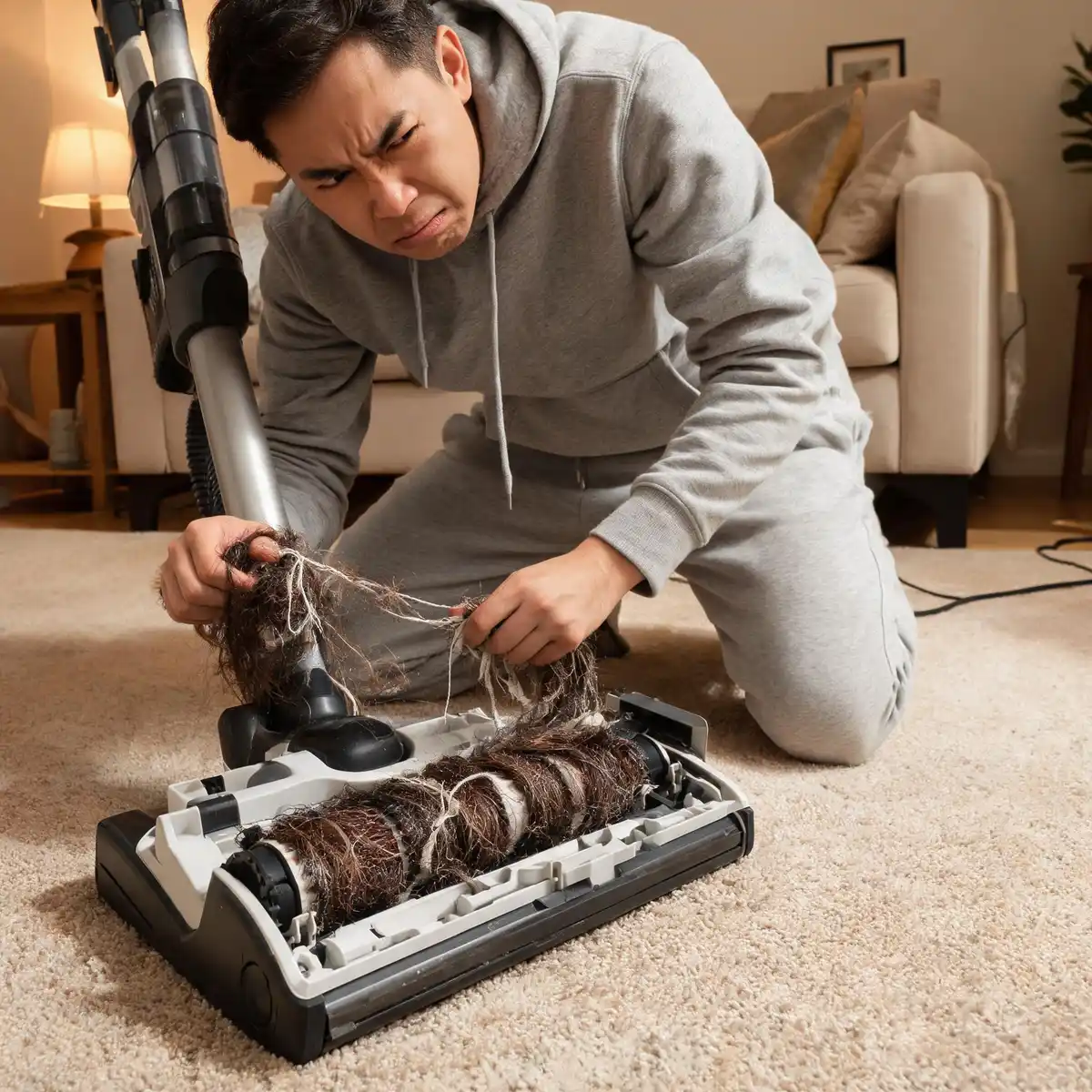
【User Negative Review】“Doesn’t work- stopped working after 2 small vacuums Waste of money. 2 vacuums (small) cleaned out all areas of the vacuum. Replaced filter. No suction what do ever. Poorly made- moves around dirt. I’ve learned my lesson. You get what you pay for. It’s at the curb. Lasted 2x.” 「Lesson Summary」If the product has problems such as failure to charge or sudden drop in battery life, first check whether the filter element and brush head are blocked (blockage will lead to increased load and soaring power consumption). Rule out usage problems before contacting after-sales to test the cell and circuit.
Related Deep Analysis in This Category
- High Failure Rate & Short Lifespan — 32% of complaints relate to this
- Poor Design & Bad User Experience — 18% of complaints relate to this
- Poor Suction Performance — 45% of complaints relate to this
- Smart Robot Vacuum Malfunction — 10% of complaints relate to this
🛠️ Practical How-To Guides
Based on the analysis above, we've prepared actionable daily solutions for you:
4 Daily Usage Tips to Extend Your Vacuum Battery Lifespan and Reduce Runtime Degradation
Provide actionable suggestions for high-suction mode power consumption control, daily charging habits, etc., to reduce lithium battery loss and the incidence of charging failures
Read Full Guide →How to Choose a Vacuum with Authentic Battery Life: 3 Steps to Avoid Fake Runtime Claims
Teach you to distinguish the difference between the merchant's battery life test scenario and the actual home scenario, quickly identify false labeling of lithium battery capacity, and choose a household vacuum cleaner with expected battery life
Read Full Guide →How to Fix Common Vacuum Battery Problems: 3 Steps to Resolve 5-Minute Runtime and Charging Failures
For high-frequency problems such as failure to charge after half a year of use, and the actual runtime is only 10 minutes when marked as 20 minutes, provide troubleshooting and repair solutions that ordinary users can operate without professional tools
Read Full Guide →