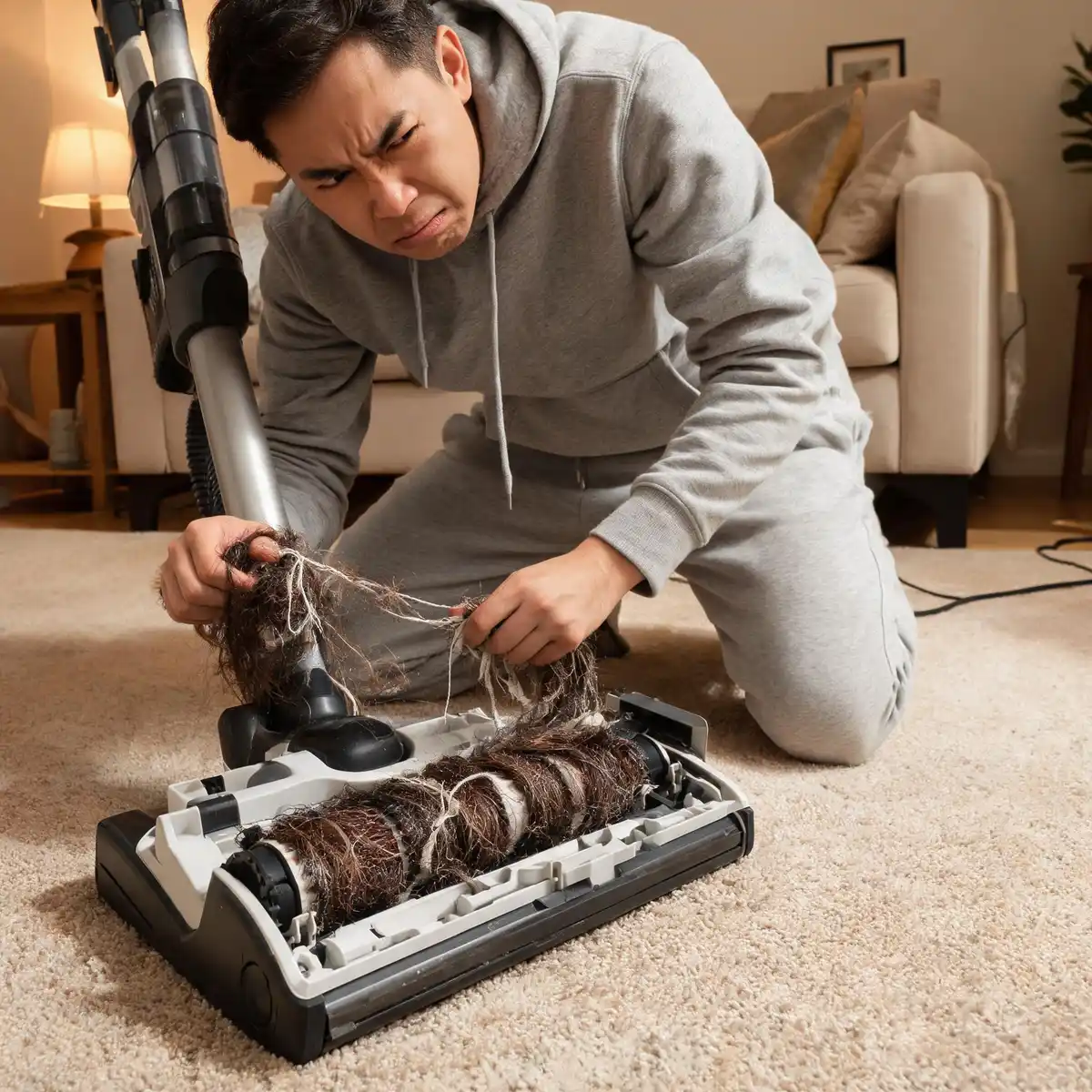
Poor Design & Bad User Experience in Vacuum Cleaner: What 806,246 Reviews Reveal
Poor User Experience Caused by Design Flaws: The “Hidden Killer” in the Vacuum Cleaner Industry
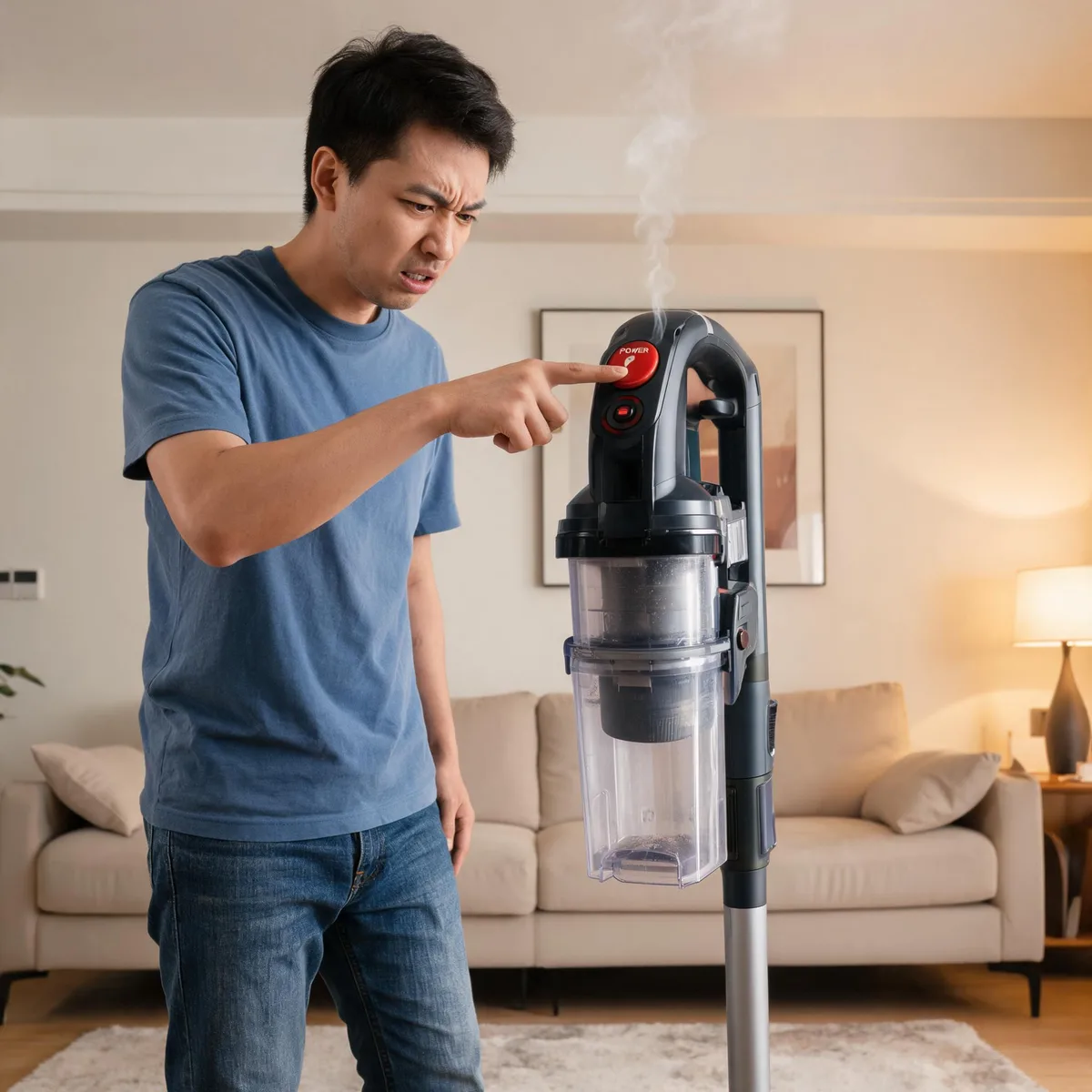
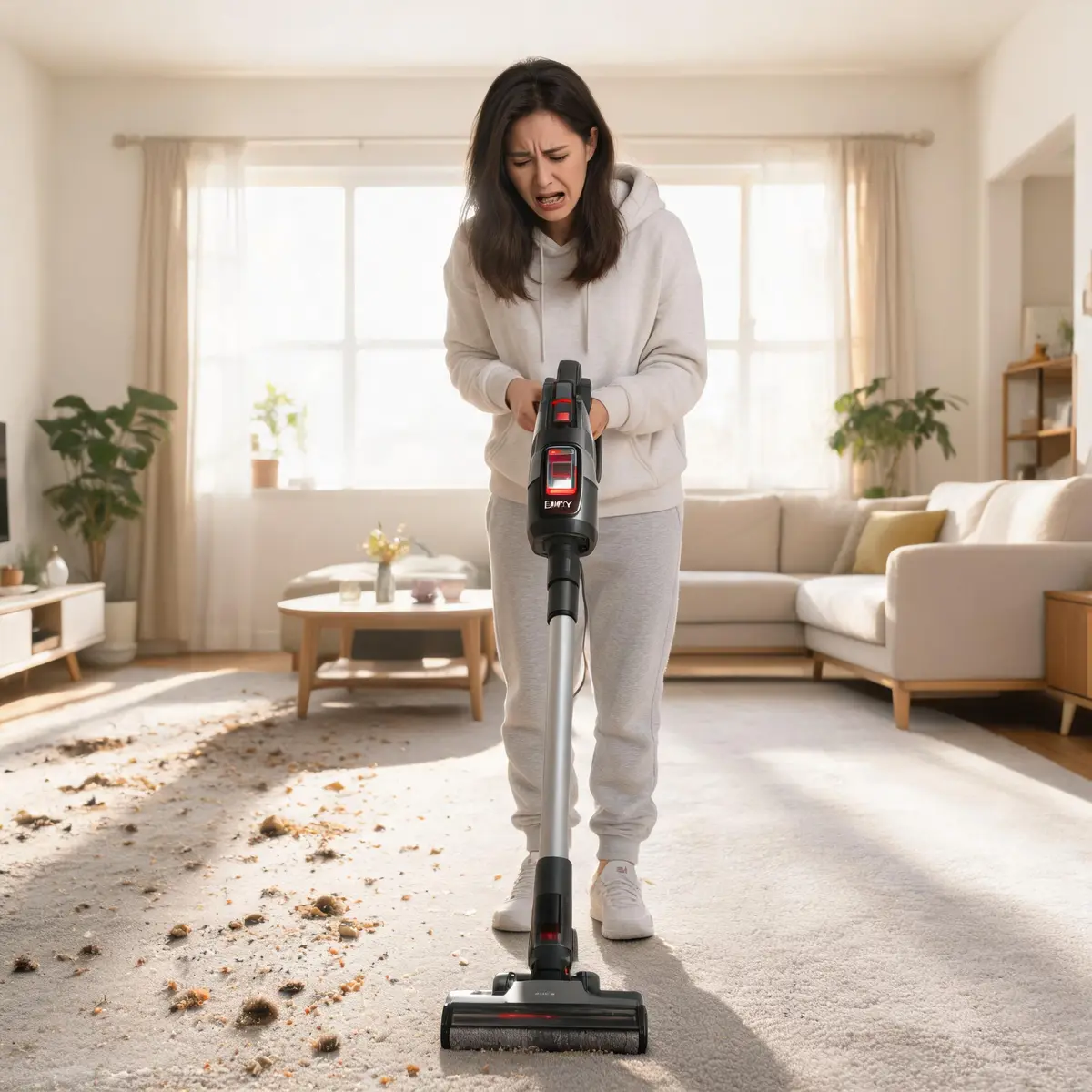
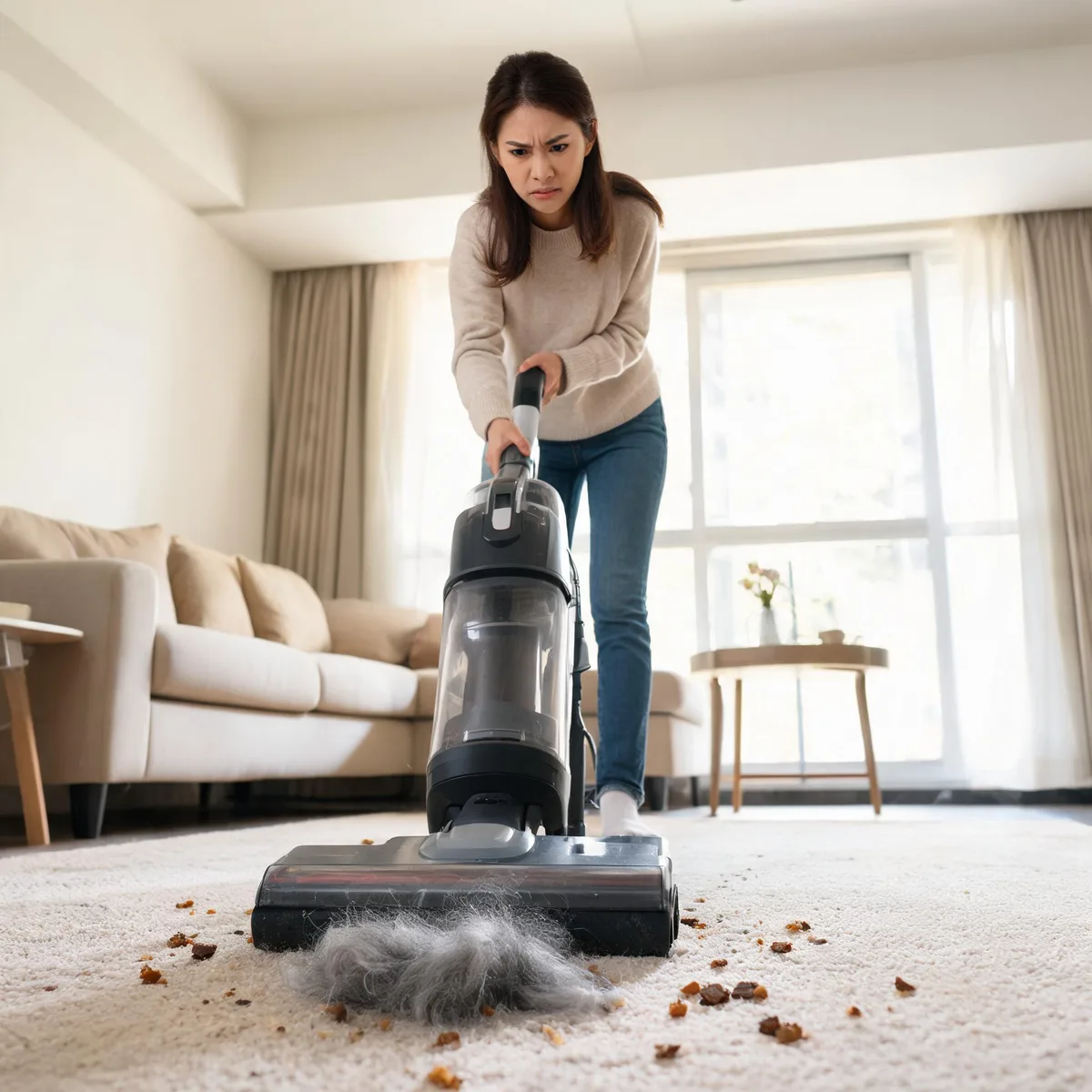
Have you ever had this experience: after scrolling through dozens of recommendation posts and hundreds of positive reviews, you spend hundreds or even thousands of yuan on a vacuum cleaner. When you first unbox it, you are impressed by its good looks and impressive parameters, but after a few uses, you find it strains your back to push, the roller brush gets tangled with hair that you can’t pull off, you struggle for ages to open the dust bin, and you have to go back and forth three times to pick up cat hair. Throwing it away feels like a waste of thousands of yuan, but keeping it feels like torture every time you use it. Once the return and exchange period passes, you can only leave it gathering dust in the corner of the balcony.
After analyzing 806,246 real user reviews covering 27,766 products, we found that 18% of negative reviews point to “poor user experience caused by design flaws”. Unlike quality failures that make the product completely unusable directly, these problems act like a “hidden killer” that continuously erodes users’ willingness to use the product, eventually turning the thousands-yuan home appliance into unused junk. For example, one user mentioned in a review that she specially selected a model with many positive reviews and added it to her wishlist. Her sister bought it for her as a gift, and she didn’t unbox it until a month later. When she used it for the first time, she found it completely failed to meet expectations, but the return and exchange period had already passed. She could only force herself to use it occasionally, wasting money for no reason.
Why Do Design Flaws Lead to Poor User Experience? — In-depth Analysis of Root Causes
Material Science Perspective: Shrinkage of Core Component Materials is the Root Cause
Many design flaws are essentially manufacturers cutting corners on materials that users cannot see in order to reduce costs: for example, if the roller brush bristles are made of ordinary hard PP silk, which only costs 1/3 of soft velvet silk, it will not only easily scratch the floor, but also be more prone to tangling hair due to high static electricity. If the dust bin is made of recycled PP material, it is not only easy to crack, but also adheres to dust due to strong static electricity, so when you empty the dust, the dust sticks all over the bin and can’t be scraped off. If the filter uses ordinary non-woven fabric instead of H13 grade HEPA material, it will be blocked by fine dust after two uses, and the suction power will directly drop by more than 60%. This is like clothes made of inferior fabric: they look the same in style, but they pill and deform after two wears.
Manufacturing Process Perspective: Poor Tolerance Control and Unreasonable Structural Design are the Core
Many experience problems are not caused by poor materials, but by the fact that the real usage scenarios are not considered at all during design, and the process tolerance control is not in place: for example, the weight of the whole machine is concentrated at the top handle position, so the center of gravity is too high, and you have to press down constantly to keep it close to the ground when pushing. A 1.5m tall short user and a 1.8m tall user using the same machine will either bend over so much that their back hurts, or hold the arm up so long that their arm aches. If the tolerance of the dust bin buckle exceeds 0.5mm, it will either not fasten tightly and leak dust, or be stuck too tight to open. If the interface between the brush head and the main unit is not equipped with a sealing rubber ring, air will leak during suction, and no matter how strong the suction is, it will be useless. Some users complained that “the machine is very heavy, water leaks everywhere, even though the design says water will stay inside”, which is essentially caused by unqualified structural sealing design and excessive process tolerance.
Usage Habit Perspective: Insufficient Scenario Adaptation is a Common Incentive
Many manufacturers only simulate ideal scenarios when testing products: for example, they only test on short-pile carpets, and do not consider the large number of tiles, wood-grain boards, and long-pile floor mats used in Chinese households. They only test cleaning scenarios without hair, and do not consider the real situation that more than 30% of domestic households have pets and there are many long-haired users. They only test for 10 minutes of single use, and do not consider the usage habit of many users who clean for more than 30 minutes at a time. This is like sports shoes that are only tested on plastic runways: of course they will rub your feet when you wear them to walk on gravel roads. Many vacuum cleaners are not designed to adapt to the real usage scenarios of ordinary users, so they are naturally not easy to use when you get them.
Comparison of “Poor User Experience Caused by Design Flaws” for Different Core Component Materials
| Core Component | Performance of High-quality Materials | Performance of Inferior Materials | Corresponding Experience Pain Points |
|---|---|---|---|
| Roller Brush Bristles | Composite material of soft velvet + hard bristles, with comb tooth structure, low static electricity, high toughness | Ordinary hard PP silk, dense bristles, high hardness, high static electricity | Tangled hair, scratched floors, unable to clean dust in gaps thoroughly |
| Dust Bin Shell | High-transparency food-grade virgin PP, with anti-static treatment on the surface | Recycled PP, grayish color, rough surface | Dust sticks and is hard to clean, buckles break easily, cracks after long-term use |
| Filter | H12 or higher grade HEPA, fully washable, uniform pores | Ordinary non-woven fabric, paper filter, uneven pore size | Easy to clog, fast suction attenuation, peculiar smell in the exhausted air |
| Handle and Interface | ABS with soft rubber coating, interface with silicone sealing ring | Hard recycled plastic, no sealing structure at the interface | Rubs hands after long holding, air leaks at the interface, accessories are not firmly inserted |
It can be seen from real positive reviews that the core reason why old vacuum cleaners that have been used for more than ten years can still work normally is that their core components are made of high-quality materials. Even if they are used for post-renovation cleaning and sucking construction dust all year round, as long as the filter and roller brush are cleaned regularly, they can maintain stable suction all the time, and will not have problems such as breaking after a few uses or sudden drop in suction.
How to Avoid Poor User Experience Caused by Design Flaws? — Purchase and Usage Guide
Frequently Asked Questions
- Why is it so hard to push the vacuum cleaner? It is most likely due to unreasonable center of gravity design: the motor is placed near the handle, resulting in too high center of gravity, or the rollers are made of hard plastic without lubrication treatment. You need to press down hard constantly to keep it close to the ground when pushing, which is equivalent to pushing a box with unstable center of gravity, so it is naturally laborious.
- What should I do if the roller brush gets tangled with a lot of hair every time I use it? The essence is the lack of anti-tangle structural design. The bristles of ordinary roller brushes are dense straight bristles, and hair will be tangled on the roller shaft when it gets in. A good design will add a comb tooth structure next to the roller brush, which will comb the hair directly and suck it into the dust bin during rotation, so it will not be tangled on the roller shaft.
- What should I do if the accessories do not match my vacuum cleaner? Many manufacturers use private mold interfaces to sell their own accessories, which are not compatible with general accessories. When purchasing, you should first choose products with standard 32mm/35mm general caliber interfaces, or confirm whether the merchant provides adapters, so as to avoid being unable to buy suitable brush heads later.
- Is there a solution for the dust bin that is hard to open when emptying trash? If you have already bought it, you can pat around the dust bin before emptying the dust each time to shake out the dust stuck in the buckle before opening it. If you are in the purchase stage, prioritize choosing a dust bin with a one-click pop-up buckle, and do not choose models that require you to pry the buckles on both sides, so you will basically not have the problem of being unable to open it.
Key Points for Purchase
- Prioritize weight distribution: do not only look at the weight of the whole machine, pay attention to whether the motor is close to the brush head position. The lower the center of gravity, the more labor-saving it is to push. If possible, it is best to actually push it for 2 minutes offline to feel the handling.
- Choose a roller brush with comb tooth anti-tangle structure: do not only look at the bristle material. Whether there is a comb tooth structure is the core factor that determines whether hair will be tangled. Families with pets and long-haired users should pay special attention to this.
- Choose a dust bin with one-click pop-up and sealing rubber ring: it is qualified only if you can hear a clear buckle feedback sound when opening, and no dust leaks when shaking.
- Prioritize general caliber interfaces: if it is a private mold interface, confirm whether the merchant sells accessories for a long time, so as to avoid being unable to buy replacements when accessories break later.
Correct Usage and Maintenance Methods
- Spend 1 minute cleaning the hair on the roller brush after each use. Do not wait until it is fully tangled to pull it off, as it is easy to damage the bristles.
- Take out the filter and wash it with water every half a month. Install it back only after it is completely dry to avoid mildew and odor, and it can also extend the service life of the filter.
- Do not use ordinary dry vacuum cleaners to suck wet garbage and large hard objects, which can easily clog the filter, jam the roller brush, and even burn out the motor.
Correction of Common Misconceptions
- Misconception 1: The lighter the vacuum cleaner, the better it works. Too light vacuum cleaners often have a high center of gravity, and you need to press down hard when pushing, which is more strenuous for your waist. The whole machine weight of 3-4kg is a reasonable range that balances labor saving and battery life.
- Misconception 2: The higher the nominal suction power, the better. If the filter is easy to clog, the suction power will drop to 30% of the original after two uses. The suction attenuation rate is more important than the initial suction power.
- Misconception 3: The more accessories, the more cost-effective. If the interface is not universal, most accessories may not be used even once a year, and will only take up space.
“Pitfall Avoidance” Lessons from Real Users
We have selected several of the most representative user feedback from hundreds of thousands of negative reviews to help you avoid pitfalls from others’ bad experiences:
Real Negative Review 1: “I received it as a gift, and didn’t unbox it until more than a month later. When I used it for the first time, I found it was not easy to use. The return and exchange period had already passed, so I can only use it reluctantly.” Lesson Summary: After receiving the home appliance, you must unbox and test all functions within the 7-day no-reason return and exchange period, including the whole process of sucking the floor, sucking the sofa, replacing accessories, and emptying the dust bin. Don’t wait until the period expires to find problems, as you will have no way to defend your rights.
Real Negative Review 2: “It’s not as good as wiping with a rag. It’s very hard to use, very heavy, and water leaks everywhere, even though the design says water won’t leak out.” Lesson Summary: For vacuum cleaners with mopping function, be sure to check reviews about the anti-leakage structural design before purchasing, do not only look at the function introduction on the promotional page. Try not to choose handheld models weighing more than 4.5kg, as your arms will be very sore after long-term use.
Real Negative Review 3: “I thought it wouldn’t be that bad, but as a result, I put a piece of lint there and it couldn’t suck it up after 2-3 minutes. The suction power is extremely poor.” Lesson Summary: Do not only look at the advertised suction parameters, pay attention to the filter grade and cleanability. Products with filter grade lower than H11 and non-washable will clog after a few uses, and the suction power will drop sharply directly.
Real Negative Review 4: “It broke after only two uses. I cleaned all parts and replaced the filter, but there was still no suction. I finally threw it on the side of the road.” Lesson Summary: Do not choose products whose price is far lower than the industry average for the sake of being cheap. Such products often have serious shrinkage in core components such as motors and filters, and their service life is only 1/10 of normal products, which is more wasteful of money instead.
Real Negative Review 5: “Families with pets should not buy it. It can’t suck animal hair, it’s very heavy, and now it’s thrown in the warehouse completely useless.” Lesson Summary: Users with pets and long hair must focus on the real feedback in reviews about anti-tangle and hair suction performance before purchasing, do not only look at positive reviews for general scenarios, to avoid buying a product that you can’t use at all.
Related Deep Analysis in This Category
- High Failure Rate & Short Lifespan — 32% of complaints relate to this
- Poor Battery Performance — 22% of complaints relate to this
- Poor Suction Performance — 45% of complaints relate to this
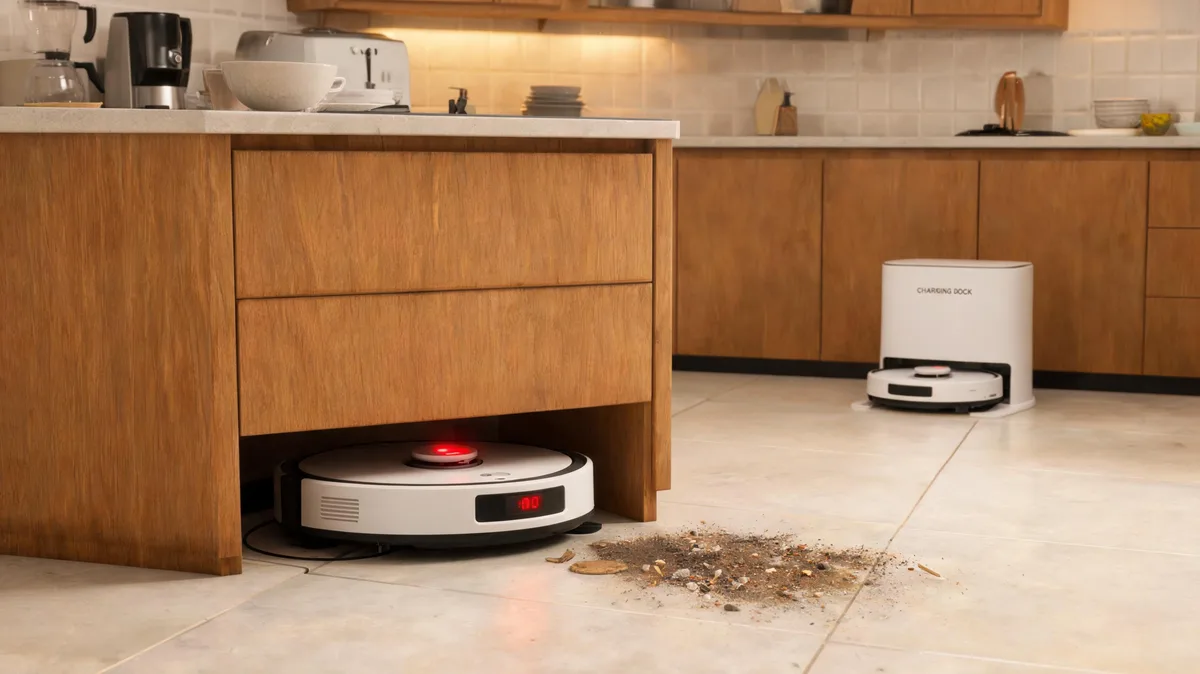
- Smart Robot Vacuum Malfunction — 10% of complaints relate to this
🛠️ Practical How-To Guides
Based on the analysis above, we've prepared actionable daily solutions for you:
Can't Remove or Clean Your Vacuum's Dust Bin & Filter? 2-Minute Quick Disassembly & Cleaning Tutorial, No Dirty Hands
Disassembly and cleaning skills for dust bins and filters of different structures, solving the difficulty of disassembly and cleaning caused by unreasonable design, and extending the service life of the filter.
Read Full Guide →Is Your Vacuum Roller Brush Always Tangled with Hair? 4 Quick Cleaning & Anti-Tangle Tips, No More Picking by Hand
Teach you quick tips to clean tangled hair on the roller brush, as well as anti-tangle tips for daily use, to make up for the lack of anti-tangle structure design.
Read Full Guide →Mismatched Vacuum Accessories & Dust Leakage? A Guide to Choose the Right Universal Accessories, Cost-Effective and Useful
Explain the general specifications of vacuum accessory interfaces, purchasing skills and sealing reinforcement methods to solve the problem of incompatible accessories and dust leakage.
Read Full Guide →Why Is Your Vacuum Hard to Push? 3 Steps to Adjust It for Your Height to Cut Cleaning Effort by Half
Practical methods to adjust the vacuum cleaner's pole and handle angle for people of different heights, solving the laborious problem caused by poor design adaptation.
Read Full Guide →