Bad User Experience in Mug: What 215,836 Reviews Reveal
Poor User Experience: The “Invisible Killer” in the Mug Industry
In our daily lives, mugs are indispensable companions. However, according to our data analysis, out of 215,836 genuine user reviews, 16% of negative reviews are related to poor user experience. This means that one out of every six consumers who buy a mug may feel disappointed due to a poor user experience. Imagine eagerly buying a new mug, only to find after a few months that it is not only difficult to hold but also prone to dirt and even has material issues that affect the taste of your drink. Such a bad experience not only affects your mood but may also pose potential health risks.
Why Is the User Experience Poor? — A Deep Dive into the Root Causes
From a Materials Science Perspective
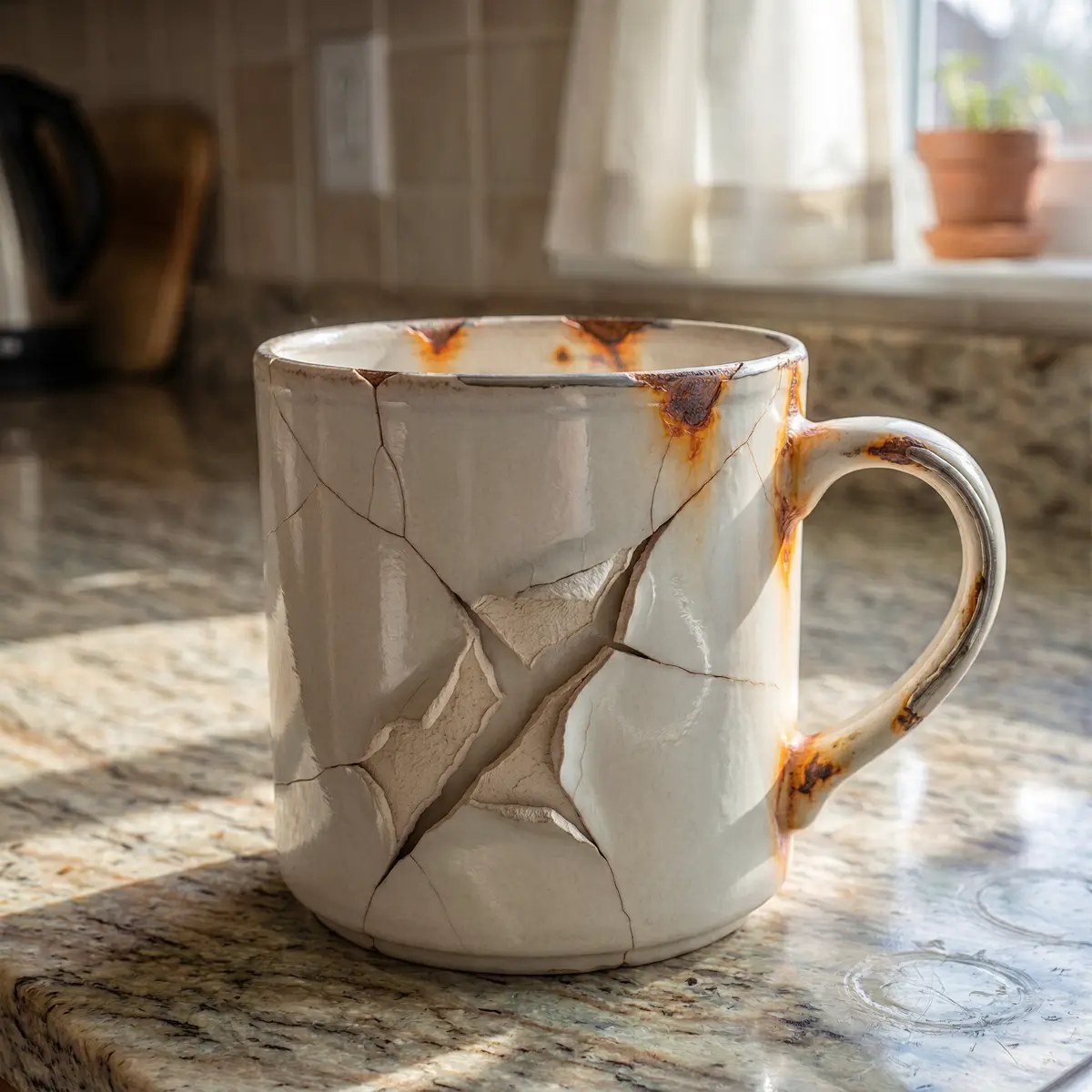
From a materials science perspective, the choice of material for a mug is crucial. Inferior materials not only affect the durability of the cup but can also lead to the release of odors. For example, some cheap ceramic mugs have improper surface treatments, which can easily develop cracks and subsequently cause leakage problems. Additionally, certain stainless steel mugs that have not been properly treated for rust resistance may develop a metallic taste over time.
From a Manufacturing Process Perspective
Manufacturing processes also significantly impact the user experience. Insufficient ergonomic design can result in uncomfortable holding, especially for women with smaller hands. Furthermore, complex lid structures and designs with many crevices make cleaning difficult, leading to the growth of bacteria and mold. These issues often become apparent only after some time, causing inconvenience to consumers.
From a User Habit Perspective
User habits also influence the experience with mugs. For instance, frequently placing the mug in a freezer or a high-temperature sterilizer can accelerate the aging of certain materials. Additionally, size incompatibility is a common issue. Mugs that are too large or too small do not meet most people’s daily usage habits, leading to inconvenience.
Case Studies
- Holding Issue: “Difficult to hold for a woman. These glasses are much too large for a woman’s hand to hold safely and comfortably.”
- Durability Issue: “Ours didn’t hold up well. After 2 months this cup started falling apart.”
- Material Issue: “Poor quality with cracks on outer finish/glaze. My mug had cracks all through the outside glaze of the ceramic cup.”
Comparison of “Poor User Experience” Issues Across Different Materials
| Material | Advantages | Limitations | Characteristics of Good Quality |
|---|---|---|---|
| Ceramic | Good insulation, diverse appearance | Fragile, prone to cracking if surface treatment is poor | Smooth surface without cracks, comfortable to hold |
| Glass | Transparent and aesthetically pleasing, easy to clean | Fragile, conducts heat quickly | Moderate thickness, less likely to break |
| Stainless Steel | Durable, good insulation | Heavy, may have a metallic taste | Smooth surface, no odor |
| Plastic | Lightweight, inexpensive | Prone to deformation, poor heat resistance | High-quality plastic, no odor |
Positive Review Example
- “Stays very hot! This is the perfect size to use with a Keurig, my larger one was too tall. Great mug, stays hot for hours.”
How to Avoid Poor User Experience? — A Guide to Selection and Usage
Key Indicators and Parameters to Consider When Purchasing
- Ergonomic Design: Choose a mug that fits your hand size, ensuring comfortable holding.
- Material Quality: Prioritize high-quality materials such as premium ceramic, glass, or stainless steel.
- Lid Design: Opt for simple, easy-to-clean lids.
- Size: Select an appropriate capacity based on personal needs, avoiding mugs that are too large or too small.
Design and Craftsmanship Details Worth Spending Extra On
- Double-Wall Insulation: Enhances insulation, preventing burns.
- Non-Slip Base: Increases stability, reducing the risk of accidental drops.
- Seal Performance: Ensures the lid fits tightly, preventing leaks.
Correct Usage and Maintenance Methods
- Regular Cleaning: Use mild detergent and a soft cloth to clean both inside and outside of the mug, especially the crevices in the lid.
- Avoid Extreme Temperatures: Do not expose the mug to extremely cold or hot environments for extended periods.
- Proper Storage: Avoid squeezing and collisions, and keep the mug dry and well-ventilated.
Common Misconceptions
- Misconception 1: The more expensive the mug, the better. In reality, the best mug is the one that suits you.
- Misconception 2: All stainless steel mugs will produce a metallic taste. High-quality stainless steel, when properly treated, does not generate odors.
Lessons from Real Users on Avoiding Pitfalls
-
Holding Issues
- Negative Review: “Difficult to hold for a woman. These glasses are much too large for a woman’s hand to hold safely and comfortably.”
- Lesson Learned: When selecting, consider hand size and choose a suitable ergonomic design.
-
Cleaning Issues
- Negative Review: “Rusted inside mug! Rusted inside mug!,,,,,You would think for the price you pay for a Yeti you would get top quality products!”
- Lesson Learned: Choose mugs with simple lid structures and clean them thoroughly regularly to avoid dirt accumulation.
-
Material Issues
- Negative Review: “Poor quality with cracks on outer finish/glaze. My mug had cracks all through the outside glaze of the ceramic cup.”
- Lesson Learned: Choose high-quality materials and check for cracks or other defects on the surface.
Through the above analysis and guidelines, we hope you can make wiser choices when purchasing mugs and avoid common poor user experience issues.
Related Deep Analysis in This Category
- Difficult to Use — 25% of complaints relate to this
- Leakage and Spillage — 42% of complaints relate to this
- Low Quality & Poor Durability — 22% of complaints relate to this
- Poor Insulation — 35% of complaints relate to this
- Poor Sealing & Easy Leaking — 24% of complaints relate to this
- Poor Thermal Insulation Performance — 30% of complaints relate to this
- Product Mismatch with Description — 18% of complaints relate to this
- Quality and Durability — 30% of complaints relate to this
- Size and Fit Issues — 20% of complaints relate to this