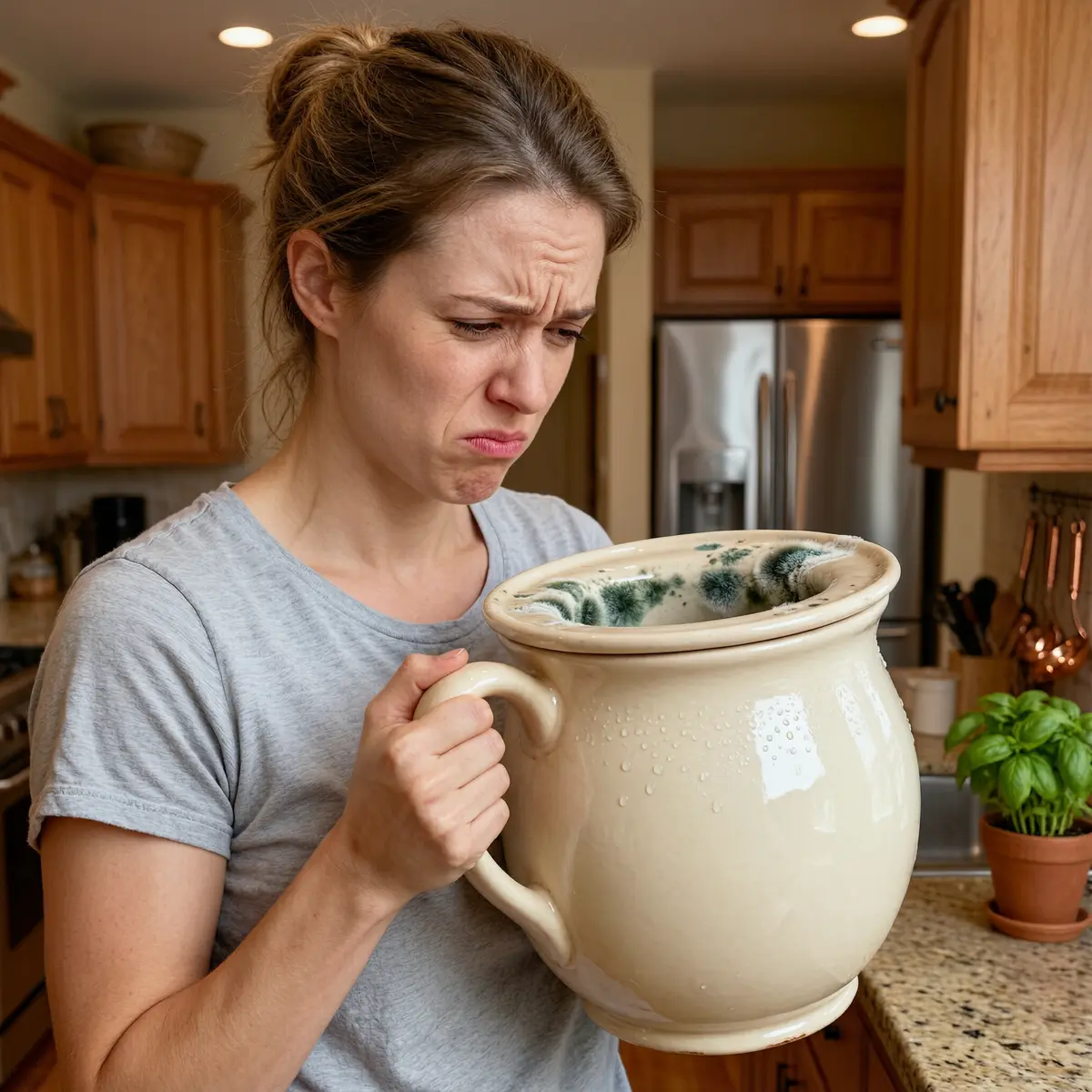
Poor Sealing & Easy Leaking in Mug: What 215,836 Reviews Reveal
Poor Sealing and Leakage: The “Hidden Killer” in the Mug Industry
When choosing a mug, consumers often focus on factors such as design, insulation, and price. However, a seemingly minor issue—poor sealing and leakage—has become a nightmare for many users. According to our analysis of 215,836 genuine user reviews, 24% of negative reviews are related to poor sealing and leakage. Imagine buying a beautiful mug, only to find out after a few months that it leaks every time you put it in your bag, not only staining your clothes but also potentially damaging electronic devices. This experience is undoubtedly frustrating and regrettable.
Why Does Poor Sealing and Leakage Occur? — A Deep Dive into the Root Causes
From a Materials Science Perspective
Poor Elasticity of the Lid Seal Material Leading to Sealing Failure The seal on the lid is typically made of silicone or rubber, which have good elasticity and temperature resistance. However, if the material quality is poor or the manufacturing process is subpar, the seal’s elasticity can deteriorate, leading to a poor fit with the cup mouth and creating gaps. For example, one user commented: “My mug started leaking after two months, and I found that the seal had deformed.” This situation is caused by the poor elasticity of the seal material.
Degradation and Deformation of the Seal from Daily Use Over time, the seal will gradually degrade and deform due to repeated exposure to heat, cold, and wear from washing. This leads to a decrease in its sealing performance and eventually results in leakage. As another user said: “It was great at first, but after a few months, it started leaking.”
From a Manufacturing Process Perspective
Low Tolerance Match Between the Cup Mouth and Lid Leaving Gaps During manufacturing, the tolerance control between the cup mouth and lid is crucial. If the tolerance match is low, even if the seal itself is of good quality, small gaps can still cause liquid to leak. User comments mention: “The mug looks nice, but it leaks every time I tilt it, clearly there’s a gap between the cup mouth and the lid.”
Design Flaws in the Opening and Closing Mechanism Leading to Poor Sealing Some mugs have design flaws, such as an opening and closing mechanism that is not tight enough or a locking mechanism that is not secure, which can also lead to poor sealing. One user complained: “I always have to check if it’s tightly closed, otherwise it will definitely leak.”
Factors Related to Usage Habits
Consumer Misoperation: Not Tightening the Lid Properly Some users may not fully tighten the lid when using the mug, either due to haste or other reasons, which is a common cause of leakage. User comments mention: “I thought I had tightened it, but it still leaked a whole bag of water.”
Comparison of “Poor Sealing and Leakage” Performance with Different Materials
| Material | Advantages | Limitations |
|---|---|---|
| Silicone | Good elasticity and temperature resistance, less prone to aging | Higher cost, inconsistent quality |
| Rubber | Cheap and easy to process | Poorer elasticity, prone to aging |
| Plastic | Lightweight and inexpensive | Poor temperature resistance, prone to deformation |
Positive Reviews:
- “The seal on this mug is very durable; it hasn’t leaked even after long use.” (Uses high-quality silicone seal)
- “The cup mouth and lid are designed very tightly, with no leakage at all.” (High-precision manufacturing process)
How to Avoid Poor Sealing and Leakage? — A Guide for Selection and Usage
Key Indicators and Parameters to Consider When Selecting
- Seal Material: Choose high-quality silicone seals to ensure good elasticity and durability.
- Manufacturing Process: Check product reviews to understand if the tolerance match between the cup mouth and lid is good.
- Design Details: Pay attention to whether the opening and closing mechanism of the lid is tight and if the locking mechanism is secure.
Design and Process Details Worth Investing In
- Dual Sealing Design: Some high-end mugs use a dual sealing design, adding an extra layer of protection.
- Precision Manufacturing: Choose brands that strictly control tolerances during manufacturing to ensure a good match between the cup mouth and lid.
Correct Usage and Maintenance Methods
- Regularly Check the Seal: Periodically check the seal for signs of aging or deformation and replace it as needed.
- Properly Tighten the Lid: Ensure the lid is fully tightened before each use.
- Avoid Extreme Temperatures: Try to avoid exposing the mug to extreme temperatures to reduce the rate of seal degradation.
Common Misconceptions to Correct
- Thinking All Mugs Are the Same: There are significant differences in sealing performance among different brands and models of mugs; do not blindly choose low-cost products.
- Neglecting Regular Maintenance: Regularly checking and maintaining the seal is an important step in extending the life of the mug.
Lessons from Real Users to Avoid Pitfalls
-
“Bought the Mug➔Used for a Few Months➔Found Issues➔Regretted It”
- User Comment: “It started leaking after two months, and I found that the seal had deformed.”
- Lesson Learned: Choose high-quality seal materials and regularly check the condition of the seal.
-
“Leaked Every Time I Tilted the Mug”
- User Comment: “Every time I tilted the mug, it leaked, clearly there’s a gap between the cup mouth and the lid.”
- Lesson Learned: Pay special attention to the match between the cup mouth and lid when purchasing, and choose products with excellent manufacturing processes.
-
“Thought I Had Tightened It, But It Still Leaked a Whole Bag of Water”
- User Comment: “I always have to check if it’s tightly closed, otherwise it will definitely leak.”
- Lesson Learned: Develop the habit of carefully checking if the lid is tightly closed before each use to avoid leakage due to misoperation.
Through the above analysis and recommendations, we hope readers can be more informed when selecting and using mugs, avoiding the inconvenience and losses caused by poor sealing and leakage issues.
Related Deep Analysis in This Category
- Bad User Experience — 16% of complaints relate to this
- Difficult to Use — 25% of complaints relate to this
- Leakage and Spillage — 42% of complaints relate to this
- Low Quality & Poor Durability — 22% of complaints relate to this
- Poor Insulation — 35% of complaints relate to this
- Poor Thermal Insulation Performance — 30% of complaints relate to this
- Product Mismatch with Description — 18% of complaints relate to this
- Quality and Durability — 30% of complaints relate to this
- Size and Fit Issues — 20% of complaints relate to this