Poor Thermal Insulation Performance in Mug: What 215,836 Reviews Reveal
Insufficient Thermal Performance: The “Hidden Killer” in the Mug Industry
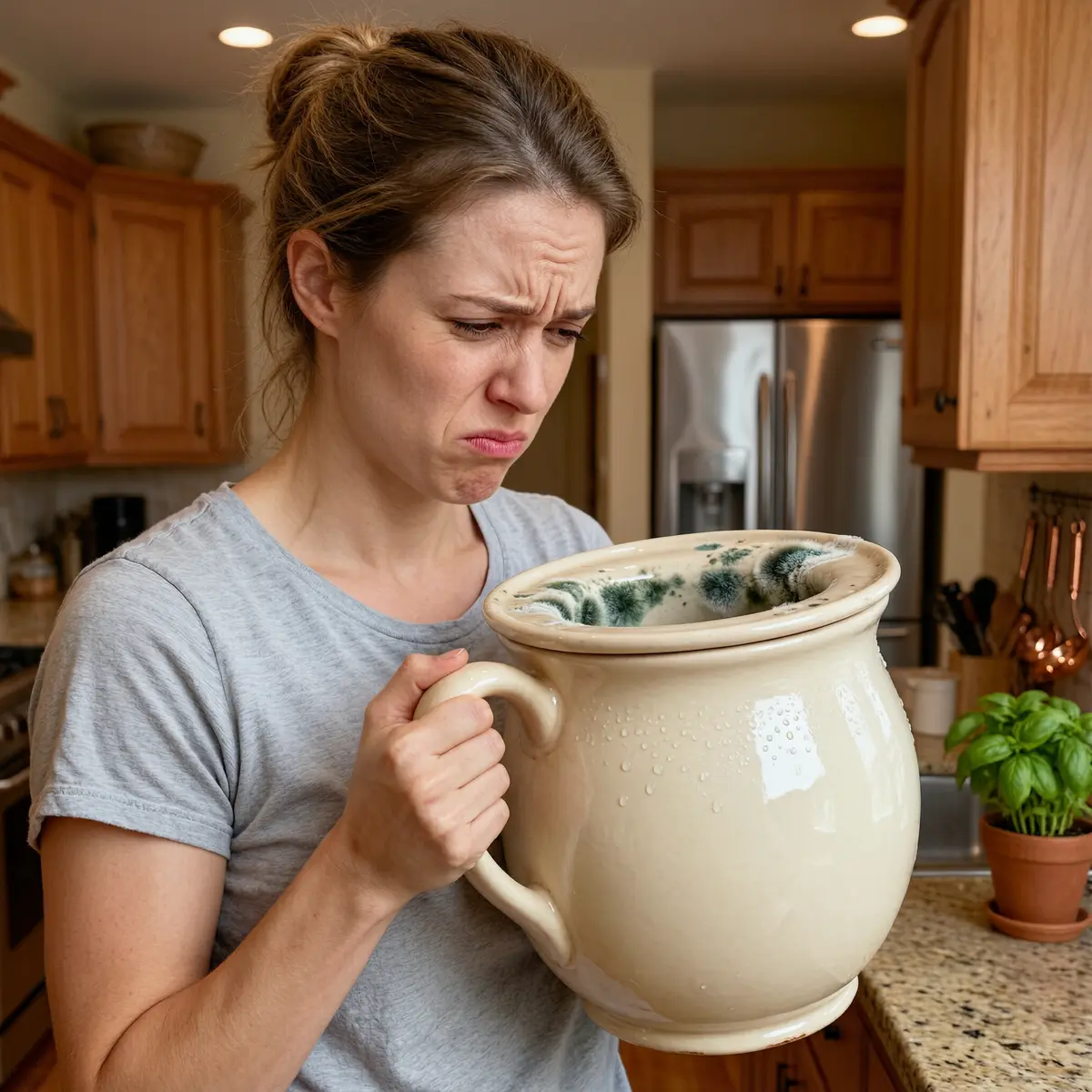
In the fast-paced modern life, a steaming cup of coffee or a cool drink has become a small but significant pleasure for many. However, when your mug fails to maintain the temperature of your beverage as advertised, this little joy turns into a big disappointment. According to our analysis of 215,836 genuine user reviews, 30% of negative feedback is related to insufficient thermal performance. This not only affects the consumer experience but also highlights a common issue in the mug industry.
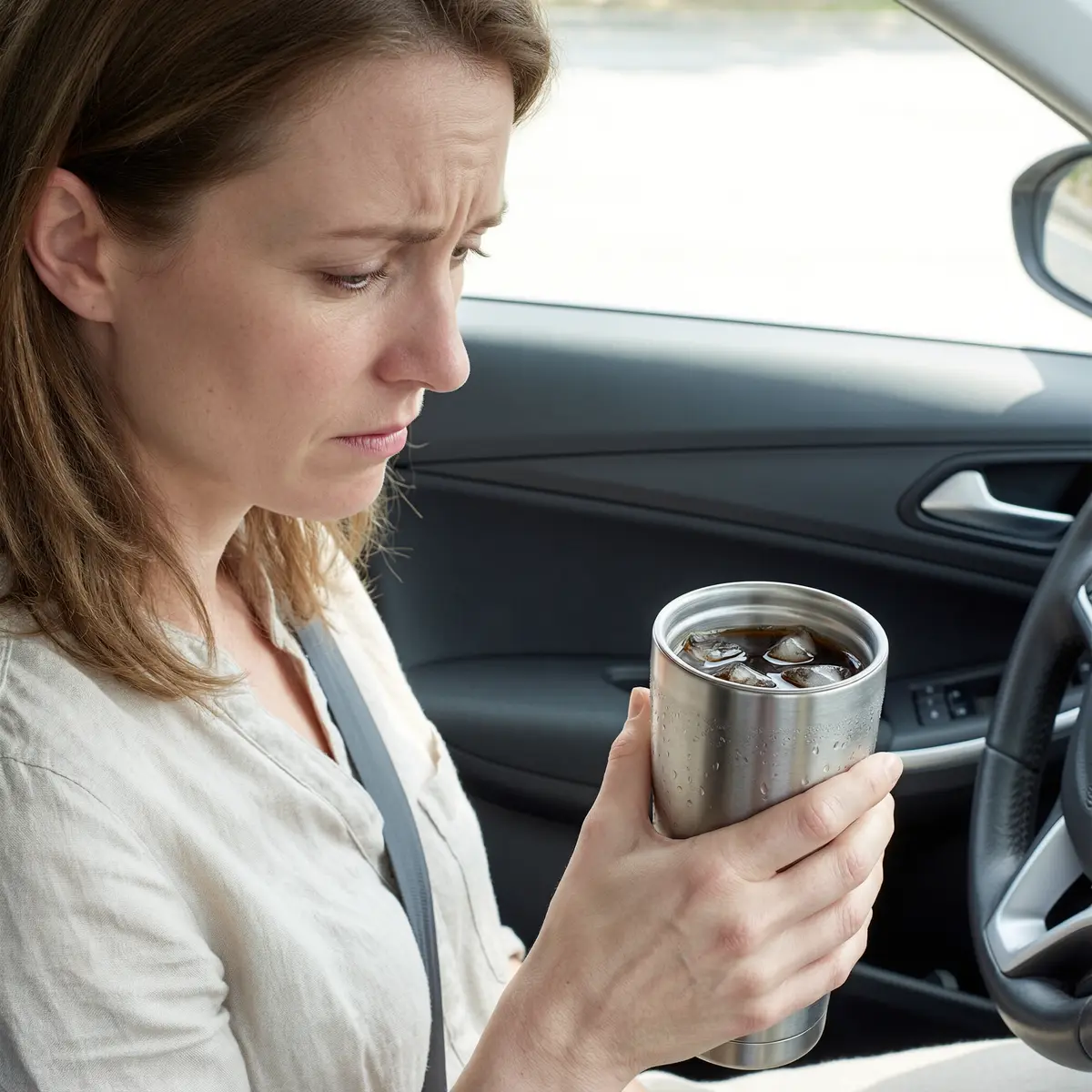
Imagine you excitedly purchased a mug that claims to keep drinks hot for over 6 hours, only to find after a few months that your coffee cools down in half an hour and ice melts within a few hours. This disparity can leave you feeling regretful and questioning your choice. So, why does this happen? Let’s delve into the root causes.
Why Does Thermal Performance Fall Short? — A Deep Dive into the Fundamental Reasons
From a Material Science Perspective
Vacuum Layer Defects: High-quality thermal mugs typically use a double-walled stainless steel structure with a vacuum between the layers to minimize heat transfer. However, if the vacuum layer is substandard, air will gradually seep in, leading to faster heat transfer and reduced insulation. For example, one user commented, “After two months, the mug started leaking, and the insulation effect significantly decreased.” This is a clear sign of vacuum layer seal failure.
High Thermal Conductivity of Lid Materials: The lid is also a critical factor in insulation. Some cheaper mugs use materials with high thermal conductivity, such as certain plastics or metals, which accelerate heat loss. As one user complained, “Although the mug itself insulates well, the lid design allows heat to escape quickly.”
From a Manufacturing Process Perspective
Double Wall Seal Failure: The seal between the double walls is crucial for insulation. If the seal is poor, air can enter, reducing the insulation performance. One user noted, “After a few months, the insulation effect was noticeably worse than when I first bought it, probably due to a problem with the seal.”
Aging of the Seal Layer Over Time: As time passes, the seal layer can degrade, losing its original insulation properties. Another user mentioned, “Within less than a year, the insulation effect had clearly declined, likely due to aging of the seal layer.”
From a Usage Habit Perspective
Incorrect Use and Maintenance: Even the best mugs can suffer from reduced insulation if used improperly. Frequent washing, high-temperature sterilization, and other practices can damage the seal layer. One user shared, “I often washed it in the dishwasher, and the insulation effect kept getting worse.”
Comparison of Insufficient Thermal Performance Across Different Materials
| Material | Advantages | Limitations |
|---|---|---|
| Stainless Steel | Durable, corrosion-resistant, good insulation | Higher price, heavier weight |
| Glass | Transparent and aesthetically pleasing, easy to clean | Fragile, poorer insulation |
| Ceramic | Good insulation, comfortable to hold | Fragile, heavier weight |
| Plastic | Lightweight, inexpensive | High thermal conductivity, poor insulation |
- Stainless Steel Mugs: As one user positively reviewed, “This stainless steel mug has excellent insulation; my coffee stays hot for several hours.”
- Glass Mugs: Although visually appealing, they have poorer insulation and are suitable for short-term use.
- Ceramic Mugs: They offer good insulation but require careful handling to prevent breakage.
- Plastic Mugs: Lightweight and affordable, but with the poorest insulation.
How to Avoid Insufficient Thermal Performance? — A Guide to Selection and Usage
Key Indicators and Parameters to Look for When Purchasing
- Vacuum Layer Thickness: Choose products with thick and well-sealed vacuum layers.
- Lid Material: Opt for materials with low thermal conductivity, such as silicone or high-quality plastic.
- Brand Reputation: Select reputable brands for better quality assurance.
Design and Craftsmanship Details Worth Investing In
- Double Wall Sealing Technology: Ensure the double walls are completely sealed, preventing air infiltration.
- High-Quality Sealing Rings: Use durable, non-aging sealing ring materials.
- Ergonomic Design: Features like non-slip bases and easy-to-grip handles enhance the user experience.
Proper Usage and Maintenance
- Avoid High-Temperature Sterilization: Hand wash to avoid damaging the seal layer with high temperatures.
- Regularly Check Sealing Rings: Replace them if damaged.
- Proper Storage: Avoid prolonged exposure to extreme temperatures.
Common Misconceptions to Correct
- Misconception 1: More expensive mugs always have better insulation. In reality, it depends on the materials and craftsmanship.
- Misconception 2: All mugs can keep drinks hot for over 6 hours. Actual insulation duration varies based on multiple factors and should be evaluated based on specific usage conditions.
Lessons from Real Users to Avoid Pitfalls
-
Lesson 1:“Ours didn’t hold up well After 2 months this cup started falling apart. My son bought this for his step dad. This was used every morning and we ended up tossing it out.”
- Lesson Summary: Choose durable products to avoid quality issues in the short term.
-
Lesson 2:“Disappointed! According to the directions, it’s not supposed to be left in the freezer for more than 4 hours, and it has to be placed in there upside down - that part’s doable, but I’m not happy about the time limitation. Too much trouble to return but am not likely to use it often.”
- Lesson Summary: Read product instructions carefully to understand usage limitations and avoid purchasing items that don’t meet your needs.
-
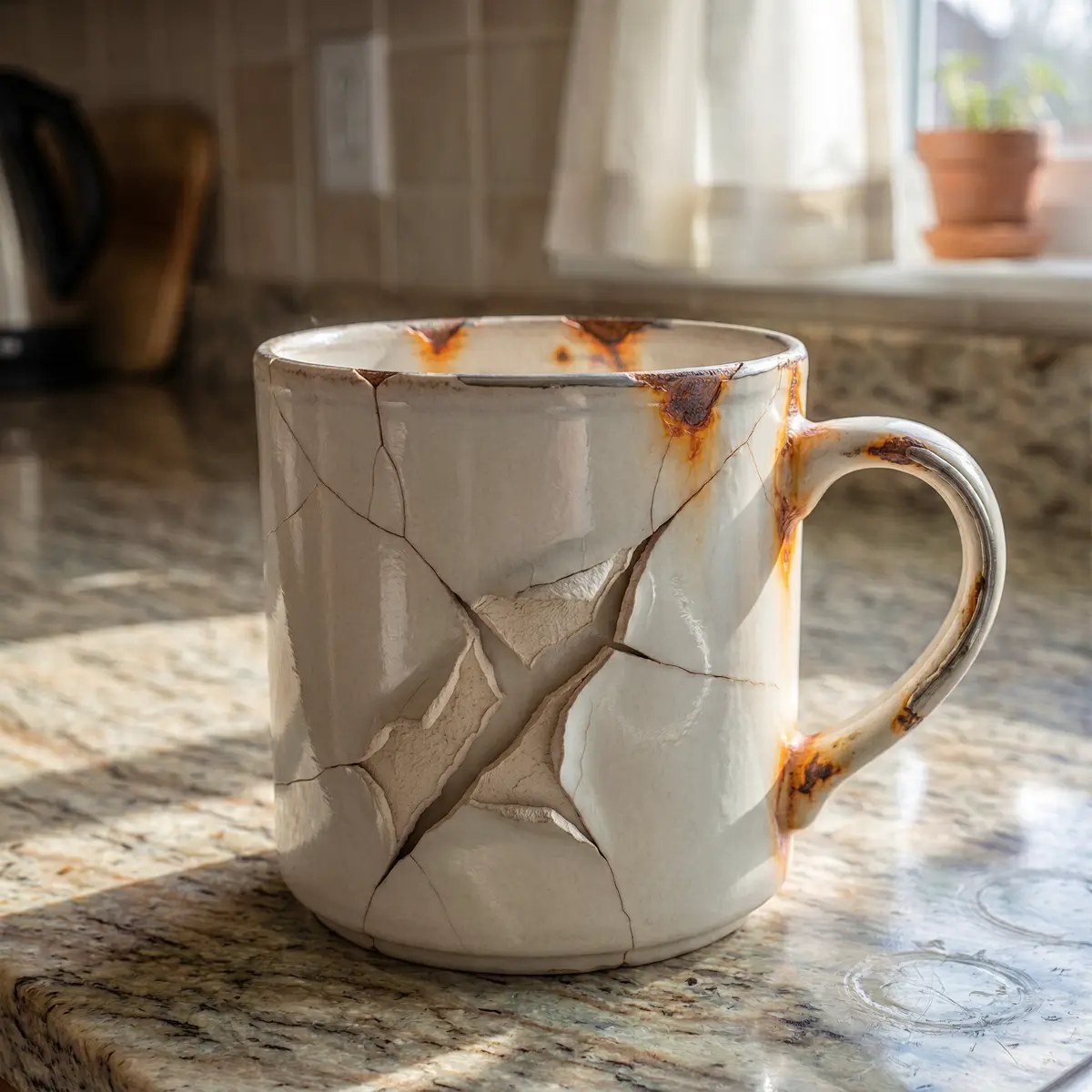
Lesson 3:“Poor quality with cracks on outer finish/glaze My mug had cracks all through the outside glaze of the ceramic cup. One crack is so bad that I’m afraid it will leak through if I put a hot liquid inside the cup. I don’t feel like going through the hassle of returning so will keep the mug for trinkets”
- Lesson Summary: Inspect product quality at purchase, and return or exchange if issues are found to avoid safety hazards during use.
Through these real user stories and professional analysis, we hope you can better understand the issue of insufficient thermal performance in mugs and make informed choices when selecting and using them.
Related Deep Analysis in This Category
- Bad User Experience — 16% of complaints relate to this
- Difficult to Use — 25% of complaints relate to this
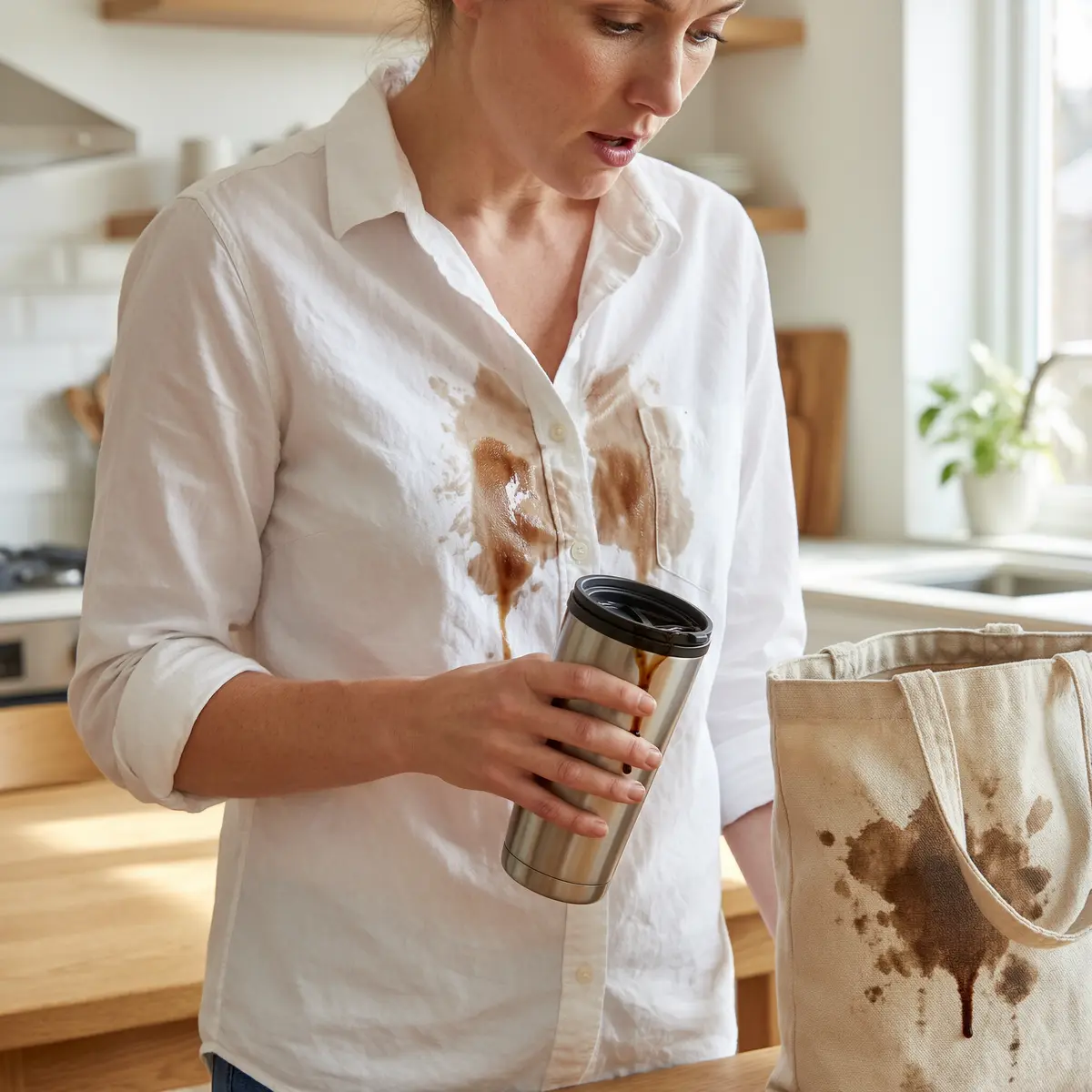
- Leakage and Spillage — 42% of complaints relate to this
- Low Quality & Poor Durability — 22% of complaints relate to this
- Poor Insulation — 35% of complaints relate to this
- Poor Sealing & Easy Leaking — 24% of complaints relate to this
- Product Mismatch with Description — 18% of complaints relate to this
- Quality and Durability — 30% of complaints relate to this
- Size and Fit Issues — 20% of complaints relate to this