Quality and Durability in Mug: What 215,836 Reviews Reveal
Quality and Durability: The “Hidden Killer” in the Mug Industry
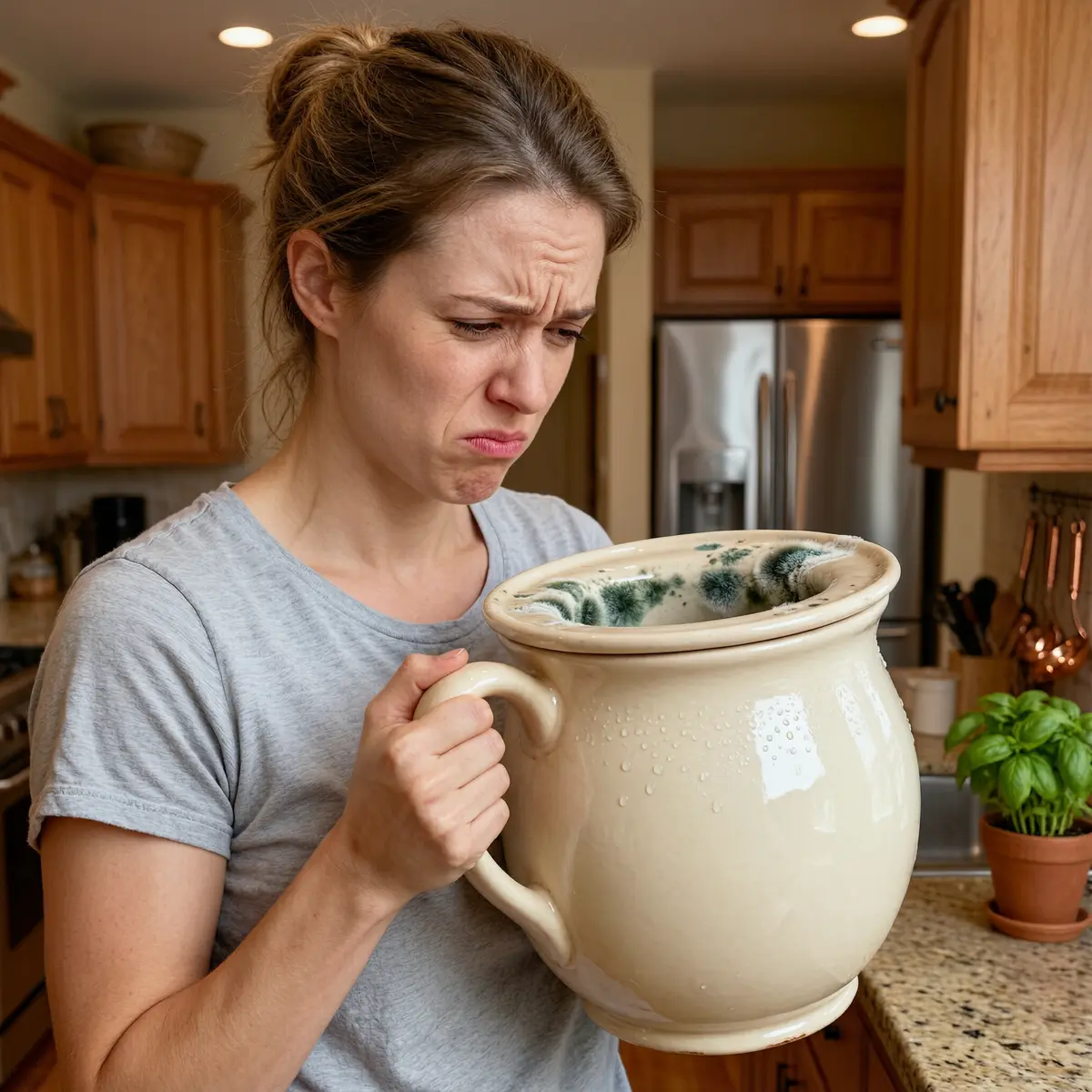
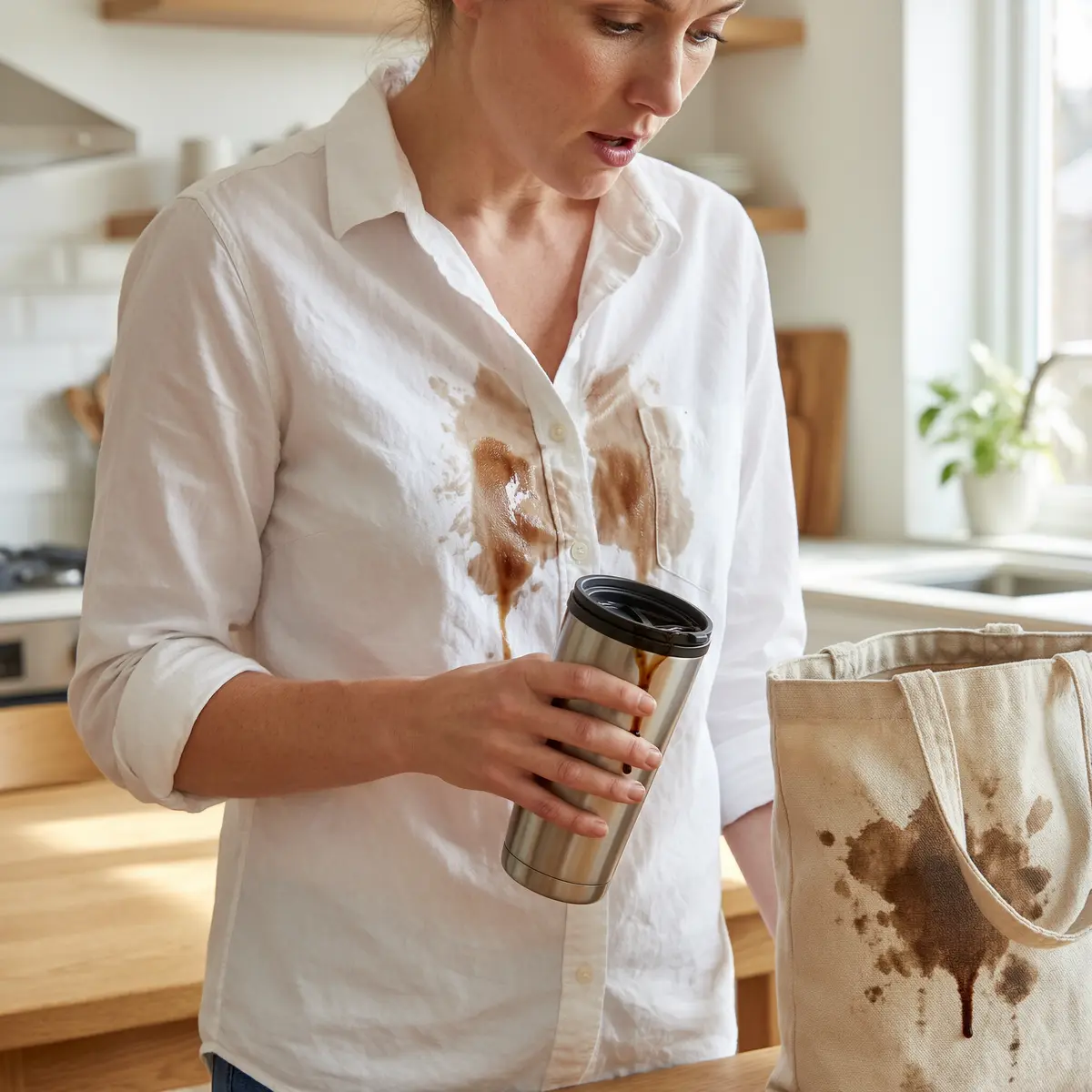
In daily life, mugs are indispensable companions for many people. However, quality issues often leave consumers feeling frustrated. Based on an analysis of 215,836 real user reviews, we found that 30% of negative reviews are related to quality and durability problems. Imagine buying a new mug, only to find it developing cracks, peeling, or even leaking after a few months of use. This experience is undoubtedly disappointing. In this article, we will delve into the quality and durability issues of mugs and provide practical purchasing and usage guidelines to help you avoid these common pitfalls.
Why Quality and Durability? — Unpacking the Root Causes
Material Selection and Processing Techniques
The choice of materials directly affects the durability of a mug. Common mug materials include ceramic, glass, stainless steel, and plastic. Each material has its pros and cons. For example, ceramic mugs have good insulation but are fragile; glass mugs are transparent and aesthetically pleasing but also delicate; stainless steel mugs are durable and have good insulation but are heavier; plastic mugs are lightweight but have poor heat resistance and durability.
Case Analysis:
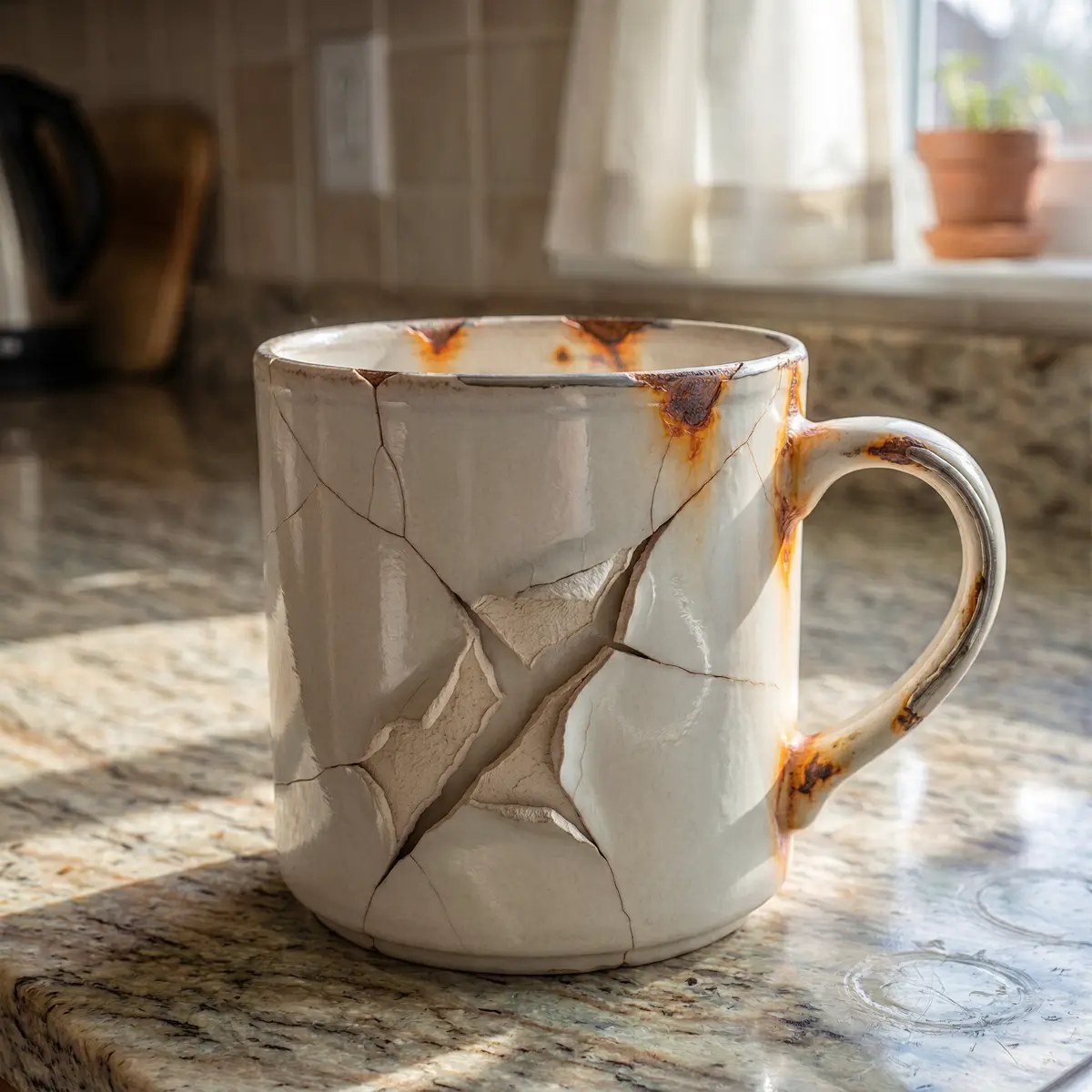
- “Poor quality with cracks on outer finish/glaze” — This user’s mug developed noticeable cracks, likely due to poor quality control of the ceramic glaze.
- “Rusted inside mug!” — The interior of a stainless steel mug rusted, which is usually due to inadequate rust-proofing during production or the use of low-quality materials.
Quality Control in the Production Process
Quality control during production is crucial for ensuring the durability of mugs. Some manufacturers may cut corners to reduce costs, neglecting details such as the thickness of the glaze or the strength of welding points. These seemingly minor issues can ultimately lead to product failures during use.
Case Analysis:
- “Ours didn’t hold up well After 2 months this cup started falling apart” — This user’s mug deteriorated quickly, likely due to poor quality control during manufacturing.
Impact of Usage Frequency and Maintenance on Product Lifespan
The lifespan of a mug is also influenced by usage frequency and maintenance methods. Frequent use and improper cleaning can accelerate wear and tear. For example, scrubbing a ceramic mug with hard objects can easily scratch the surface, and prolonged exposure to acidic substances can corrode a stainless steel mug.
Case Analysis:
- “According to the directions, it’s not supposed to be left in the freezer for more than 4 hours, and it has to be placed in there upside down - that part’s doable, but I’m not happy about the time limitation” — This user was dissatisfied due to improper usage, highlighting the importance of correct usage and maintenance for extending the mug’s lifespan.
Comparison of “Quality and Durability” Performance Across Different Materials
| Material | Advantages | Limitations |
|---|---|---|
| Ceramic | Good insulation, aesthetic | Fragile, requires careful handling |
| Glass | Transparent, easy to clean | Fragile, high thermal conductivity |
| Stainless Steel | Durable, good insulation | Heavy, higher price |
| Plastic | Lightweight, not easily broken | Poor heat resistance and durability |
Positive Review Example:
- “Stays very hot! This is the perfect size to use with a Keurig, my larger one was too tall. Great mug, stays hot for hours. This is my third Contigo mug (lost the other two) and I love it.” — This user highly praised the insulation and durability of the stainless steel mug.
How to Avoid Quality and Durability Issues? — Purchasing and Usage Guidelines
Key Indicators and Parameters to Consider When Purchasing
- Material Selection: Choose the appropriate material based on your needs. If you prioritize aesthetics and insulation, opt for ceramic or glass; if durability and portability are more important, choose stainless steel or plastic.
- Brand Reputation: Opt for products from reputable brands, as they typically offer better quality.
- User Reviews: Check other users’ reviews, especially those regarding quality and durability.
Design and Craftsmanship Details Worth the Extra Cost
- Thick Walls: Thick walls enhance durability and reduce the risk of cracking.
- Smooth Interior: A smooth interior is easier to clean and reduces bacterial growth.
- Good Sealing: For mugs with lids, good sealing prevents leaks.
Correct Usage and Maintenance Methods
- Avoid Rough Handling: Regardless of the material, avoid dropping or hitting the mug.
- Proper Cleaning: Use soft cloths or sponges for cleaning and avoid using hard objects that can scratch the surface.
- Avoid Extreme Temperatures: Do not move the mug from the freezer to hot water, as the temperature difference can cause damage.
- Regular Inspection: Regularly check for cracks or wear and replace the mug if necessary.
Common Misconceptions to Avoid
- Misconception 1: More Expensive Means Better — Higher prices do not always guarantee better quality. Consider the material, brand, and user reviews comprehensively.
- Misconception 2: Focus Only on Appearance — While appearance is important, quality and durability are key.
Lessons from Real Users on Avoiding Pitfalls
“Difficult to hold for a woman These glasses are much too large for a woman’s hand to hold safely and comfortably. They should be labeled for men only. I have large hands for a woman but I just can’t feel safe holding these glasses. Why doesn’t the company make smaller ones for women and label the”
Lesson Summary: When buying a mug, pay attention to the size to ensure it fits your hand. Some mugs are designed to be larger and may not be suitable for those with smaller hands. Carefully review the product description for size information or choose mugs with adjustable handles.
“Ours didn’t hold up well After 2 months this cup started falling apart. My son bought this for his step dad. This was used every morning and we ended up tossing it out.”
Lesson Summary: Choosing a durable mug is important. When purchasing, refer to other users’ reviews, especially those regarding durability. Additionally, proper usage and maintenance can extend the mug’s lifespan.
“Disappointed! According to the directions, it’s not supposed to be left in the freezer for more than 4 hours, and it has to be placed in there upside down - that part’s doable, but I’m not happy about the time limitation. Too much trouble to return but am not likely to use it often.”
Lesson Summary: When buying a mug, read the usage instructions carefully to understand any limitations. Some mugs are not suitable for long-term freezing or heating, so be mindful of these details to avoid unnecessary trouble.
Through the above analysis and recommendations, we hope you can select a mug that is both aesthetically pleasing and durable, enjoying pleasant beverage moments.
Related Deep Analysis in This Category
- Bad User Experience — 16% of complaints relate to this
- Difficult to Use — 25% of complaints relate to this
- Leakage and Spillage — 42% of complaints relate to this
- Low Quality & Poor Durability — 22% of complaints relate to this
- Poor Insulation — 35% of complaints relate to this
- Poor Sealing & Easy Leaking — 24% of complaints relate to this
- Poor Thermal Insulation Performance — 30% of complaints relate to this
- Product Mismatch with Description — 18% of complaints relate to this
- Size and Fit Issues — 20% of complaints relate to this