Poor Quality Control & Short Service Life in Slow Cooker: What 50,665 Reviews Reveal
Poor Quality Control and Short Lifespan: The “Hidden Killer” in the Slow Cooker Industry
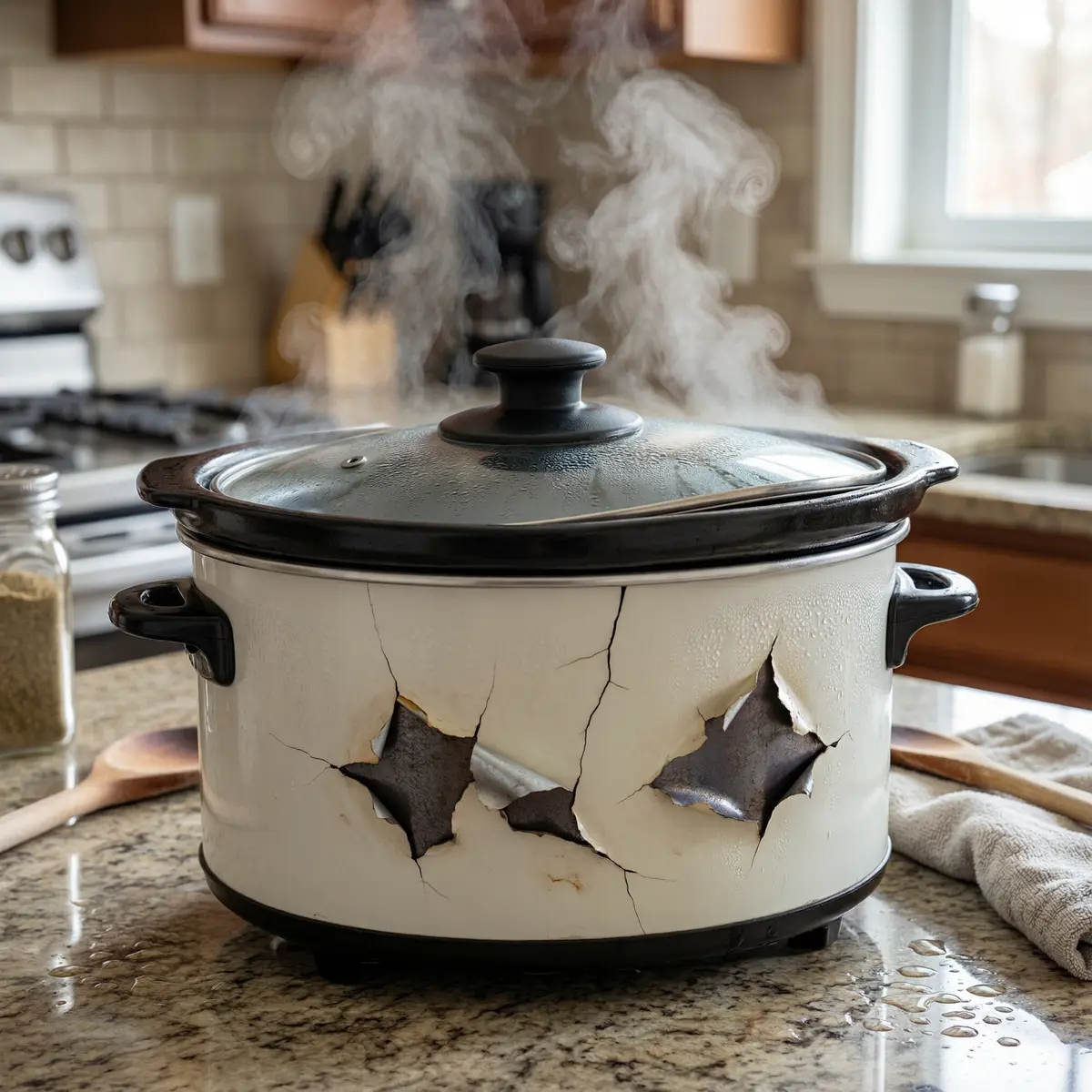
In modern kitchens, slow cookers have become an indispensable cooking tool for many families. However, as the market continues to expand, more and more consumers are finding that their slow cookers develop various issues after just a few uses, such as uneven heating, electronic component failures, and even complete malfunction. According to our analysis of 50,665 real user reviews, 35% of negative reviews are related to poor quality control and short lifespan. This phenomenon not only leads to disappointment but also directly impacts the consumer’s purchasing experience.
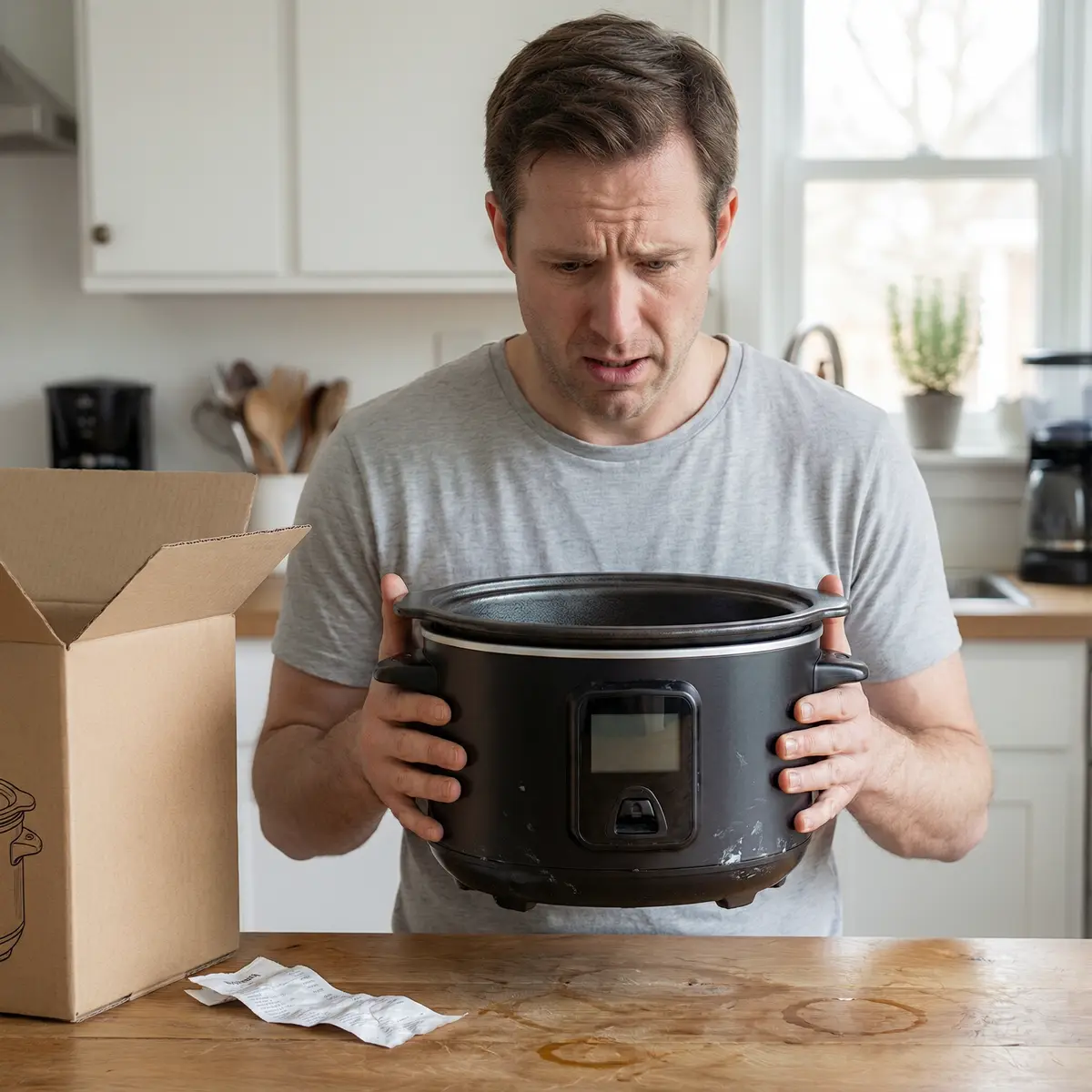
Imagine you eagerly purchase an expensive slow cooker, hoping it will bring convenience and delicious meals to your family. However, after a few months of use, you find that it not only heats poorly but also has a faulty electronic display. In this situation, you might feel very frustrated and regret your choice.
Why Poor Quality Control and Short Lifespan? — A Deep Dive into the Root Causes
Insufficient Temperature and Durability Performance of Electronic Components
The electronic components inside a slow cooker need to operate in high-temperature environments for extended periods. If these components lack sufficient temperature resistance, they can easily fail within a short time. For example, one user commented, “I fell in love with this slow cooker, but it barely heats up. Even after running on high power for five hours, the food was only lukewarm.” This indicates that the temperature resistance of electronic components is a significant factor contributing to the short lifespan of slow cookers.
Lack of Aging Test Procedures Before Leaving the Factory
Many slow cookers do not undergo adequate aging tests before leaving the factory, meaning potential issues may arise during actual use. For instance, another user mentioned, “Right after unboxing and setting it up, I found that the lid did not seal properly and wobbled a lot.” This suggests that the product lacks necessary quality control and testing before being shipped.
Cost Reduction Leading to Lower-Quality Materials
To cut costs, some manufacturers may opt for lower-quality materials in the production of slow cookers. This not only affects the durability of the product but can also lead to other issues. For example, a user feedback stated, “These gaskets do retain the smell of previously cooked food, despite the product description claiming otherwise.”
Inadequate Protection During Cross-Border Transportation
Slow cookers may suffer physical damage during cross-border transportation, especially if protective measures are insufficient. One user complained, “The product arrived in pieces, and I did not reorder.” This highlights the importance of proper protection during transportation to ensure product quality.
Mismatch Between After-Sales Warranty Policies and Product Lifespan
Some slow cookers have a short warranty period, and once the warranty expires, problems start to appear. For example, a user said, “I really liked this slow cooker until the digital display stopped working, making it impossible to program or use. Worse still, this happened shortly after the warranty expired.” This raises questions about whether the product design intentionally shortens the lifespan.
Comparison of “Poor Quality Control and Short Lifespan” in Different Materials
| Material | Advantages | Limitations | User Reviews |
|---|---|---|---|
| Ceramic | Good insulation, easy to clean | Fragile, limited temperature range | “Ceramic inner pot retains heat well, but it can break easily if dropped.” |
| Stainless Steel | Corrosion-resistant, high-temperature resistant | Average heat conduction, prone to scratches | “Stainless steel inner pot is very durable, but be careful not to scratch it with hard objects.” |
| Aluminum Alloy | Good heat conduction, lightweight | Prone to oxidation, poor corrosion resistance | “Aluminum alloy inner pot heats up quickly, but the surface oxidizes over time.” |
How to Avoid Poor Quality Control and Short Lifespan? — A Guide to Selection and Usage
Key Indicators and Parameters to Consider When Purchasing
- Material: Choose materials that are heat-resistant and corrosion-resistant, such as stainless steel or high-quality ceramic.
- Brand Reputation: Opt for brands with a good reputation and reliable after-sales service.
- Warranty Period: Ensure the product has a longer warranty period to reduce repair costs.
Design and Craftsmanship Details Worth Paying Extra For
- Double Insulation Design: Effectively prevents overheating on the exterior, enhancing safety.
- Non-Slip Base: Increases stability and reduces the risk of accidental slippage.
- Smart Temperature Control System: Precisely controls temperature, preventing food from burning or being undercooked.
Correct Usage and Maintenance Methods
- Regular Cleaning: Use mild detergent and a soft cloth to clean the inner pot, avoiding the use of hard objects to scrub.
- Avoid Dry Heating: Ensure there is enough water or ingredients in the pot to prevent damage from dry heating.
- Proper Storage: Store in a dry, well-ventilated place to avoid corrosion caused by a damp environment.
Common Misconceptions to Avoid
- Misconception 1: Believing that higher-priced products are always better. In reality, products with good cost-performance ratios are often more popular among consumers.
- Misconception 2: Ignoring the usage recommendations in the product manual. Proper usage methods can significantly extend the product’s lifespan.
Lessons from Real Users on Avoiding Pitfalls
Lesson 1
“Bought a slow cooker a few months ago, and the electronic display stopped working, making it unusable. Very disappointing.”
- Lesson Summary: Choose brands with good after-sales service and longer warranty periods to avoid losses due to quality issues.
Lesson 2
“The slow cooker I just received had obvious scratches, suspecting it was a second-hand item.”
- Lesson Summary: Carefully inspect the product’s appearance when purchasing, and contact customer service immediately if there are any defects.
Lesson 3
“After a few uses, the slow cooker started emitting a strong, unpleasant odor.”
- Lesson Summary: Choose materials that are odorless and easy to clean, and regularly clean the inner pot to avoid odors caused by food residue.
Through the above analysis and suggestions, we hope to help you make more informed decisions when selecting and using a slow cooker, avoiding the issues of poor quality control and short lifespan.
Related Deep Analysis in This Category
- Electronic Failures — 20% of complaints relate to this
- Heating Issues — 38% of complaints relate to this
- Lid and Seal Problems — 25% of complaints relate to this
- Product Durability — 35% of complaints relate to this
- Safety Hazards — 18% of complaints relate to this
- Size and Design Issues — 15% of complaints relate to this
- Structural & Accessory Defects — 28% of complaints relate to this
- Abnormal Temperature Control — 45% of complaints relate to this