Structural & Accessory Defects in Slow Cooker: What 50,665 Reviews Reveal
Structural Component Defects: The “Invisible Killer” in the Slow Cooker Industry
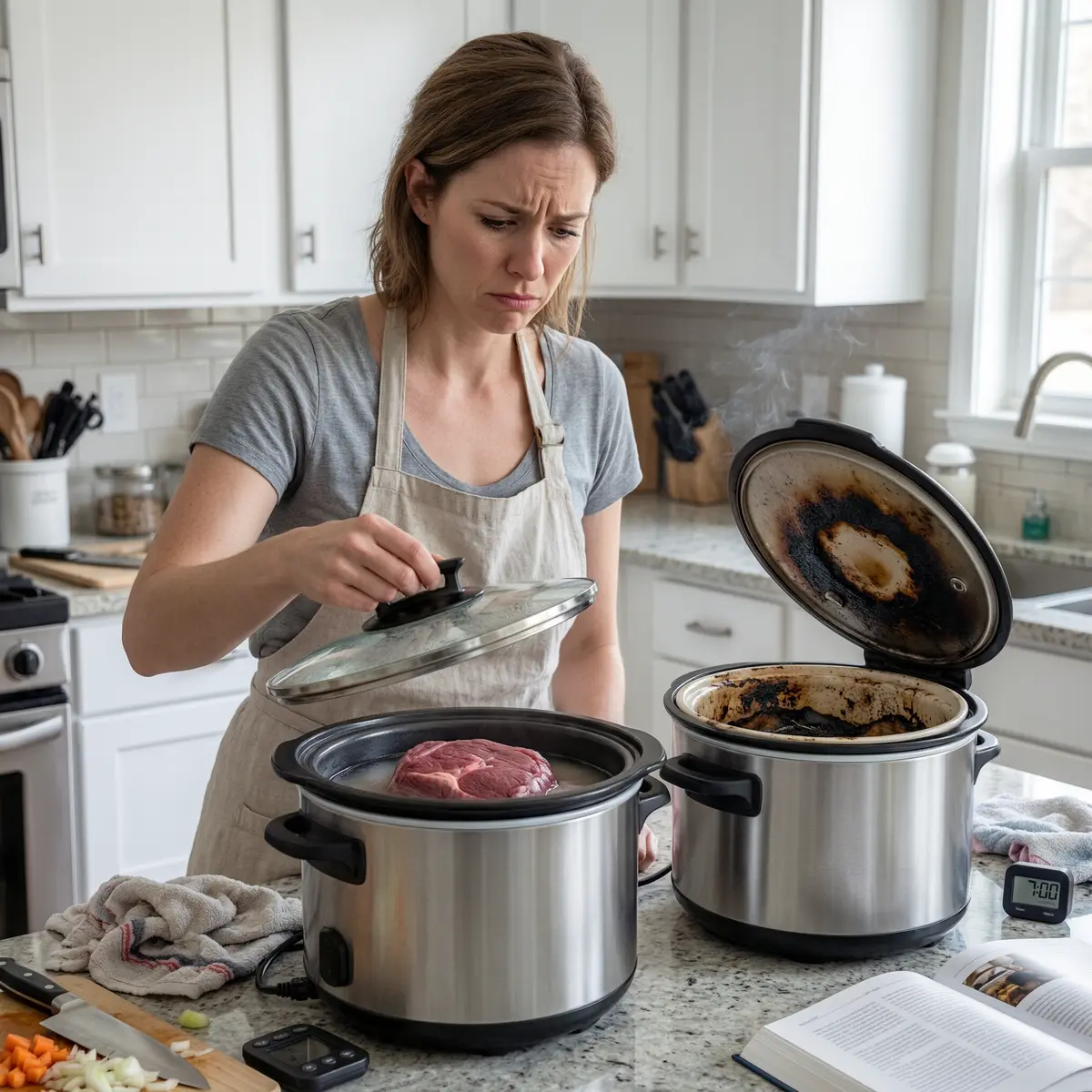
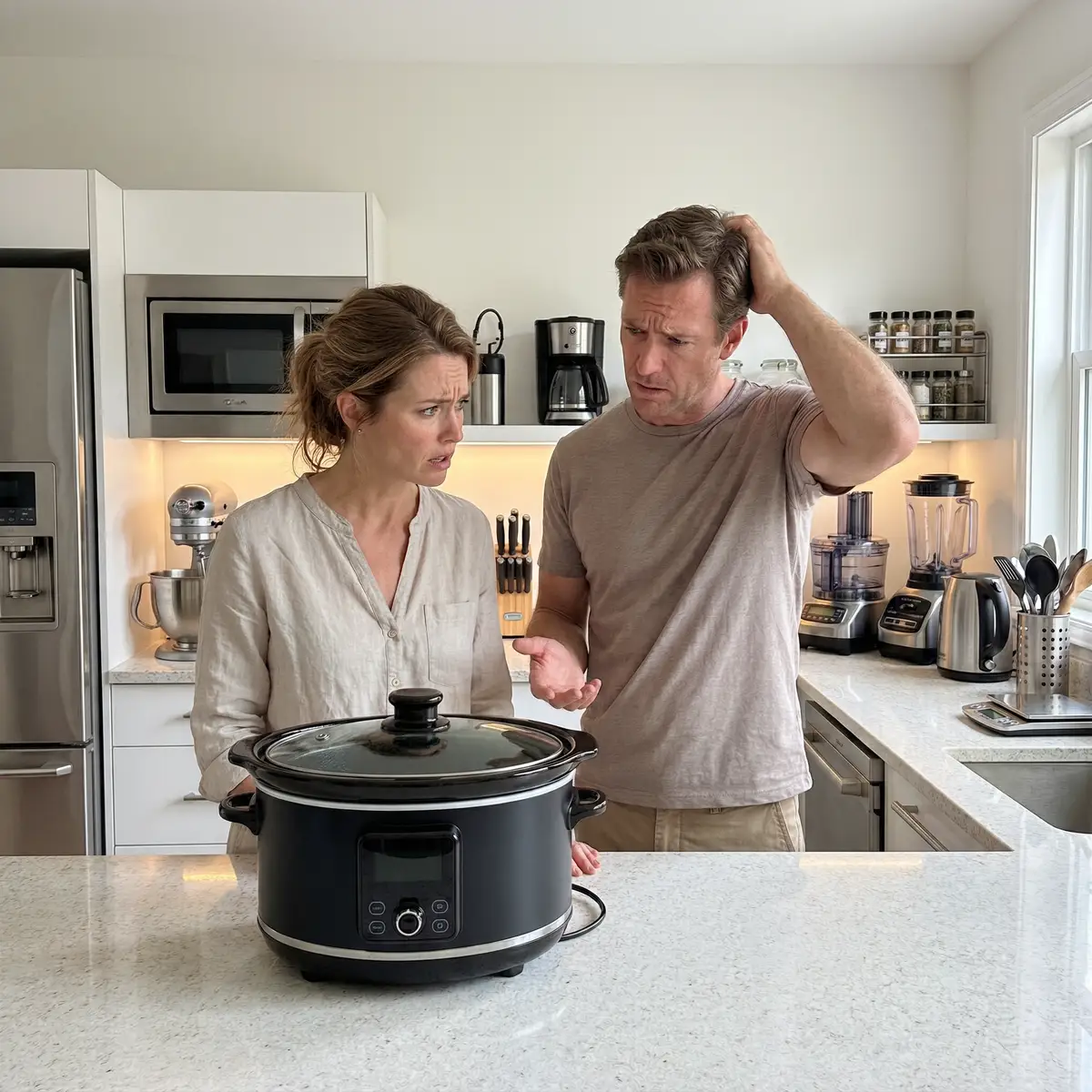
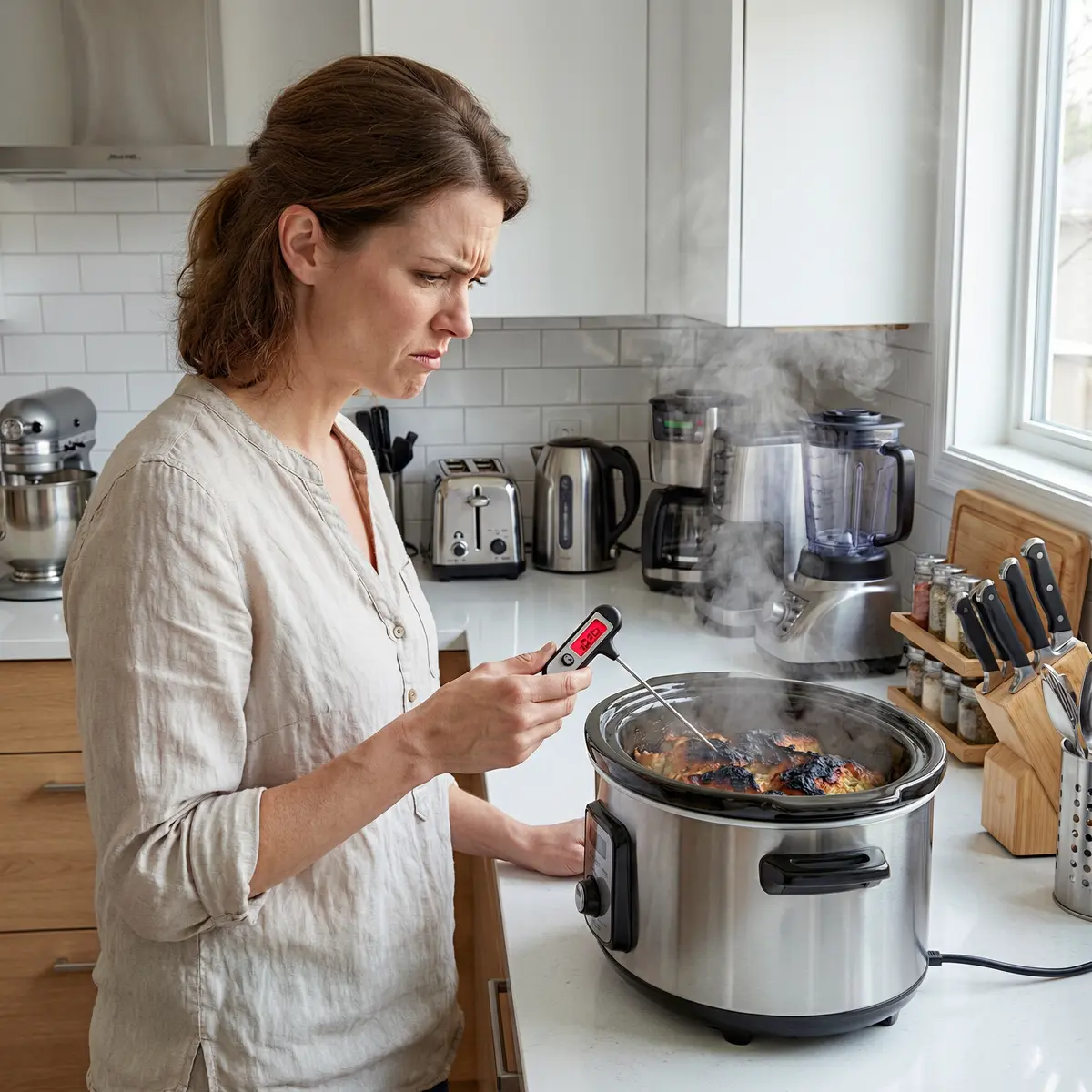
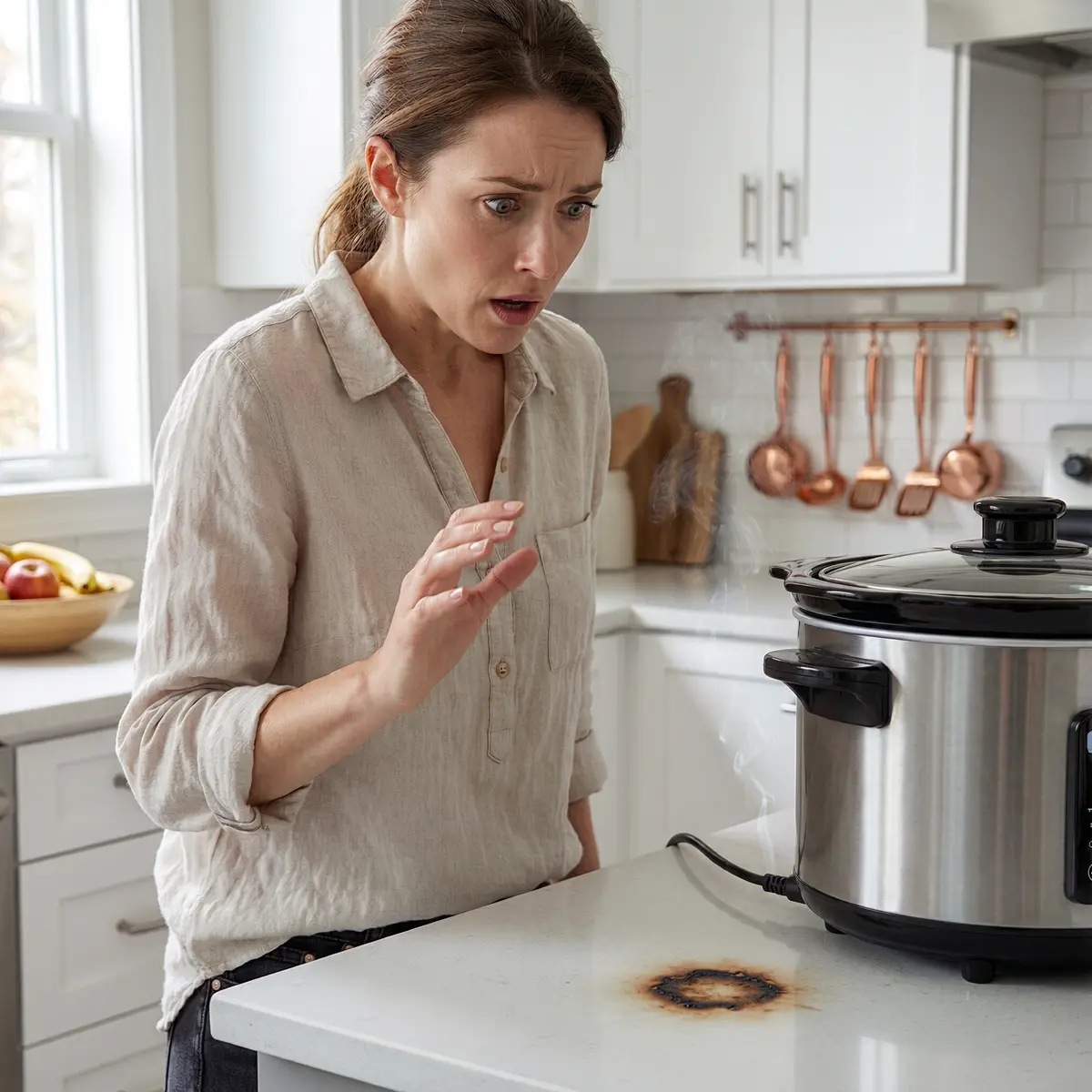
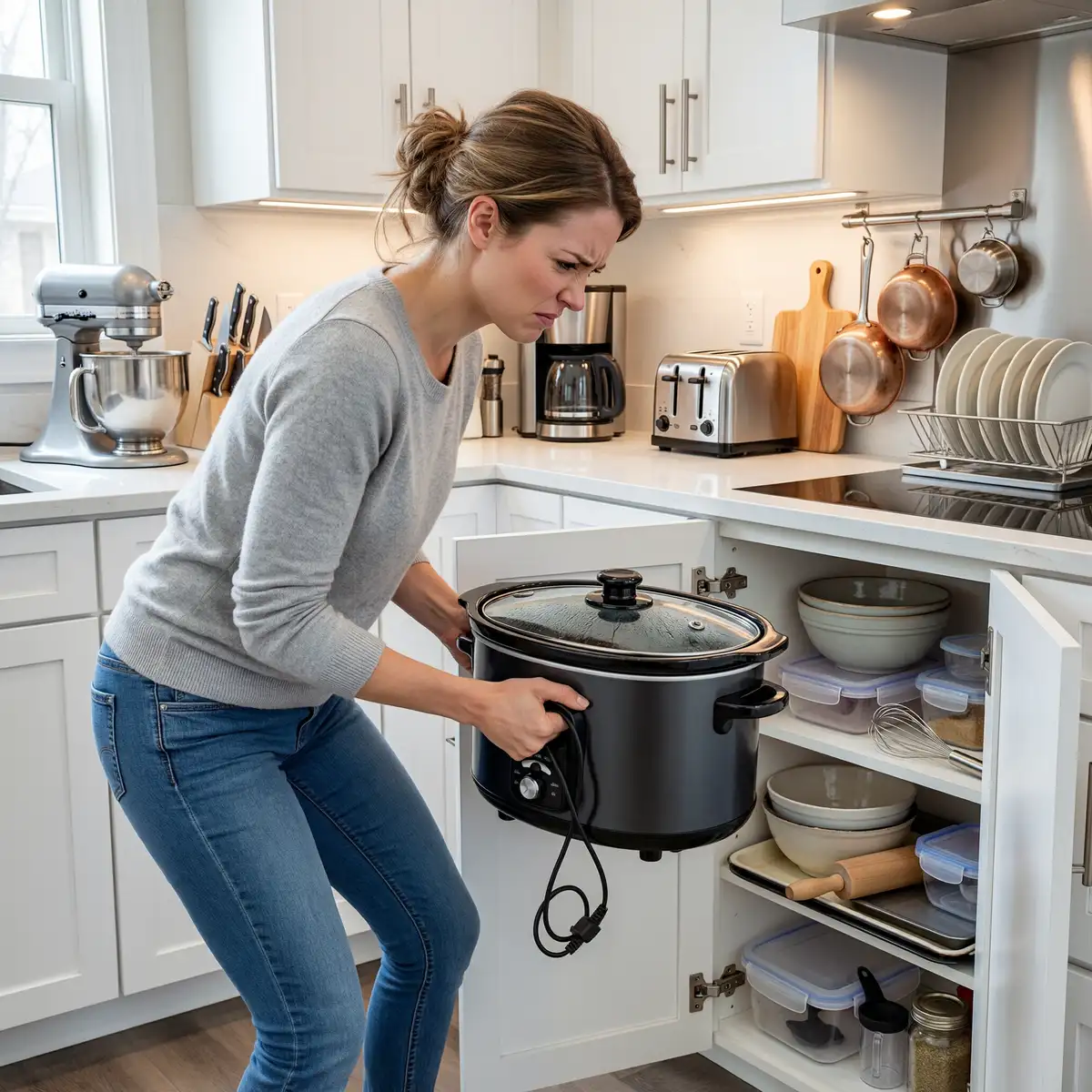
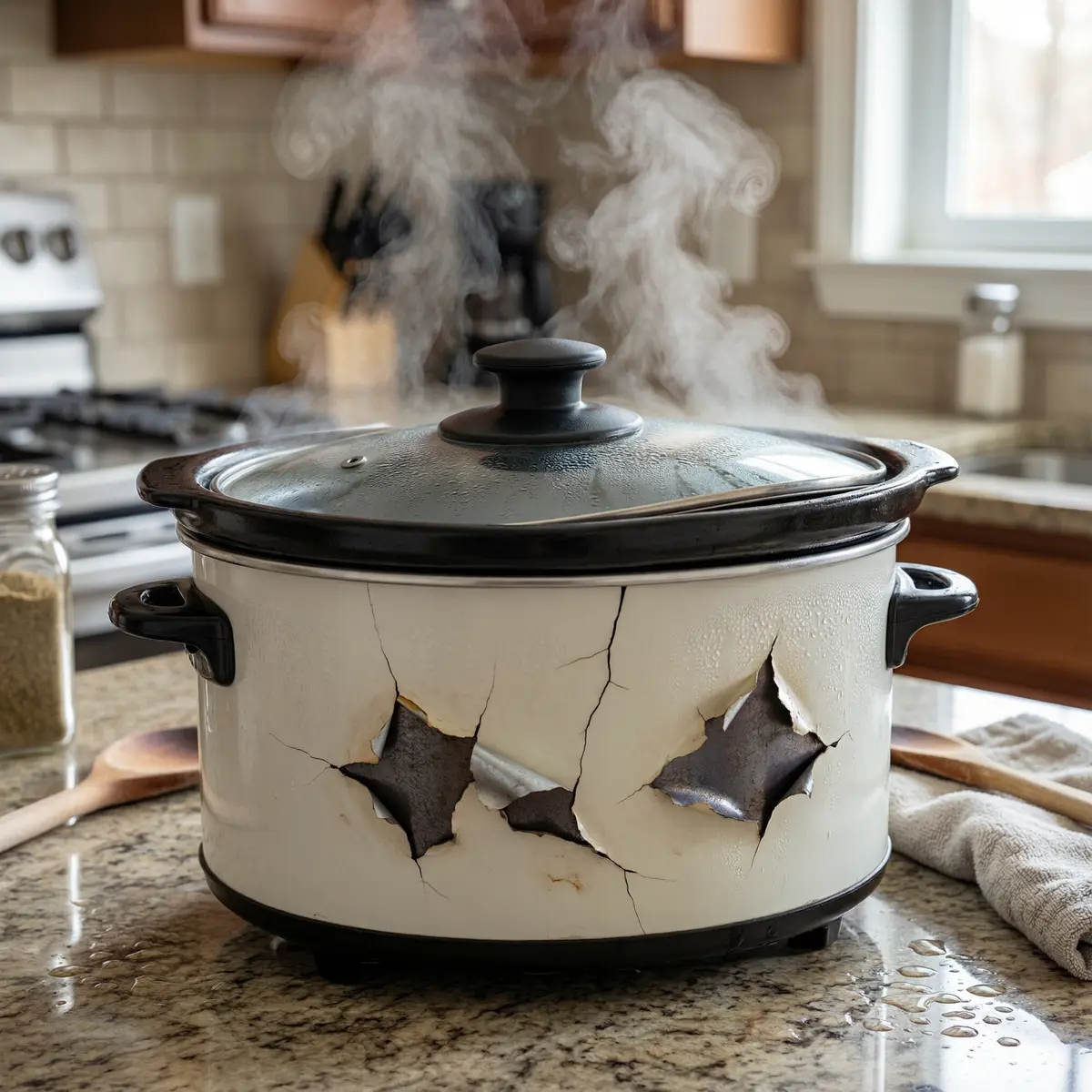
In modern kitchens, slow cookers have become an indispensable cooking tool for many families. However, issues with structural component defects have left many consumers disappointed and frustrated. According to an analysis of 50,665 genuine user reviews, 28% of negative reviews are related to structural component defects. This not only affects the user experience but can also lead to safety hazards. Imagine eagerly purchasing a slow cooker, only to find after a few months that the lid does not seal properly, causing steam to escape, or that the ceramic inner pot has developed cracks, preventing food from heating evenly. Such experiences are not only frustrating but can also erode your confidence in the entire brand.
Why Do Structural Component Defects Occur? — A Deep Dive into the Root Causes
Material Science Perspective
- Low Thermal Shock Resistance Testing Standards for Ceramic Inner Pots: Ceramic inner pots are prone to cracking during repeated heating and cooling. If they do not meet high standards for thermal shock resistance testing, these cracks will be more pronounced.
- Poor Adhesion of Non-Stick Coatings: The adhesion of non-stick coatings directly affects their lifespan. If the coating has poor adhesion, it will peel off after a few uses, affecting both aesthetics and potentially posing health risks.
- Improper Selection of Materials for Sealing Rings: Sealing rings are crucial for ensuring the pot is airtight. If the material is poorly chosen, the sealing ring will age and deform quickly, and may even absorb food odors, impacting the user experience.
- Insufficient Tolerance Matching Precision Between Lid and Body: The matching precision between the lid and the pot body determines the pot’s seal. If the tolerance matching precision is insufficient, the lid will not fit tightly, leading to steam leakage.
- Substandard Heat and Impact Resistance of Plastic Handles: Plastic handles can soften or deform at high temperatures and may break even under minor impacts, affecting safety.
Manufacturing Process Perspective
- Lax Quality Control During Production: Some manufacturers may cut corners by skipping critical quality control steps during production to reduce costs, resulting in defective products.
- Poor Design: Some slow cookers have inherent design flaws, such as a lid that does not fit tightly with the pot body, or handles that are not securely attached.
User Habits Perspective
- Improper Use: Certain improper operations by users, such as frequent dry heating or excessive cleaning, can also accelerate the aging and damage of structural components.
Typical User Scenario
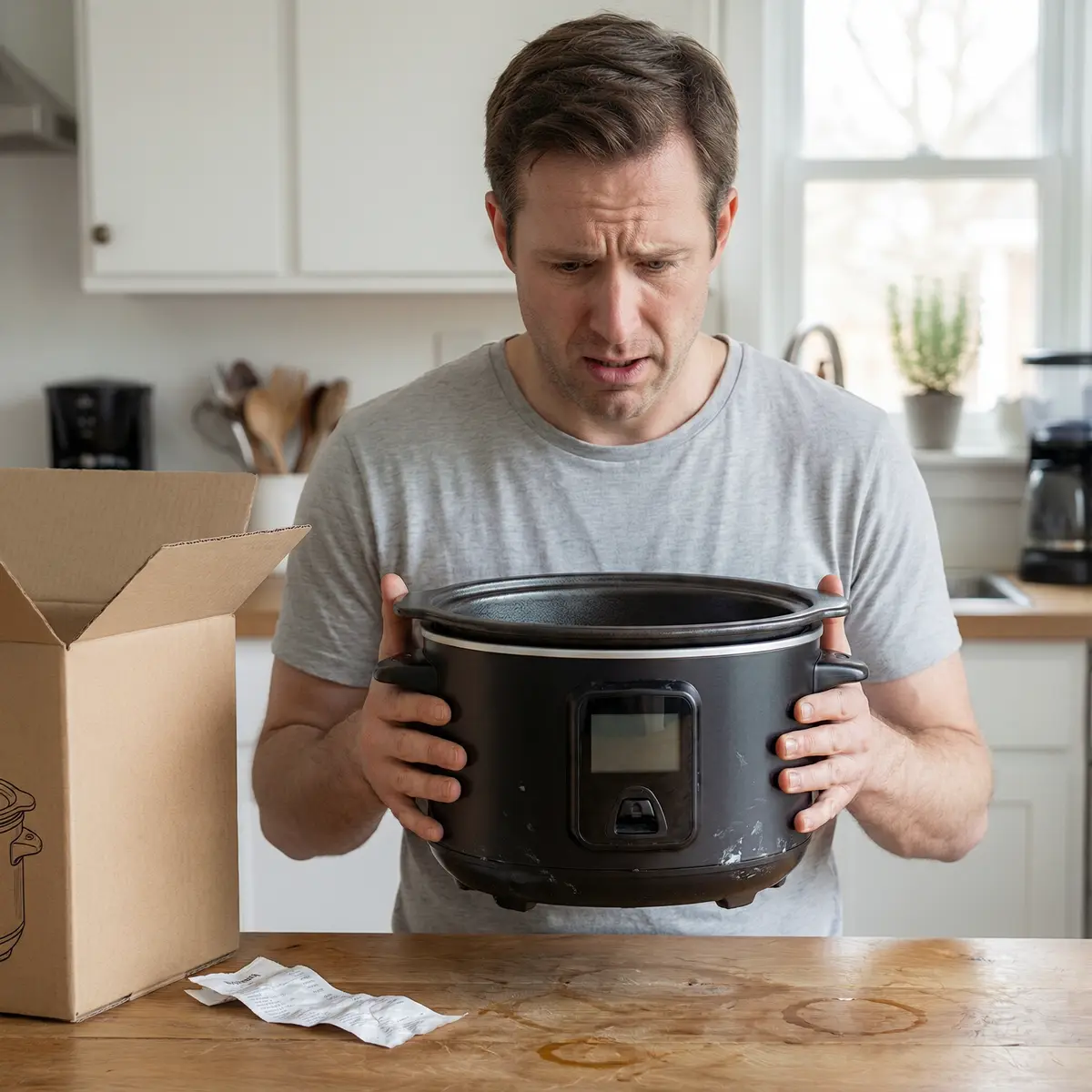
A user purchased a slow cooker and was initially very satisfied. However, after a few months of use, she found that the lid did not seal properly, causing steam to escape and the food to heat unevenly. Additionally, the ceramic inner pot developed fine cracks. Despite contacting customer service, the issue was not resolved, and she ultimately had to return the product. This example vividly illustrates the frustration caused by structural component defects.
Comparison of “Structural Component Defects” in Different Materials
| Material | Advantages | Limitations |
|---|---|---|
| Ceramic Inner Pot | Good insulation and corrosion resistance | Poor thermal shock resistance, prone to cracking |
| Stainless Steel Inner Pot | High strength, corrosion-resistant, easy to clean | Inferior heat conduction compared to ceramic, higher cost |
| Aluminum Inner Pot | Good heat conduction, lightweight | Prone to scratching, poor corrosion resistance |
| Non-Stick Coating | Easy to clean, good non-stick performance | Poor adhesion, prone to peeling |
| Silicone Sealing Ring | Heat-resistant, durable | Absorbs odors, requires regular replacement |
| Rubber Sealing Ring | Good elasticity, strong seal | Prone to aging, poor oil resistance |
| Metal Lid | Durable | Heavy, conducts heat quickly |
| Glass Lid | Transparent, easy to observe | Fragile, heavy |
How to Avoid Structural Component Defects? — A Guide to Purchasing and Usage
Key Indicators and Parameters to Consider When Purchasing
- Inner Pot Material: Prefer ceramic inner pots with good thermal shock resistance or high-strength stainless steel inner pots.
- Non-Stick Coating: Choose well-known brands to ensure strong adhesion and durability.
- Sealing Ring: Opt for heat-resistant and durable silicone sealing rings over rubber ones.
- Lid and Body Matching Precision: Check if the lid fits tightly with the pot body to prevent leaks.
- Handle Material: Select handles made of heat-resistant and impact-resistant plastic or metal.
Design and Manufacturing Details Worth Spending Extra On
- High-Quality Ceramic Inner Pot: Although more expensive, it offers better thermal shock resistance and longer lifespan.
- Premium Non-Stick Coating: Strong adhesion, less likely to peel, providing peace of mind.
- Precision Manufacturing: High-precision lid and pot body matching to ensure a good seal.
- Durable Handles: Heat-resistant and impact-resistant handles to enhance safety.
Proper Usage and Maintenance
- Avoid Dry Heating: Do not heat the pot without water for extended periods.
- Gentle Cleaning: Use a soft cloth and mild detergent to clean the inner pot, avoiding hard brushes or steel wool.
- Regular Sealing Ring Replacement: Replace the sealing ring every six months to one year to maintain its sealing performance.
- Avoid Severe Impacts: Use the pot carefully to avoid severe impacts, especially on plastic handles.
Common Misconceptions to Correct
- Misconception One: Higher price always means better quality. In reality, high prices do not necessarily guarantee quality; consider factors like material and manufacturing processes.
- Misconception Two: Neglecting daily maintenance. Proper usage and maintenance can significantly extend the lifespan of a slow cooker.
- Misconception Three: Focusing only on appearance and ignoring internal structure. While a nice appearance is important, the rationality and durability of the internal structure are key.
Lessons from Real Users on Avoiding Pitfalls
Lesson One
- User Review: “Doesn’t heat up Wanted to love it. It barely heats up. Even on high after 5 hours it’s lukewarm. Not working. Nothings cooking. So disappointing”
- Lesson Summary: Before purchasing, carefully check the product’s heating performance reviews to ensure it meets your cooking needs.
Lesson Two
- User Review: “I would look at different brands. You would think when you spend this much for luxury brand crock pot, it would be perfect, right? Well. As soon as I opened it and set it up, you could see the lid would not seal on the crock. It rocked. Not just a little. A LOT. So I contacted customer service a”
- Lesson Summary: Check if the lid fits tightly with the pot body to avoid buying products with poor sealing. Also, choose brands with good customer service to get timely support if issues arise.
Lesson Three
- User Review: “These hold odor eventhough the listing claims they DO NOT! The listing is false when it claims “No more retained odors”,,,,,,,These gaskets do in fact hold odors from whatever you cooked previously!”
- Lesson Summary: Choose sealing rings made of materials that are resistant to aging and oil, to avoid retaining odors. Regularly replacing the sealing ring is also necessary.
Through these real user cases and lessons, we hope you can learn from others’ failures and avoid similar frustrations. Choosing a high-quality, durable slow cooker not only enhances your cooking experience but also ensures food safety.
Related Deep Analysis in This Category
- Electronic Failures — 20% of complaints relate to this
- Heating Issues — 38% of complaints relate to this
- Lid and Seal Problems — 25% of complaints relate to this
- Poor Quality Control & Short Service Life — 35% of complaints relate to this
- Product Durability — 35% of complaints relate to this
- Safety Hazards — 18% of complaints relate to this
- Size and Design Issues — 15% of complaints relate to this
- Abnormal Temperature Control — 45% of complaints relate to this