Product Durability in Slow Cooker: What 50,665 Reviews Reveal
Product Durability: The “Silent Killer” in the Slow Cooker Industry
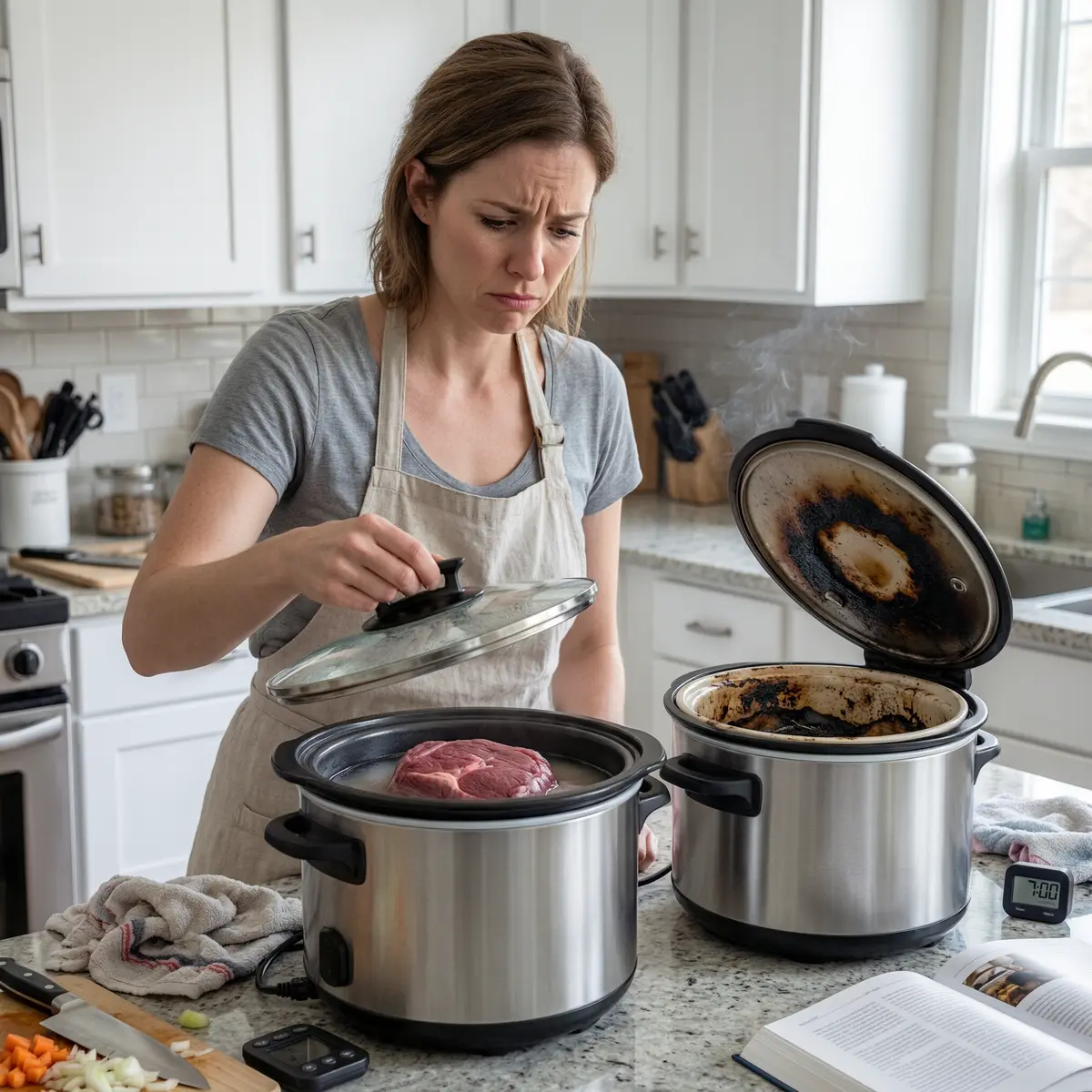
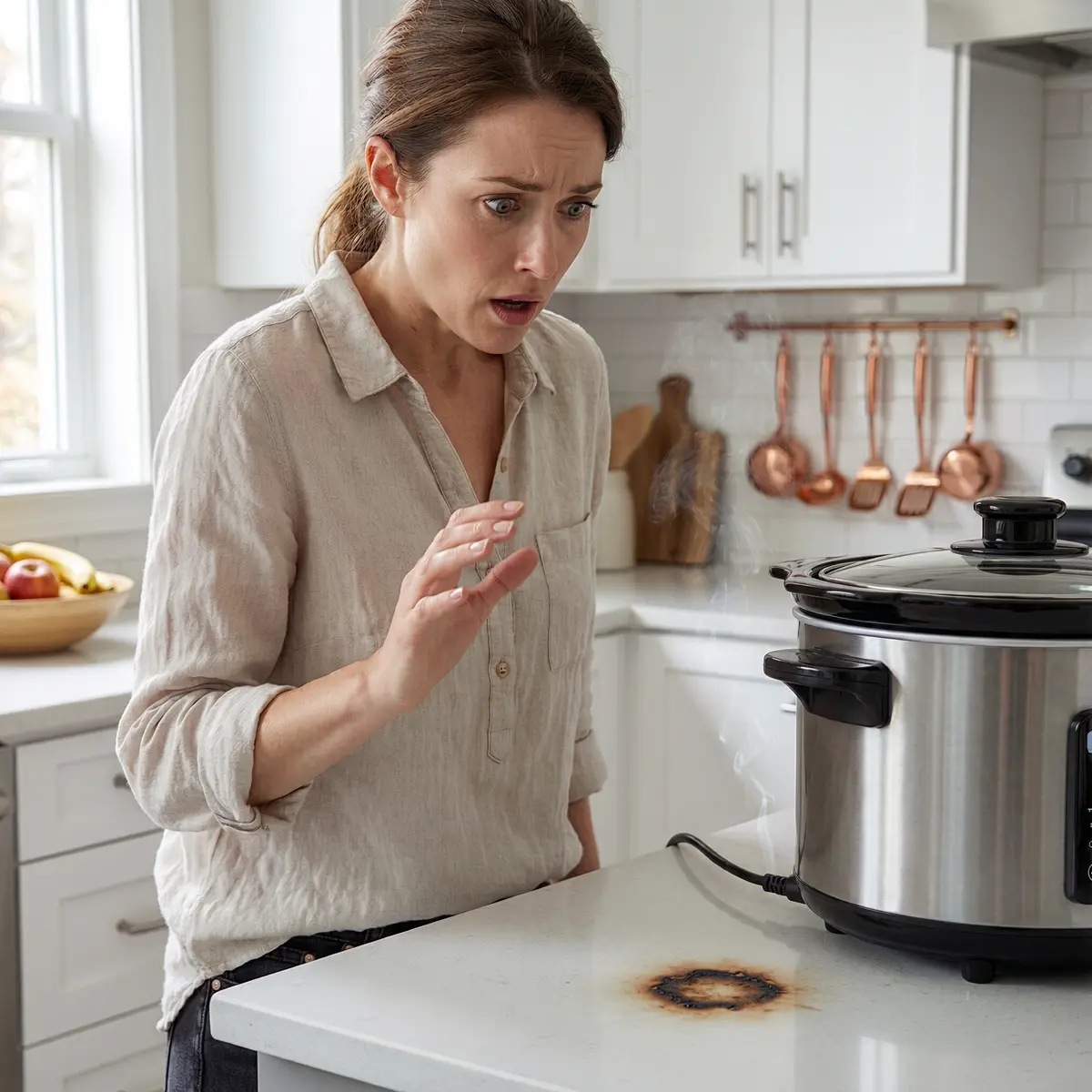
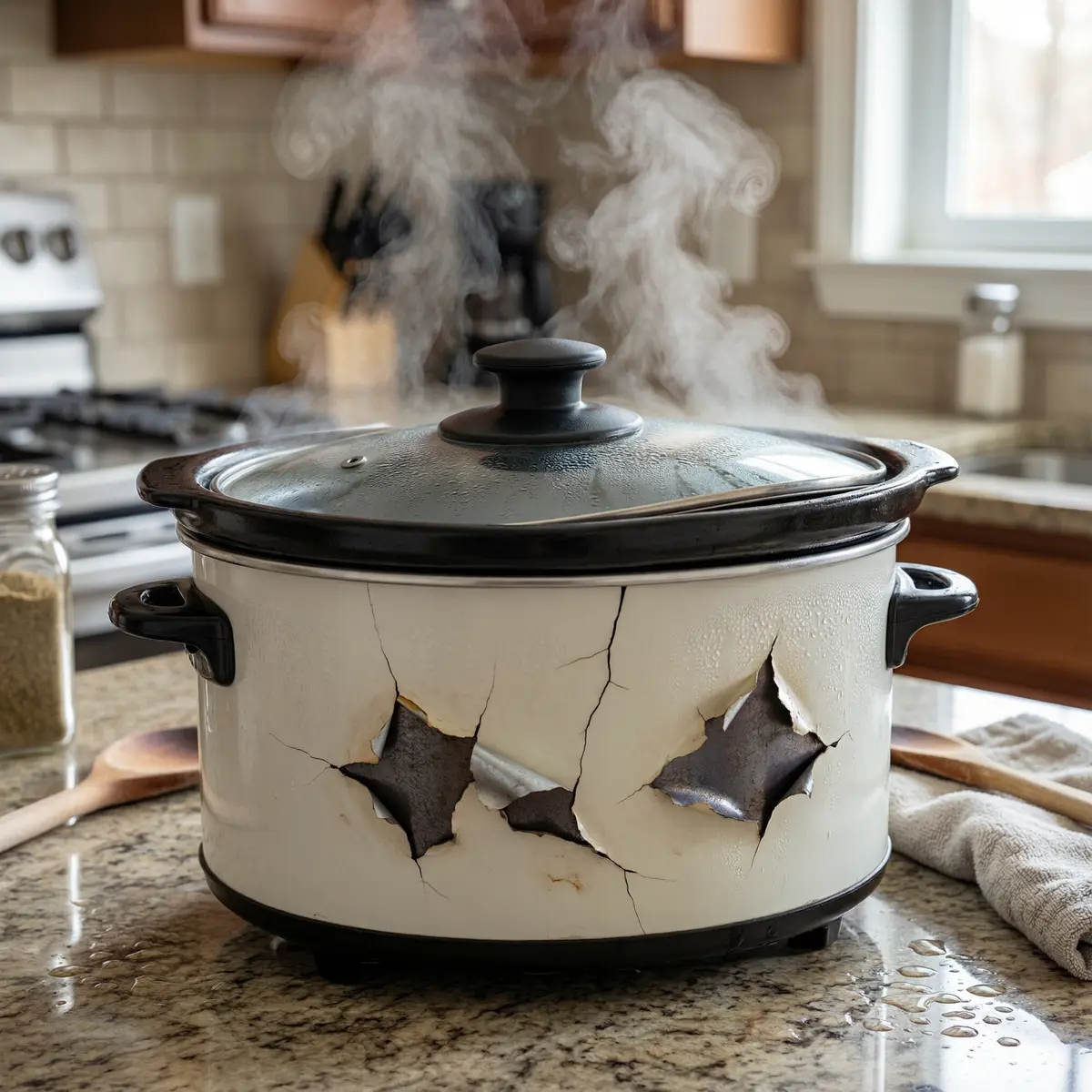
In modern kitchens, slow cookers have become an indispensable cooking tool for many families. However, as usage time increases, many consumers find that their slow cookers develop various durability issues, such as peeling inner pots, cracked exteriors, and uneven heating. According to our analysis of 50,665 real user reviews, 35% of negative reviews are related to product durability issues. This not only affects the user’s cooking experience but also increases unnecessary replacement costs.
Imagine you eagerly purchase a high-end slow cooker, hoping it will be a reliable assistant in your kitchen. However, after a few months, you notice that the inner pot is starting to peel and even crack. Every time you use it, you worry about food contamination, and eventually, you have to give up on this once-appealing product. Such experiences leave many consumers feeling disappointed and regretful.
Why Product Durability? – Unpacking the Root Causes
Materials Science: Durability of Inner Pot Coatings and Exterior Materials
Inner Pot Coatings: Slow cooker inner pots typically use ceramic or non-stick coatings. Ceramic coatings are heat-resistant and less likely to peel, but they are more expensive; non-stick coatings, on the other hand, can be damaged by high temperatures or improper cleaning. For example, one user commented, “These hold odor even though the listing claims they DO NOT! The listing is false when it claims ‘No more retained odors’.” This indicates that non-stick coatings may absorb food odors over time, leading to lingering smells.
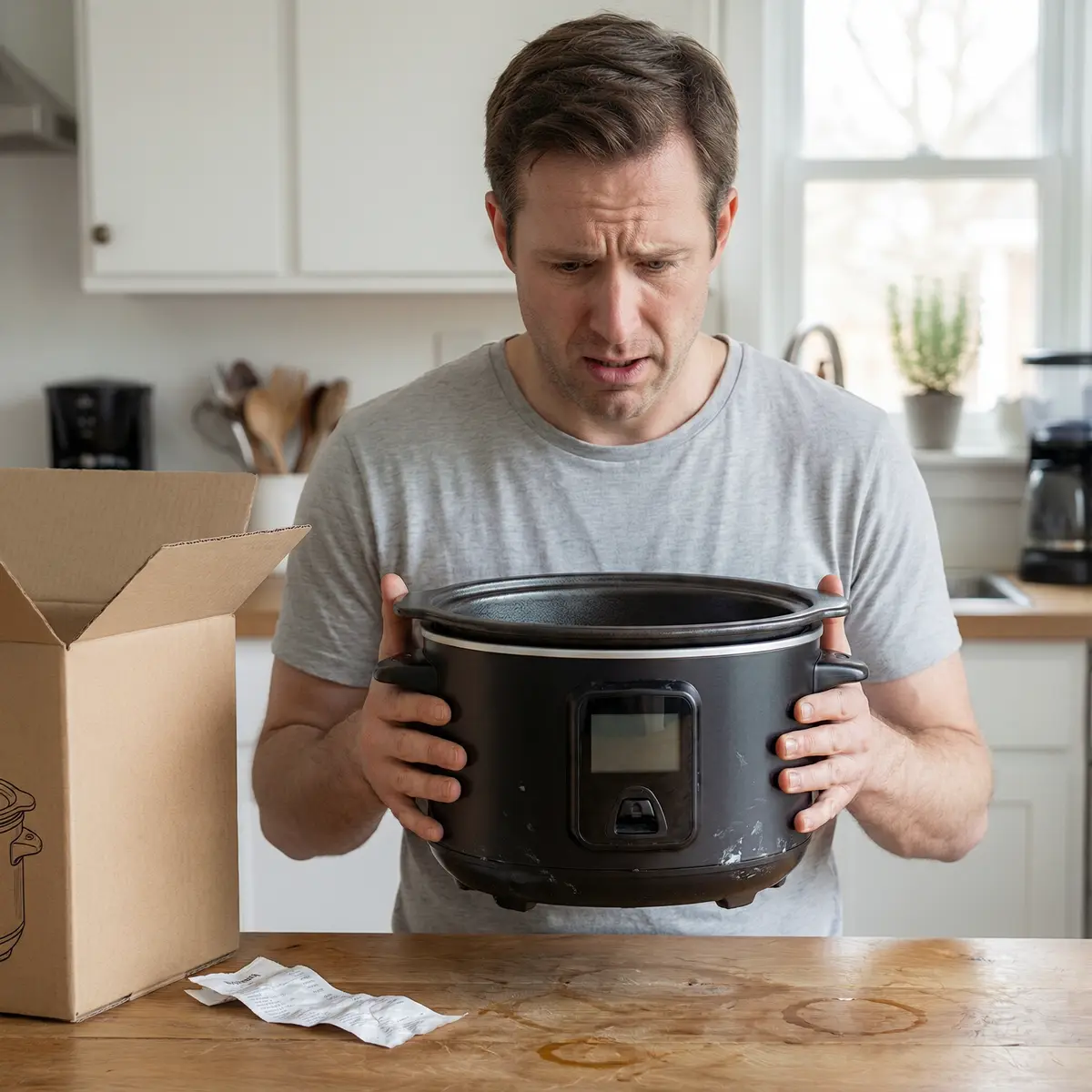
Exterior Materials: Exterior materials are usually plastic or metal. Plastic exteriors are lightweight but prone to aging, especially in high-temperature environments; metal exteriors are durable but heavier and may deform due to temperature changes. One user mentioned, “Very disappointed I loved this crockpot until the digital quit and I can no longer program anything or use it. I’m so disappointed that it just stop working and went blank, no lights, no way to know if it’s on or off nothing.” This situation could be due to the aging of exterior materials or failure of electronic components.
Manufacturing: Quality Control in the Production Process
Quality Control: Quality control is crucial in the manufacturing process of slow cookers. Some brands may skip certain quality inspection steps to reduce costs, leading to defective products. For example, one user commented, “I would look at different brands. You would think when you spend this much for luxury brand crock pot, it would be perfect, right? Well. As soon as I opened it and set it up, you could see the lid would not seal on the crock. It rocked. Not just a little. A LOT.” This situation highlights inadequate quality control in the manufacturing process.
Usage Habits: The Impact of Cleaning and Maintenance Methods
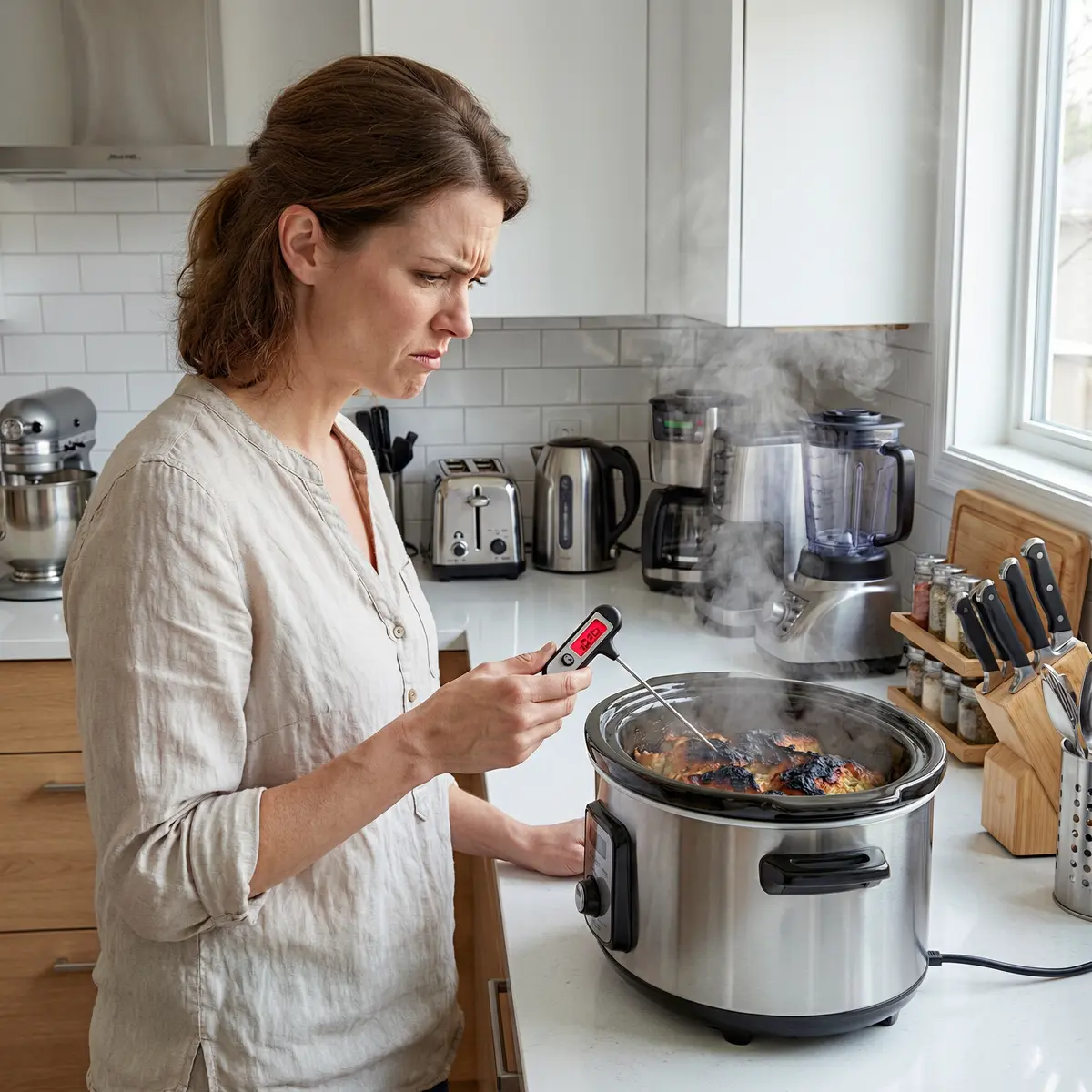
Cleaning and Maintenance: Improper cleaning and maintenance methods can significantly affect the lifespan of a slow cooker. For example, using hard brushes or steel wool to clean the inner pot can damage the coating, while prolonged disuse or improper storage can accelerate the aging of the exterior. One user mentioned, “Doesn’t heat up Wanted to love it. It barely heats up. Even on high after 5 hours it’s lukewarm. Not working. Nothings cooking. So disappointing” This situation could be due to long-term improper use leading to damaged heating elements.
Comparison of “Product Durability” Performance with Different Materials
| Material | Advantages | Limitations |
|---|---|---|
| Ceramic Inner Pot | Heat-resistant, less likely to peel, non-toxic | Higher cost, heavier weight |
| Non-stick Coating Inner Pot | Easy to clean, moderate price | Susceptible to high temperatures and improper cleaning |
| Plastic Exterior | Lightweight, low cost | Prone to aging, poor heat resistance |
| Metal Exterior | Durable, heat-resistant | Heavier, prone to deformation |
Good materials should have the following characteristics:
- Heat Resistance: Can maintain stability under prolonged high temperatures.
- Peel Resistance: Coatings or surface materials do not easily flake off, ensuring food safety.
- Easy to Clean: Smooth surface, easy to clean, does not easily trap food residue.
- Aging Resistance: Does not age easily over long-term use, extending the product’s lifespan.
How to Avoid Product Durability Issues? – Selection and Usage Guide
Key Indicators and Parameters to Consider When Selecting
- Inner Pot Material: Choose ceramic or high-quality non-stick coating inner pots, avoiding low-cost, low-quality coatings.
- Exterior Material: Prioritize metal exteriors, especially stainless steel, to enhance durability.
- Heating Element: Select products with high-quality heating elements to ensure even heating.
- Quality Certification: Check if the product has relevant quality certification marks, such as ISO, CE, etc.
Design and Craftsmanship Details Worth Spending Extra On
- Multiple Safety Protections: Features like overheat protection and anti-dry burning can effectively extend the product’s lifespan.
- Sealing Performance: Good sealing performance can prevent steam from escaping, maintaining the texture and nutrition of the food.
- Easy-to-Clean Design: The design of the inner pot and exterior should facilitate cleaning and reduce bacterial growth.
Correct Usage and Maintenance Methods
- Cleaning: Use soft cloths or sponges to clean the inner pot, avoiding hard brushes or steel wool.
- Storage: After use, thoroughly clean and dry the product, and store it in a well-ventilated, dry place.
- Regular Inspection: Regularly check the heating elements and power cords to ensure there is no damage.
Common Misconceptions to Correct
- Misconception 1: Believing that higher-priced products are always more durable. In reality, high prices do not necessarily mean high quality; consider material, craftsmanship, and user reviews when selecting.
- Misconception 2: Neglecting the importance of cleaning and maintenance. Proper cleaning and maintenance methods can significantly extend the product’s lifespan.
Lessons from Real Users to Avoid Pitfalls
-
Lesson 1: “Doesn’t heat up Wanted to love it. It barely heats up. Even on high after 5 hours it’s lukewarm. Not working. Nothings cooking. So disappointing”
- Summary: Choose products with efficient heating elements and regularly check their operational status to ensure proper heating function.
-
Lesson 2: “I would look at different brands. You would think when you spend this much for luxury brand crock pot, it would be perfect, right? Well. As soon as I opened it and set it up, you could see the lid would not seal on the crock. It rocked. Not just a little. A LOT.”
- Summary: Carefully check the product’s sealing performance before purchasing to ensure the lid fits tightly and prevents steam from escaping.
-
Lesson 3: “These hold odor even though the listing claims they DO NOT! The listing is false when it claims ‘No more retained odors’”
- Summary: Choose inner pots with good coatings to avoid materials that easily absorb odors. Regularly clean the inner pot to remove residual food odors.
-
Lesson 4: “Very disappointed I loved this crockpot until the digital quit and I can no longer program anything or use it. I’m so disappointed that it just stop working and went blank, no lights, no way to know if it’s on or off nothing.”
- Summary: Choose products with reliable electronic components and regularly check their operational status. If issues arise, contact customer service promptly for repairs or replacements.
Through the above analysis and suggestions, we hope to help you make wiser choices when selecting and using a slow cooker, thereby extending the product’s lifespan and enjoying a more pleasant cooking experience.
Related Deep Analysis in This Category
- Electronic Failures — 20% of complaints relate to this
- Heating Issues — 38% of complaints relate to this
- Lid and Seal Problems — 25% of complaints relate to this
- Poor Quality Control & Short Service Life — 35% of complaints relate to this
- Safety Hazards — 18% of complaints relate to this
- Size and Design Issues — 15% of complaints relate to this
- Structural & Accessory Defects — 28% of complaints relate to this
- Abnormal Temperature Control — 45% of complaints relate to this