Abnormal Temperature Control in Slow Cooker: What 50,665 Reviews Reveal
Temperature Control Issues: The “Invisible Killer” of the Slow Cooker Industry
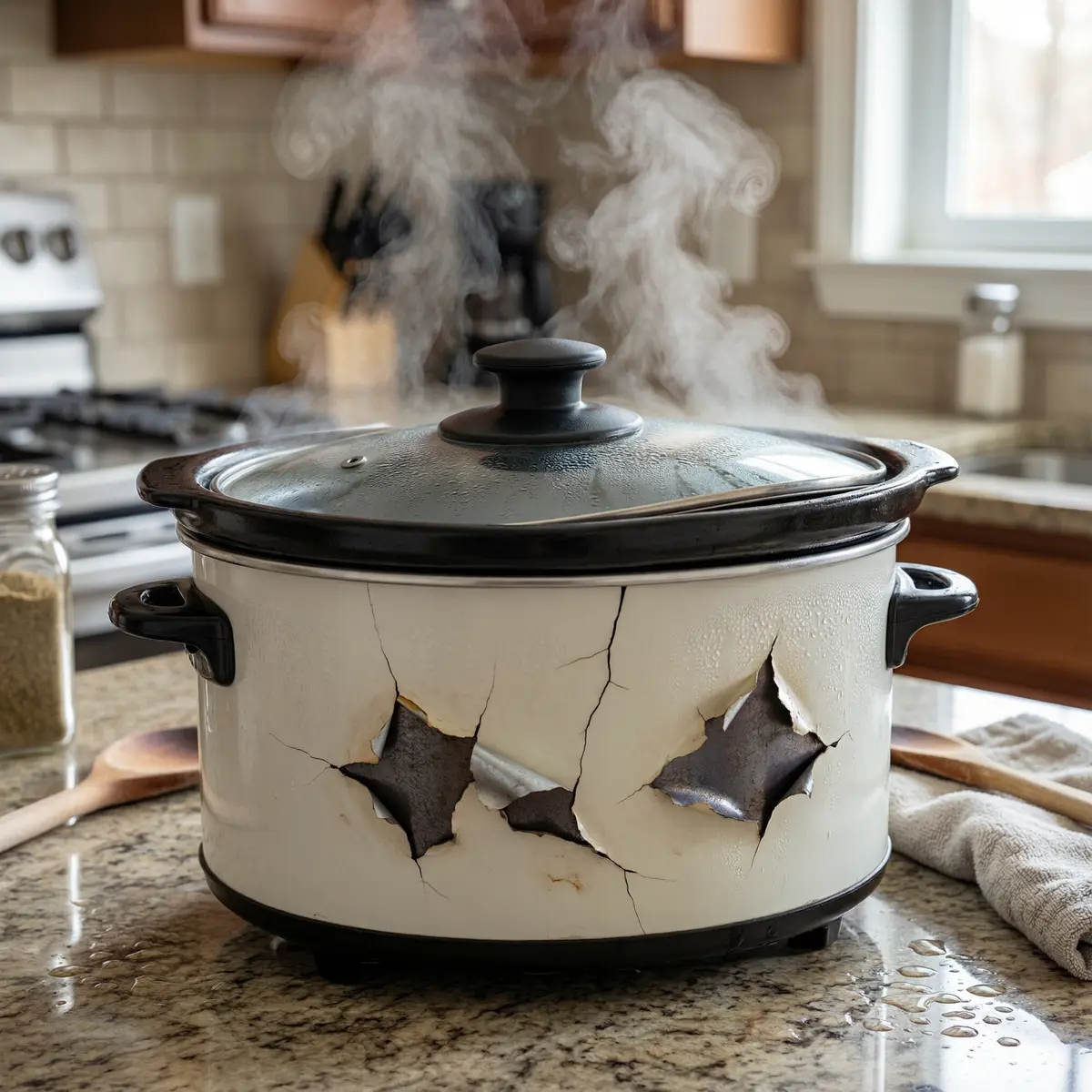
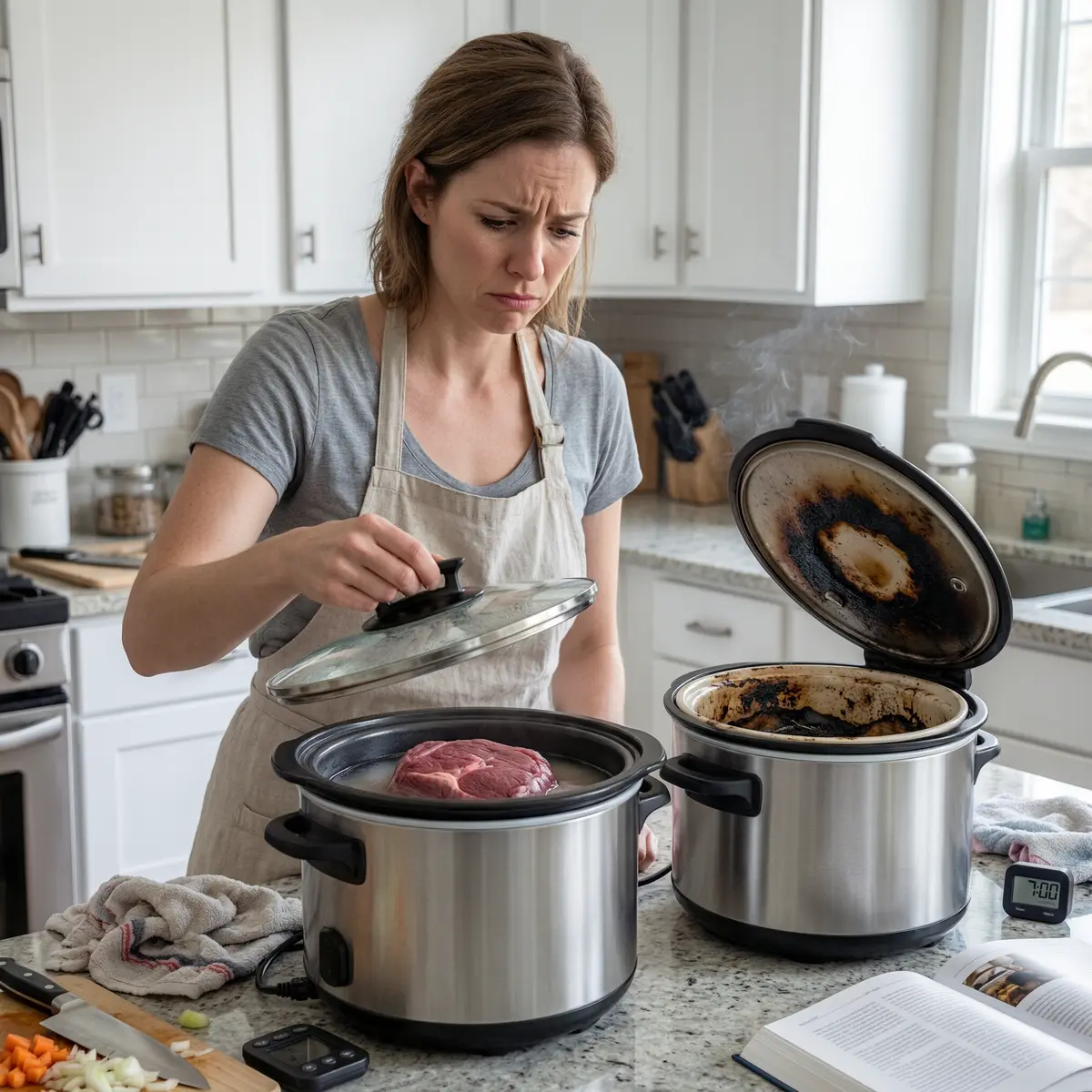
In modern kitchens, slow cookers have gained popularity among countless households due to their convenience and versatility. However, a common issue—temperature control anomalies—has left many consumers feeling disappointed and frustrated. An analysis of 50,665 genuine user reviews found that 45% of negative reviews were related to temperature control issues. This not only affects the cooking experience but also poses food safety risks. Imagine buying a slow cooker with high expectations, only to find out after a few months that it fails to heat food properly, or even burns food on low settings. The disappointment is understandable.
Why Do Temperature Control Issues Occur? — A Deep Dive into the Root Causes
From a Materials Science Perspective
The heating elements in slow cookers typically use resistance wires or ceramic heating elements. While resistance wires are cheaper, they have poorer power stability, leading to temperature fluctuations. Ceramic heating elements, on the other hand, offer better thermal stability but are more expensive and require more precise manufacturing. Additionally, improper selection and power matching of heating element materials are significant causes of temperature control issues. For example, some lower-end products use underpowered heating elements to cut costs, resulting in poor heating efficiency.
Case Analysis:
- “Doesn’t heat up Wanted to love it. It barely heats up. Even on high after 5 hours it’s lukewarm. Not working. Nothings cooking. So disappointing” This review highlights the problem of insufficient heating element power, causing the food to fail to reach the desired cooking temperature even on high settings.
From a Manufacturing Process Perspective
Temperature sensors are one of the core components of a slow cooker, responsible for monitoring and controlling the pot’s temperature. However, some products have flawed calibration processes for these sensors, leading to inaccurate readings. Moreover, a lack of strict temperature control accuracy testing standards before products hit the market allows substandard items to be sold.
Case Analysis:
- “Very disappointed I loved this crockpot until the digital quit and I can no longer program anything or use it. I’m so disappointed that it just stop working and went blank, no lights, no way to know if it’s on or off nothing. Plus it happened conveniently when the warranty was up.” This review reveals the issue of temperature sensor failure, making the slow cooker unusable for the consumer.
From a User Habit Perspective
Inadequate adaptation of temperature control algorithms to different usage scenarios is another cause of temperature control issues. For instance, some slow cookers still overcook food on low settings while providing inadequate heating on high settings. Additionally, improper user operations, such as frequently opening and closing the lid or placing the cooker in an incorrect position, can also affect temperature control performance.
Case Analysis:
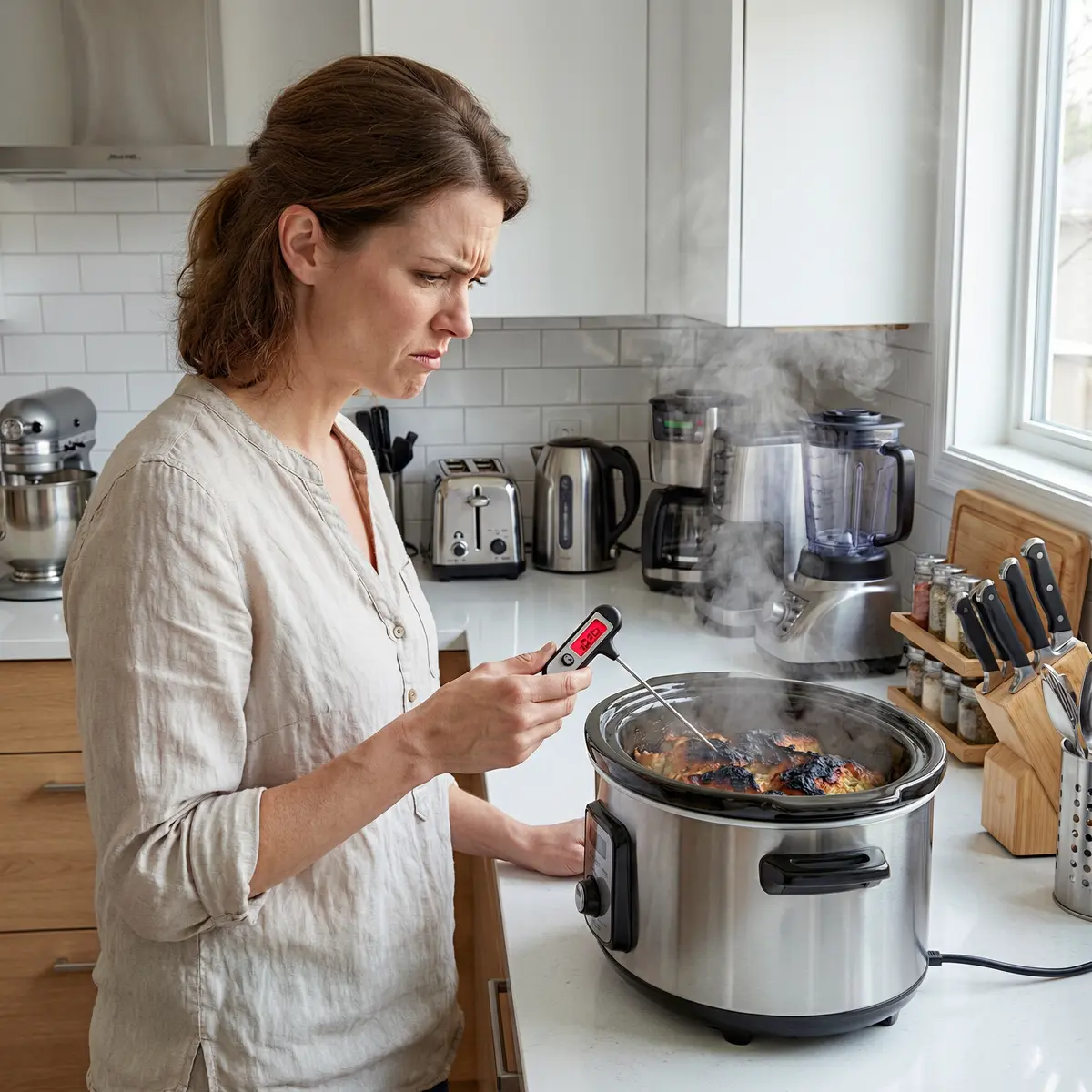
- “Cooks hot While some bad reviews have said it doesn’t cook very hot or takes a very long time to reach a hot temperature, we’ve had the opposite experience. It cooks extremely hot, and the low setting makes soups boil. The outside of the crock pot gets so hot you can’t touch it or risk really burning” This review indicates that some slow cookers overheat on low settings, causing food to burn.
Comparison of Temperature Control Issues with Different Materials
| Material | Advantages | Limitations | User Reviews |
|---|---|---|---|
| Resistance Wire | Low cost | Poor power stability | “Doesn’t heat up” |
| Ceramic Heating Element | Good thermal stability | High cost | “Great, relatively light weight, versatile slow cooker!” |
Resistance Wire:
- Advantages: Low cost, easy to replace.
- Limitations: Poor power stability, prone to temperature fluctuations.
- User Review: “Doesn’t heat up Wanted to love it. It barely heats up. Even on high after 5 hours it’s lukewarm. Not working. Nothings cooking. So disappointing”
Ceramic Heating Element:
- Advantages: Good thermal stability, long lifespan.
- Limitations: High cost, requires precise manufacturing.
- User Review: “Great, relatively light weight, versatile slow cooker! Absolutely amazing slow cooker! This replaced a HB slow cooker I had for about 6 years. This model 33480 has all the bells and whistles the older”
How to Avoid Temperature Control Issues? — A Guide to Selection and Usage
Key Indicators and Parameters to Consider When Purchasing
- Heating Element Material: Prefer ceramic heating elements for better thermal stability.
- Power: Ensure the heating element has sufficient power to meet various cooking needs.
- Temperature Sensor: Choose products with high-precision temperature sensors for accurate temperature control.
- Temperature Control Accuracy: Check if the product has passed strict temperature control accuracy tests to ensure reliable quality.
Design and Process Details Worth the Extra Cost
- Double-Layer Insulation Design: Effectively reduces heat loss and improves temperature control accuracy.
- Intelligent Temperature Control System: Features automatic temperature adjustment to adapt to different cooking scenarios.
- Multiple Safety Protections: Such as overheat protection and dry-burn protection, ensuring safe use.
Correct Usage and Maintenance Methods
- Placement: Place the slow cooker on a flat, stable surface away from water sources.
- Avoid Frequent Lid Opening: Frequent opening of the lid can lead to heat loss, affecting temperature control.
- Regular Cleaning: Clean the inner pot and outer shell promptly after use to maintain good hygiene.
- Avoid Dry Burning: Do not turn on the slow cooker without food, as this can damage the heating element.
Common Misconceptions to Avoid
- Misconception 1: Believing that higher power is always better. In reality, power should match the pot’s capacity; too much or too little can affect temperature control.
- Misconception 2: Ignoring the importance of temperature sensors. The precision of the temperature sensor directly impacts temperature control, so choosing a high-precision product is more reliable.
Lessons from Real Users to Avoid Pitfalls
Lesson One
- User Review: “Doesn’t heat up Wanted to love it. It barely heats up. Even on high after 5 hours it’s lukewarm. Not working. Nothings cooking. So disappointing”
- Lesson Learned: Choose a product with sufficient heating element power to ensure effective heating on high settings.
Lesson Two
- User Review: “Very disappointed I loved this crockpot until the digital quit and I can no longer program anything or use it. I’m so disappointed that it just stop working and went blank, no lights, no way to know if it’s on or off nothing. Plus it happened conveniently when the warranty was up.”
- Lesson Learned: Select a product with a high-precision temperature sensor and ensure it has passed strict temperature control accuracy tests to avoid sensor failures.
Lesson Three
- User Review: “Cooks hot While some bad reviews have said it doesn’t cook very hot or takes a very long time to reach a hot temperature, we’ve had the opposite experience. It cooks extremely hot, and the low setting makes soups boil. The outside of the crock pot gets so hot you can’t touch it or risk really burning”
- Lesson Learned: Choose a slow cooker with an intelligent temperature control system to ensure reasonable temperature control at different settings, avoiding overcooked or burned food.
Through these real user stories and lessons, we hope readers can learn from others’ experiences and choose the right slow cooker to enjoy delicious and healthy cooking.
Related Deep Analysis in This Category
- Electronic Failures — 20% of complaints relate to this
- Heating Issues — 38% of complaints relate to this
- Lid and Seal Problems — 25% of complaints relate to this
- Poor Quality Control & Short Service Life — 35% of complaints relate to this
- Product Durability — 35% of complaints relate to this
- Safety Hazards — 18% of complaints relate to this
- Size and Design Issues — 15% of complaints relate to this
- Structural & Accessory Defects — 28% of complaints relate to this