Safety Hazards in Slow Cooker: What 50,665 Reviews Reveal
Safety Hazards: The “Hidden Killer” in the Slow Cooker Industry
In kitchen appliances, slow cookers have gained popularity among many households for their convenience and versatility. However, safety hazards have become a significant pain point that cannot be ignored. According to an analysis of 50,665 genuine user reviews, 18% of negative reviews are related to safety hazards. This not only affects the user experience but also poses a threat to personal safety.
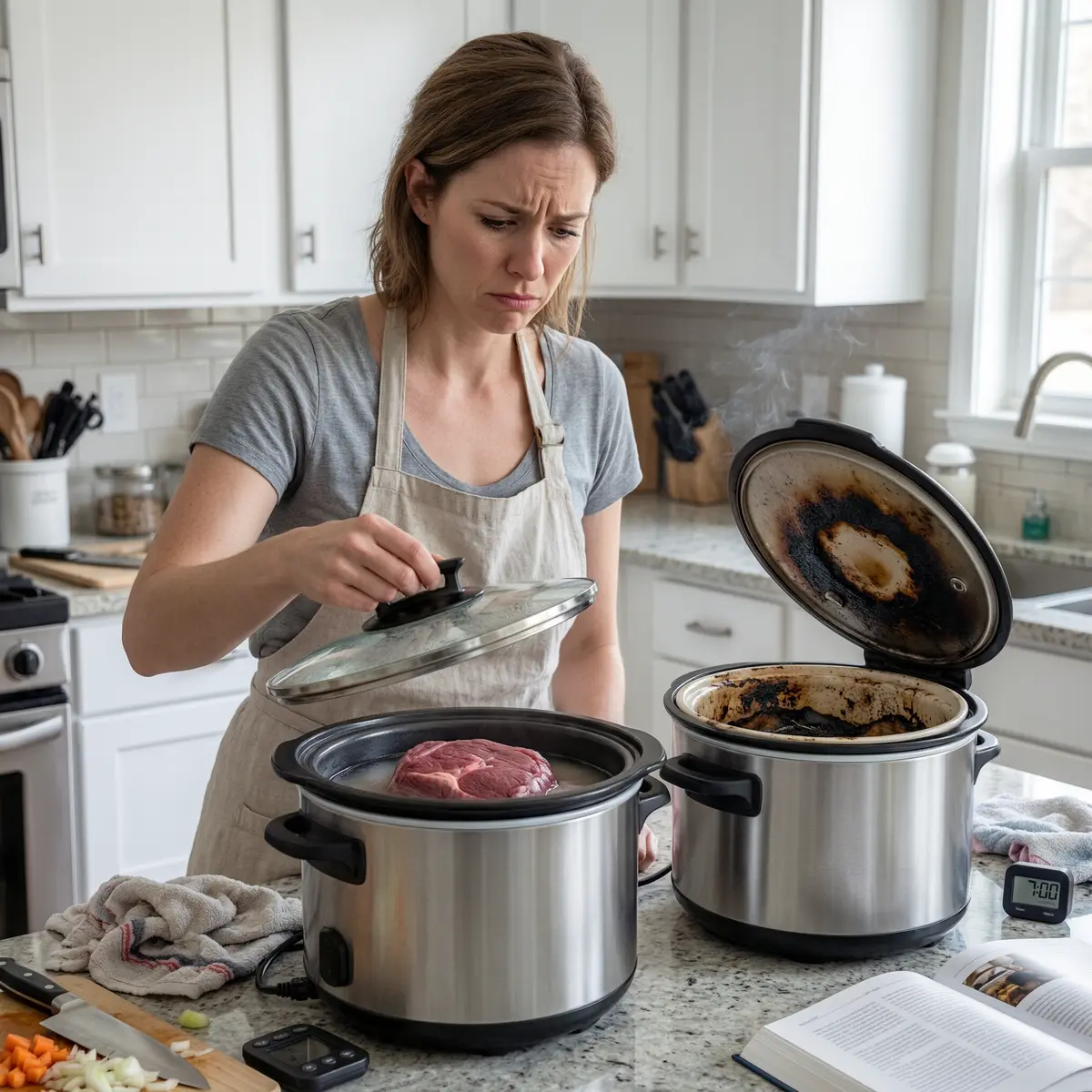
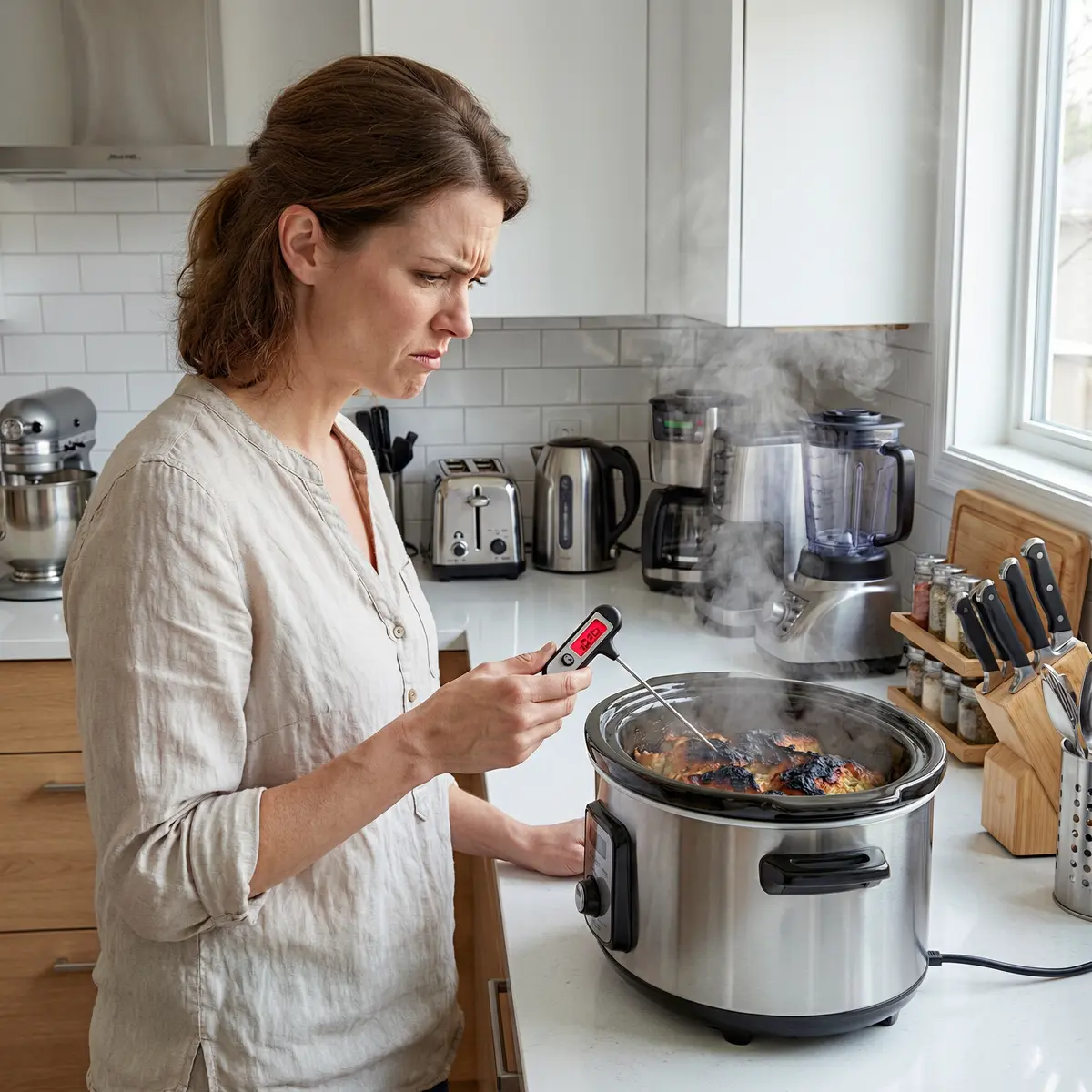
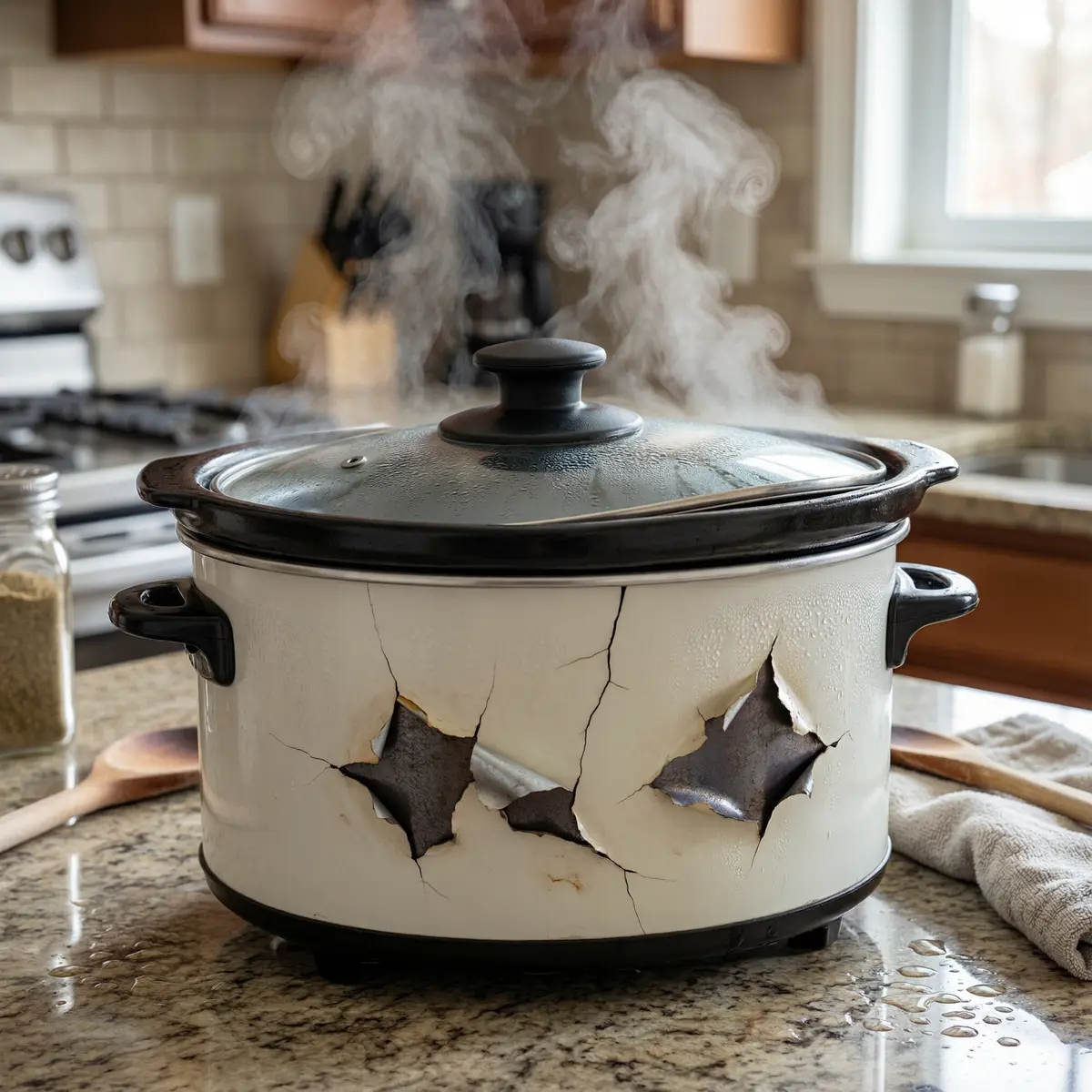
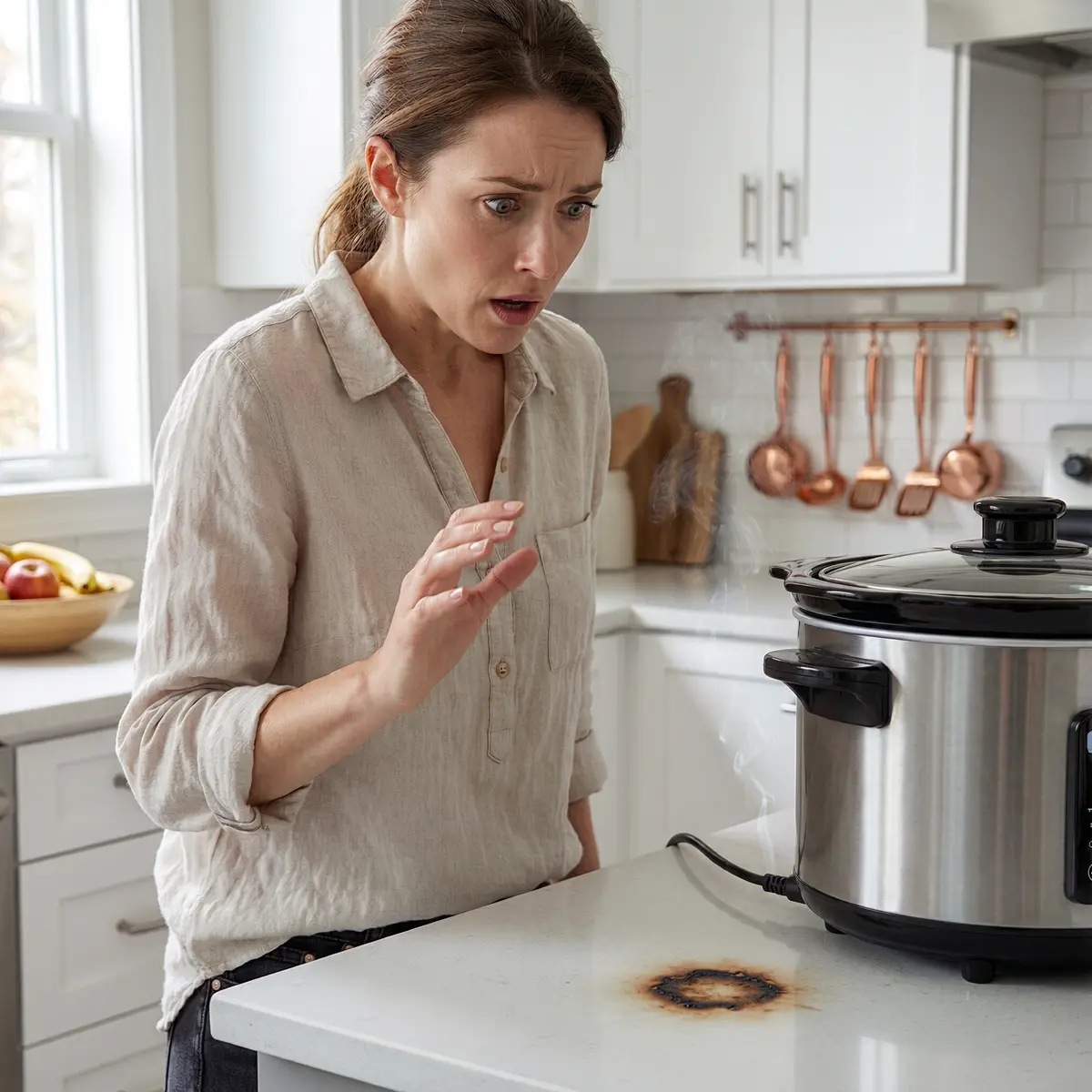
Imagine this scenario: You happily purchase a slow cooker, and after a few months, one day when you’re preparing a delicious dinner, you find that the outer shell of the pot is too hot to touch and even has bubbling. Worse still, there’s a burning smell during the heating process, making you worry about the risk of a fire. At this moment, you realize that you may have bought a product with safety hazards, and it’s too late to regret.
Why Safety Hazards? — A Deep Dive into the Root Causes
From a Materials Science Perspective
The insufficient thickness of the insulating layer on the outer shell of the slow cooker is one of the main reasons for the overheating of the outer shell. An ideal insulating layer should effectively isolate the internal high temperature, preventing the outer shell from becoming too hot. However, some inferior products use thinner or lower-quality insulating materials to reduce costs, leading to the outer shell becoming very hot after prolonged use.
For example, a user feedback: “Cooks hot While some bad reviews have said it doesn’t cook very hot or takes a very long time to reach a hot temperature, we’ve had the opposite experience. It cooks extremely hot, and the low setting makes soups boil. The outside of the crock pot gets so hot you can’t touch it or risk really burning.” This situation is precisely due to the insufficient insulating material.
From a Manufacturing Process Perspective
Insufficient circuit insulation protection is also a common safety hazard. If the circuit design is unreasonable or the quality of the insulating material is subpar, it can easily lead to short circuits or electrical leakage, thereby increasing the risk of fire. Additionally, uneven tempering stress in the glass lid can cause it to suddenly shatter, posing a significant danger to users.
For example, a user mentioned: “One Star Was broken all to pieces. Did not reorder.” This situation is likely due to improper tempering of the glass lid.
From a User Habit Perspective
User habits also affect the safety performance of slow cookers. For instance, leaving the slow cooker unattended for long periods, overloading it, or placing it on an unstable surface can lead to safety incidents. Furthermore, lack of regular maintenance and cleaning can also increase safety hazards.
Comparison of “Safety Hazards” in Different Materials
| Material | Advantages | Limitations |
|---|---|---|
| Ceramic | High-temperature resistance, good heat retention | Fragile, heavy |
| Metal | Fast heat conduction, durable | Poor insulation, prone to rust |
| Glass | Transparent, easy to observe cooking process | Fragile, poor thermal shock resistance |
- Ceramic: Ceramic slow cookers have excellent high-temperature resistance and heat retention, but their fragility and weight are the main limitations.
- Metal: Metal materials conduct heat quickly and are durable, but they have poor insulation, which can easily cause the outer shell to overheat.
- Glass: Glass is transparent, making it easy to observe the cooking process, but its fragility and poor thermal shock resistance can lead to the glass lid shattering.
How to Avoid Safety Hazards? — A Guide to Selection and Usage
Key Indicators and Parameters to Consider When Purchasing
- Outer Shell Insulation Layer: Choose products with sufficient thickness and high-quality insulating materials to ensure the outer shell does not overheat.
- Circuit Insulation: Check if the product’s circuit design is reasonable and if the insulating materials meet the standards.
- Glass Lid Quality: Choose glass lids that have undergone strict tempering to ensure they have strong thermal shock resistance.
- Overheat Protection Device: Ensure the product has a reliable overheat protection device with appropriate trigger thresholds.
Design and Process Details Worth Spending More On
- Multiple Insulation Layers: Multiple insulation layers can more effectively isolate heat, enhancing safety.
- High-Quality Insulating Materials: Using high-quality insulating materials can reduce the risk of short circuits and electrical leakage.
- Sturdy Base: Choose products with a stable base to prevent accidents caused by instability.
Correct Usage and Maintenance Methods
- Do Not Leave Unattended for Long Periods: Even if the slow cooker has an automatic shut-off function, do not leave it unattended for long periods.
- Regular Cleaning: Regularly clean the slow cooker, especially the circuit parts, to prevent dust and dirt accumulation.
- Avoid Overloading: Do not exceed the maximum capacity of the product to avoid affecting heat dissipation.
Common Misconceptions and Corrections
- Misconception 1: Is it normal for the outer shell to blister?
- Correct Concept: Blistering of the outer shell is abnormal and indicates an issue with the insulation layer. Stop using it immediately and contact the manufacturer.
- Misconception 2: Will a burning smell during heating cause a fire?
- Correct Concept: A burning smell during heating may indicate a circuit problem or burnt food. Immediately turn off the power and check to avoid the risk of fire.
- Misconception 3: Who is responsible if the glass lid suddenly shatters?
- Correct Concept: Glass lid shattering is usually a quality issue. Contact the manufacturer promptly for replacement or repair.
- Misconception 4: Can I use the slow cooker when no one is at home?
- Correct Concept: Try not to use the slow cooker when no one is at home, even if it has an automatic shut-off function, as there are still certain safety risks.
Lessons from Real Users on Avoiding Pitfalls
-
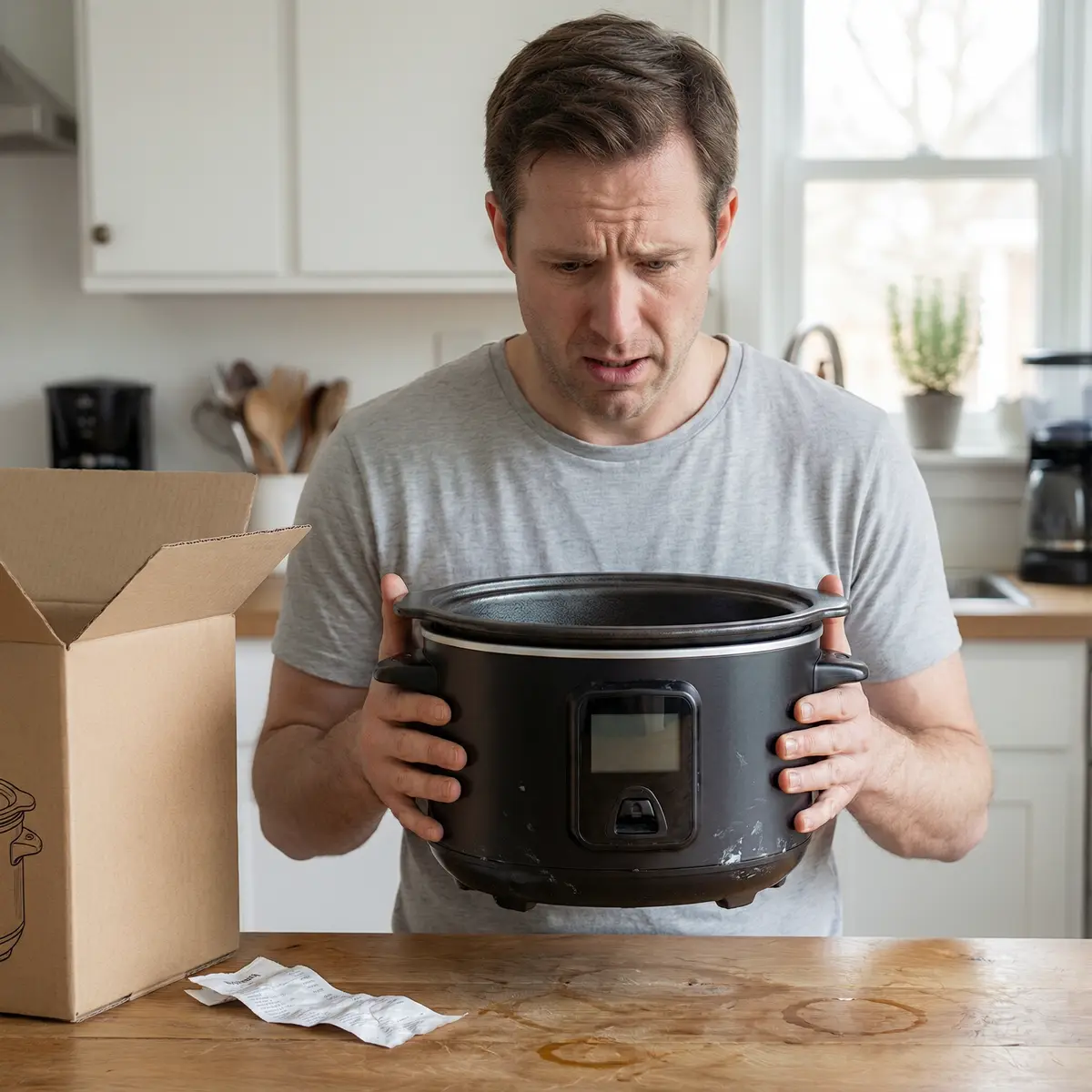
Lesson One:“Doesn’t heat up Wanted to love it. It barely heats up. Even on high after 5 hours it’s lukewarm. Not working. Nothings cooking. So disappointing”
- Lesson Summary: Before purchasing, carefully check the product’s heating performance to ensure it meets your daily cooking needs.
-
Lesson Two:“I would look at different brands. You would think when you spend this much for luxury brand crock pot, it would be perfect, right? Well. As soon as I opened it and set it up, you could see the lid would not seal on the crock. It rocked. Not just a little. A LOT.”
- Lesson Summary: High-end brands do not necessarily mean high quality. When purchasing, carefully check the product’s sealing and stability.
-
Lesson Three:“Very disappointed I loved this crockpot until the digital quit and I can no longer program anything or use it. I’m so disappointed that it just stop working and went blank, no lights, no way to know if it’s on or off nothing. Plus it happened conveniently when the warranty was up.”
- Lesson Summary: Choose brands with reliable after-sales service and address issues promptly within the warranty period.
Through the above analysis and suggestions, we hope consumers can be more cautious when selecting and using slow cookers, ensuring safety and comfort.
Related Deep Analysis in This Category
- Electronic Failures — 20% of complaints relate to this
- Heating Issues — 38% of complaints relate to this
- Lid and Seal Problems — 25% of complaints relate to this
- Poor Quality Control & Short Service Life — 35% of complaints relate to this
- Product Durability — 35% of complaints relate to this
- Size and Design Issues — 15% of complaints relate to this
- Structural & Accessory Defects — 28% of complaints relate to this
- Abnormal Temperature Control — 45% of complaints relate to this