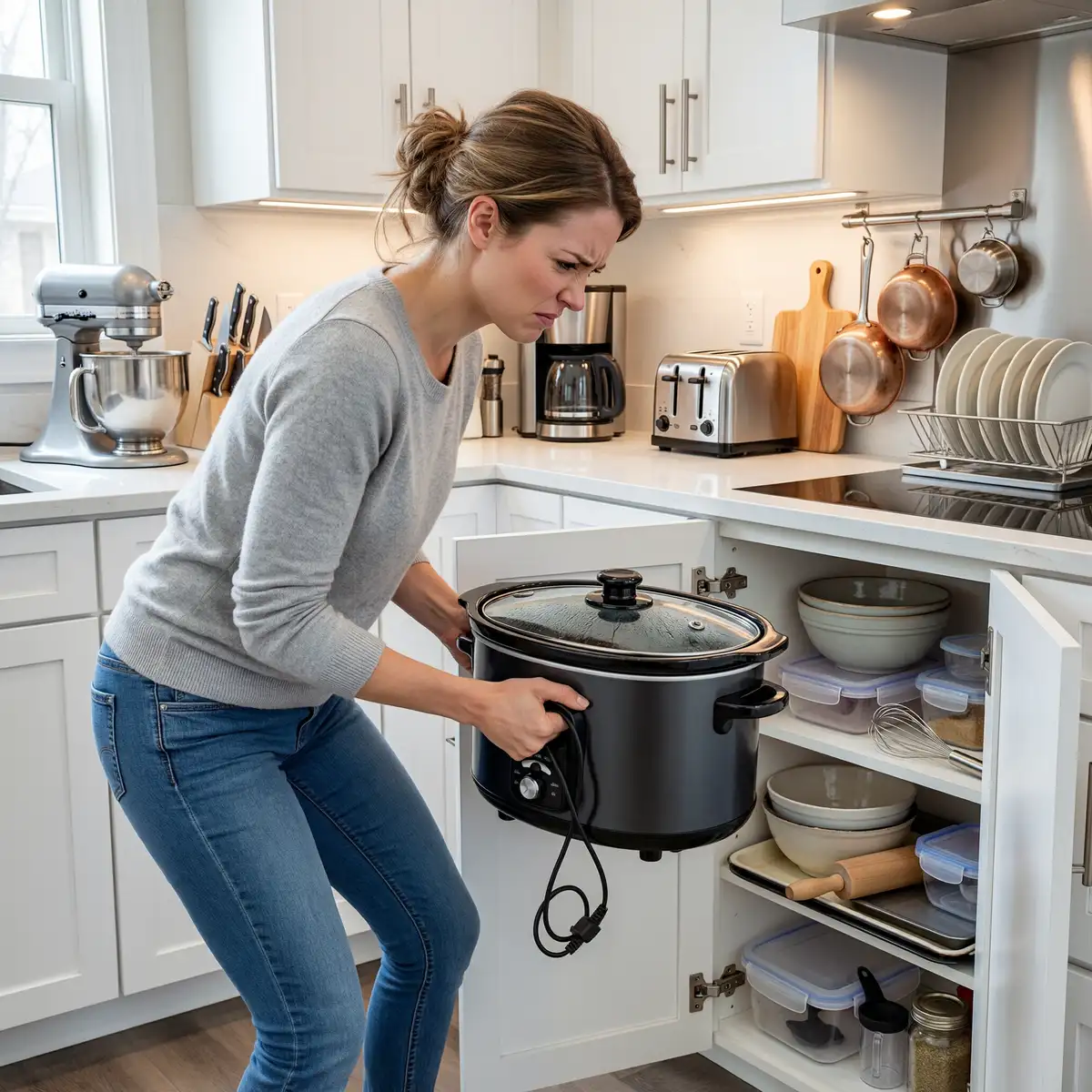
Size and Design Issues in Slow Cooker: What 50,665 Reviews Reveal
Size and Design Issues: The “Silent Killer” in the Slow Cooker Industry
In the fast-paced modern life, slow cookers have become a must-have appliance in many household kitchens due to their convenience and versatility. However, our analysis of 50,665 genuine user reviews reveals that 15% of negative reviews are related to size and design issues. This proportion highlights a widespread and serious problem: many consumers find their slow cooker experience significantly diminished due to inappropriate sizes or poor designs after purchase.
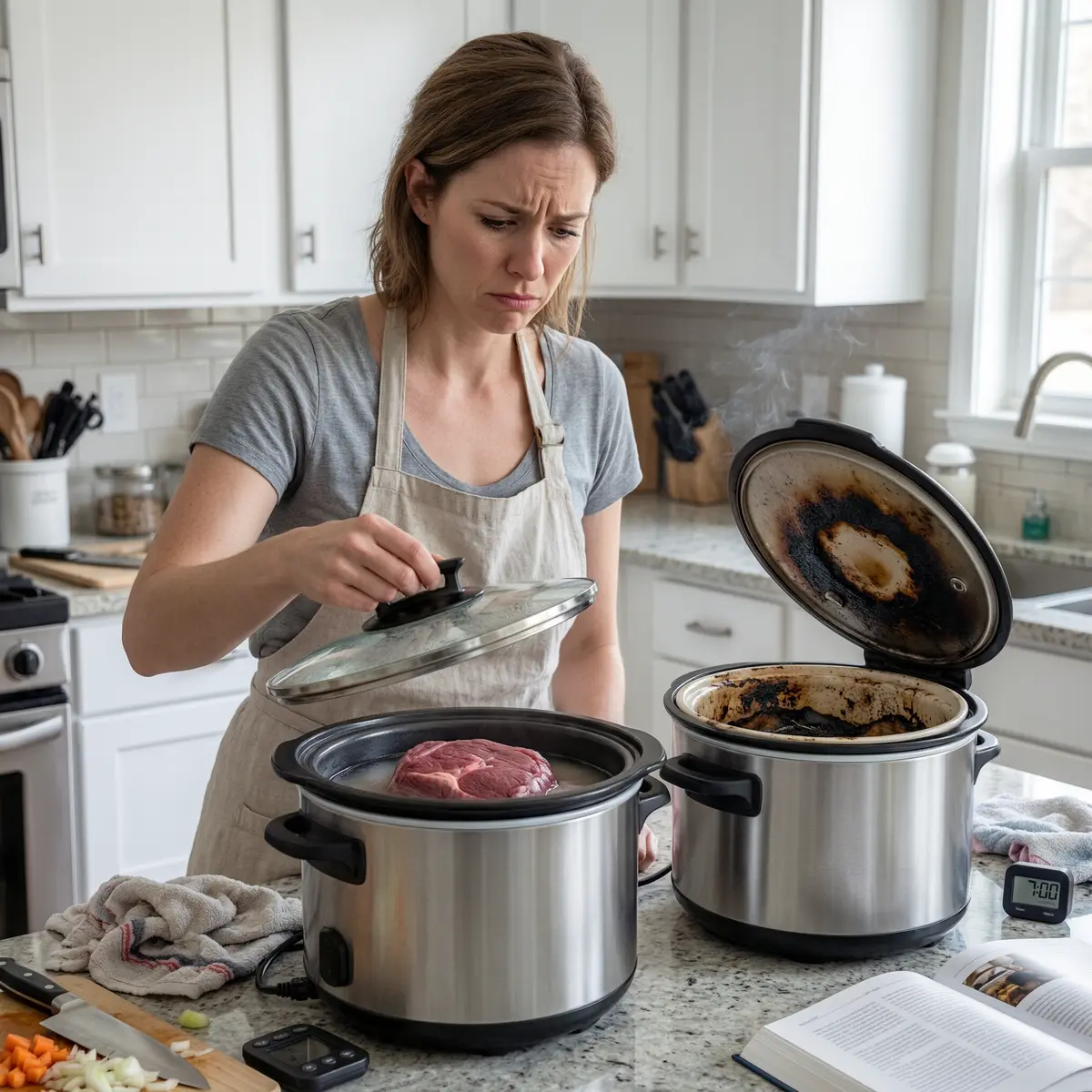
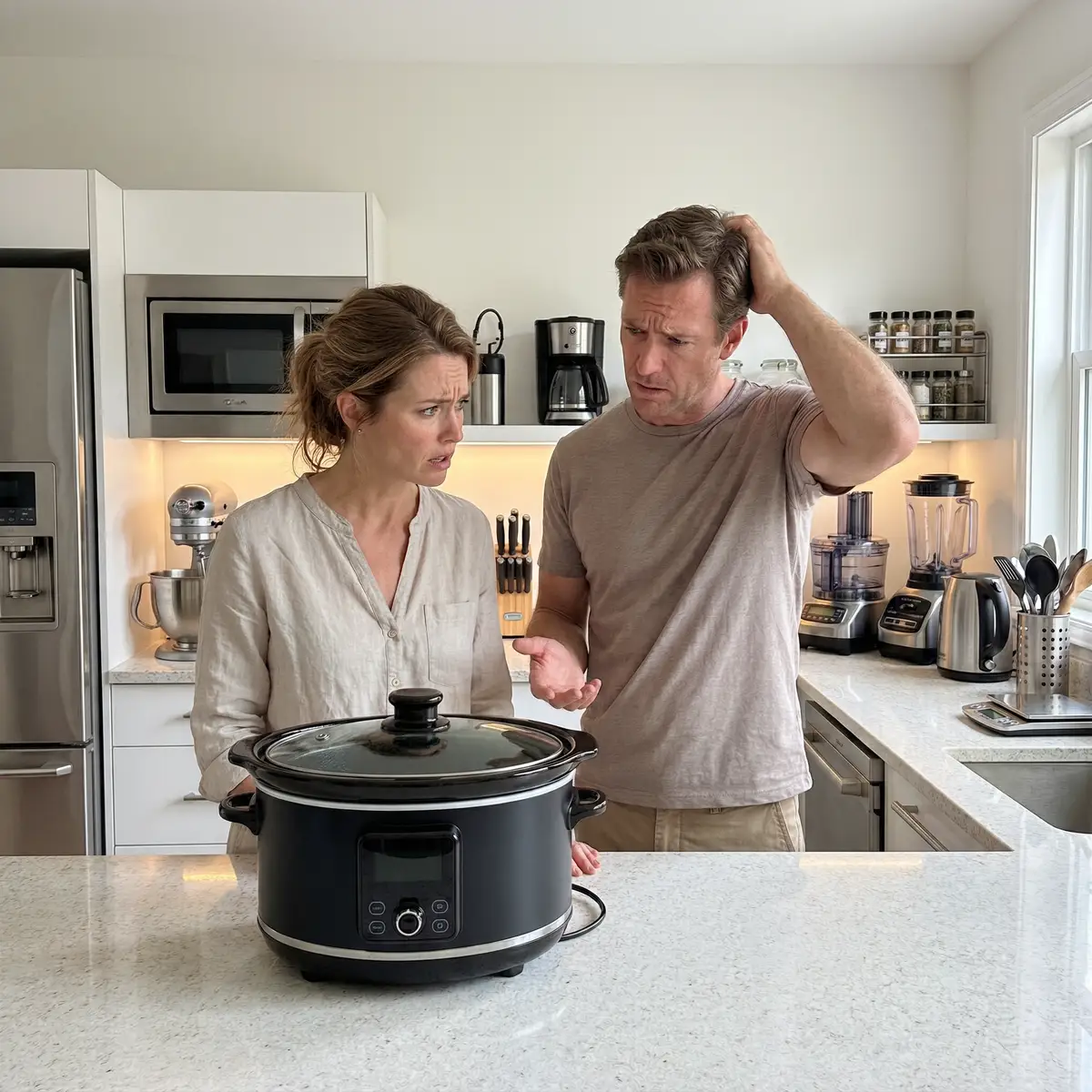
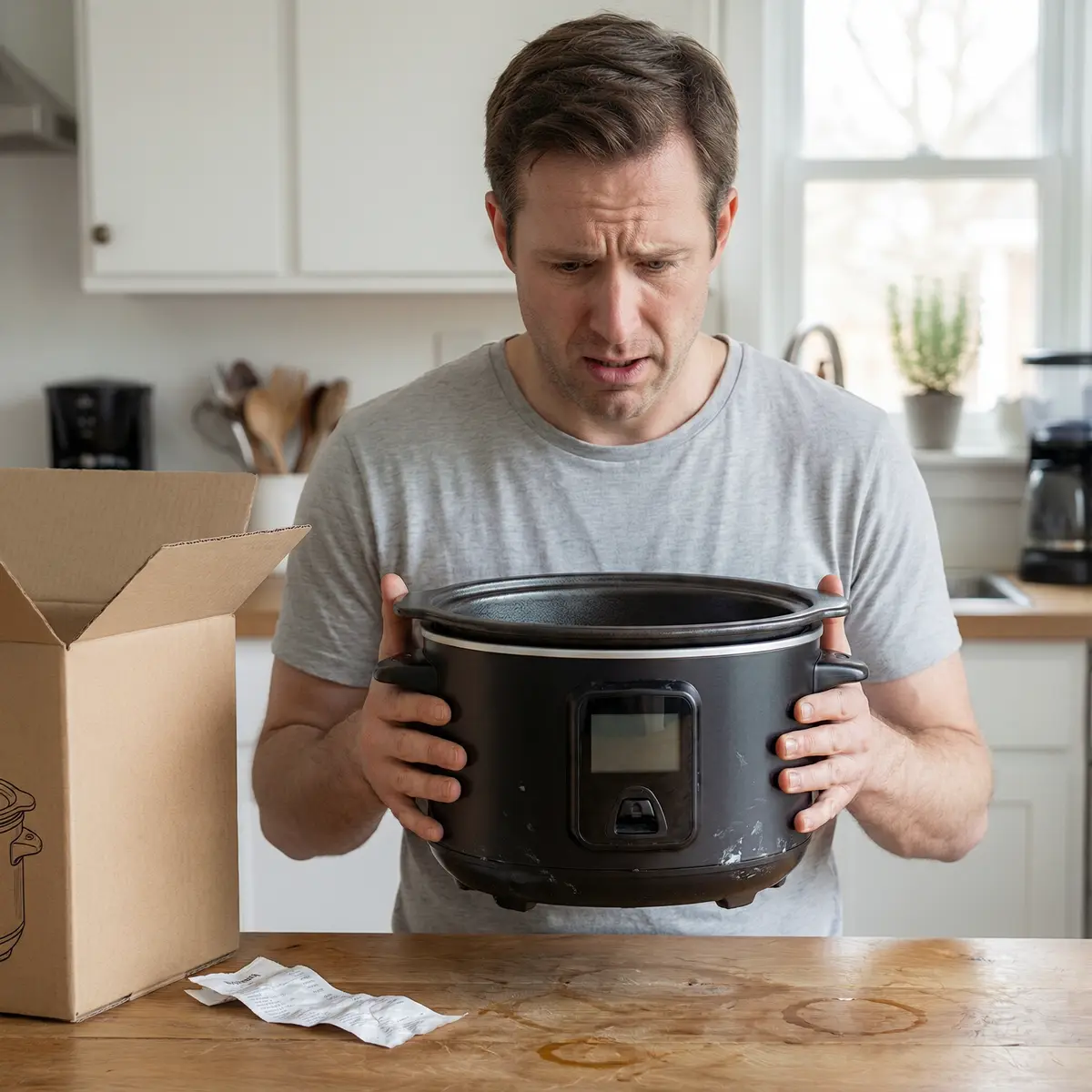
Imagine this scenario: you eagerly buy a new slow cooker, ready to prepare delicious meals for your family. A few months later, you discover that the actual capacity is much smaller than advertised, or the lid does not fit tightly, or it heats unevenly. These issues not only affect your cooking results but also leave you deeply disappointed. So, why do these size and design problems occur? How can they be avoided?
Why Do Size and Design Issues Occur? — Unpacking the Root Causes
Materials Science: Matching the Inner Pot and Outer Shell
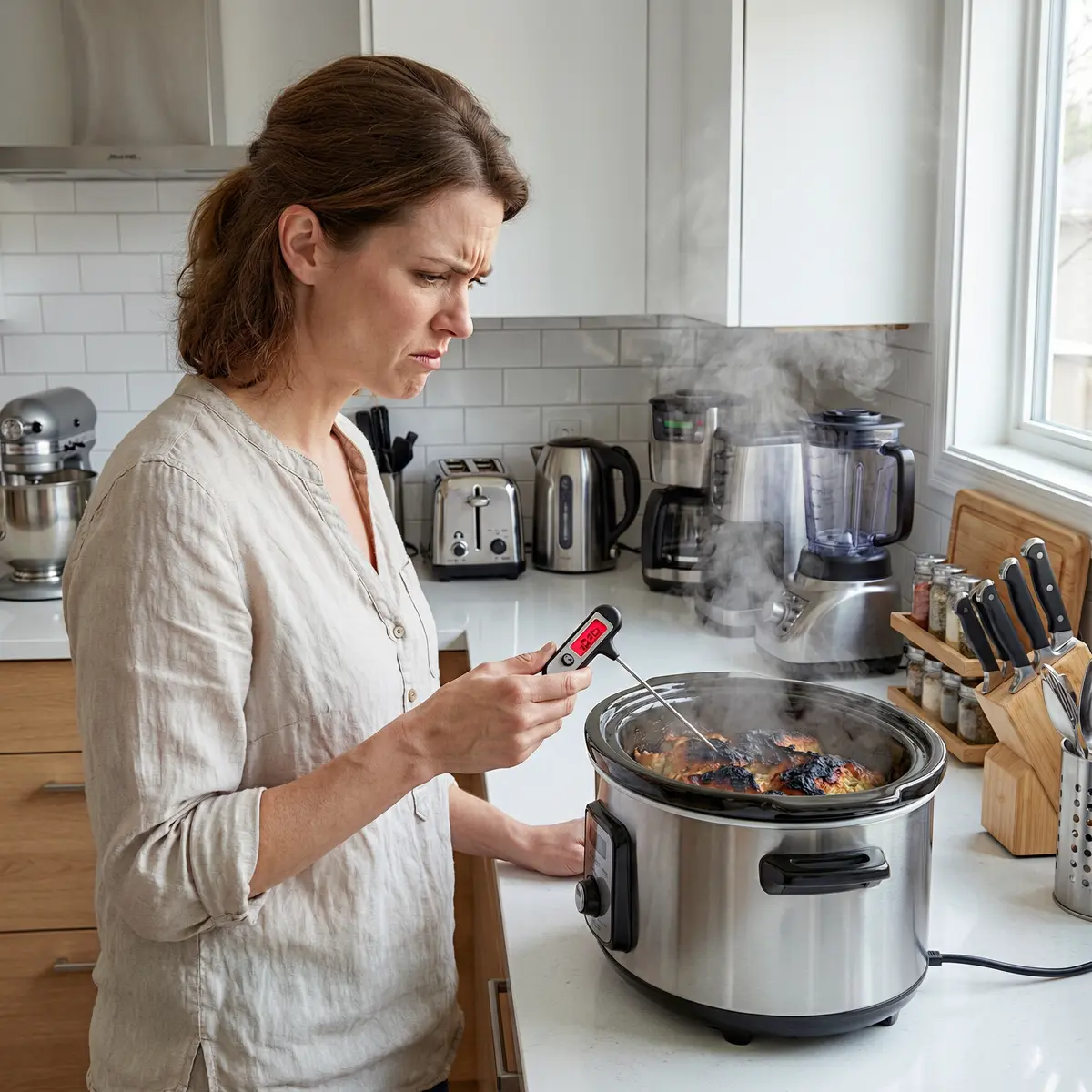
The match between the inner pot and the outer shell of a slow cooker is crucial. If the inner pot is too large or too small, it can lead to uneven heating or poor insulation. For example, one user commented: “Even on high after 5 hours it’s lukewarm. Not working. Nothings cooking. So disappointing” (Even on high heat for 5 hours, the food is just lukewarm, not working at all). This situation may be due to an excessive gap between the inner pot and the outer shell, causing too much heat loss.
Craftsmanship: Ergonomics in Overall Design
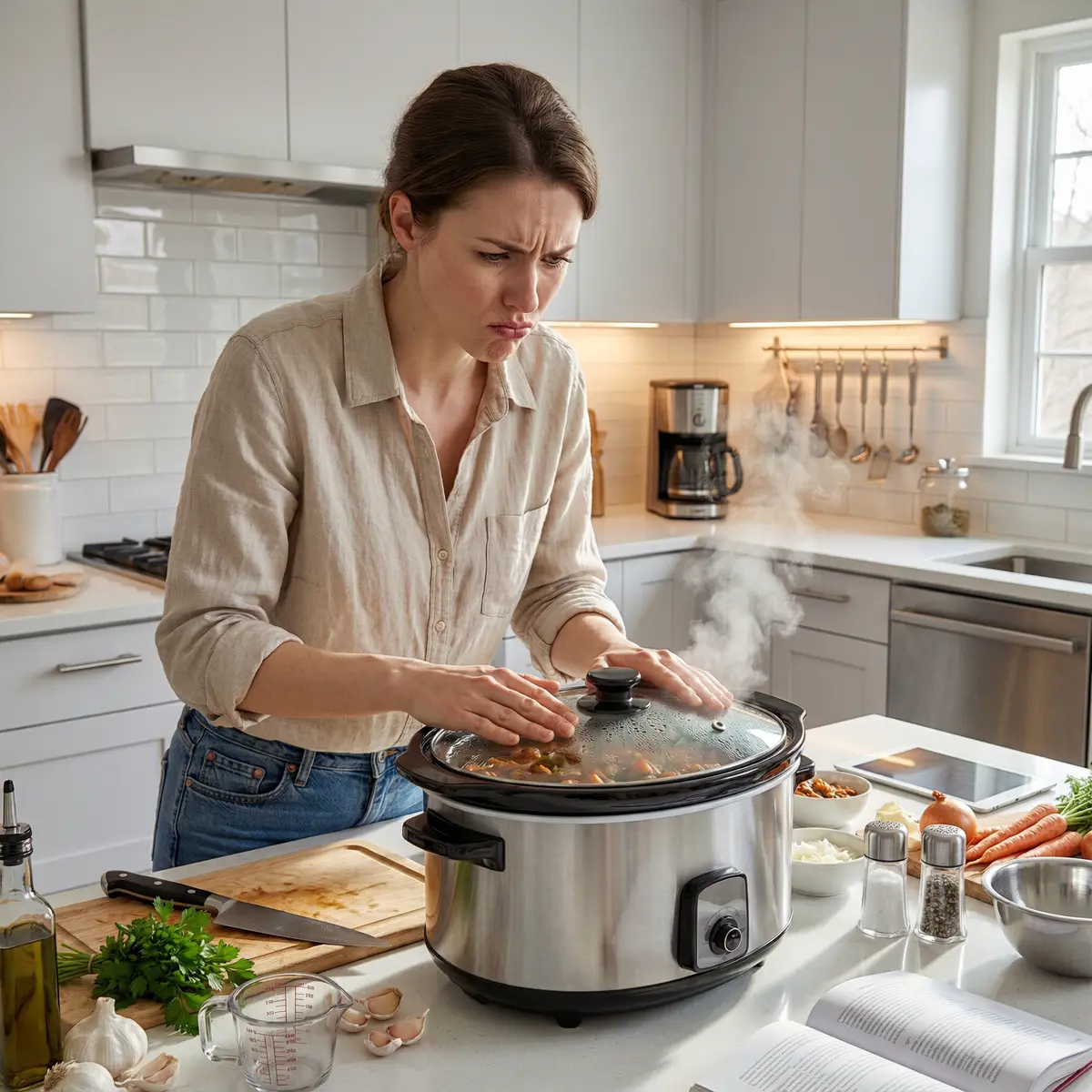
Ergonomic design directly impacts the user’s experience. Some slow cookers lack user-friendly design, such as lids that do not fit tightly and poorly designed handles. One user complained: “As soon as I opened it and set it up, you could see the lid would not seal on the crock. It rocked. Not just a little. A LOT” (As soon as I opened and set it up, I noticed the lid wouldn’t seal, and it wobbled a lot). Such design flaws not only affect cooking performance but can also pose safety risks.
Usage Habits: Differences in Household Needs
Each household has different usage habits and needs. Some families require large-capacity slow cookers to meet the needs of multiple diners, while others prioritize portability and space-saving. For instance, one user said: “Too small my bad I didn’t realize how small this crock pot was and I returned it for a bigger one” (It was too small; I didn’t realize how small it was, so I returned it for a larger one). This shows the importance of choosing the right size of slow cooker.
Comparison of Size and Design Issues in Different Materials
| Material | Advantages | Limitations |
|---|---|---|
| Ceramic | Good insulation, heat-resistant | Fragile, heavy |
| Stainless Steel | Durable, easy to clean | Average insulation, slow heat conduction |
| Aluminum Alloy | Fast heat conduction, lightweight | Prone to deformation, less durable |
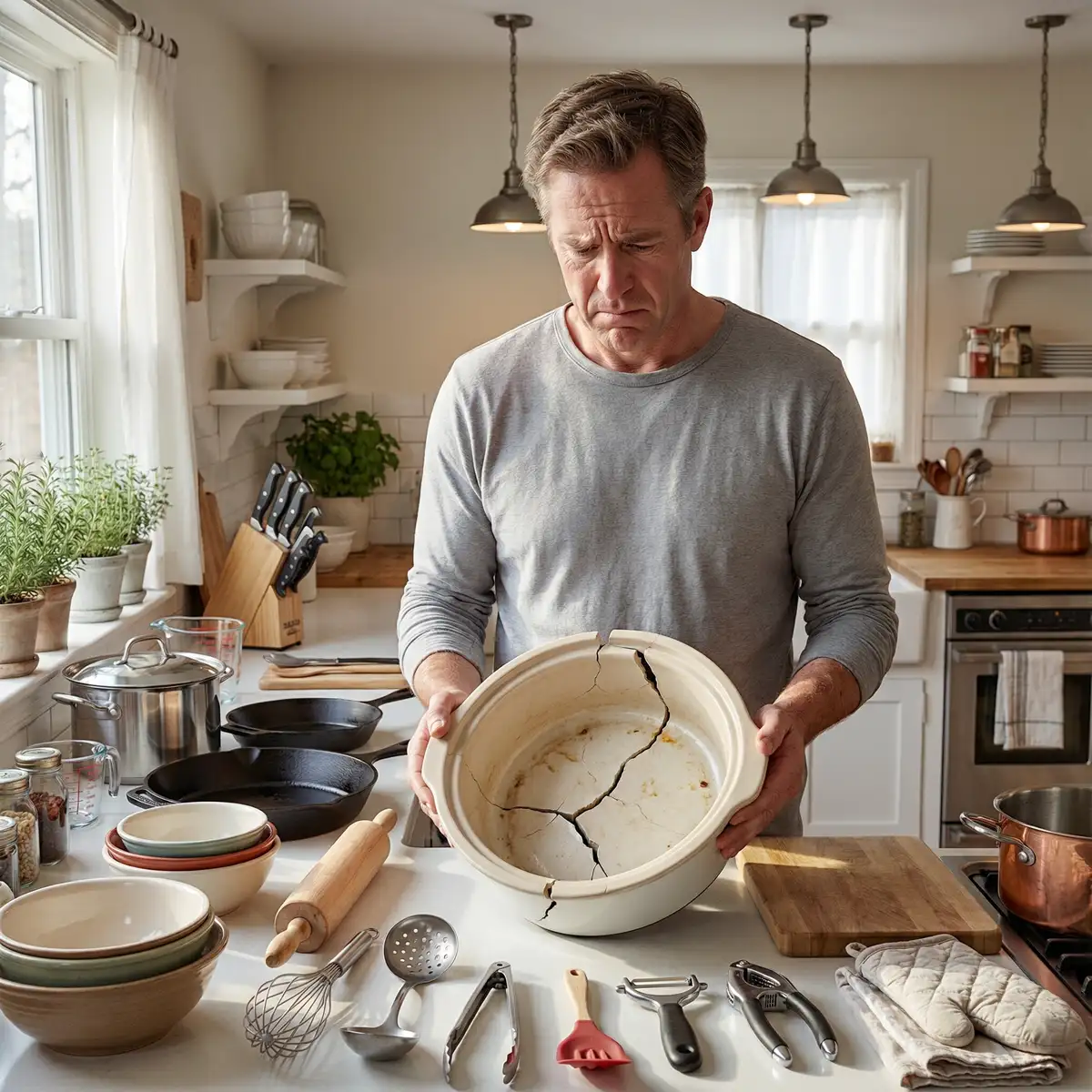
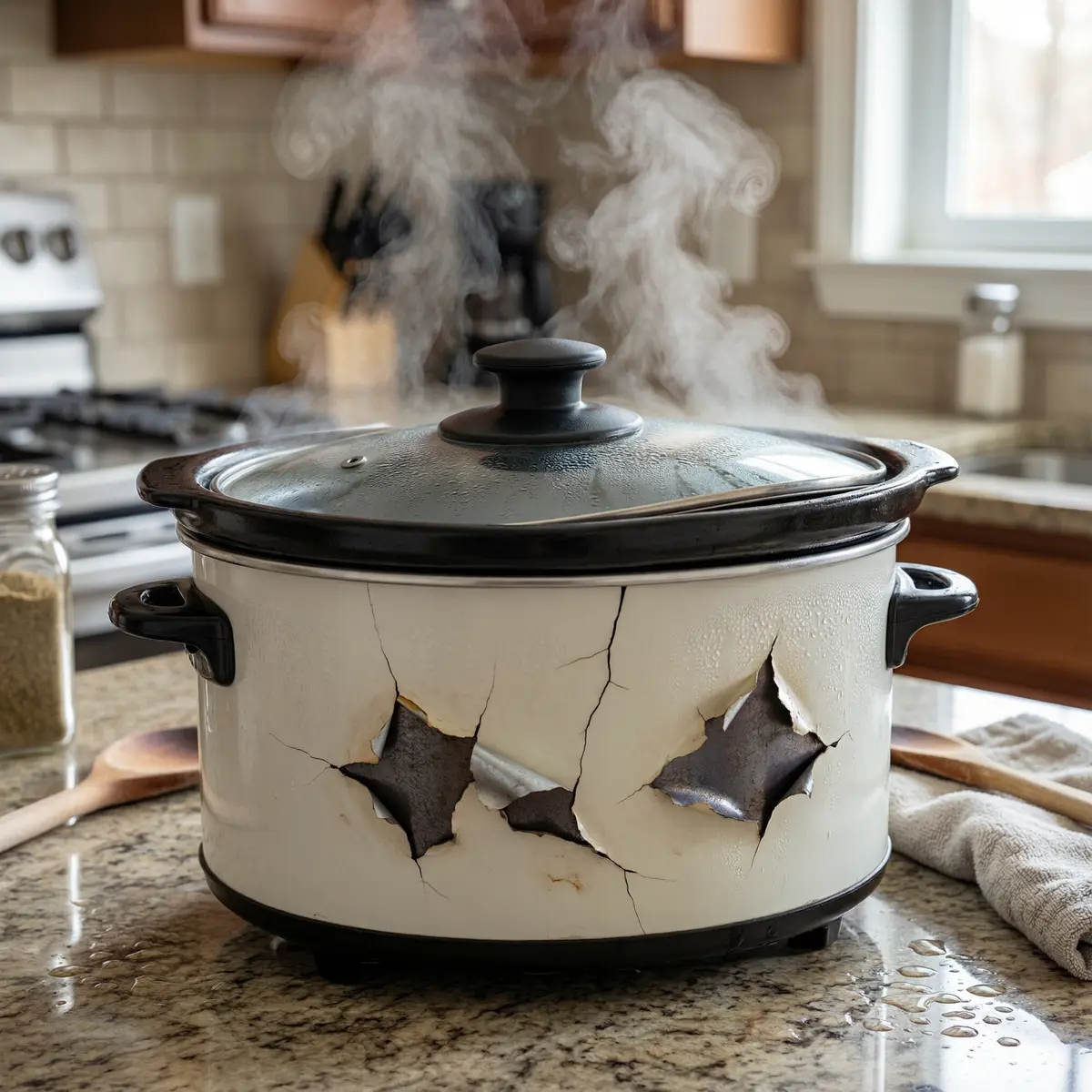
- Ceramic: Ceramic inner pots have excellent insulation and are suitable for long, slow cooking. However, their fragility and weight require extra care when moving and cleaning.
- Stainless Steel: Stainless steel inner pots are durable and easy to clean, but their insulation is average and heat conduction is slower. They are suitable for frequent use.
- Aluminum Alloy: Aluminum alloy inner pots conduct heat quickly and are lightweight, but they are prone to deformation and less durable. They are suitable for occasional use or when portability is needed.
How to Avoid Size and Design Issues? — Buying and Usage Guide
Key Indicators and Parameters to Look for When Purchasing
- Actual Capacity: Ensure the actual capacity of the slow cooker meets your needs. Typically, a 6-liter or larger slow cooker is recommended for a 4-6 person family.
- Inner Pot Material: Choose the appropriate inner pot material based on your usage frequency and needs. For example, if you value long-term use and good insulation, ceramic might be the best choice.
- Design Details: Check if the lid fits tightly, if the handles are sturdy and comfortable, and if there are non-slip designs, etc.
Design and Craftsmanship Details Worth the Extra Cost
- Double Insulation Design: An outer layer with insulating material can effectively reduce heat loss and improve insulation.
- Smart Temperature Control System: Slow cookers with smart temperature control systems can automatically adjust the temperature based on the ingredients and cooking time, ensuring even heating.
- Easy-to-Clean Design: A smooth inner pot surface that does not easily stick to food residue makes cleaning easier.
Proper Usage and Maintenance Methods
- Before First Use: Boil water in the inner pot once to remove any odors.
- Regular Cleaning: Clean the inner pot promptly after each use and keep it dry.
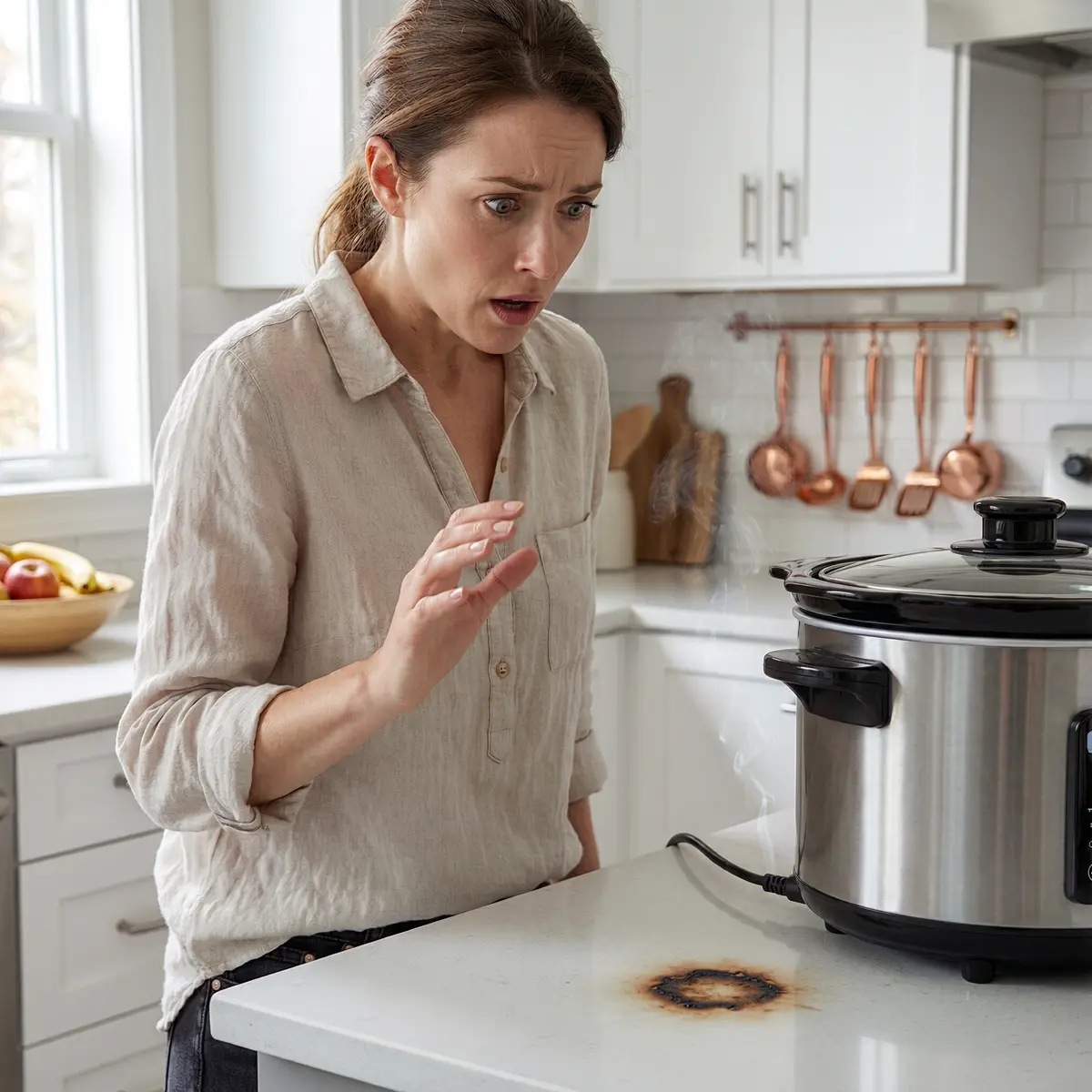
- Avoid Dry Heating: Do not turn on the heating function without water, as this can damage the inner pot.
Common Misconceptions to Correct
- Bigger Is Better: Choosing the right capacity is more important; too big or too small can affect the user experience.
- Higher Price Means Better Quality: High price does not necessarily mean high quality; consider factors like material, design, and functionality comprehensively.
Lessons from Real Users to Avoid Pitfalls
-
“Doesn’t heat up Wanted to love it. It barely heats up. Even on high after 5 hours it’s lukewarm. Not working. Nothings cooking. So disappointing”
- Lesson Learned: Before purchasing, carefully understand the product’s heating performance, especially under high settings. You can get more information by checking user reviews and product manuals.
-
“I would look at different brands. You would think when you spend this much for luxury brand crock pot, it would be perfect, right? Well. As soon as I opened it and set it up, you could see the lid would not seal on the crock. It rocked. Not just a little. A LOT. So I contacted customer service a”
- Lesson Learned: Even products from well-known brands can have quality issues. Before purchasing, check the product’s sealing and stability, and if necessary, contact customer service for more details.
-
“These hold odor eventhough the listing claims they DO NOT! The listing is false when it claims “No more retained odors”,,,,,,,These gaskets do in fact hold odors from whatever you cooked previously!”
- Lesson Learned: There may be discrepancies between product claims and reality. Before purchasing, compare and verify, especially regarding key selling points like no retained odors.
Through the above analysis and guide, we hope you can better understand the size and design issues of slow cookers and make informed choices when purchasing.
Related Deep Analysis in This Category
- Electronic Failures — 20% of complaints relate to this
- Heating Issues — 38% of complaints relate to this
- Lid and Seal Problems — 25% of complaints relate to this
- Poor Quality Control & Short Service Life — 35% of complaints relate to this
- Product Durability — 35% of complaints relate to this
- Safety Hazards — 18% of complaints relate to this
- Structural & Accessory Defects — 28% of complaints relate to this
- Abnormal Temperature Control — 45% of complaints relate to this