Blade Rusting in Knife Tools: What 188,337 Reviews Reveal
Blade Rust: The “Invisible Killer” in the Knife Industry
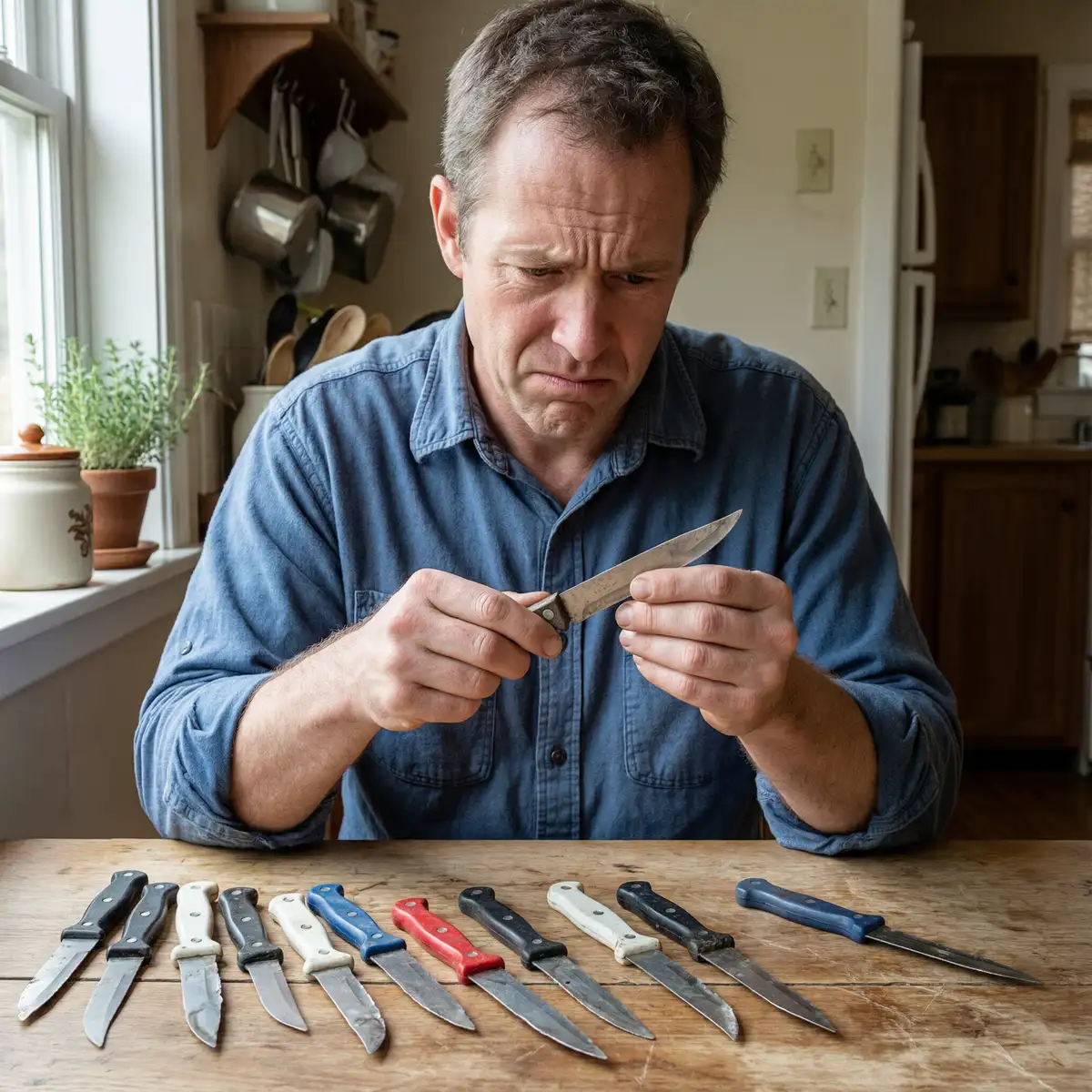
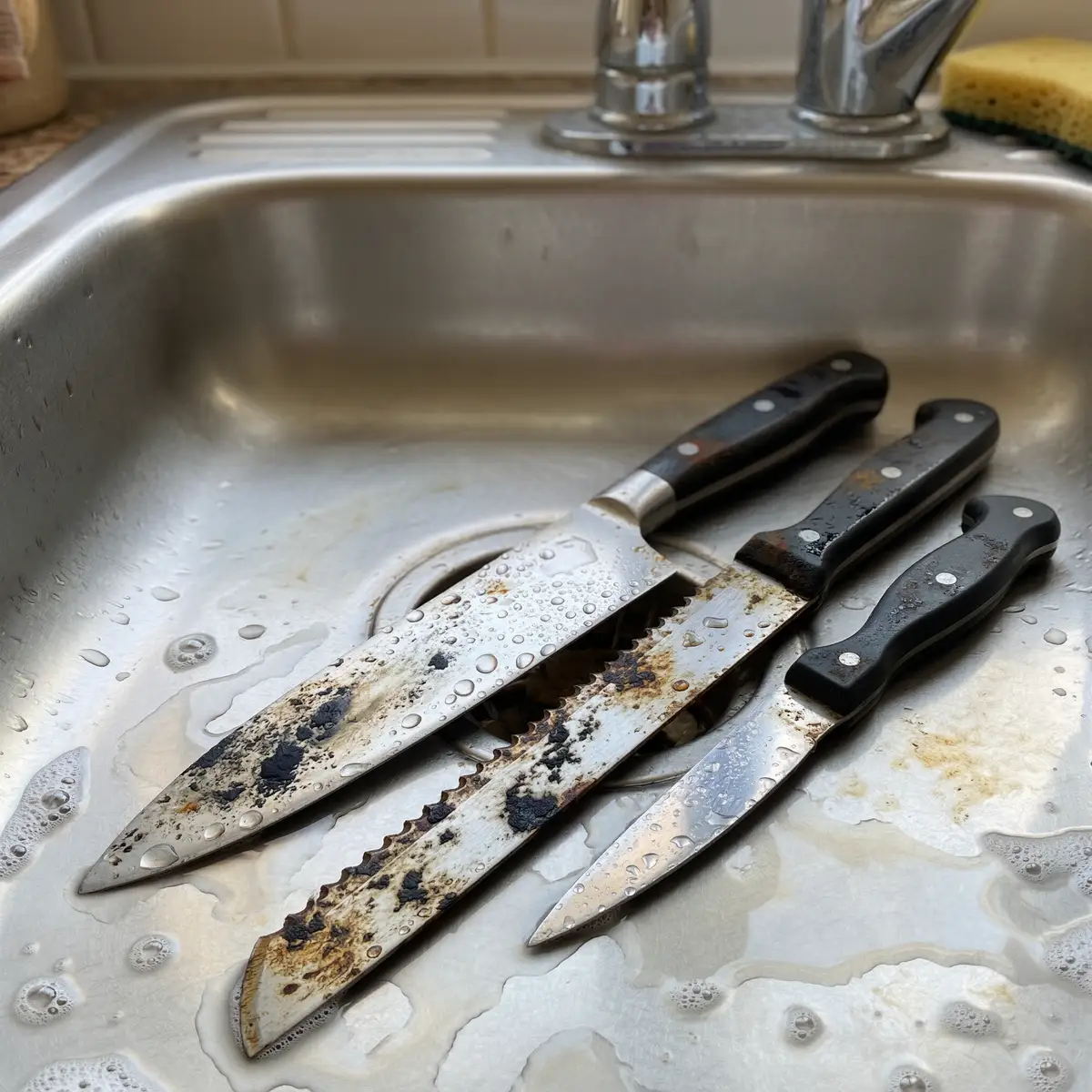
In the kitchen, a good knife is an indispensable tool. However, many consumers find that after a few months of use, the blade starts to rust. This not only affects the aesthetics of the knife but also reduces its lifespan and cutting performance. Based on our analysis of 188,337 real user reviews, we found that 45% of negative reviews are related to blade rust issues. This is a common and serious problem.
Imagine this scenario: A consumer purchases a set of knives labeled as “German high carbon steel” during a promotional event. Initially, they are very satisfied with the appearance and lightness of the knives. However, after a few months, they notice rust spots on the blades, and some areas are so corroded that they are no longer usable. This experience leaves them very disappointed and regretful of their choice.
Why Do Blades Rust? — An In-Depth Analysis of the Root Causes
Materials Science
The material of the knife is a key factor in determining its corrosion resistance. Stainless steel is widely used in knife manufacturing due to its good corrosion resistance. However, not all stainless steels have the same level of corrosion resistance. Common types of stainless steel include 304, 420, and 440. Among these, 304 stainless steel has a higher chromium content (at least 18%) and better corrosion resistance. In contrast, 420 stainless steel, although harder, has a lower chromium content and is more prone to rust.
Case Study:
- Negative Review Excerpt: “paring 2 piece knife set I was busy shopping on the last prime day, at the last few minutes and this set came up. I didn’t read through past the ‘German high carbon’ part. They are very light - WAY too light. The tangs are not complete, meaning the tips are glued into a crappy handle.”
- Analysis: The “German high carbon steel” mentioned by this user may actually be a low-quality stainless steel with insufficient chromium content, leading to easy rusting of the blade. Additionally, the quality of the handle directly affects the overall user experience.
Manufacturing Process
The manufacturing process of the knife is also an important factor affecting its corrosion resistance. High-quality knives typically undergo fine surface treatments such as polishing and passivation to enhance their corrosion resistance. However, some low-cost knives may lack these processes, resulting in small cracks or defects on the blade surface, which accelerate the rusting process.
Case Study:
- Negative Review Excerpt: “Its ok The colors are nice but the color is coming off already and only had for about two months and they are already dull”
- Analysis: This negative review reflects the inadequacy of the knife’s surface treatment. The fading color of the knife indicates that the surface treatment is not refined enough, leading to easy rusting and loss of luster.
Usage Habits
Proper cleaning and maintenance methods are crucial for preventing blade rust. Many people have the habit of soaking knives in water for long periods or using dishwashers to clean them, which can cause water to seep into the blade and accelerate the rusting process. Additionally, if the knife is not dried promptly after use, it increases the risk of rusting.
Case Study:
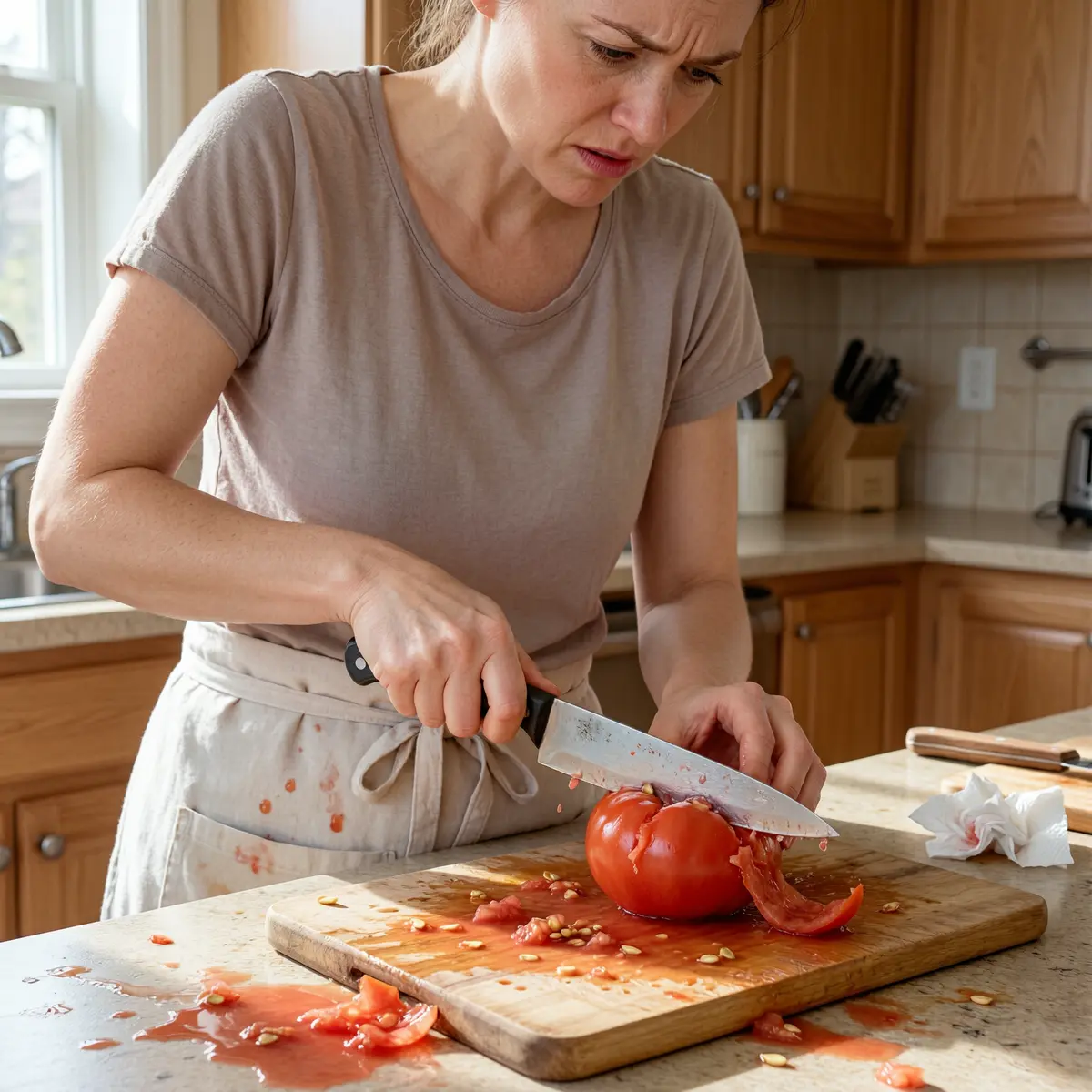
- Negative Review Excerpt: “Tears food Not happy with these at all. Everything I try to cut… Whether it’s bread or meat, the food is ripped apart not cut.”
- Analysis: Although this negative review mainly reflects the cutting performance issue, it can also be inferred that the user’s usage habits may be incorrect, leading to blade rust and affecting the cutting performance.
Comparison of Blade Rust Performance in Different Materials
| Material | Advantages | Limitations |
|---|---|---|
| 304 Stainless Steel | Good corrosion resistance, less prone to rust | Relatively lower hardness, shorter edge retention |
| 420 Stainless Steel | High hardness, long edge retention | Lower chromium content, prone to rust |
| 440 Stainless Steel | High hardness, long edge retention | Moderate chromium content, good corrosion resistance, but higher price |
Positive Review Excerpt:
- “Great knife for the money! This is a really nice knife. Quality made, for the money you can’t go wrong. Cuts through vegetables easily and flawlessly. This knife also fits well in my hand and makes co”
- Analysis: This positive review highlights the excellent performance of high-quality 304 stainless steel knives in terms of corrosion resistance and cutting performance.
How to Avoid Blade Rust? — A Guide to Selection and Usage
Key Indicators and Parameters to Look for When Selecting
- Material: Choose stainless steel with a high chromium content, such as 304 or 440.
- Surface Treatment: Check if the knife surface is smooth, with no visible cracks or defects.
- Brand Reputation: Choose reputable brands to ensure their manufacturing processes and quality control.
Design and Craftsmanship Details Worth Investing In
- Full Tang Design: Ensure the blade and handle are seamlessly connected to reduce the chance of water infiltration.
- Fine Polishing: The surface should be finely polished to enhance corrosion resistance.
- Professional Passivation: Further improve the knife’s corrosion resistance through passivation.
Correct Usage and Maintenance Methods
- Hand Washing: Avoid using dishwashers to clean knives; wash by hand and dry thoroughly.
- Regular Maintenance: Use specialized knife care oil and apply it regularly to prevent rust.
- Storage: Store knives in a dry, well-ventilated place to avoid damp environments.
Common Misconceptions and Corrections
- Misconception 1: All stainless steel does not rust.
- Correction: Different types of stainless steel have varying levels of corrosion resistance. Choosing stainless steel with a high chromium content is more reliable.
- Misconception 2: Soaking in water for a long time can clean the knife.
- Correction: Prolonged soaking accelerates blade rusting; clean and dry the knife as soon as possible.
Lessons from Real Users to Avoid Pitfalls
-
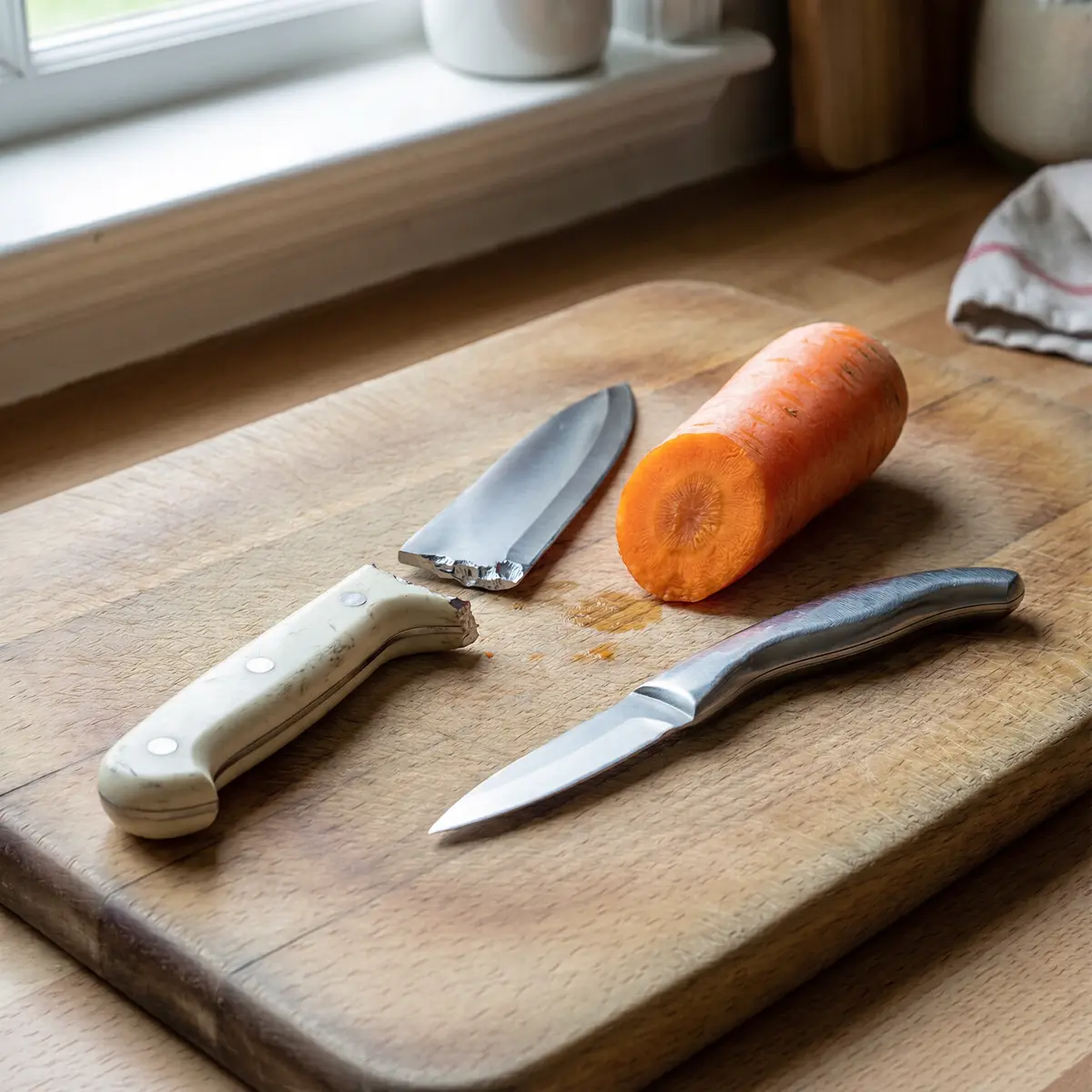
Negative Review Excerpt: “Arrived broken This item arrived broken. The handle was broken off and in many pieces.”
- Lesson Learned: When buying knives, pay attention not only to the material but also to the overall structure and quality. Full tang design knives are more durable and less likely to break.
-
Negative Review Excerpt: “Tang is sharp in the hand. Handle not well shaped. Tang is sharp in the hand. Handle not well shaped.”
- Lesson Learned: The comfort and ergonomics of the knife are equally important. Choose handles with ergonomic designs to improve the user experience and reduce unnecessary injuries.
-
Negative Review Excerpt: “Waste of money … Nice looking Farberware pizza cutter with a plastic handle.
A few weeks ago when I made pizza I had a hard time cutting our crisp pizza. Then this Farberware pizza cutter come up and I grabbed it.
Big mistake, it is worse then my Norpro pizza cutter that is not tha”- Lesson Learned: Don’t just focus on the appearance; prioritize the actual performance of the knife. Choose knives with good cutting performance and durability to truly meet daily needs.
Through the above analysis and suggestions, we hope consumers can better understand the causes of blade rust and take effective measures to avoid this issue, thereby selecting more durable and reliable knives.
Related Deep Analysis in This Category
- Cheap Materials — 35% of complaints relate to this
- Dull Blades — 40% of complaints relate to this
- Easy to Rust and Stain — 28% of complaints relate to this
- Poor Grip and Ergonomics — 13% of complaints relate to this
- Poor Material and Workmanship, Easy to Break — 22% of complaints relate to this
- Poor Quality Handle — 38% of complaints relate to this
- Poor Sharpness and Edge Retention — 42% of complaints relate to this
- Uncomfortable Grip — 30% of complaints relate to this