Cheap Materials in Knife Tools: What 188,337 Reviews Reveal
Cheap Materials: The “Hidden Killer” in the Knife Industry
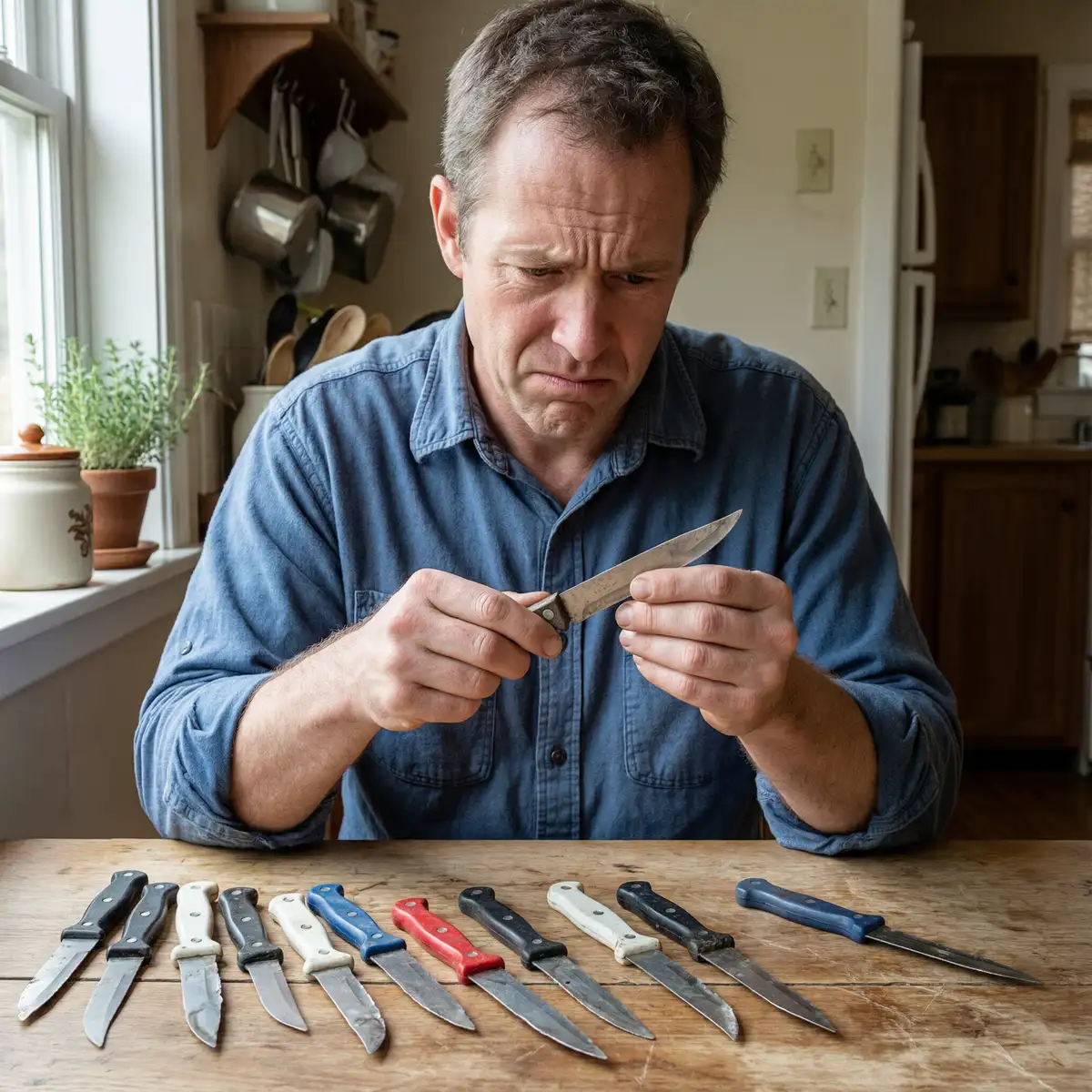
When selecting knives, many consumers have encountered the issue of cheap materials. An analysis of 188,337 genuine user reviews found that 35% of negative reviews were related to cheap materials. This not only affects the user experience but can also pose safety hazards. Imagine buying a set of knives advertised as “German high-carbon steel” with great expectations, only to find that after a few months, the blades dull easily and even break. This feeling of disappointment and regret is something no consumer wants to experience.
Why Are Materials Cheap? — A Deep Dive into the Root Causes
Material Science: The Impact of Material Selection on Knife Performance
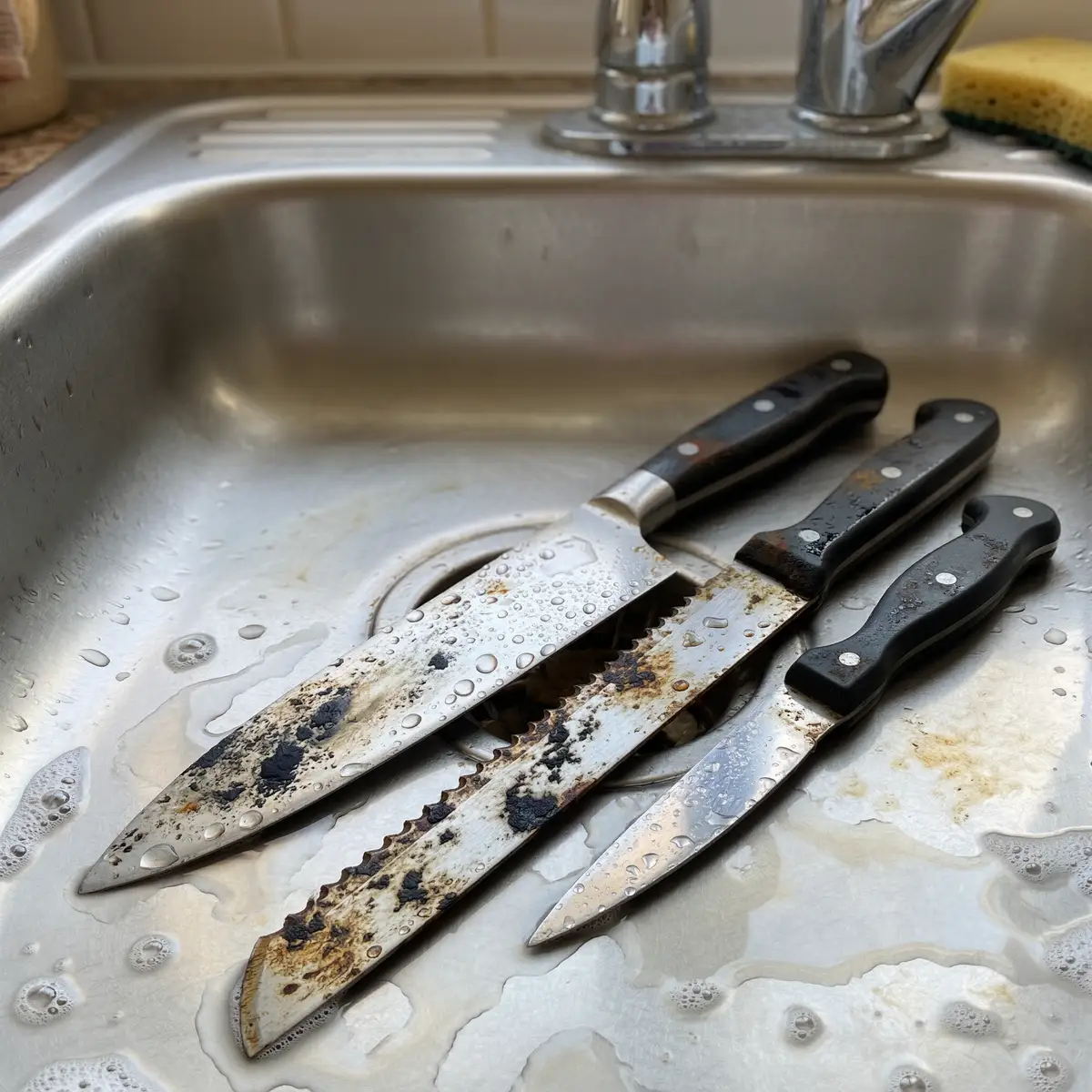
The performance of a knife largely depends on its material. High-quality knives typically use high-performance materials such as high-carbon stainless steel, VG-10 steel, or Damascus steel. These materials offer excellent hardness, wear resistance, and corrosion resistance. However, some cheap knives use low-quality steel, such as ordinary stainless steel or low-carbon steel, to cut costs. Although these materials are inexpensive, they lack sufficient hardness, dull quickly, and have poor durability.
For example, one user commented, “paring 2 piece knife set I was busy shopping on the last prime day, at the last few minutes and this set came up. I didn’t read through past the ‘German high carbon’ part. They are very light - WAY too light. The tangs are not complete, meaning the tips are glued into a crappy handle.” In this case, the knives are abnormally light, and the connection between the blade and handle is not secure, clearly indicating the use of inferior materials.
Manufacturing: The Challenges of Processing Low-Cost Materials
In addition to the quality of the materials themselves, manufacturing processes also significantly impact knife performance. High-quality knives usually undergo multiple precise steps, including forging, heat treatment, and grinding. In contrast, cheap knives often use simple casting or stamping processes, which, although cost-effective, cannot ensure the consistency and durability of the knives.
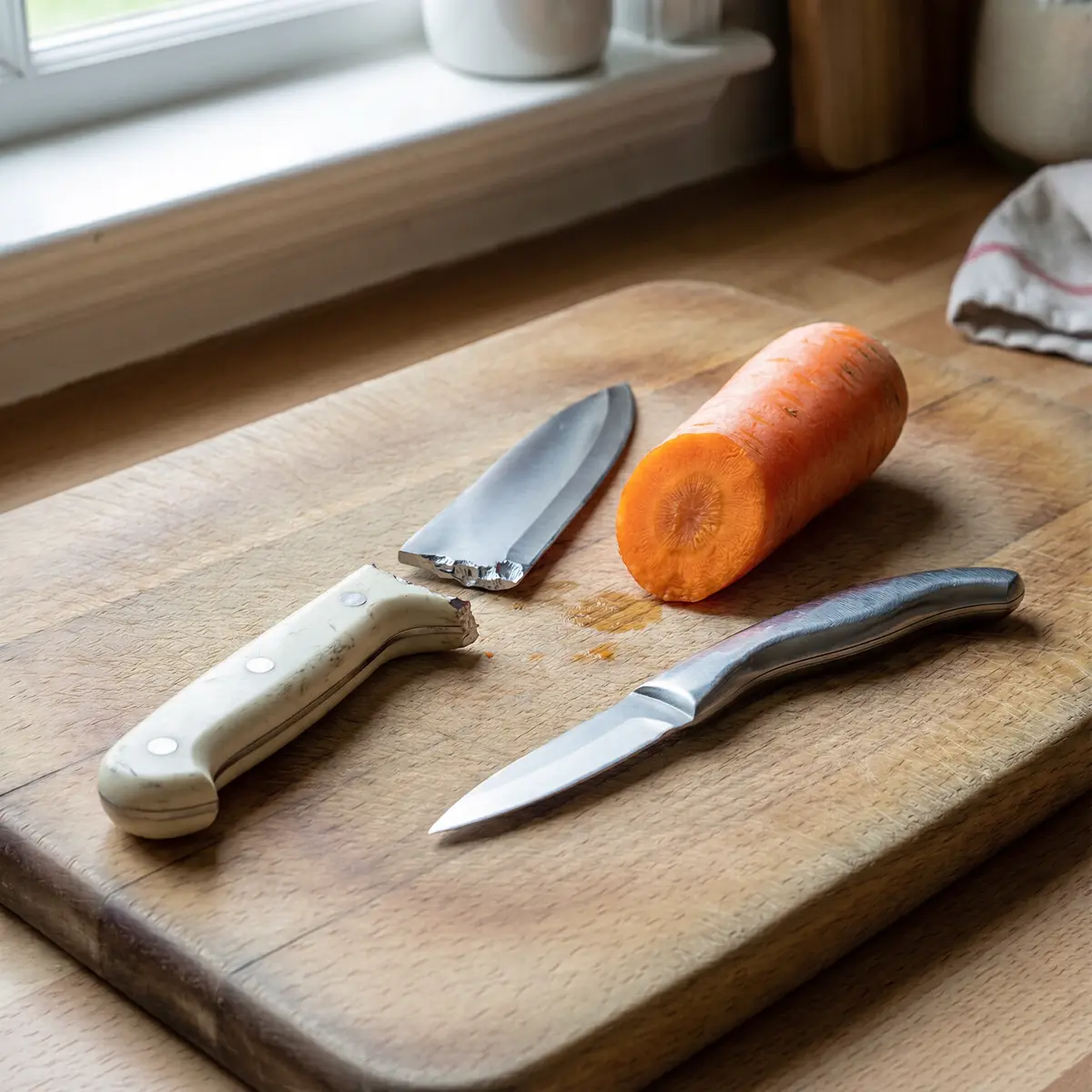
For instance, another user mentioned, “Arrived broken This item arrived broken. The handle was broken off and in many pieces.” This indicates that there may be defects in the manufacturing process, leading to the product being damaged during transportation.
Usage Habits: Durability and Maintenance Costs
Knives made from inferior materials not only perform poorly but also require frequent maintenance. For example, one user complained, “Its ok The colors are nice but the color is coming off already and only had for about two months and they are already dull” Such knives not only fade quickly in appearance but also become dull rapidly, increasing the user’s maintenance costs and inconvenience.
Comparison of “Cheap Materials” in Different Types of Steel
| Material | Advantages | Limitations | Typical Performance |
|---|---|---|---|
| High-Carbon Stainless Steel | High hardness, good wear resistance | Prone to rust | Sharp blade, long-lasting |
| Low-Carbon Steel | Inexpensive | Dulls easily, not corrosion-resistant | Blade dulls quickly, short lifespan |
| Ordinary Stainless Steel | Corrosion-resistant | Lower hardness | Soft blade, prone to deformation |
| VG-10 Steel | Excellent overall performance | Higher cost | Sharp blade, good durability |
For example, a positive review of a high-quality knife: “Great knife for the money! This is a really nice knife. Quality made, for the money you can’t go wrong. Cuts through vegetables easily and flawlessly. This knife also fits well in my hand and makes co” This shows that knives made from high-quality materials not only perform well but also provide a good user experience.
How to Avoid Cheap Materials? — A Guide to Selection and Usage
Key Indicators and Parameters to Look for When Selecting
- Material: Choose high-performance materials like high-carbon stainless steel or VG-10 steel.
- Brand Reputation: Opt for reputable brands to ensure product quality.
- Blade Thickness: The blade should be of moderate thickness, providing both strength and ease of cutting.
- Handle Material: Choose comfortable and durable handle materials, such as wood or composite materials.
Design and Craftsmanship Details Worth Paying Extra For
- Full Tang Design: The blade extends through the entire handle, enhancing the knife’s stability and durability.
- Precision Forging: Precision forging improves the consistency and performance of the knife.
- Heat Treatment Process: Good heat treatment significantly enhances the hardness and toughness of the knife.
Proper Usage and Maintenance Methods
- Regular Sharpening: Use a sharpening stone or electric sharpener to maintain a sharp edge.
- Proper Cleaning: Clean the knife with mild detergent and warm water, avoiding prolonged soaking.
- Dry Storage: Thoroughly dry the knife after cleaning and store it in a dry, well-ventilated place to prevent rust.
Common Misconceptions to Correct
- Lower Price Means Better Value: A lower price does not always mean better value; choose a high-quality knife that suits your needs.
- Ignoring Handle Quality: The comfort and durability of the handle are equally important; don’t focus solely on the blade material.
Lessons from Real Users on Avoiding Pitfalls
-
Lesson One
- User Comment: “Tears food Not happy with these at all. Everything I try to cut… Whether it’s bread or meat, the food is ripped apart not cut.”
- Lesson Summary: When choosing a knife, pay attention to the sharpness and cutting performance of the blade to avoid buying a low-quality knife that only tears food.
-
Lesson Two
- User Comment: “Looks good, does not last long. My grandson just bought these..
They do look good, but do not stay sharp for long if you use basically the same knife for everyday.
These are light weight, plastic Handles.
That said , I think there ok for a student , as there really not going to” - Lesson Summary: Knives that look good may not be durable. Consider the material quality and usage frequency when making a choice.
- User Comment: “Looks good, does not last long. My grandson just bought these..
-
Lesson Three
- User Comment: “Tang is sharp in the hand. Handle not well shaped. Tang is sharp in the hand. Handle not well shaped.”
- Lesson Summary: Pay attention to the feel and comfort of the knife, and avoid purchasing poorly designed products that can cause discomfort during use.
Through the above analysis and recommendations, we hope to help consumers make informed choices when selecting knives and avoid the troubles caused by cheap materials.
Related Deep Analysis in This Category
- Blade Rusting — 45% of complaints relate to this
- Dull Blades — 40% of complaints relate to this
- Easy to Rust and Stain — 28% of complaints relate to this
- Poor Grip and Ergonomics — 13% of complaints relate to this
- Poor Material and Workmanship, Easy to Break — 22% of complaints relate to this
- Poor Quality Handle — 38% of complaints relate to this
- Poor Sharpness and Edge Retention — 42% of complaints relate to this
- Uncomfortable Grip — 30% of complaints relate to this