Poor Quality Handle in Knife Tools: What 188,337 Reviews Reveal
Poor Handle Quality: The “Invisible Killer” in the Knife Industry
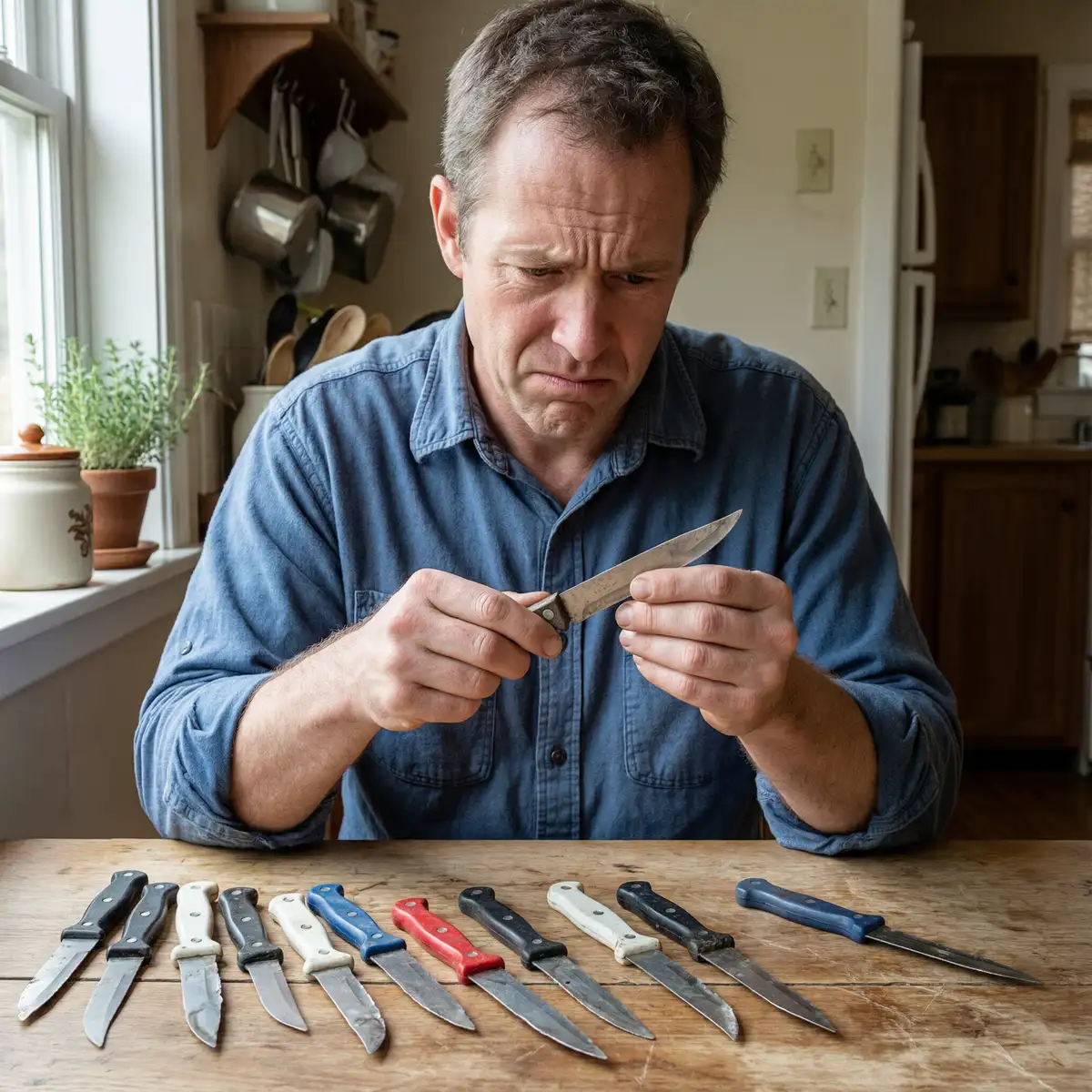
In the kitchen, a good knife is an indispensable tool. However, many consumers find that handle quality issues have become a common and serious pain point during use. Based on an analysis of 188,337 real user reviews, we found that 38% of negative reviews are related to poor handle quality. Imagine you just bought a new set of knives, full of anticipation, but after a few months, you find that the handles are loose, broken, or even fading. This experience is not only frustrating but can also affect your cooking efficiency and safety.
Why Poor Handle Quality? – A Deep Dive into the Root Causes
Material Science: Choice of Handle Materials
The choice of handle material directly affects its durability and comfort. Common handle materials include plastic, wood, stainless steel, and composite materials. Each material has its pros and cons. For example, plastic handles are lightweight and cost-effective but can age and break easily; wooden handles are comfortable to hold but require regular maintenance to prevent cracking and rotting; stainless steel handles are sturdy and durable but are heavier and less comfortable to grip.
Case Study:
- “paring 2 piece knife set I was busy shopping on the last prime day, at the last few minutes and this set came up. I didn’t read through past the ‘German high carbon’ part. They are very light - WAY too light. The tangs are not complete, meaning the tips are glued into a crappy handle.” This review highlights a common issue with plastic handles: although they are lightweight, they lack strength and are prone to loosening and breaking.
Craftsmanship: Manufacturing and Assembly of Handles
The manufacturing process of the handle is also a key factor in determining its quality. High-quality knives typically feature a full tang design, where the blade runs from the tip to the end of the handle, providing better stability and durability. In contrast, some cheaper knives use partial or no tang designs, where the blade is only partially embedded in the handle and fixed with glue or other methods, leading to easy loosening and damage.
Case Study:
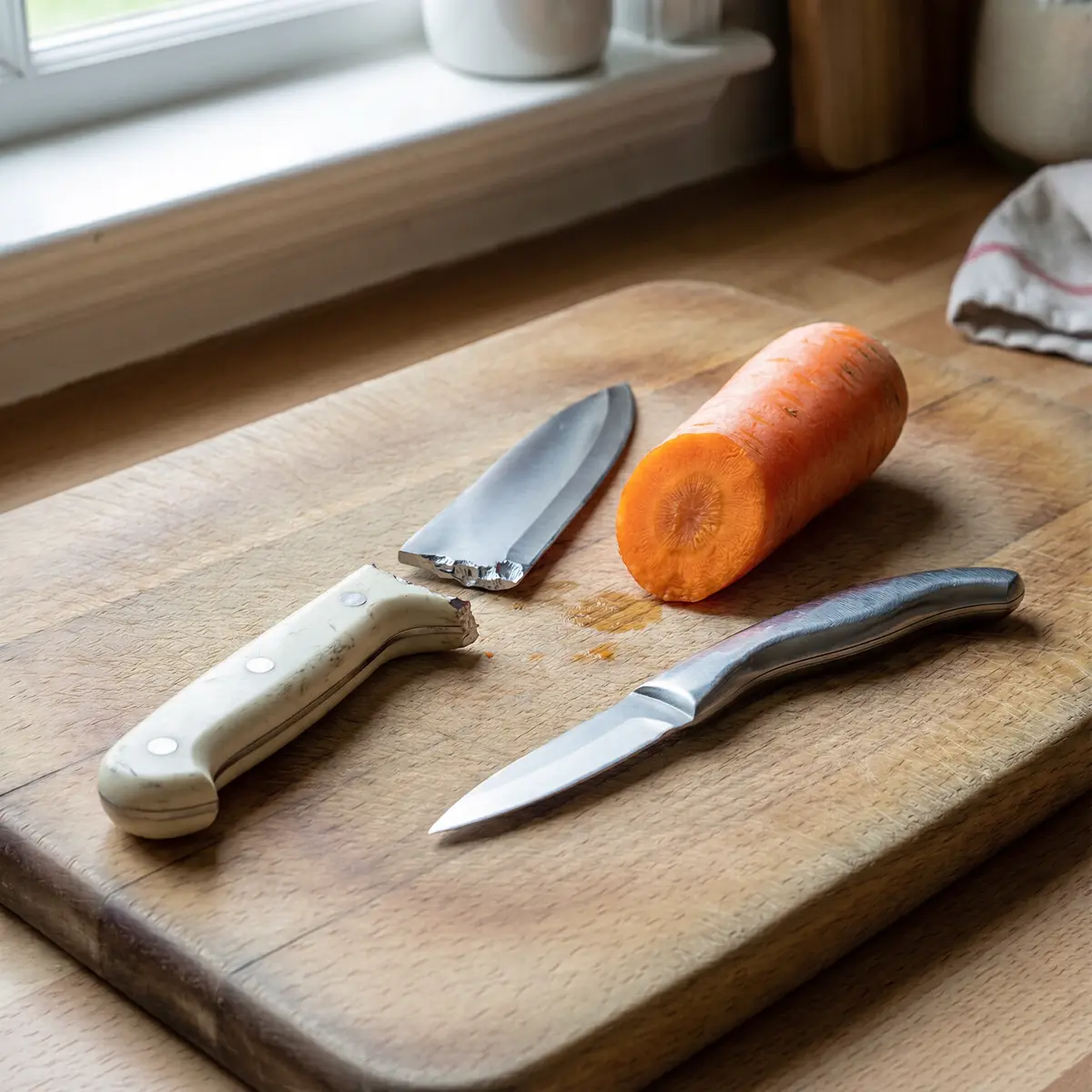
- “Arrived broken This item arrived broken. The handle was broken off and in many pieces.” This review reflects quality issues in the manufacturing and assembly process, resulting in the handle being damaged during transportation.
Usage Habits: Comfort and Stability in Hand
The design of the handle directly affects the user’s grip. An ergonomically designed handle can provide better comfort and stability, reducing hand fatigue. Conversely, poorly designed handles can cause discomfort and even increase the risk of injury during cutting.
Case Study:
- “Tang is sharp in the hand. Handle not well shaped. Tang is sharp in the hand. Handle not well shaped.” This review points out that the handle design is unreasonable, causing discomfort when holding it.
Comparison of “Poor Handle Quality” Performance in Different Materials
| Material | Advantages | Limitations |
|---|---|---|
| Plastic | Lightweight, low cost | Prone to aging, breaking |
| Wood | Comfortable, aesthetically pleasing | Requires regular maintenance, prone to cracking |
| Stainless Steel | Durable, sturdy | Heavy, poor grip feel |
| Composite | Lightweight, durable | Higher cost |
Positive Review Example:
- “Great knife for the money! This is a really nice knife. Quality made, for the money you can’t go wrong. Cuts through vegetables easily and flawlessly. This knife also fits well in my hand and makes cooking a pleasure.” This review indicates that a high-quality handle not only lasts longer but also provides a good grip and usage experience.
How to Avoid Poor Handle Quality? – Buying and Usage Guide
Key Indicators and Parameters to Consider When Purchasing
- Full Tang Design: Choose knives with a full tang design, ensuring the blade runs from the tip to the end of the handle.
- Material Selection: Select the appropriate material based on personal needs. If durability is a priority, choose stainless steel or composite materials; if comfort is more important, opt for wood.
- Brand Reputation: Choose brands with a good reputation, as these brands usually have stricter standards in manufacturing processes and material selection.
Design and Craftsmanship Details Worth Paying Extra For
- Ergonomic Design: Choose handles with ergonomic design to enhance grip comfort and stability.
- Reinforcement Treatment: Opt for handles with reinforcement treatments, such as metal rivets in wooden handles, to improve durability.
Correct Usage and Maintenance Methods
- Avoid Heavy Impact: Do not use the knife to hit hard objects, as this can damage the handle.
- Regular Maintenance: For wooden handles, regularly apply food-grade oil or specialized maintenance oil to prevent cracking and rotting.
- Proper Cleaning: Use mild detergent and a soft cloth to clean the knife, and avoid soaking it in water for extended periods.
Common Misconceptions to Avoid
- Higher Price Means Better Quality: Price is not the only standard; consider factors such as material, design, and craftsmanship.
- Aesthetic Appeal Only: A beautiful appearance does not necessarily mean high quality; functionality and durability are key.
Lessons from Real Users on Avoiding Pitfalls
-
“Its ok The colors are nice but the color is coming off already and only had for about two months and they are already dull” Lesson Learned: When choosing colored plastic handles, pay attention to whether the color is durable to avoid fading within a short period.
-
“Waste of money … Nice looking Farberware pizza cutter with a plastic handle. A few weeks ago when I made pizza I had a hard time cutting our crisp pizza. Then this Farberware pizza cutter come up and I grabbed it. Big mistake, it is worse then my Norpro pizza cutter that is not that great either.” Lesson Learned: Don’t be swayed by appearance; prioritize practicality and durability when selecting a knife.
-
“Slices garlic thin if I’m slicing only a couple of cloves otherwise the blade clogs; also requires lots of pressure to slice I purchased this at a Pampered Chef party because I wanted to replace a sliding garlic slicer and this one appeared to work wonderfully at the party. However, after using this” Lesson Learned: Try to test the product before purchasing to ensure its performance meets expectations, avoiding disappointment due to good demonstration but poor actual use.
Through the above analysis and recommendations, we hope consumers can make more informed choices and select the right knives for themselves, avoiding the troubles caused by poor handle quality.
Related Deep Analysis in This Category
- Blade Rusting — 45% of complaints relate to this
- Cheap Materials — 35% of complaints relate to this
- Dull Blades — 40% of complaints relate to this
- Easy to Rust and Stain — 28% of complaints relate to this
- Poor Grip and Ergonomics — 13% of complaints relate to this
- Poor Material and Workmanship, Easy to Break — 22% of complaints relate to this
- Poor Sharpness and Edge Retention — 42% of complaints relate to this
- Uncomfortable Grip — 30% of complaints relate to this