Dull Blades in Knife Tools: What 188,337 Reviews Reveal
Dull Blades: The “Invisible Killer” of the Knife Industry
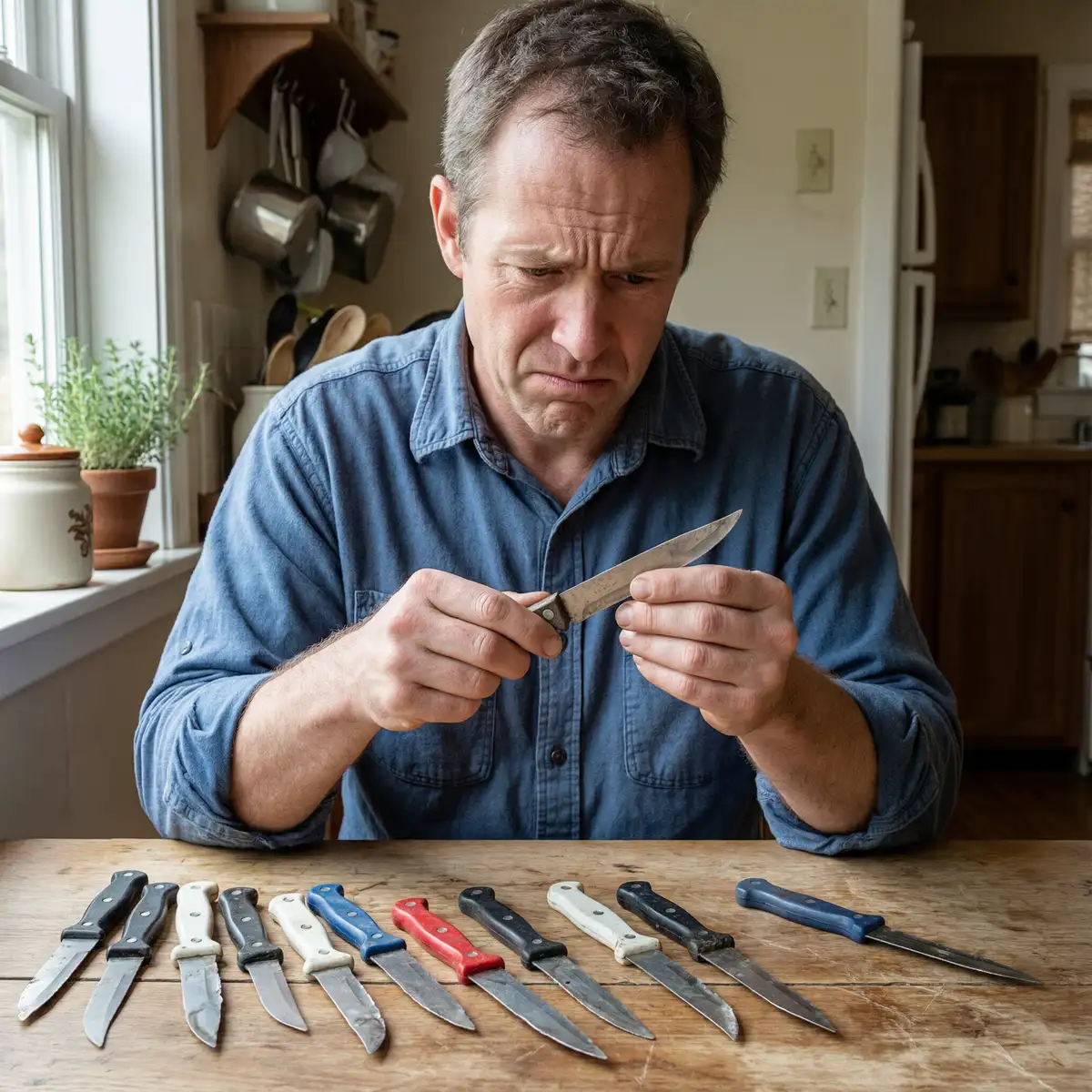
In the kitchen, a good knife is an indispensable tool. However, many consumers find that their knives become dull after just a few months of use, making cutting food difficult and ineffective. This not only leads to frustration but can also affect the cooking experience and safety. According to our analysis of 188,337 real user reviews, 40% of negative reviews are related to dull blade issues. Imagine buying a new set of knives with high expectations, only to find out a few months later that they no longer cut smoothly and even tear food. This is undoubtedly a disappointing experience.
Why Do Blades Become Dull? — A Deep Dive into the Root Causes
Material Science: Choice of Blade Materials
The material of the blade directly affects its sharpness and durability. Common blade materials include high carbon steel, stainless steel, and ceramic. High carbon steel blades are very hard and can be sharpened to a very fine edge, but they are prone to rust; stainless steel blades are corrosion-resistant but have lower hardness and do not maintain sharpness as well; ceramic blades are extremely sharp and corrosion-resistant, but they are brittle and can break easily.
Case Analysis:
- Negative Review Excerpt: “paring 2 piece knife set I was busy shopping on the last prime day, at the last few minutes and this set came up. I didn’t read through past the ‘German high carbon’ part. They are very light - WAY too light. The tangs are not complete, meaning the tips are glued into a crappy handle.”
- Analysis: The user purchased a high carbon steel knife set marketed as German-made, but the actual quality was poor. The knives were too light, and the handle design was inadequate, leading to quick dulling and inconvenience in use.
Craftsmanship: Blade Sharpening and Honing
The sharpening process of the blade determines its initial sharpness, while subsequent honing is crucial for long-term performance. High-quality knives typically undergo fine grinding processes to ensure smooth and burr-free edges. Additionally, proper honing angles and frequency are key to maintaining sharpness.
Case Analysis:
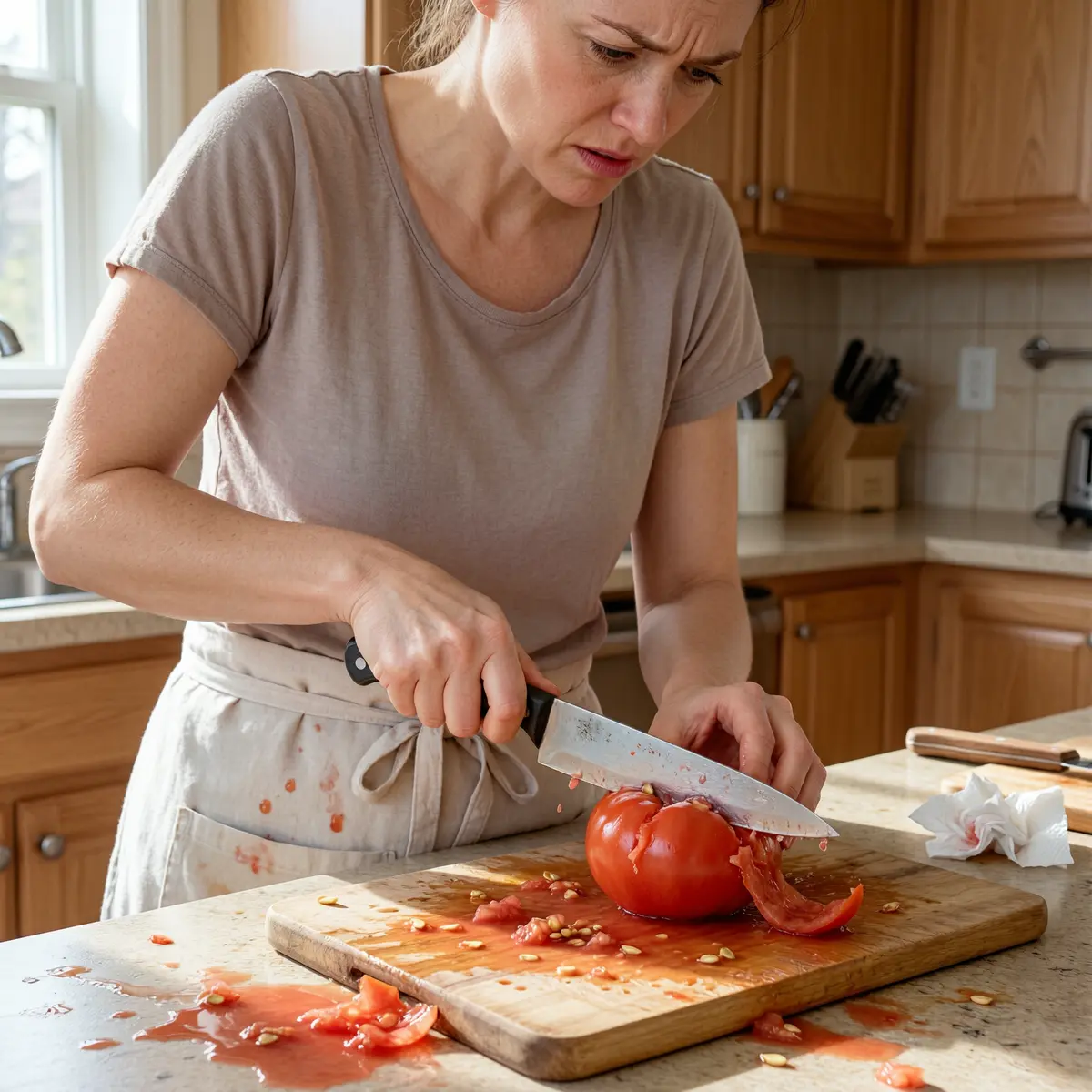
- Negative Review Excerpt: “Tears food Not happy with these at all. Everything I try to cut… Whether it’s bread or meat, the food is ripped apart not cut.”
- Analysis: The user’s knives tore food rather than cutting it, indicating poor grinding or inadequate honing. This is common in low-quality knives, where the grinding process is rough and honing is insufficient.
Usage Habits: Daily Use and Maintenance
Proper usage and maintenance are crucial for maintaining blade sharpness. For example, avoiding chopping on hard surfaces, regularly using a sharpening stone, and storing knives properly can significantly extend the life of the blade.
Case Analysis:
- Negative Review Excerpt: “Its ok The colors are nice but the color is coming off already and only had for about two months and they are already dull”
- Analysis: The user’s knives became dull quickly, which, in addition to material and craftsmanship issues, may also be due to improper use and maintenance. Frequent use without honing or using the knives on inappropriate surfaces can accelerate blade wear.
Comparison of “Dull Blade” Performance Across Different Materials
| Material | Advantages | Limitations |
|---|---|---|
| High Carbon Steel | Extremely high hardness, easy to sharpen to a very fine edge | Prone to rust, requires frequent maintenance |
| Stainless Steel | Corrosion-resistant, easy to maintain | Lower hardness, does not maintain sharpness as well |
| Ceramic | Very sharp, corrosion-resistant | Brittle, can break easily |
Positive Review Excerpt:
- “Great knife for the money! This is a really nice knife. Quality made, for the money you can’t go wrong. Cuts through vegetables easily and flawlessly. This knife also fits well in my hand and makes cooking a breeze.”
How to Avoid Dull Blades? — A Guide to Selection and Usage
Key Indicators and Parameters to Consider When Purchasing
- Material Choice: Prioritize high carbon steel or high-quality stainless steel for a balance of sharpness and durability.
- Grinding Process: Choose knives that have undergone fine grinding, ensuring the blade is smooth and free of burrs.
- Brand Reputation: Opt for brands with a good reputation to avoid low-quality, cheap products.
Design and Craftsmanship Details Worth the Extra Cost
- Full Tang Design: The blade extends into the handle, increasing stability and durability.
- High-Quality Handle Materials: Such as wood or composite materials, providing a comfortable grip.
- Precision Grinding: Ensures the blade is smooth and free of burrs, enhancing initial sharpness.
Proper Usage and Maintenance Methods
- Avoid Chopping on Hard Surfaces: Use a dedicated cutting board to prevent blade damage.
- Regular Honing: Use a sharpening stone or electric sharpener to keep the blade sharp.
- Proper Storage: Use a knife block or sheath to avoid blade collisions.
Common Misconceptions to Correct
- Over-reliance on Electric Sharpeners: While convenient, excessive use can shorten the blade’s lifespan.
- Ignoring Handle Quality: The design and material of the handle are equally important, affecting the overall user experience.
Lessons from Real Users to Avoid Pitfalls
-
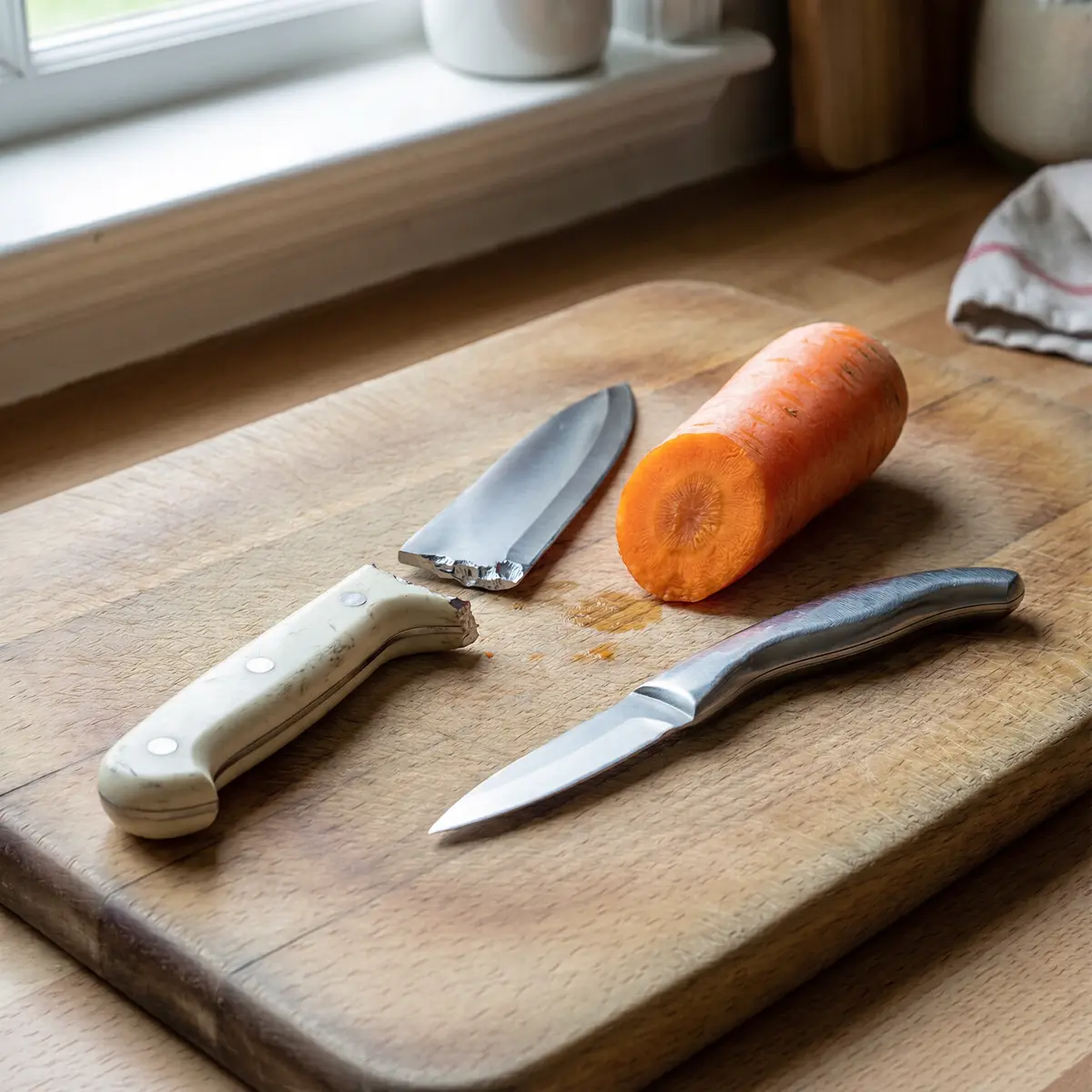
Negative Review Excerpt: “Arrived broken This item arrived broken. The handle was broken off and in many pieces.”
- Lesson Learned: Always check the packaging and product quality upon purchase to avoid receiving damaged items. Choose brands with good after-sales service for timely resolution of issues.
-
Negative Review Excerpt: “Waste of money … Nice looking Farberware pizza cutter with a plastic handle. A few weeks ago when I made pizza I had a hard time cutting our crisp pizza. Then this Farberware pizza cutter come up and I grabbed it. Big mistake, it is worse then my Norpro pizza cutter that is not tha”
- Lesson Learned: Don’t be swayed by appearance; choose products that are both functional and durable. This is especially important for frequently used tools.
-
Negative Review Excerpt: “Slices garlic thin if I’m slicing only a couple of cloves otherwise the blade clogs; also requires lots of pressure to slice I purchased this at a Pampered Chef party because I wanted to replace a sliding garlic slicer and this one appeared to work wonderfully at the party. However, after using this”
- Lesson Learned: Try to test the product before purchasing to understand its actual performance. This is particularly important for specialized knives, where functionality and convenience are key.
Through the above analysis and guidelines, we hope to help you make more informed decisions when selecting and using knives, avoiding the issue of dull blades.
Related Deep Analysis in This Category
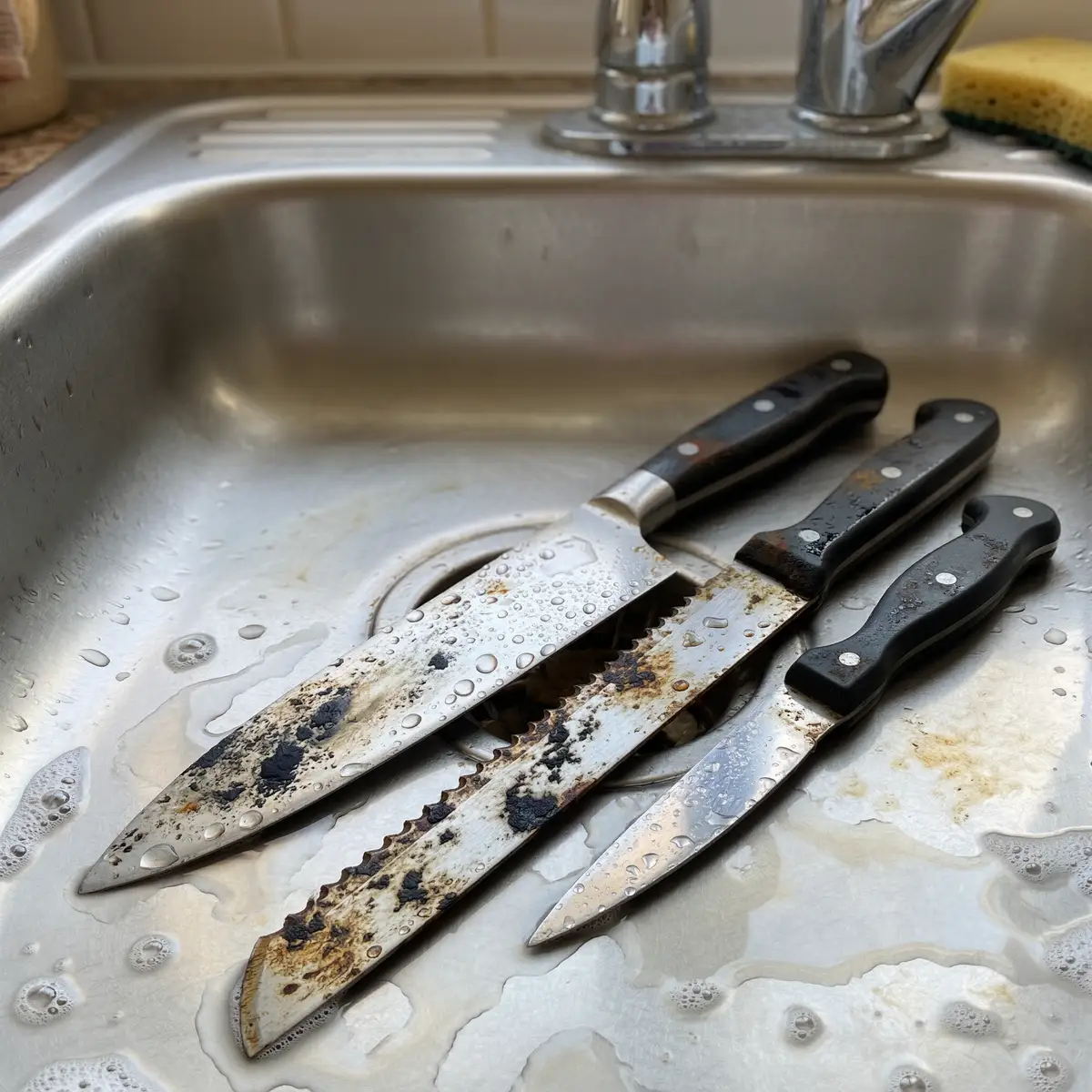
- Blade Rusting — 45% of complaints relate to this
- Cheap Materials — 35% of complaints relate to this
- Easy to Rust and Stain — 28% of complaints relate to this
- Poor Grip and Ergonomics — 13% of complaints relate to this
- Poor Material and Workmanship, Easy to Break — 22% of complaints relate to this
- Poor Quality Handle — 38% of complaints relate to this
- Poor Sharpness and Edge Retention — 42% of complaints relate to this
- Uncomfortable Grip — 30% of complaints relate to this