Poor Grip and Ergonomics in Knife Tools: What 188,337 Reviews Reveal
Poor Ergonomics: The “Hidden Killer” in the Knife Industry
In the kitchen, a good knife is a chef’s trusted assistant, but poor ergonomics can often turn this assistant into a burden. According to our analysis of 188,337 genuine user reviews, 13% of negative reviews are related to poor ergonomic issues. This not only affects the user experience but also poses safety risks. Imagine you just bought a new knife, and after a few months, you find that every time you chop vegetables, your hand hurts, and sometimes the handle slips, almost causing an injury. In such a situation, you might regret your initial choice.
Why Poor Ergonomics? — A Deep Dive into the Root Causes
Material Science Perspective
From a material science perspective, the design of a knife handle needs to consider multiple factors, including material, shape, and surface treatment. If the material of the handle is improperly chosen, such as being too smooth or too rough, it will affect the grip. Additionally, the shape of the handle should conform to the natural curve of the hand; otherwise, improper pressure points can cause discomfort.
Manufacturing Process Perspective
The manufacturing process is also a critical factor. Some low-cost knives cut corners by using simple molds and cheap materials, leading to inconsistent quality in the handles. For example, the connection between the blade and the handle may not be sturdy, and over time, it may become loose or break. These defects not only affect the lifespan but also increase safety risks.
User Habit Perspective
User habits also influence the gripping experience. For instance, some people prefer to use more force when cutting ingredients. If the weight distribution of the knife is unreasonable, with a light head and heavy handle or overall lightness, extra effort is required, leading to hand fatigue over prolonged use. Moreover, there is significant variation in hand sizes among different users, and a one-size-fits-all design often fails to meet everyone’s needs.
Case Studies
-
Negative Review 1: “paring 2 piece knife set I was busy shopping on the last prime day, at the last few minutes and this set came up. I didn’t read through past the ‘German high carbon’ part. They are very light - WAY too light. The tangs are not complete, meaning the tips are glued into a crappy handle. The old sa”
This user mentioned that the knives were very light and had poor-quality handles, indicating issues with both the weight distribution and handle material.
-
Negative Review 2: “Tang is sharp in the hand. Handle not well shaped. Tang is sharp in the hand. Handle not well shaped.”
This review clearly pointed out that the handle shape was poor, causing discomfort during use, reflecting the issue of the handle not conforming to ergonomic design.
Comparison of “Poor Ergonomics” Performance Across Different Materials
| Material | Advantages | Limitations |
|---|---|---|
| Plastic | Lightweight, low cost | Prone to wear, slippery, poor durability |
| Wood | Natural feel, high comfort | Requires regular maintenance, prone to swelling when wet |
| Stainless Steel | Durable, easy to clean | High thermal conductivity, cold to the touch in winter |
| Composite | Lightweight, slip-resistant, durable | Higher cost |
Positive Review Case
-
Positive Review 1: “Great knife for the money! This is a really nice knife. Quality made, for the money you can’t go wrong. Cuts through vegetables easily and flawlessly. This knife also fits well in my hand and makes co”
This user mentioned that the knife handle fit well in their hand and was comfortable to hold, indicating that good material and design can significantly improve the user experience.
How to Avoid Poor Ergonomics? — A Guide to Selection and Use
Key Indicators and Parameters to Consider When Selecting
- Handle Shape: Choose a handle that conforms to ergonomic design, ensuring a natural and relaxed grip.
- Handle Material: Select a suitable material based on personal preference and usage environment, such as wood or composite.
- Weight Distribution: Choose a knife with balanced weight distribution between the blade and handle, avoiding top-heavy or overly light designs.
- Surface Treatment: Opt for a handle with good surface treatment, providing slip resistance even when wet.
Design and Craftsmanship Details Worth the Extra Cost
- Full Tang Construction: Ensures a secure connection between the blade and handle, preventing loosening or breaking.
- Ergonomic Design: Professional designers optimize the handle based on hand structure, providing a better grip.
- High-Quality Materials: Premium materials not only enhance durability but also improve the overall user experience.
Proper Use and Maintenance Methods
- Correct Grip: Maintain a naturally relaxed wrist while using, avoiding excessive force.
- Regular Maintenance: Perform appropriate maintenance based on the material characteristics, such as regularly applying edible oil to wooden handles.
- Safe Storage: Store the knife in a dry, ventilated place after use, avoiding prolonged exposure to moisture.
Common Misconceptions to Correct
- Misconception 1: Believing that the more expensive the knife, the better. In reality, the most suitable knife is the best, considering personal usage habits and needs.
- Misconception 2: Ignoring the importance of the handle. The design of the handle directly affects the user experience and should not be overlooked.
Lessons from Real Users on Avoiding Pitfalls
-
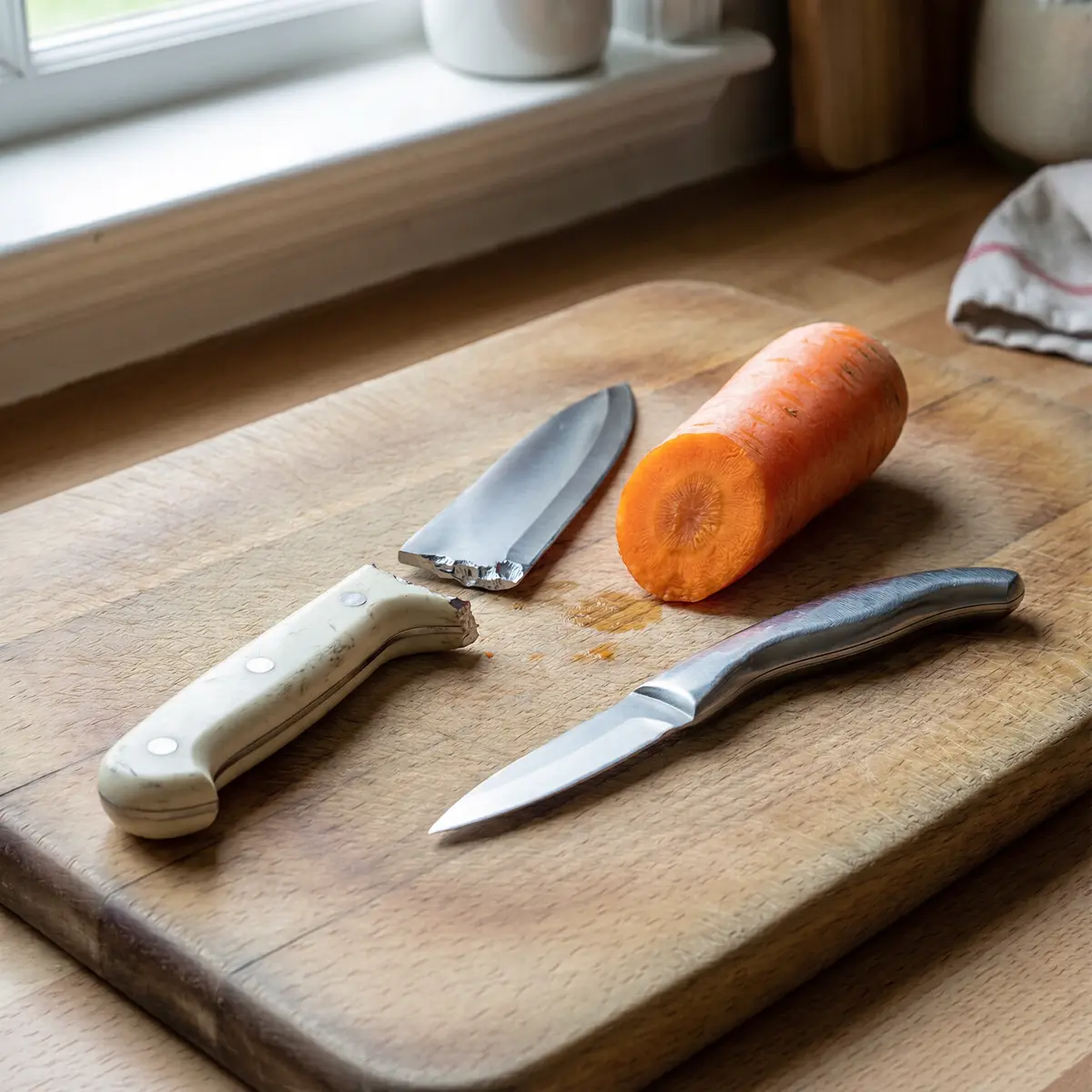
Lesson 1: “Arrived broken This item arrived broken. The handle was broken off and in many pieces.”
Lesson Summary: When purchasing, check the overall quality and packaging of the knife to ensure it is not damaged.
-
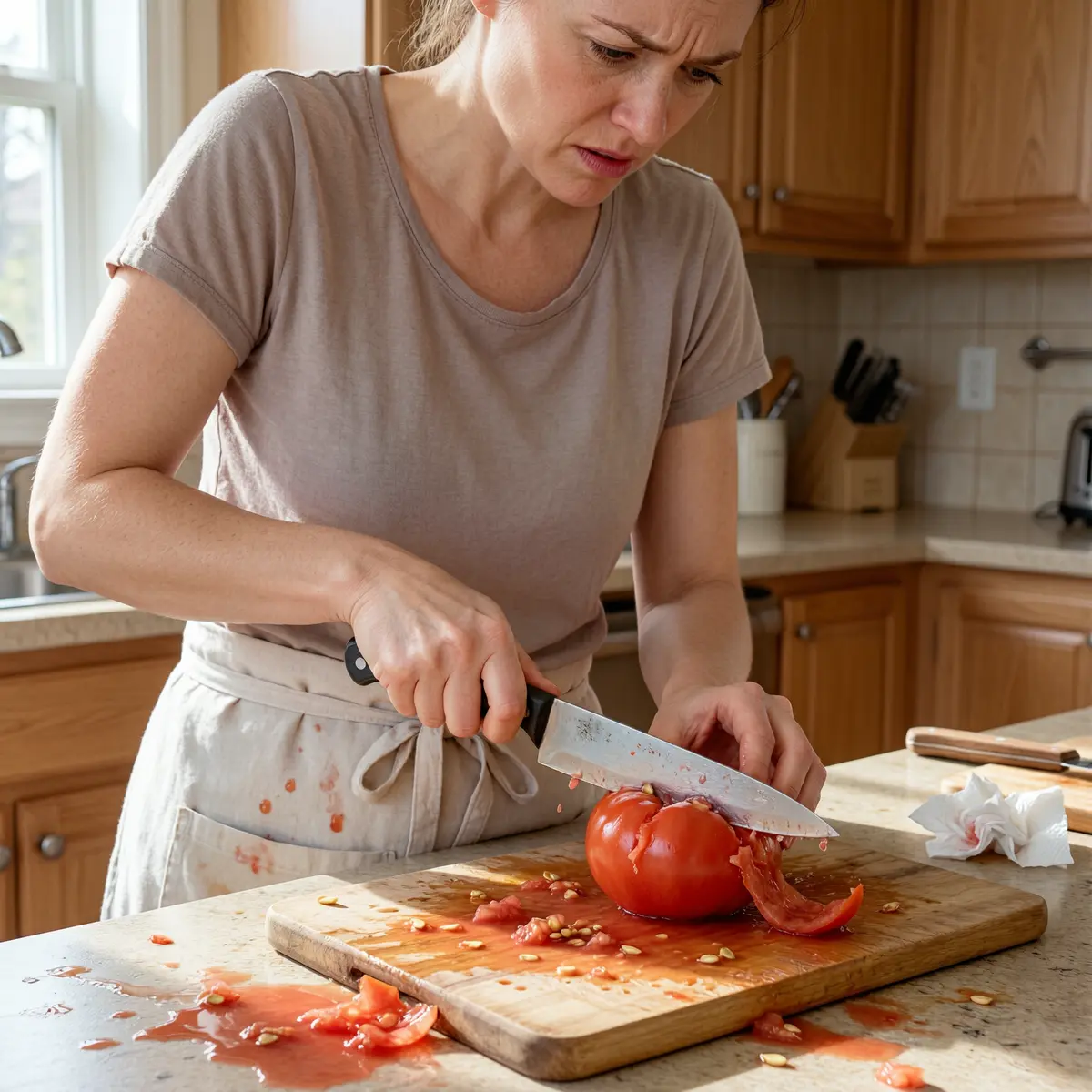
Lesson 2: “Tears food Not happy with these at all. Everything I try to cut… Whether it’s bread or meat, the food is ripped apart not cut.”
Lesson Summary: Choose a knife with a sharp blade and balanced weight, ensuring smooth cuts without tearing the food.
-
Lesson 3: “Its ok The colors are nice but the color is coming off already and only had for about two months and they are already dull”
Lesson Summary: Focus on the actual performance and durability of the knife, rather than just its appearance, to avoid neglecting the intrinsic quality.
Through the above analysis and recommendations, we hope readers can better understand the issue of poor ergonomics and make informed choices when selecting and using knives.
Related Deep Analysis in This Category
- Blade Rusting — 45% of complaints relate to this
- Cheap Materials — 35% of complaints relate to this
- Dull Blades — 40% of complaints relate to this
- Easy to Rust and Stain — 28% of complaints relate to this
- Poor Material and Workmanship, Easy to Break — 22% of complaints relate to this
- Poor Quality Handle — 38% of complaints relate to this
- Poor Sharpness and Edge Retention — 42% of complaints relate to this
- Uncomfortable Grip — 30% of complaints relate to this