Poor Material and Workmanship, Easy to Break in Knife Tools: What 188,337 Reviews Reveal
Poor Material and Craftsmanship: The “Hidden Killer” in the Knife Industry
When purchasing knives, consumers often expect to get a sharp and durable tool. However, our analysis of 188,337 genuine user reviews reveals that 22% of negative reviews are related to poor material and craftsmanship leading to easy damage. This data highlights a widespread issue: many knives experience serious quality problems during use, forcing consumers to frequently replace or repair them.
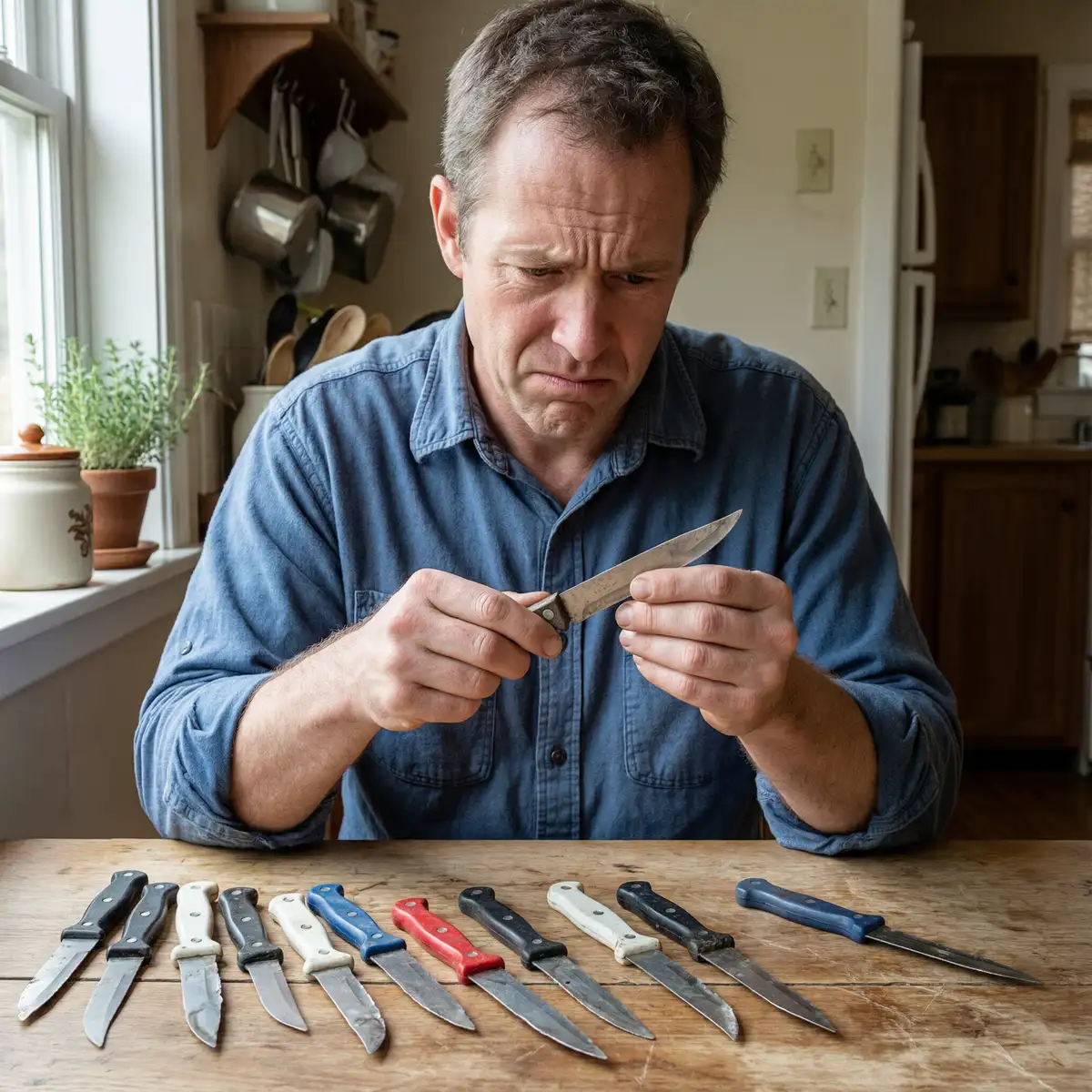
Imagine you just bought a new set of kitchen knives, full of anticipation as you start using them. A few months later, you find that the blade bends with minimal force, the handle falls off after a few uses, or even the edge chips while cutting vegetables. Such an experience is not only frustrating but can also affect your cooking efficiency and mood. So, why are these issues so common? In the following sections, we will delve into the root causes and provide practical selection and usage guidelines.
Why Are Poor Material and Craftsmanship So Common? – An In-Depth Analysis of the Root Causes
From a Materials Science Perspective
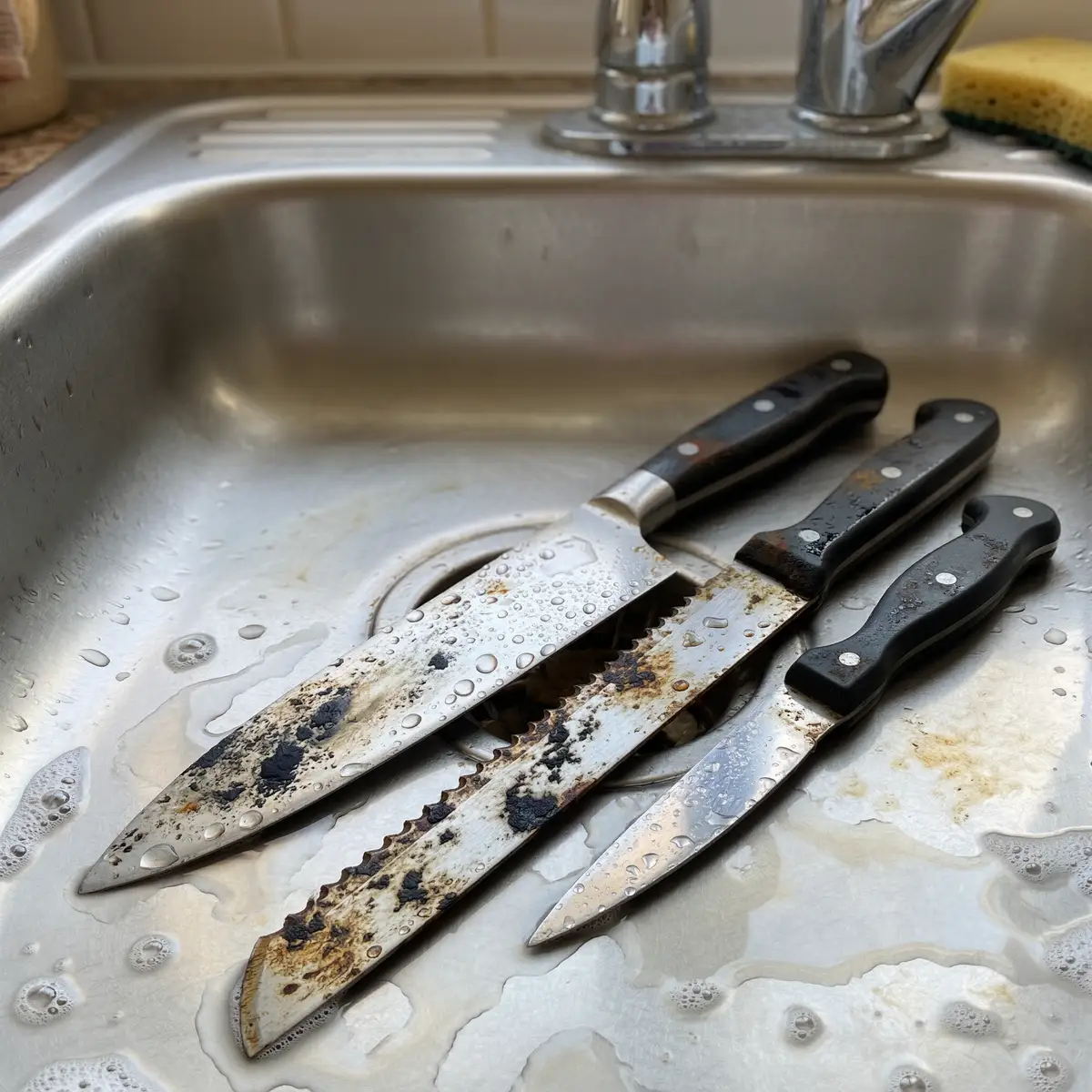
The quality of a knife largely depends on the materials used. Common knife materials include high carbon steel, stainless steel, and ceramic. High carbon steel, although hard, is prone to rust; stainless steel, on the other hand, is more corrosion-resistant but less hard. If manufacturers use substandard steel to cut costs or skimp on the thickness of the steel, it can result in insufficient rigidity of the blade, making it easy to bend and deform.
For example, one user commented: “paring 2 piece knife set I was busy shopping on the last prime day, at the last few minutes and this set came up. I didn’t read through past the ‘German high carbon’ part. They are very light - WAY too light. The tangs are not complete, meaning the tips are glued into a crappy handle.” This comment highlights the issue of overly light and poorly connected blades and handles.
From a Manufacturing Process Perspective
Manufacturing processes are also a key factor in determining knife quality. High-quality knives typically feature a full tang design, where the blade extends through the entire handle, ensuring overall strength and stability. In contrast, some low-quality knives use glue to fix the blade and handle, which is very fragile and can easily loosen or fall off during use.
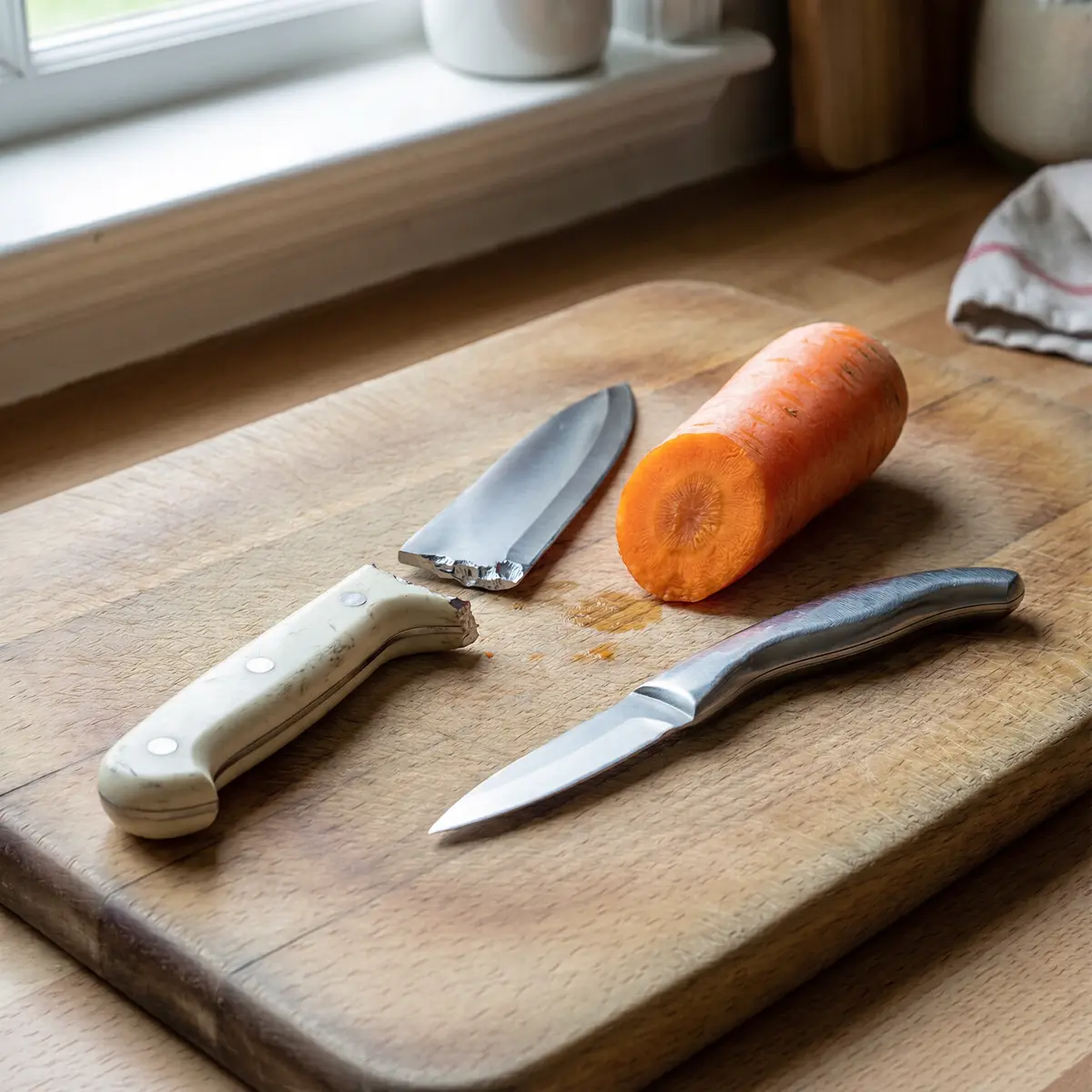
Another user mentioned: “Arrived broken This item arrived broken. The handle was broken off and in many pieces.” This situation indicates that there may be gaps in the quality control process before the product leaves the factory, allowing defective items to enter the market.
From a Usage Habit Perspective
Even a well-made knife can deteriorate quickly if used improperly. For example, using a knife to cut hard objects, applying excessive force, or incorrect maintenance methods can lead to chipped edges or broken handles. Therefore, proper usage and maintenance are crucial for extending the life of a knife.
Comparison of “Poor Material and Craftsmanship” Issues in Different Materials
| Material | Advantages | Limitations |
|---|---|---|
| High Carbon Steel | High hardness, good sharpness | Prone to rust, requires regular maintenance |
| Stainless Steel | Corrosion-resistant, easy to maintain | Lower hardness, prone to dulling |
| Ceramic | Extremely sharp, rust-resistant | Brittle, easy to break |
Good materials should have the following characteristics:
- High Carbon Steel: As one user commented, “Great knife for the money! This is a really nice knife. Quality made, for the money you can’t go wrong. Cuts through vegetables easily and flawlessly.”
- Stainless Steel: As another user stated, “Every kitchen should own one of these! This is a great little device. Makes cutting and serving pizza a breeze. Sometimes pizza cutting can be tricky but this tool does it all. I can cut the slices an”
- Ceramic: Although brittle, it can maintain extremely high sharpness when used correctly.
How to Avoid Poor Material and Craftsmanship? – Selection and Usage Guide
Key Indicators and Parameters to Look for When Selecting
- Blade Thickness: Choose a knife with moderate thickness, avoiding overly thin designs.
- Blade and Handle Connection Method: Prefer knives with a full tang design.
- Handle Material: Opt for durable materials such as wood or high-quality plastic.
- Brand Reputation: Choose brands with a good reputation, and check user reviews and feedback.
Design and Craftsmanship Details Worth Paying Extra For
- Full Tang Design: Increases the overall strength and stability of the knife.
- High-Quality Steel: Use high carbon steel or stainless steel to ensure hardness and corrosion resistance.
- Fine Polishing: Blades that are finely polished are sharper and more durable.
Correct Usage and Maintenance Methods
- Avoid Cutting Hard Objects: Do not use the knife to cut bones or other hard objects.
- Regular Sharpening: Use a sharpening stone or sharpener to keep the blade sharp.
- Proper Cleaning: Clean with warm water and neutral detergent, avoiding prolonged soaking.
- Proper Storage: Store in a knife block or sheath to prevent the blades from colliding.
Common Misconceptions to Avoid
- Lower Price is Better: A cheap knife is not necessarily of poor quality, but you need to carefully examine the material and craftsmanship.
- Looks Matter Most: A pretty appearance does not guarantee quality; consider the material and design comprehensively.
Lessons from Real Users on Avoiding Pitfalls
-
Lesson One:“paring 2 piece knife set I was busy shopping on the last prime day, at the last few minutes and this set came up. I didn’t read through past the ‘German high carbon’ part. They are very light - WAY too light. The tangs are not complete, meaning the tips are glued into a crappy handle.”
- Summary: Don’t be misled by surface-level marketing; carefully check the material and connection method of the knife.
-
Lesson Two:“Arrived broken This item arrived broken. The handle was broken off and in many pieces.”
- Summary: Choose brands with good after-sales service and inspect the quality immediately upon receipt.
-
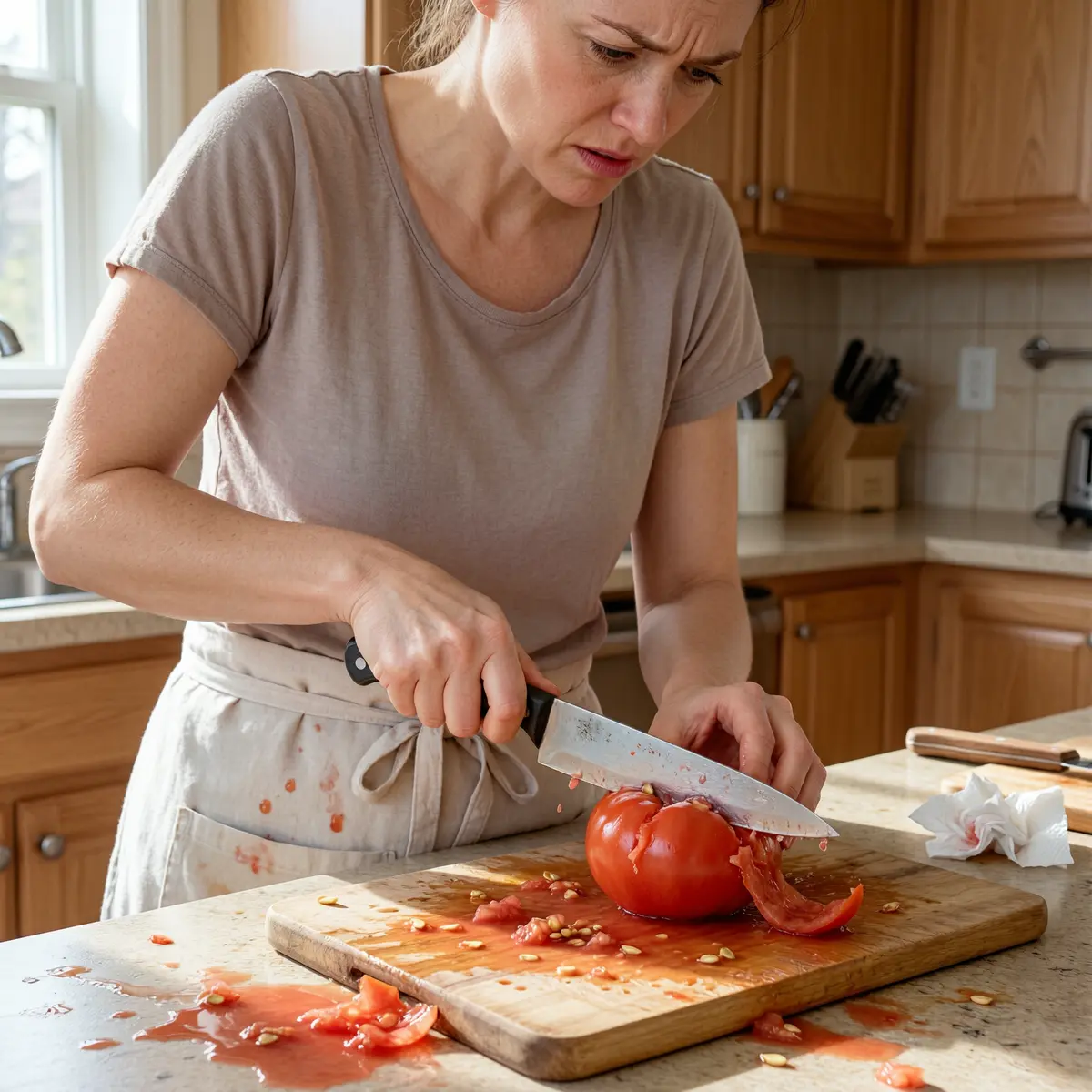
Lesson Three:“Tears food Not happy with these at all. Everything I try to cut… Whether it’s bread or meat, the food is ripped apart not cut.”
- Summary: Choose a sharp knife to avoid using low-quality knives that tear food.
Through the above analysis and guidelines, we hope consumers can make more informed decisions when selecting and using knives, avoiding the troubles caused by poor material and craftsmanship.
Related Deep Analysis in This Category
- Blade Rusting — 45% of complaints relate to this
- Cheap Materials — 35% of complaints relate to this
- Dull Blades — 40% of complaints relate to this
- Easy to Rust and Stain — 28% of complaints relate to this
- Poor Grip and Ergonomics — 13% of complaints relate to this
- Poor Quality Handle — 38% of complaints relate to this
- Poor Sharpness and Edge Retention — 42% of complaints relate to this
- Uncomfortable Grip — 30% of complaints relate to this